
Doctor Who (1963)
Doctor Who is regarded as one of the longest-running and most original science fiction productions in television history. First brought to screens by the BBC in 1963, the series has been reinterpreted and revived countless times s…
Overview
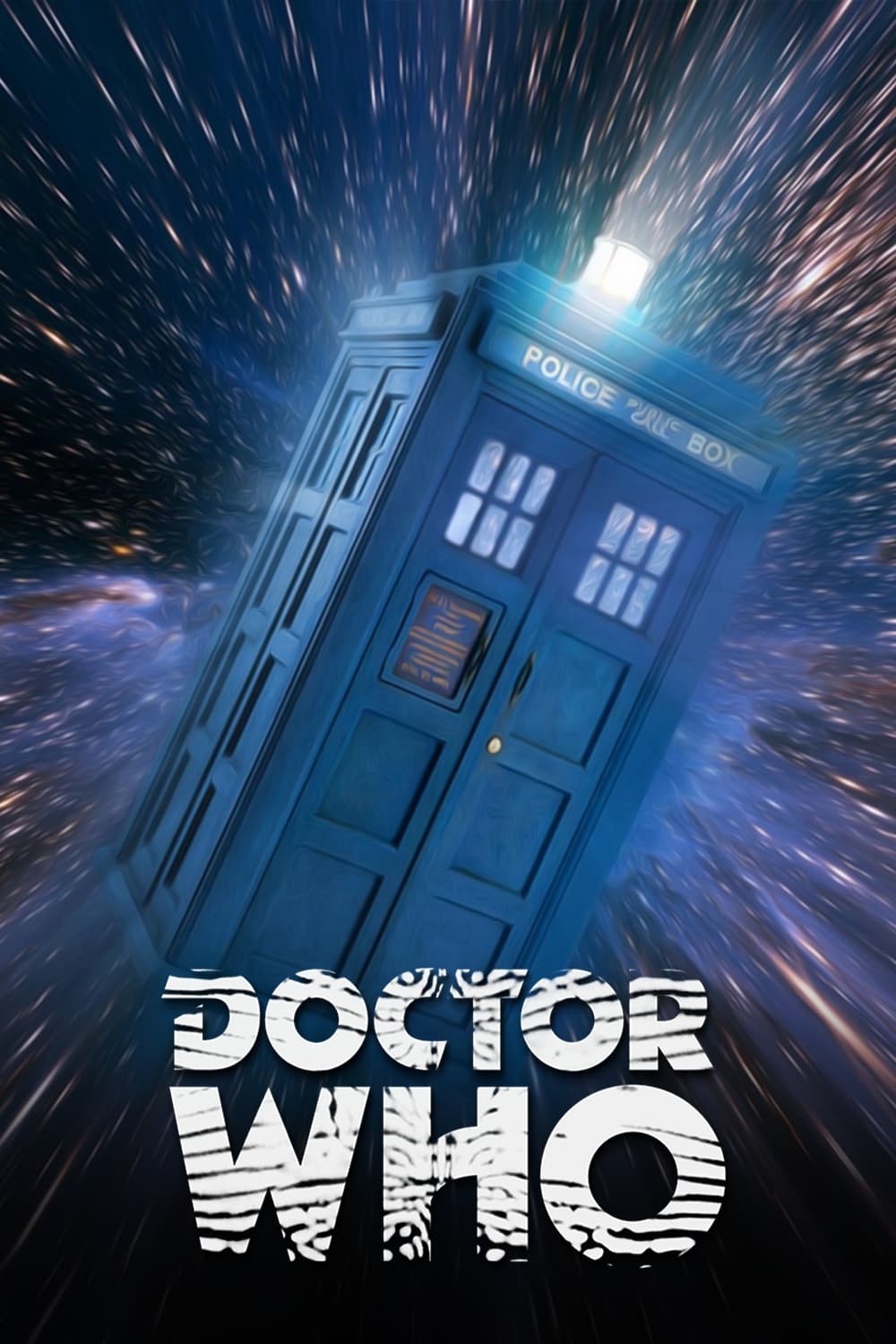
Doctor Who is regarded as one of the longest-running and most original science fiction productions in television history. First brought to screens by the BBC in 1963, the series has been reinterpreted and revived countless times since then, becoming a cultural phenomenon that has expanded its audience across generations. At its center is the adventure of a mysterious alien known as "the Doctor," one of the last surviving members of his kind. The Doctor travels through the universe, history, and different dimensions aboard a time-and-space ship called the TARDIS, which looks like an old-fashioned British telephone box on the outside but is infinitely large on the inside.
One of the series' most notable features is the concept of "regeneration," which allows the main character to be played by different actors across decades. This creative solution has enabled the production to constantly renew itself, both in terms of content and cast, giving each generation its own Doctor. As a result, Doctor Who has developed a unique narrative language that blends classic science fiction elements with drama, comedy, horror, and adventure.
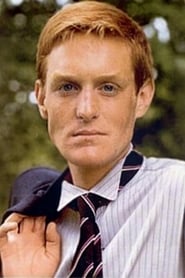
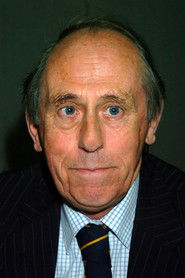
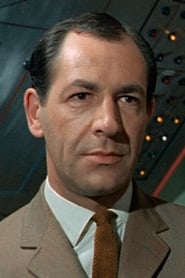
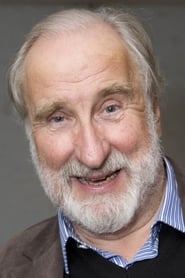
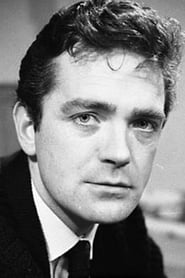
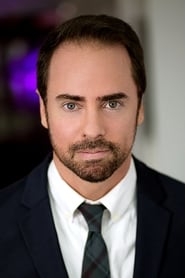
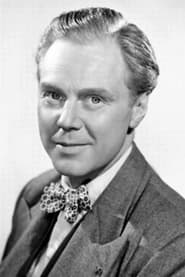
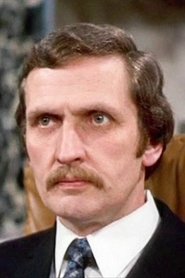
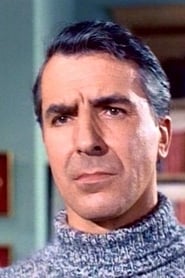
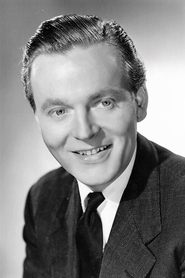
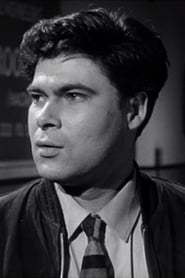
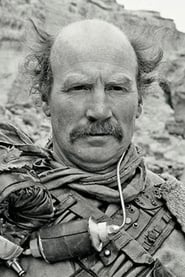
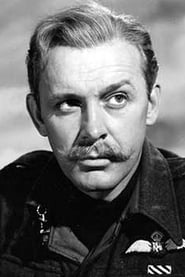
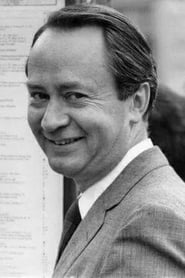
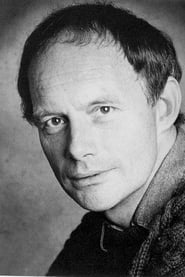
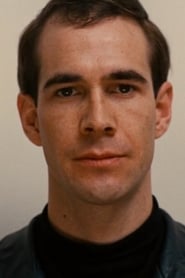
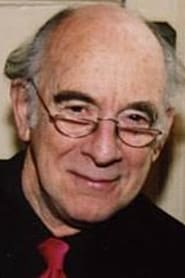
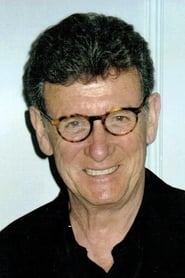
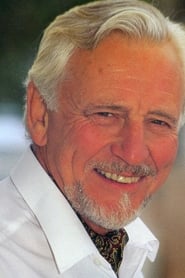
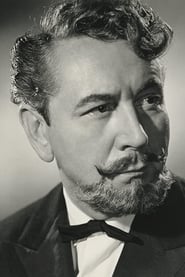
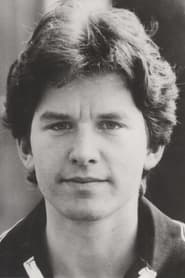
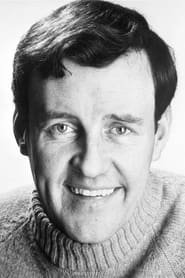
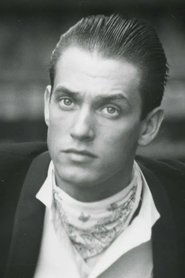
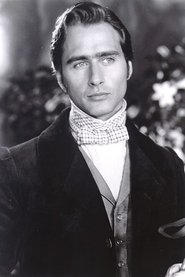
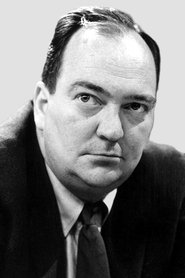
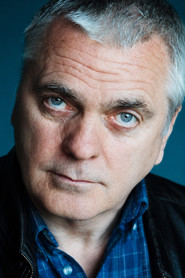
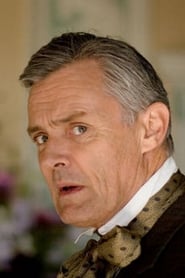
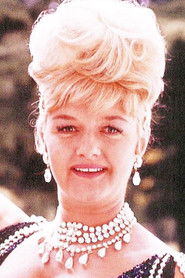
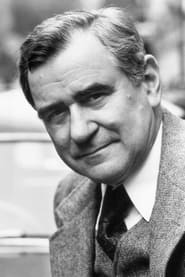
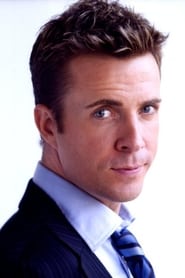
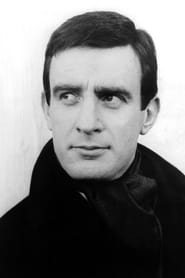
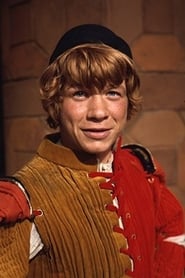
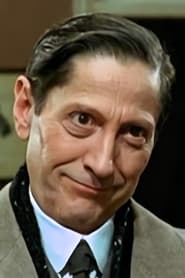
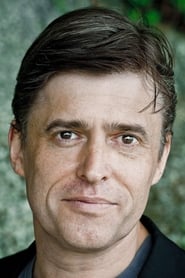
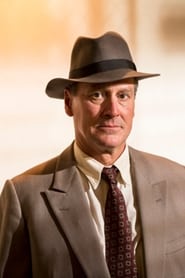
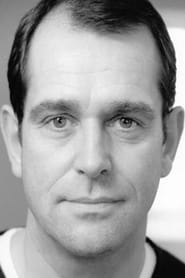
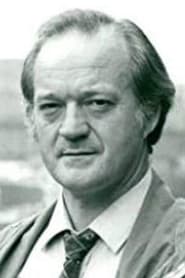
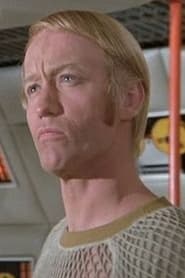
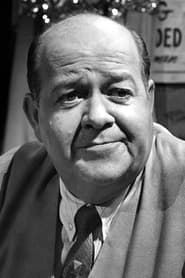
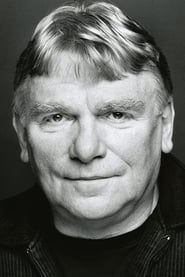
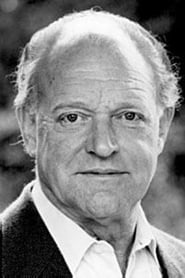
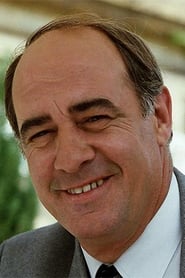
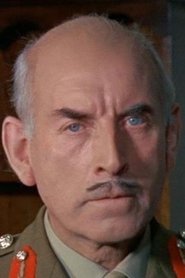
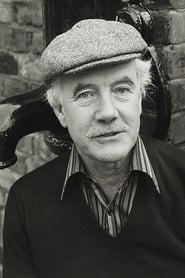
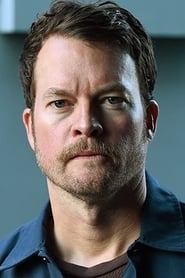
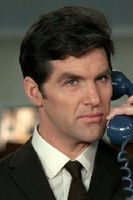
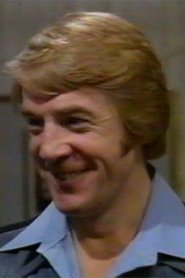
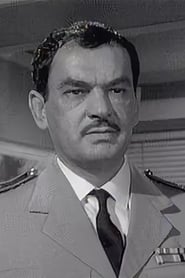
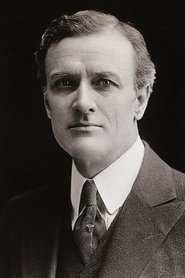
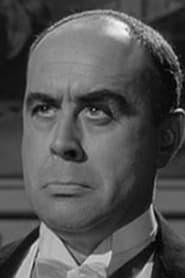
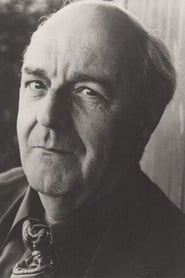
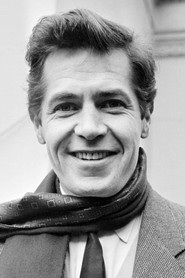
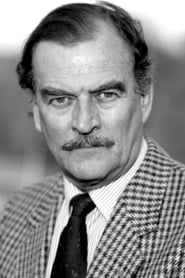
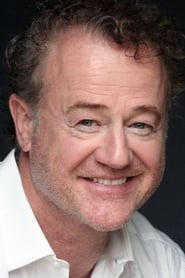
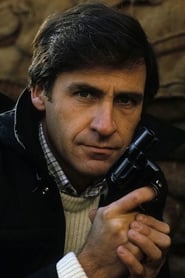
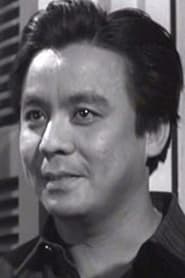
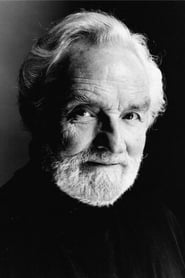
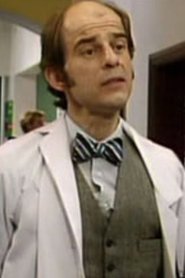
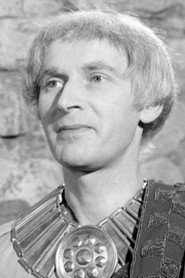
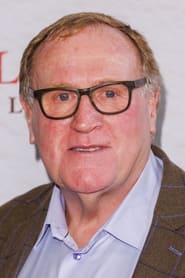
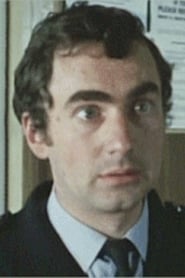
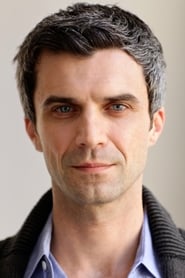
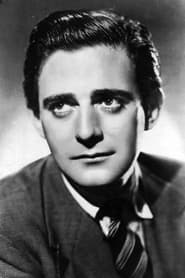
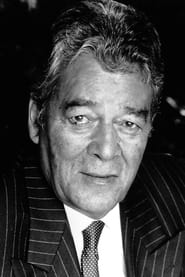
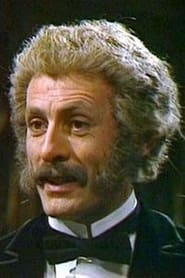
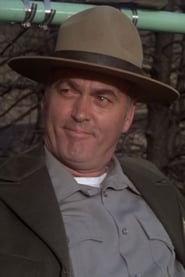
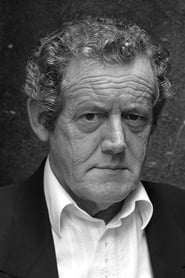
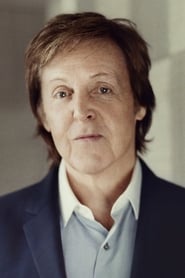
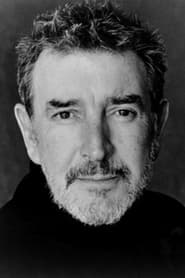
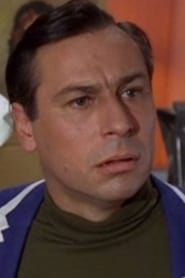
Robert Glenister, one of the actors who has appeared in the show's cast, made a guest appearance within the series' vast universe, contributing to the production as one of the familiar and dependable faces of British television. Glenister's performance stands as a fitting example of the show's strong tradition of character acting.
Plot
The core story of Doctor Who follows the adventures of a member of the Time Lord race from the planet Gallifrey, who introduces himself as "the Doctor." Using a time machine called the TARDIS, the Doctor travels to the past, the future, and every corner of the universe. Usually accompanied by human companions, the Doctor confronts different dangers, alien races, and moral dilemmas in every era and on every planet he visits.
The series' episodes are sometimes self-contained stories, and sometimes part of larger threats that unfold across an entire season. The Doctor's pacifist nature — a hero who avoids violence but solves problems through intelligence and wisdom — defines the show's characteristic narrative tone. Through its time-travel themes, historical events, famous figures, and science fiction elements intertwine to build a distinctive world.
Why Watch It?
Doctor Who stands out as an unparalleled production in television history. Its continued existence for over sixty years demonstrates just how vast a fanbase and how much creative flexibility the series possesses. The limitless possibilities offered by the concept of time travel allow each episode to present a different era, a different planet, or a different threat, ensuring the audience never falls into monotony.
Another of the series' strengths is the way it combines science fiction elements with human themes in a manner that never feels didactic. Universal subjects such as loss, friendship, sacrifice, and moral responsibility are blended with fantastical elements like alien invasions and time paradoxes, offering the viewer both entertainment and intellectual depth. Additionally, its evolution from low-budget early eras to modern seasons with high production values offers fascinating material for those interested in observing the development of television production itself.
Who Is It For?
Doctor Who is ideal for science fiction enthusiasts above all, as well as for those who enjoy adventurous and thought-provoking stories. It is also a suitable choice for viewers who wish to enjoy classic British television craftsmanship and who prefer family-friendly content that can be watched by both children and adults. Those interested in works featuring time travel, alien races, and philosophical inquiry will find what they're looking for in this series.
On the other hand, viewers expecting constant action and heavy visual effects may find some of the show's classic-era episodes fall short of their expectations. Still, the series' modern seasons have significantly increased their production quality in order to appeal to a broader audience.
Pros and Cons
Pros:
1. A rich narrative universe and deep mythology built up over decades.
2. Constantly renewed character dynamics and acting performances thanks to the "regeneration" concept.
3. A flexible narrative structure that successfully blends science fiction, drama, comedy, and horror.
Cons:
1. Due to its long history, some classic-era episodes may feel dated to today's viewers in terms of visual effects and pacing.
2. Differences in quality and tone between seasons can create an inconsistent viewing experience for some audiences.
Genre and Tone
Although fundamentally a science fiction series, the show also incorporates elements of gothic horror, dark comedy, drama, and adventure from time to time. Its tone is quite variable; some episodes offer a light and entertaining atmosphere, while others focus on darker, more thought-provoking themes. This tonal flexibility is the key factor behind the series' ability to appeal to different age groups and tastes.
Runtime and Viewing Experience
While Doctor Who's episode lengths in the classic era were generally around 25 minutes, the modern revival increased this to an average of 45-50 minutes. Given the show's long history, following the entire series from start to finish requires a significant time investment; however, since episodes generally offer self-contained stories, it is also possible to start watching by focusing on a particular Doctor's era or a specific season. This flexibility significantly lowers the barrier to entry for new viewers.
Similar Productions
- The Star Trek franchise
- Black Mirror
- The Twilight Zone
- Red Dwarf
Final Assessment
Doctor Who holds a unique place in television history as a production that can constantly reinvent itself and appeal to audiences across generations. With the infinite narrative possibilities offered by its time-travel premise, strong character development, and flexible transitions between genres, the series manages to captivate both classic science fiction fans and new generations of viewers alike. Enriched by guest performances from talented actors such as Robert Glenister, the production continues to be an indispensable part of British television culture. Despite its long-running structure, the flexible viewing options it offers ensure that the series remains accessible to both longtime fans and newcomers alike.
Where to Watch


Details
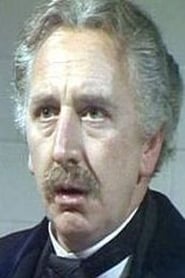
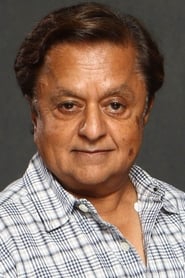
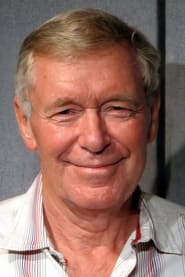
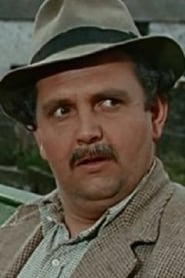
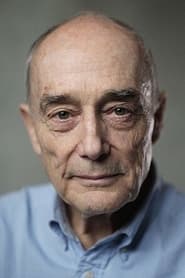
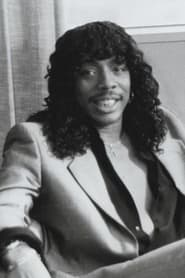
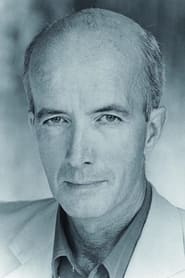
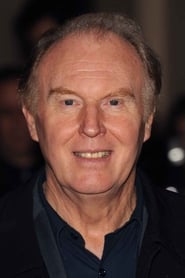
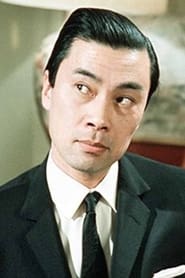
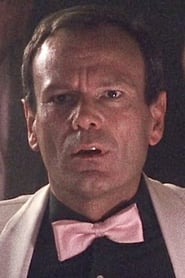
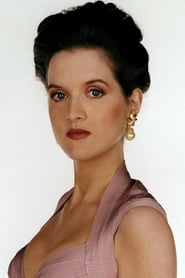
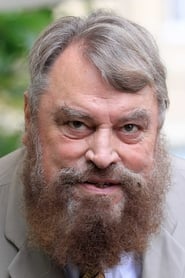
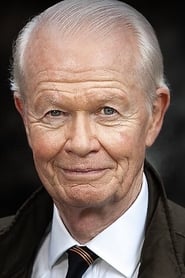
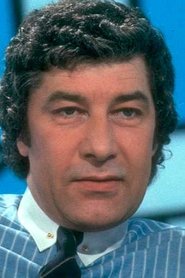
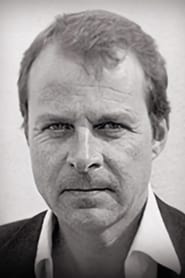
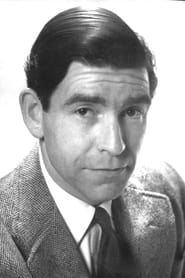
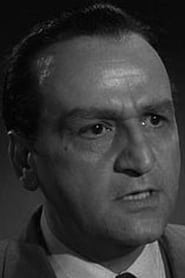
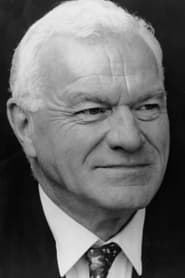
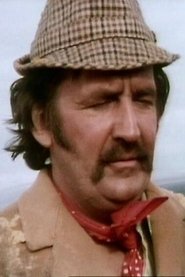
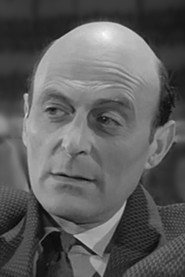
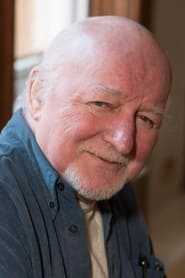
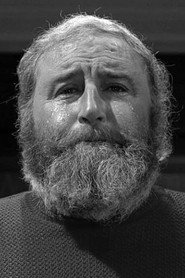
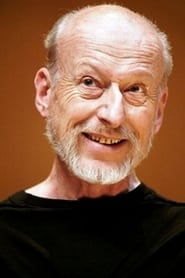
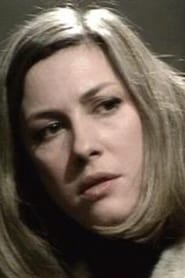
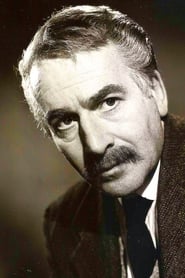
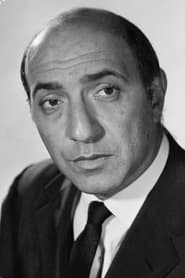
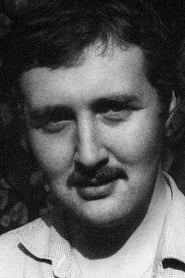
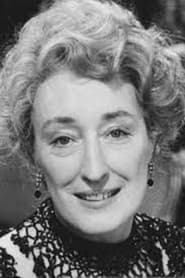
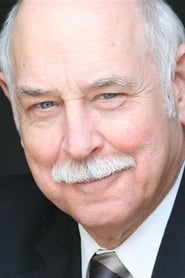
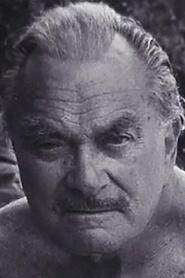
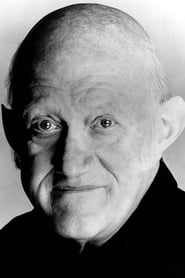
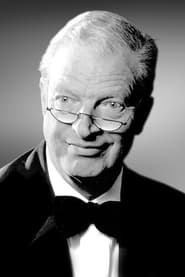
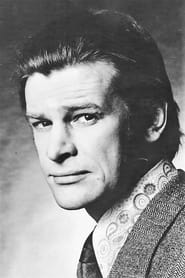
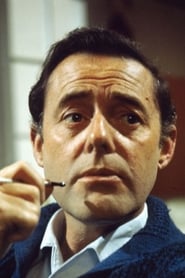
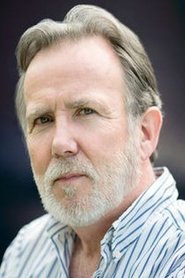
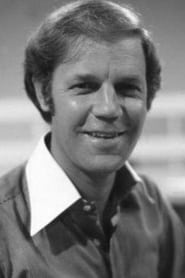
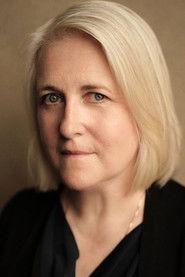
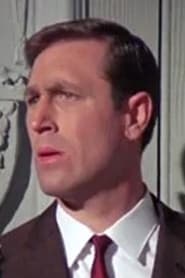
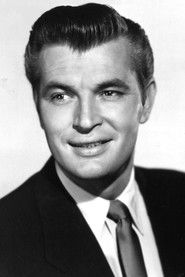
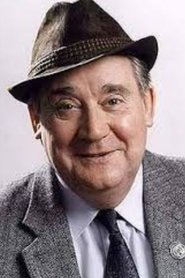
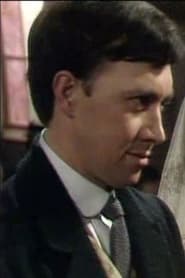
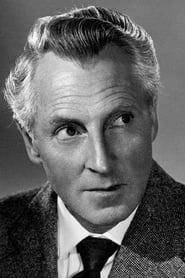
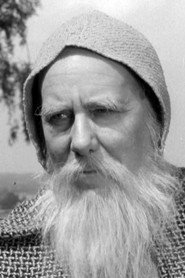
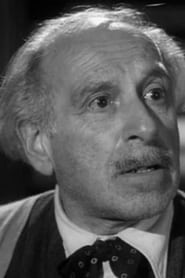
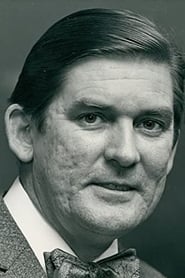
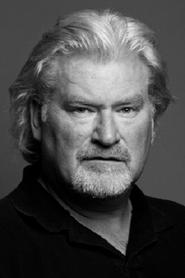
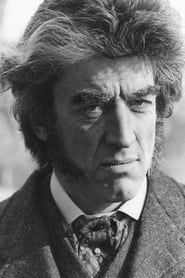
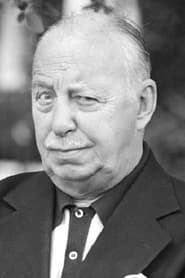
Cast (1317)




















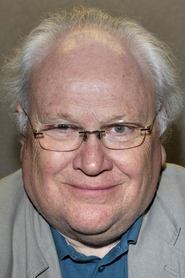











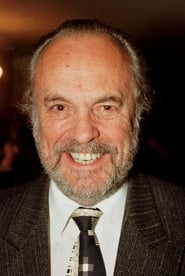
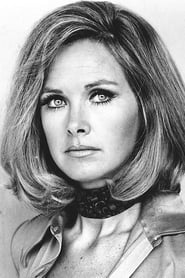
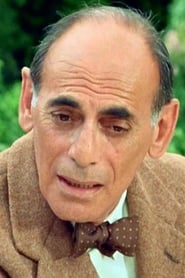



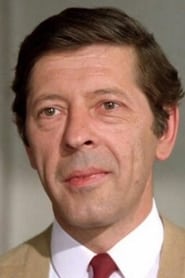









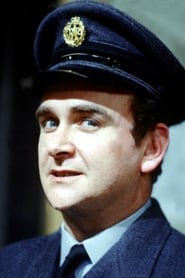
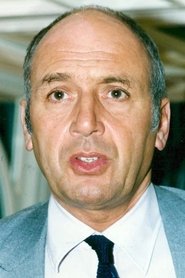

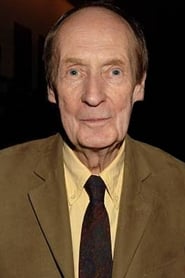


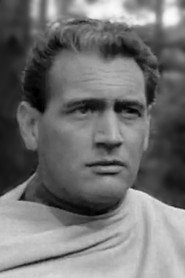

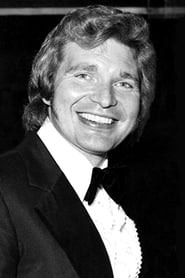
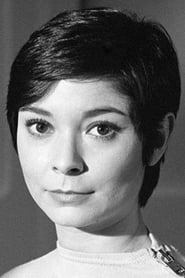
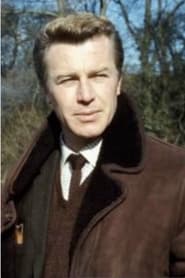
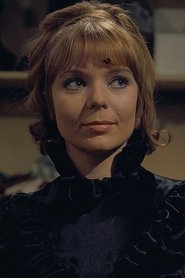








































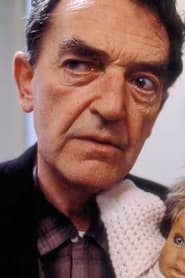

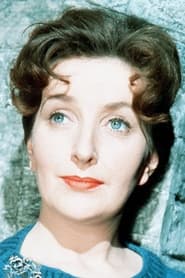
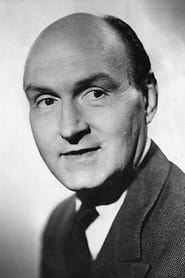
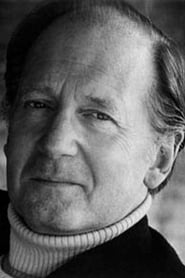


























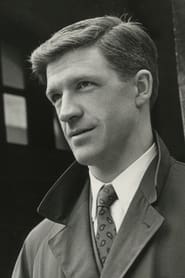
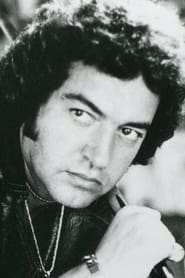
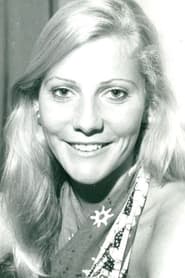
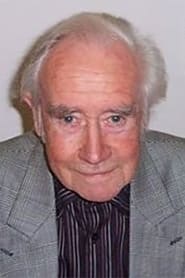















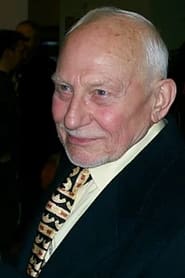
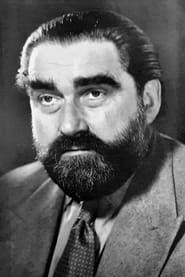

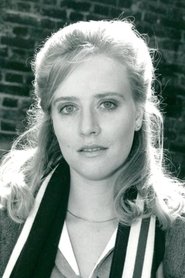







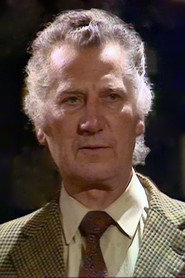

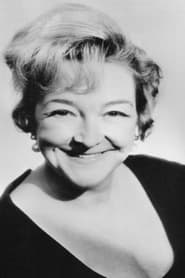
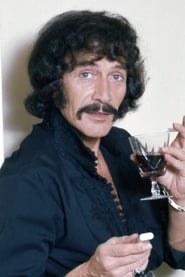

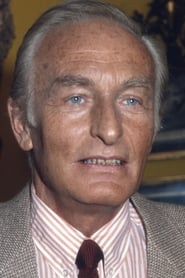






















































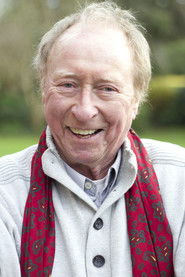

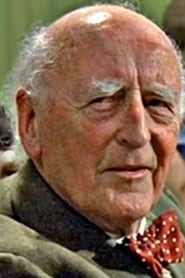

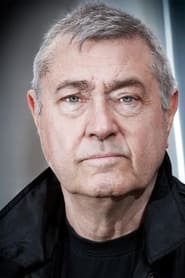
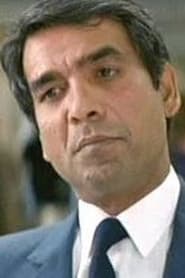



















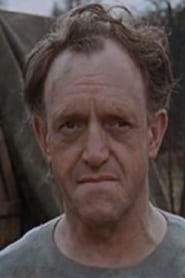
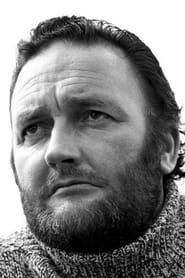
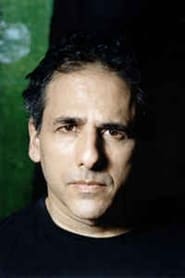

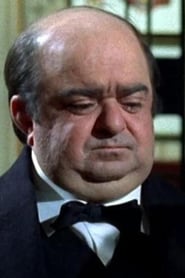
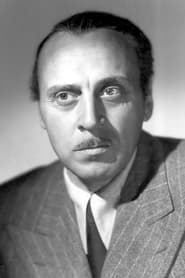

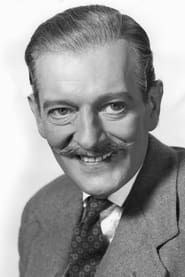


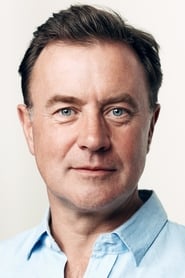
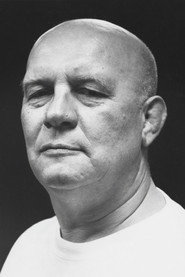















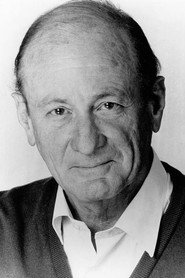



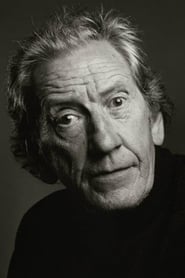







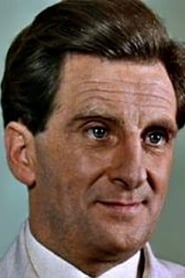
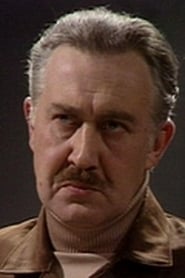

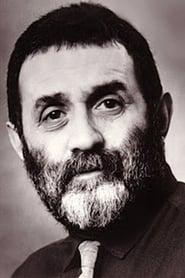

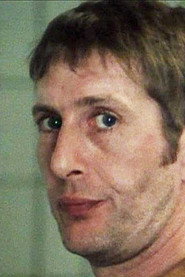


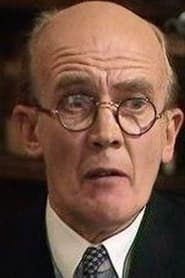

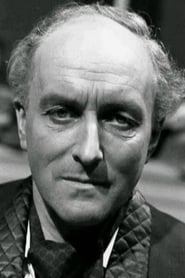




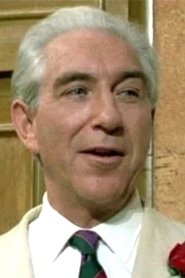
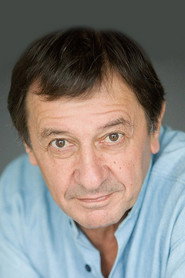
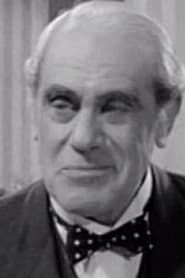
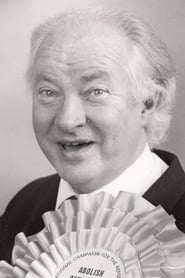

















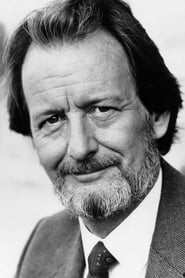


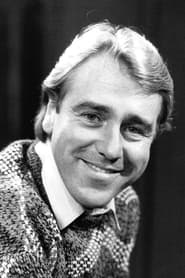









Sezonlar
Gelince haber ver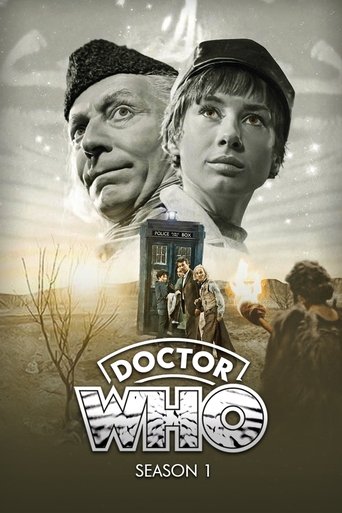 1963
1963 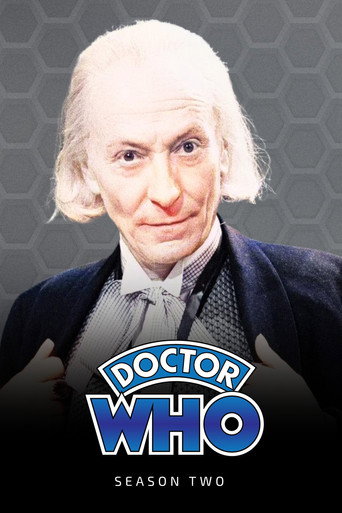 1964
1964  1965
1965  1966
1966  1967
1967  1968
1968 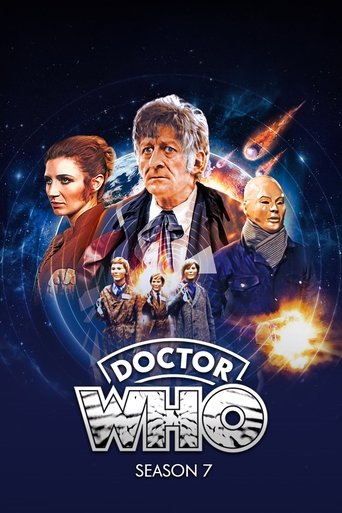 1970
1970 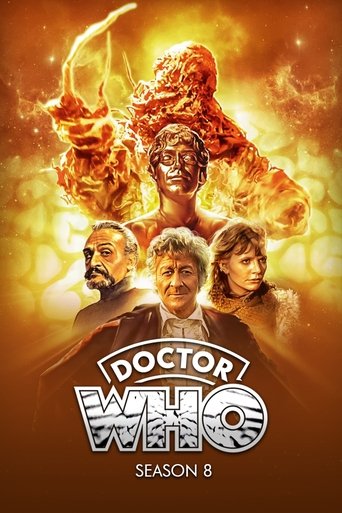 1971
1971 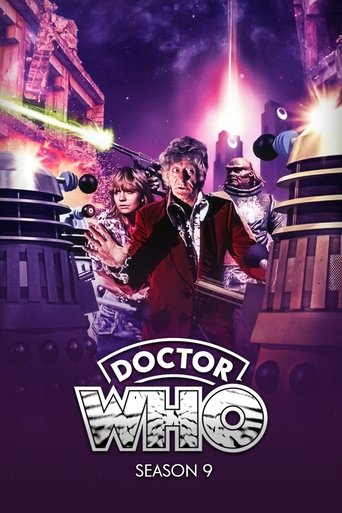 1972
1972 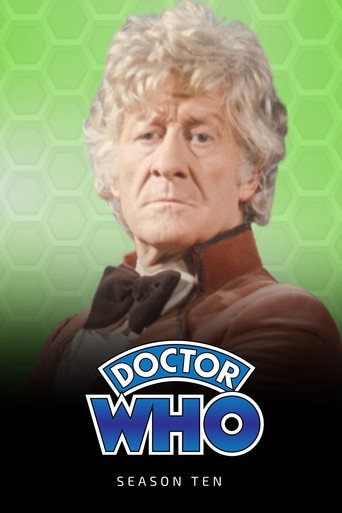 1972
1972 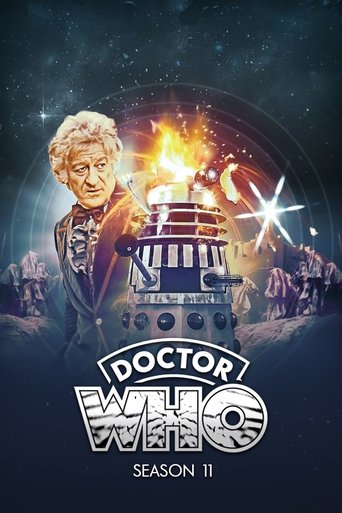 1973
1973 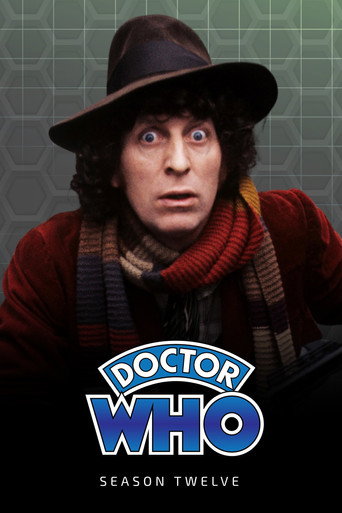 1974
1974 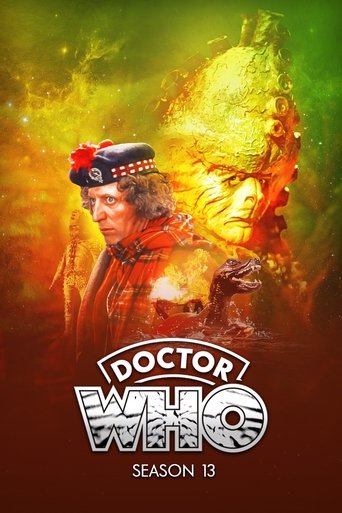 1975
1975 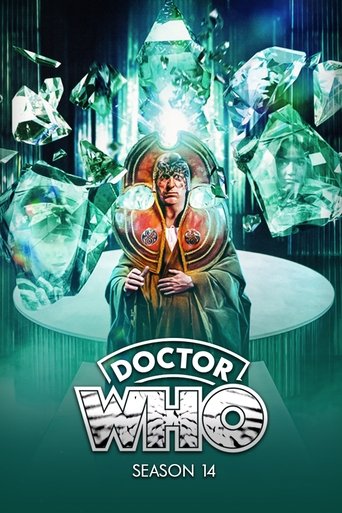 1976
1976 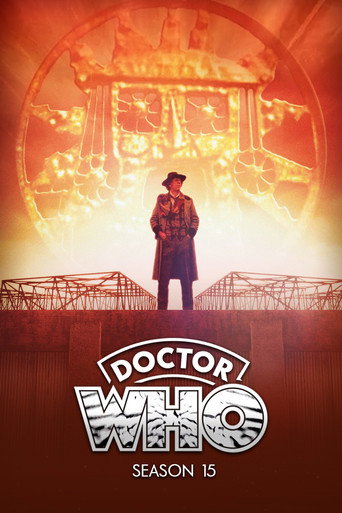 1977
1977 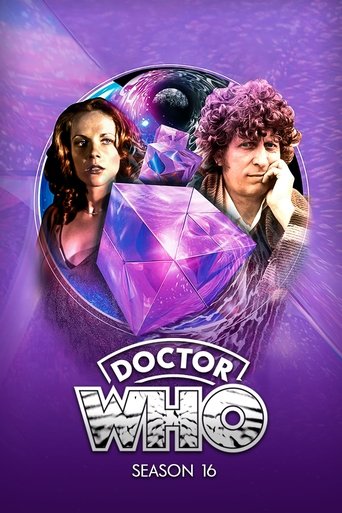 1978
1978 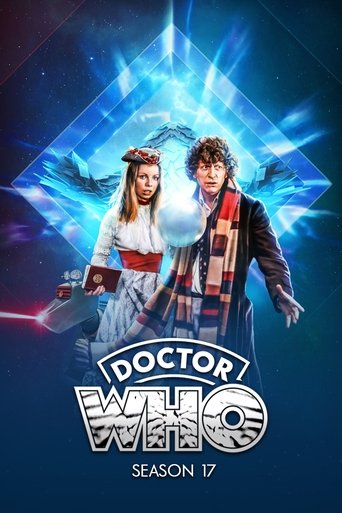 1979
1979 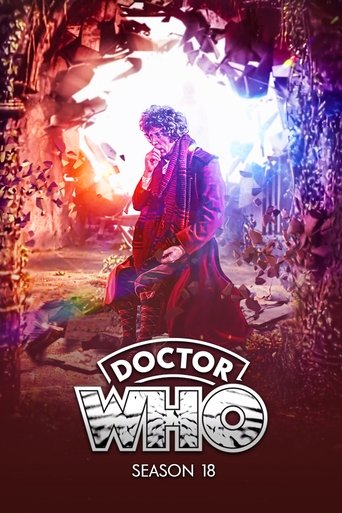 1980
1980 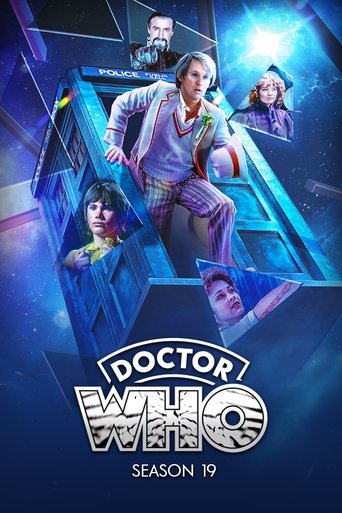 1982
1982 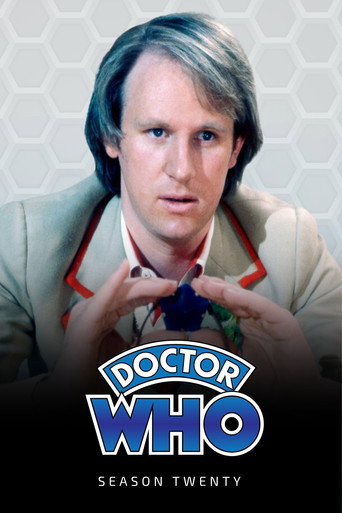 1983
1983 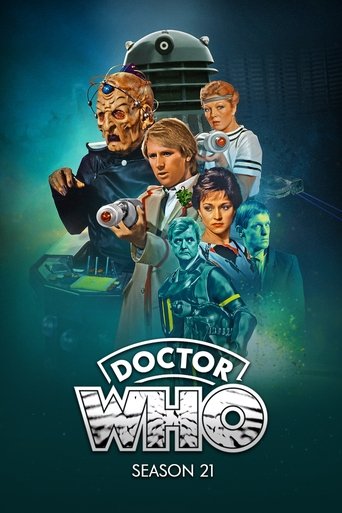 1984
1984 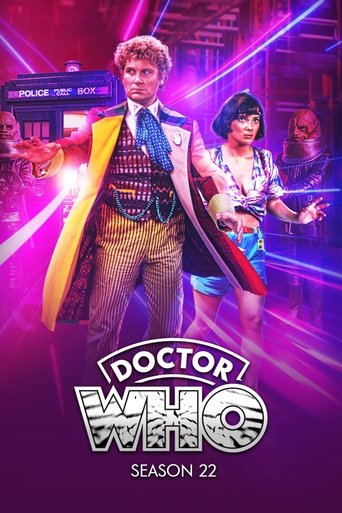 1985
1985 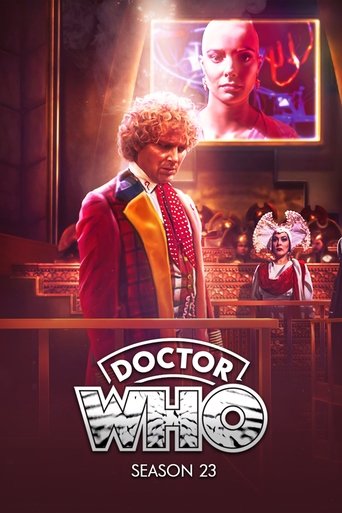 1986
1986 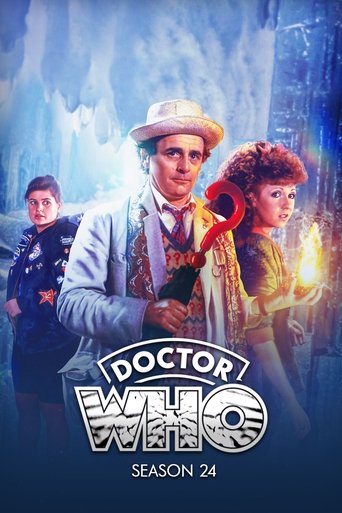 1987
1987 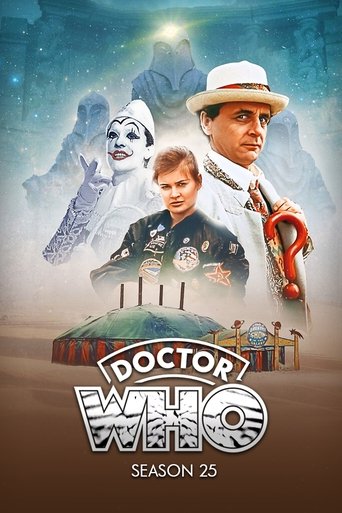 1988
1988 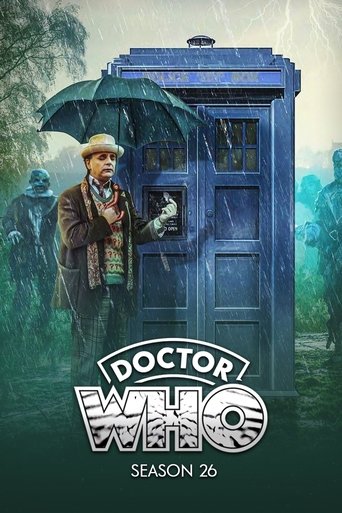 1989
1989 Ödüller
- Hugo Award for Best Dramatic Presentation, Short Form 2012
- Peabody Ödülü 2012
- Hugo Award for Best Dramatic Presentation, Short Form 2011
- Hugo Award for Best Dramatic Presentation, Short Form 2010
- Hugo Award for Best Dramatic Presentation, Short Form 2008
- Hugo Award for Best Dramatic Presentation, Short Form 2007
- British Academy Television Award for Best Drama Series 2006
- Hugo Award for Best Dramatic Presentation, Short Form 2006
- Saturn Award for Best Television Presentation 1996
15 adaylık
- Hugo Award for Best Dramatic Presentation, Short Form 2014
- Hugo Award for Best Dramatic Presentation, Short Form 2013
- Hugo Award for Best Dramatic Presentation, Short Form 2012
- British Academy Television Award for Best Actor 2011
- Hugo Award for Best Dramatic Presentation, Short Form 2011
- Hugo Award for Best Dramatic Presentation, Short Form 2010
- British Academy Television Award for Best Drama Series 2009
- Hugo Award for Best Dramatic Presentation, Short Form 2009
- Drama Televizyon Dizilerinde En İyi Erkek Oyuncu Satellite Ödülü 2008
- Hugo Award for Best Dramatic Presentation, Short Form 2008
- Hugo Award for Best Dramatic Presentation, Short Form 2007
- Nebula Award for Best Script 2007
- British Academy Television Award for Best Drama Series 2006
- Hugo Award for Best Dramatic Presentation, Short Form 2006
- Nebula Award for Best Script 2006
ByTv Değerlendirmesi
Gallery
Yorumlar
Henüz yorum yok. İlk yorumu siz yazın.
Recommended



Yazıda geçen yapımlar

Senin için seçelim
Türe göre süz, puana göre sırala ya da çarkı çevirip sürpriz öneri al.