
The Twilight Zone (1959)
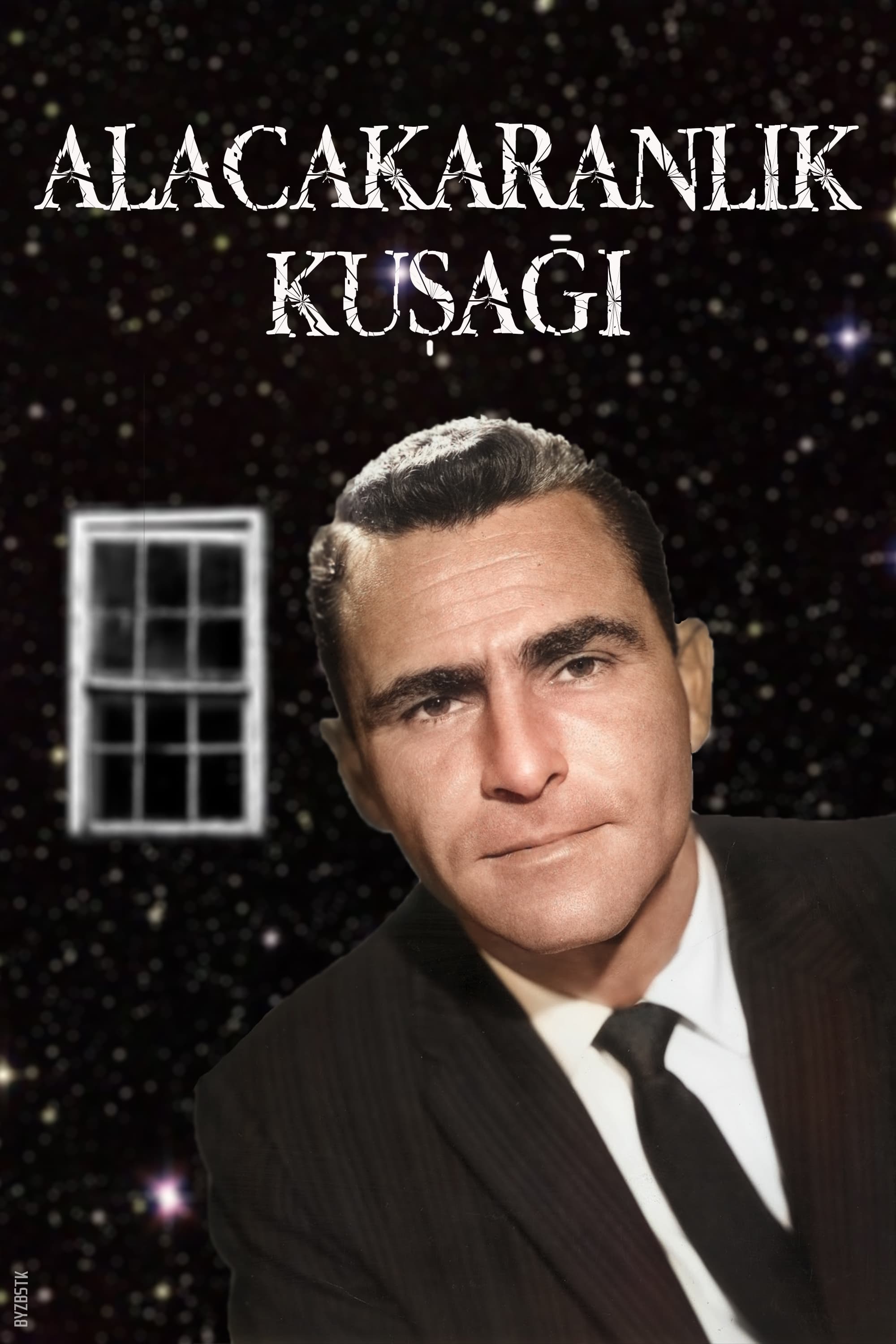
The Twilight Zone, the product of Rod Serling's creative genius, premiered on American television in 1959 as an anthology series that blends science fiction, fantasy, and suspense. Each episode tells an independent story, and this…
Overview
The Twilight Zone, the product of Rod Serling's creative genius, premiered on American television in 1959 as an anthology series that blends science fiction, fantasy, and suspense. Each episode tells an independent story, and this production fundamentally changed the television landscape of its time, becoming an inspiration for countless works produced in subsequent years. The series pulls viewers out of known reality and transports them to an unusual "in-between dimension," one that often exposes the darker or more ironic sides of human nature. Rod Serling's own voice narrating the opening and closing segments has become one of the show's most unforgettable signature elements.
The production explores the social atmosphere of its era—from the post-Korean War paranoia of the late 1950s to Cold War anxieties and the uncertainties brought on by technological progress—through allegorical stories. In a television industry where censorship rules were quite strict at the time, Serling used science fiction and fantasy elements as a shield, managing to address sensitive issues like racism, war, and McCarthyism in indirect ways. In this respect, the series is not just entertainment but also a valuable document containing social critique of its era.
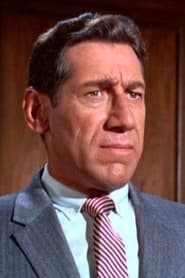
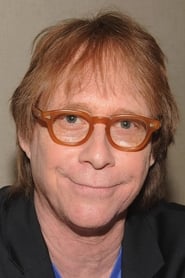
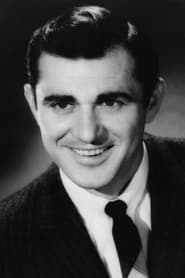
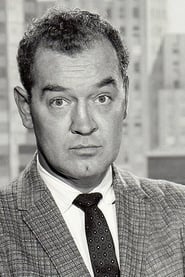
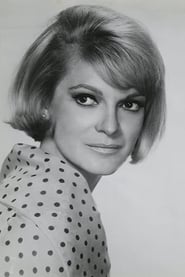
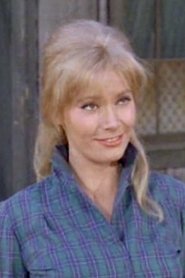
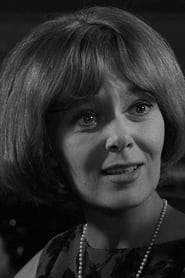
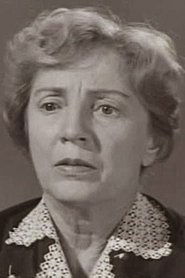
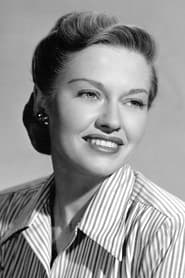
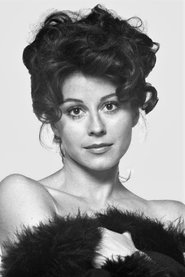
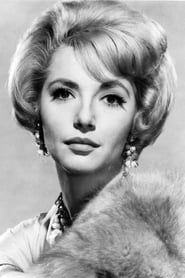
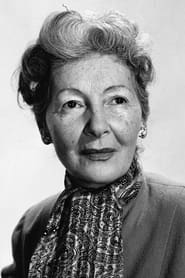
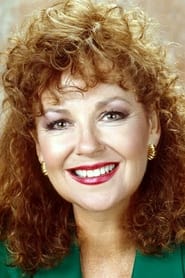
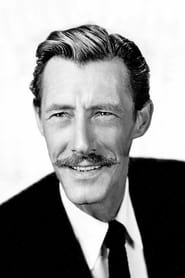
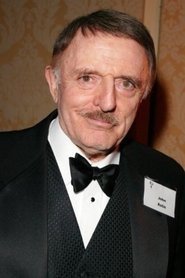
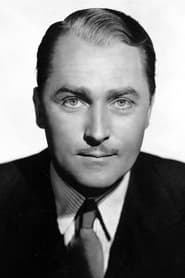
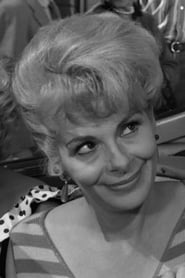
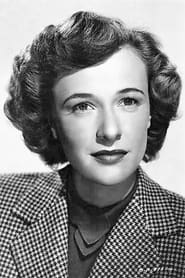
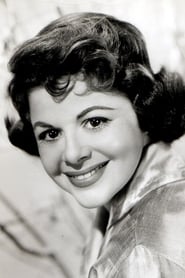
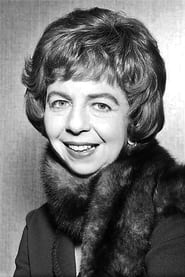
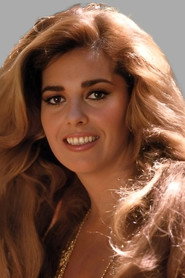
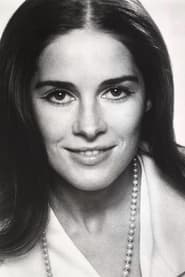
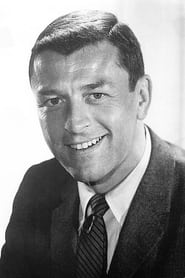
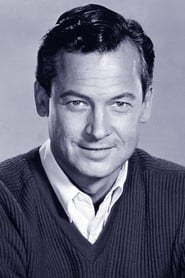
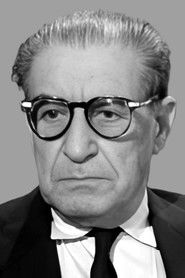
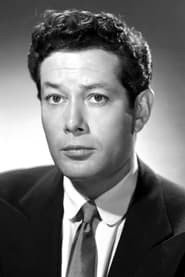
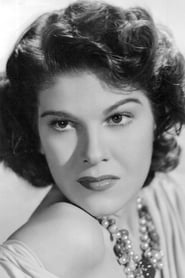
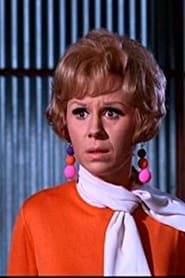
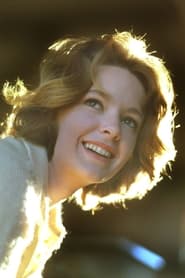
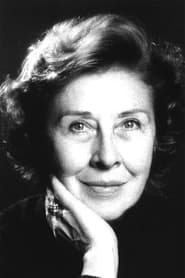
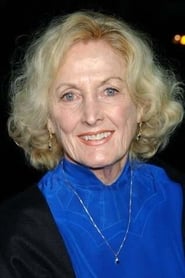
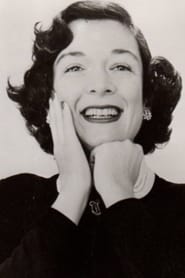
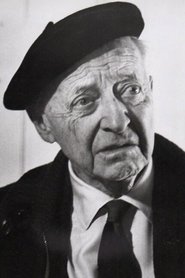
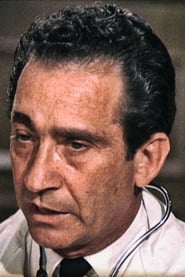
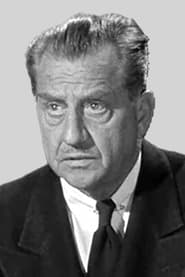
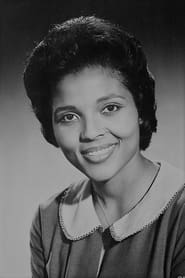
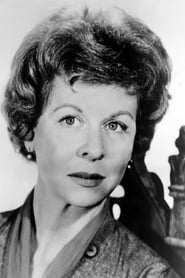
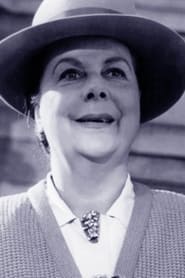
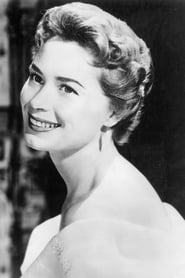
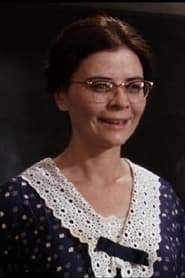
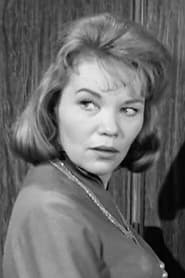
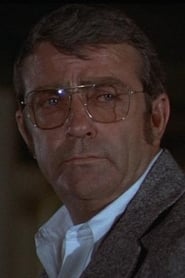
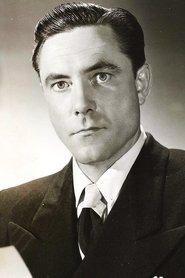
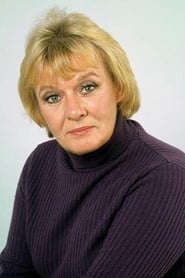
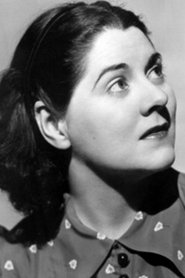
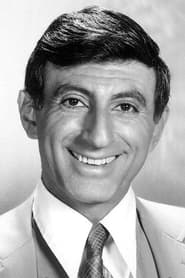
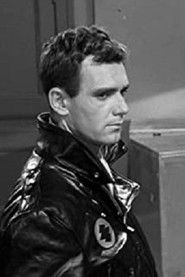
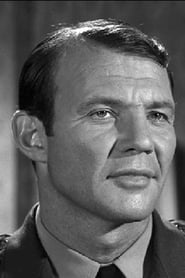
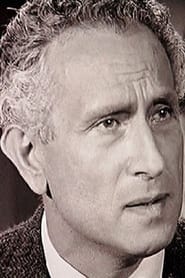
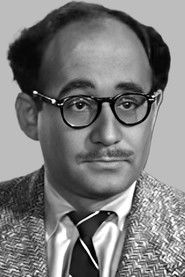
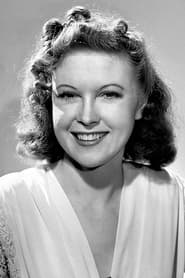
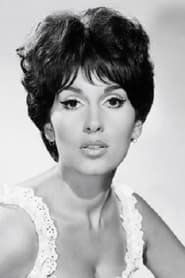
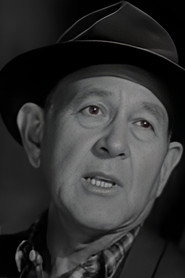
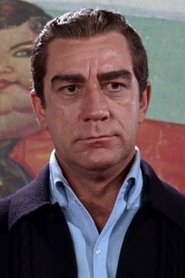
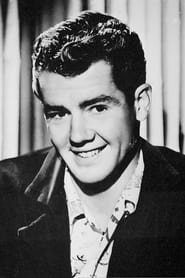
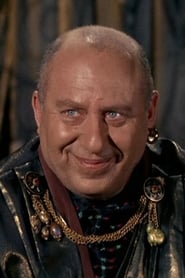
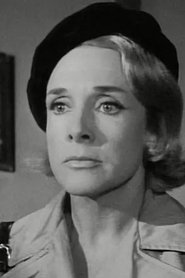
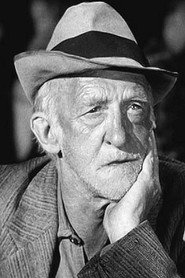
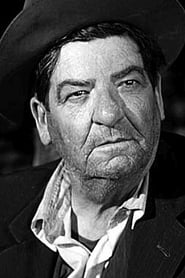
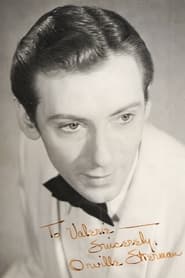
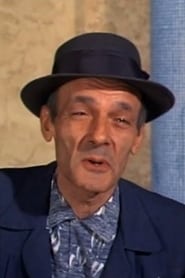
Mitzi McCall, mentioned in the notes, is one of the actors who appeared in small roles across various episodes of the series, and she is part of the vast ensemble of performers that populated classic-era American television. Such supporting characters are concrete examples of the show's philosophy of presenting new faces and new stories in every episode.
Plot
The most distinctive feature of The Twilight Zone is that it doesn't have a classic "plot," because each episode presents its own independent story. Thanks to this anthology structure, the series ranges widely across science fiction, horror, drama, and dark comedy. In one episode, we watch a tense story themed around alien invasion; in another, we see a time-traveling character confronting their past; and in yet another, we witness an ordinary person's everyday life suddenly turning surreal.
The common thread is that each episode typically ends with an unexpected "twist" or an ironic conclusion. Characters often fall victim to their own choices, prejudices, or fears. Rod Serling's narrating voice guides the viewer toward the moral or philosophical layer of the story, and the endings usually leave behind a striking message. This structure allows viewers to experience each episode as an independent experience; even if you miss one episode, you can still continue following the series as a whole.
Why Should You Watch It?
The Twilight Zone is considered one of the turning points in television history and has laid the foundation for many productions that still carry its influence today. Regarded as a direct ancestor of modern anthology series like Black Mirror, this production serves almost as a masterclass in how strong screenwriting should be done in a short-story format. Despite its limited runtime, each episode offers deep character analysis and startling final twists.
The fact that the series uses its science fiction elements not merely as visual spectacle but as a tool to question human nature and social issues is what makes it timeless. Themes such as the fear of nuclear war, xenophobia, conformism, and dependence on technology have not lost their relevance from the time of broadcast to today. Moreover, despite the limited visual effects technology of the era, the mastery shown in creating atmosphere and building tension offers viewers a lesson in "less but effective" storytelling that modern productions sometimes miss.
For those curious about classic Hollywood and television history, this series also offers the chance to witness the early career stages of the era's star actors. Rod Serling's literarily and philosophically rich scripts show that the series is not simply a "horror" or "science fiction" production, but also a powerful commentary on the human condition.
Who Is It Suitable For?
The Twilight Zone is ideal especially for viewers who love the anthology format and enjoy discovering a new story and a new surprise in every episode. Those interested in science fiction and fantasy genres, those curious about classic-era television productions, and those who want to explore the cornerstones of film history will greatly enjoy this series. It also offers a satisfying experience for viewers who value strong narrative structure and twist endings.
For viewers expecting fast-paced, constant action, the series' slower, dialogue-driven storytelling may pose an obstacle. However, for viewers open to philosophical inquiry, who appreciate character-driven stories, and who are accustomed to the era's black-and-white aesthetic, this series can turn into an addictive journey of discovery over time. It is also a reference-worthy resource for those seeking an education in classic film and television.
Pros and Cons
Pros:
1. The anthology structure, offering a different and original story in every episode, never bores the viewer.
2. Rod Serling's powerful screenwriting handles the social issues of the era intelligently and in a timeless manner.
3. The surprising and memorable final twists are one of the series' strongest signature features.
Cons:
1. The pacing of some episodes may feel slow and heavy for today's viewers.
2. The limited production technology of the era causes some visual effects to appear dated by today's standards.
Genre and Tone
The series masterfully blends science fiction, fantasy, suspense, and drama genres. Although the tone varies from episode to episode, an overall mysterious, thought-provoking atmosphere prevails, occasionally containing elements of dark comedy. Rod Serling's narrating voice guides the viewer, emphasizing the philosophical layers of the story. Visually, the black-and-white aesthetic offers a minimalist yet effective cinematography that reinforces the era's mood of suspense and mystery.
Runtime and Viewing Experience
Episodes generally range from 25 to 50 minutes, which makes the series easy to watch in bits and pieces. Thanks to the anthology format, viewers can personalize the experience by choosing episodes in any order or at random. Rather than requiring intense binge-watching, it offers a thought-provoking "break" experience that can be enjoyed from time to time. Since there's no obligation to follow a long-running story, it provides an ideal viewing experience that can be squeezed into everyday life.
Similar Productions
- Tales from the Crypt (1989)
- The Outer Limits (1963)
- Inside No. 9 (2014)
Final Assessment
The Twilight Zone, as one of the most influential and enduring productions in television history, has managed to preserve its freshness and impact despite the decades that have passed. Rod Serling's vision, blending science fiction and fantasy elements with social critique, sheds light on issues worth questioning not only in its own era but also today. The freedom offered by the anthology format allows you to experience each episode like a separate work of art. For fans of classic television, science fiction enthusiasts, and those who value rich storytelling, this is an essential watch—one of the indispensable classics of film and television history.
Details
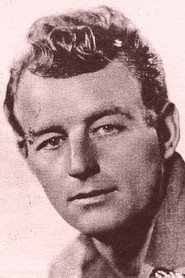
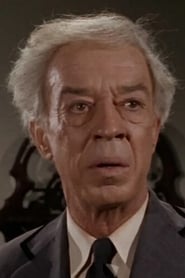
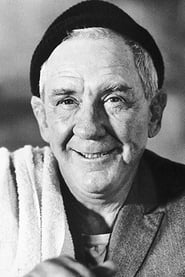
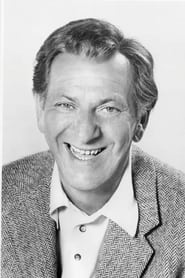
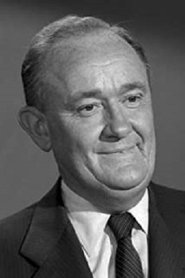
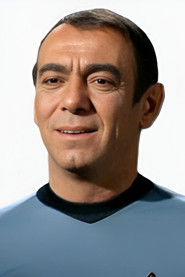
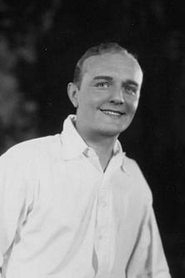
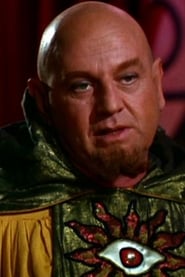
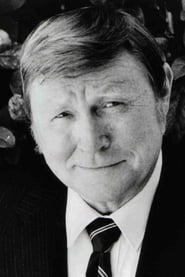
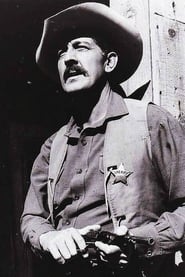
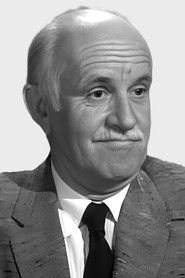
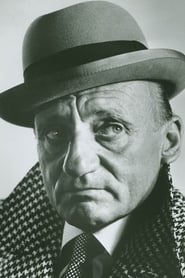
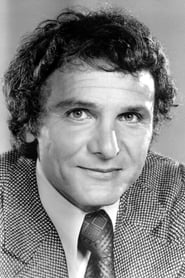
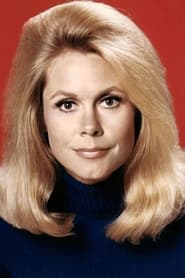
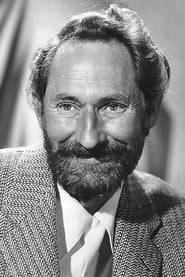
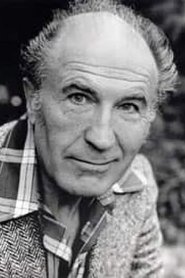
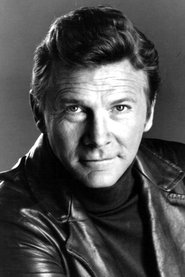
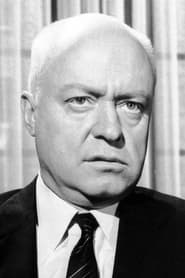
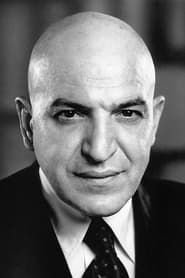
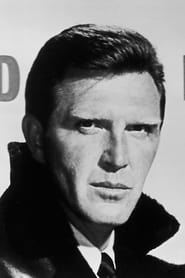
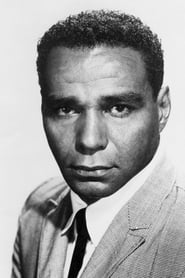
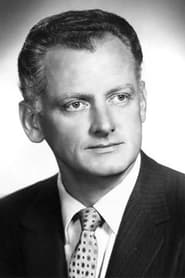
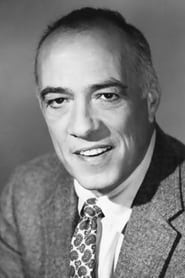
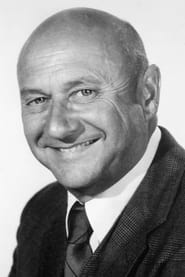
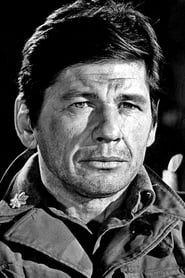
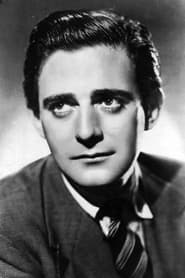
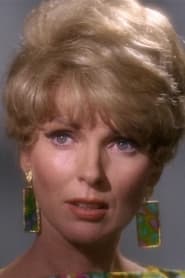
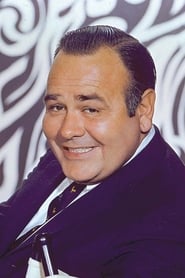
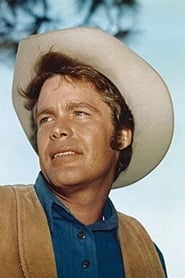
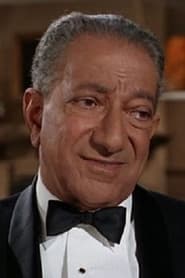
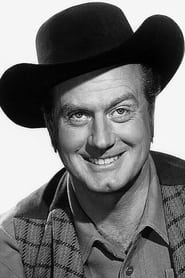
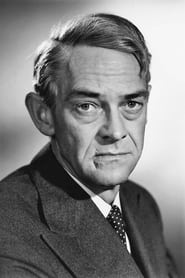
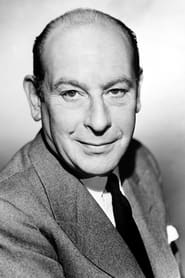
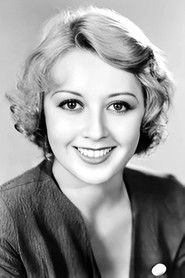
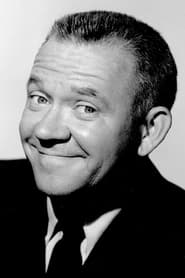
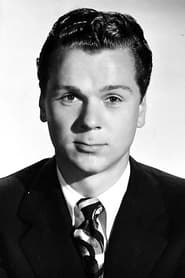
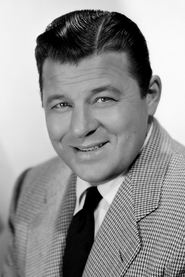
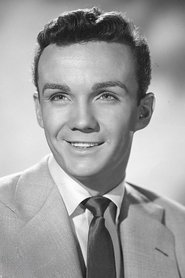
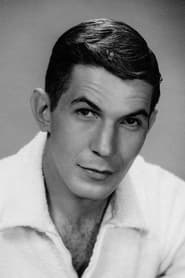
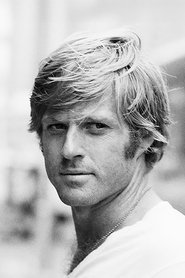
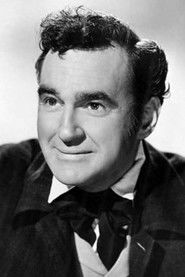
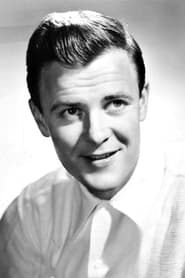
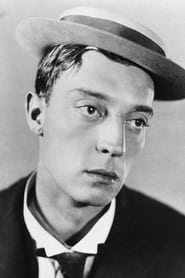
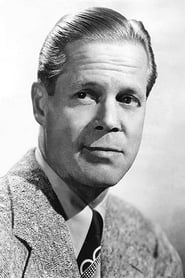
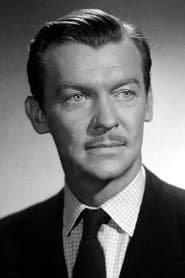
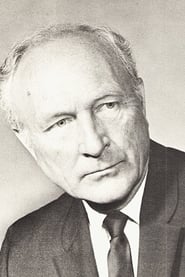
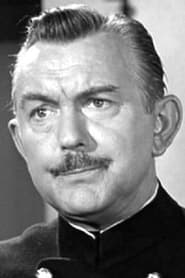
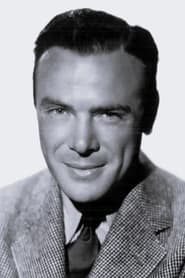
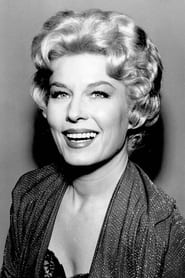
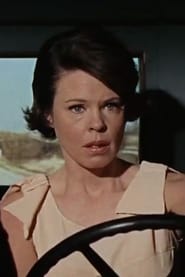
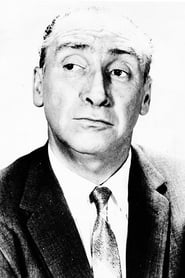
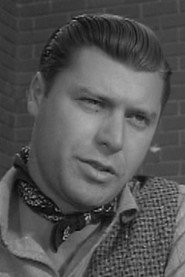
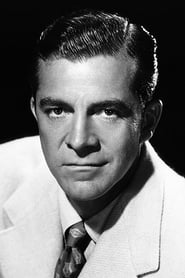
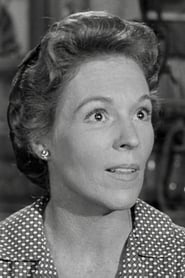
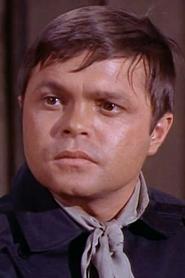
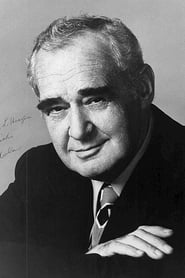
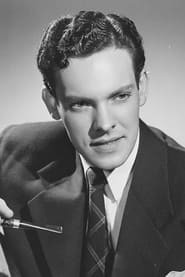
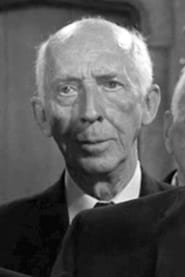
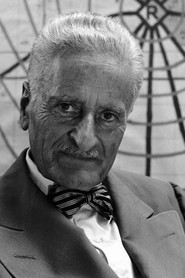
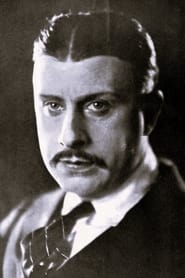
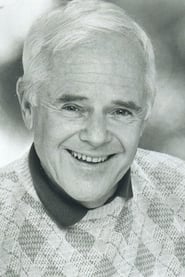
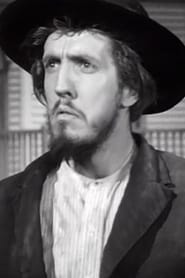
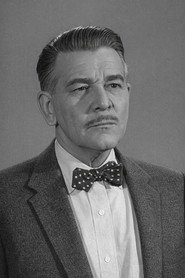
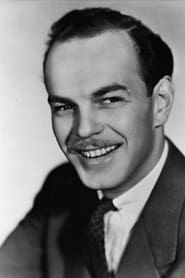
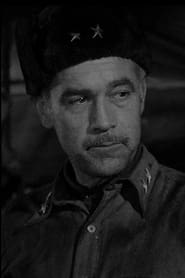
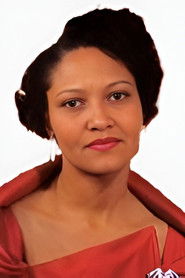
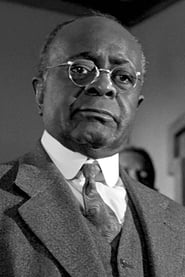
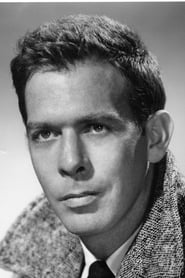
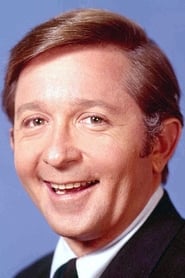
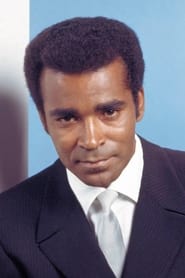
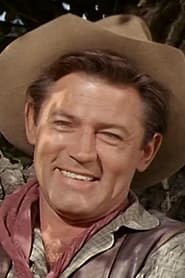
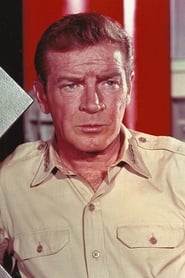
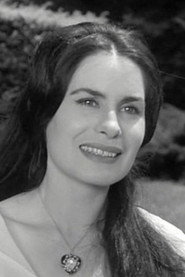
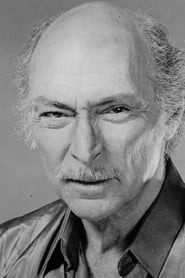
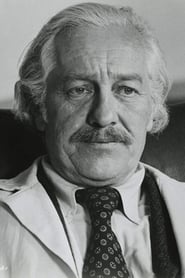
Cast (1010)

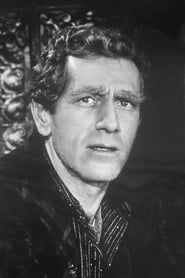
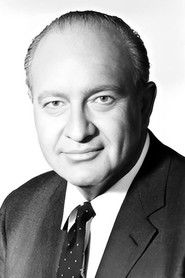
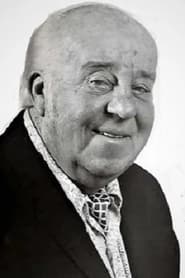
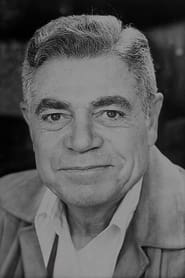

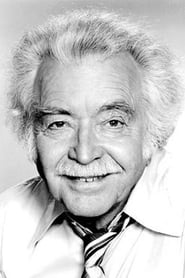
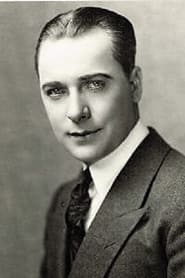
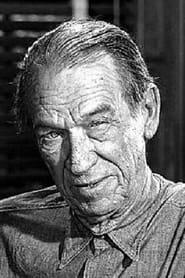
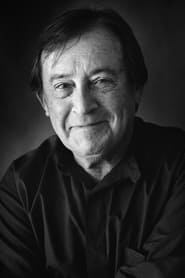

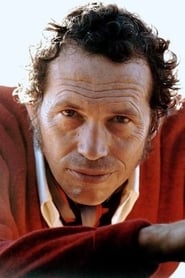
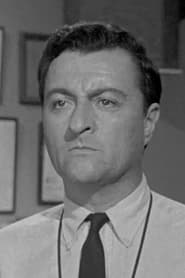
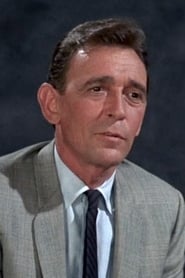
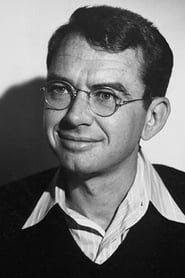
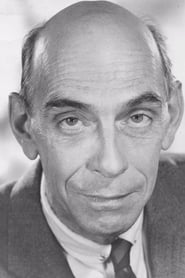
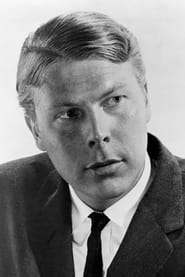
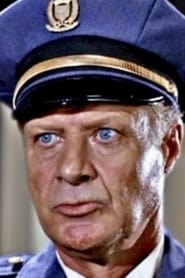
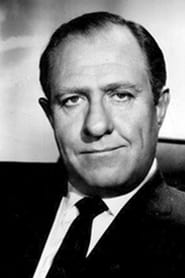
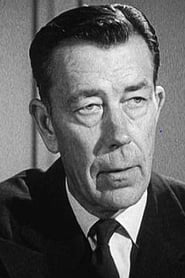
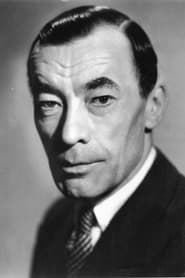
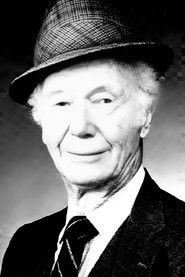
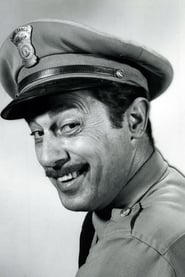
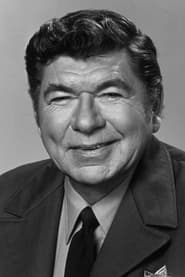
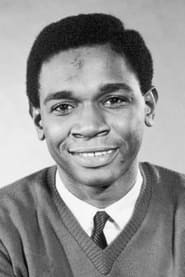
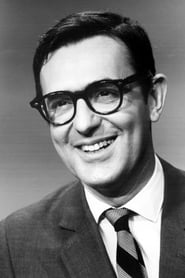
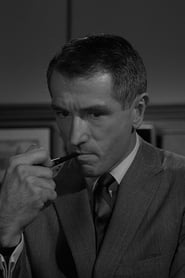
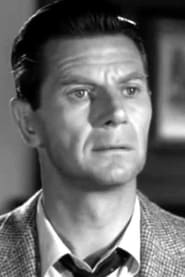
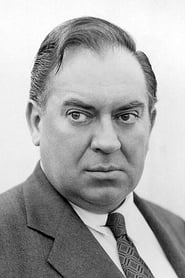
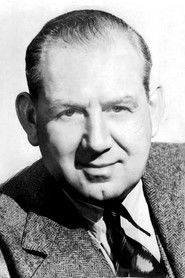
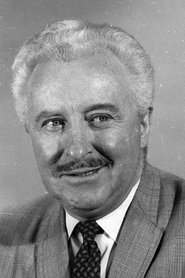




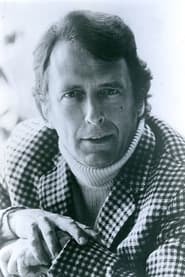
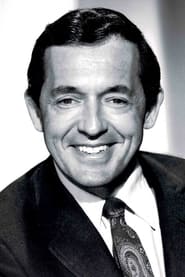
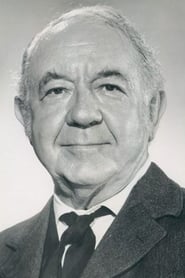
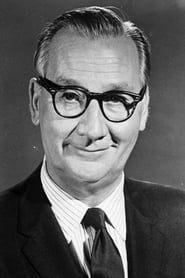
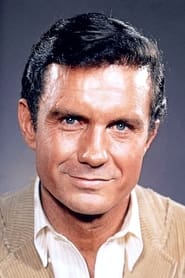
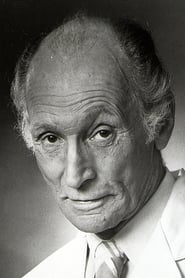
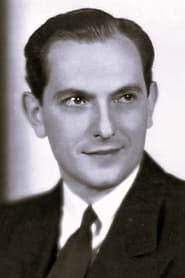

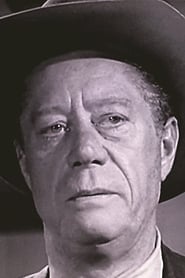









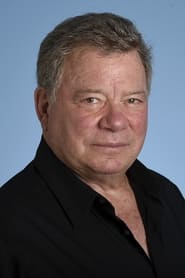
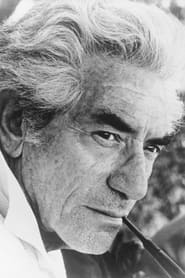
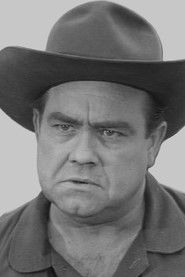

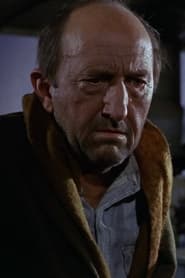
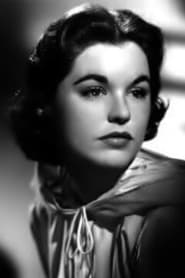
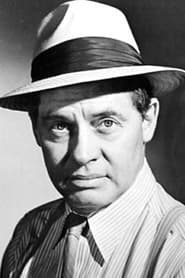
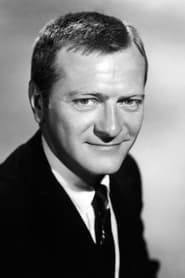

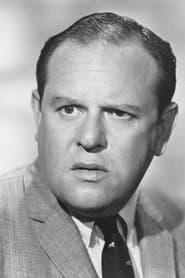
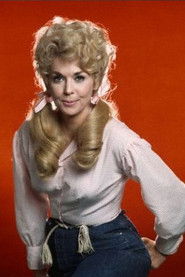

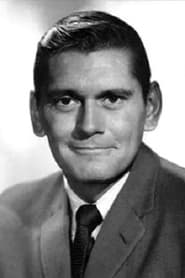
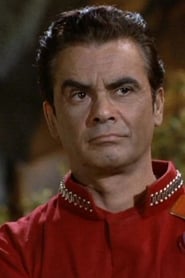
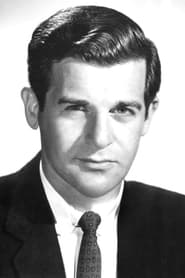


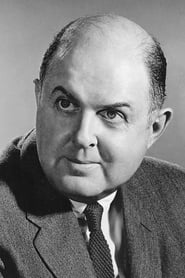
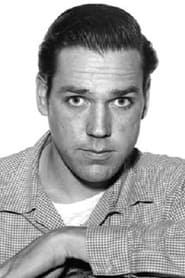
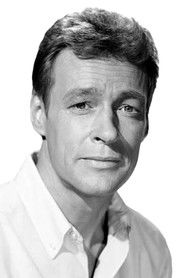
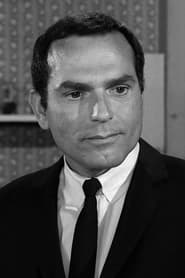
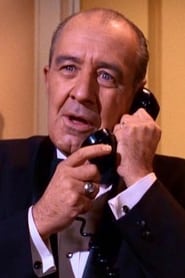
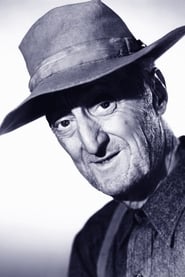
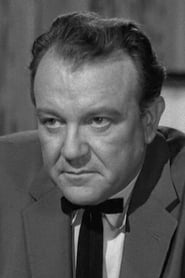

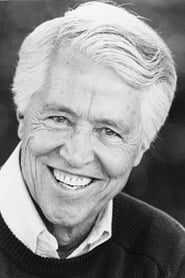









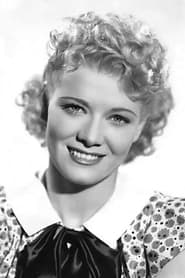


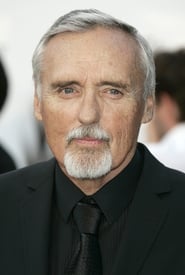
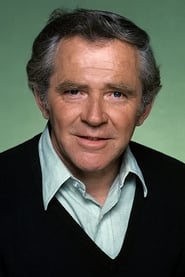
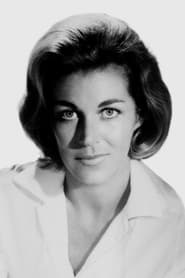







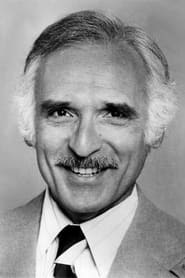
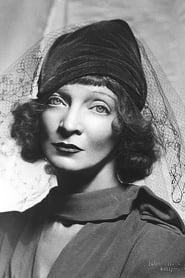
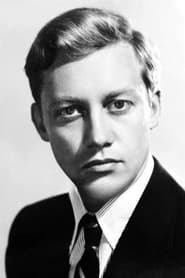
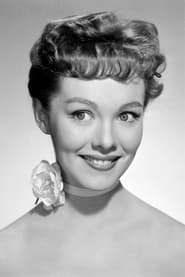
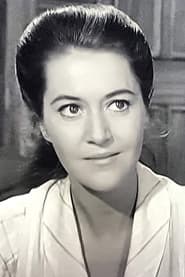
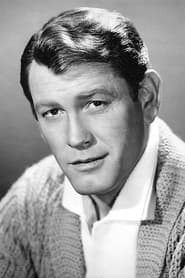

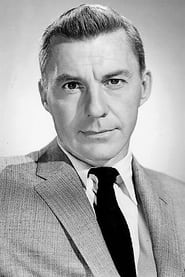
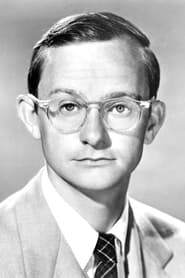
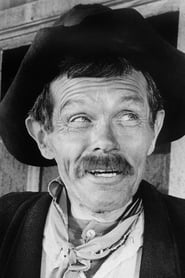
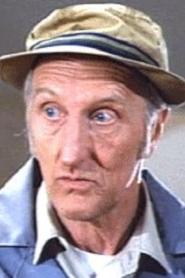
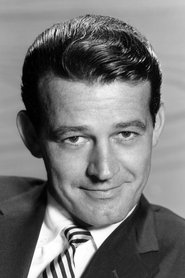
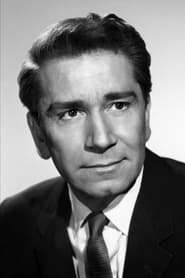


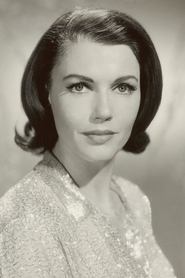
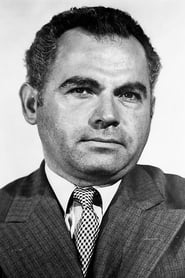

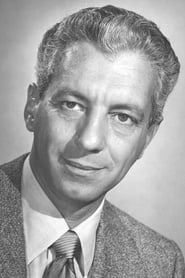
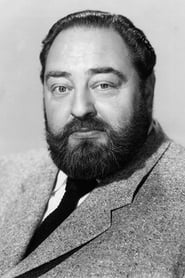









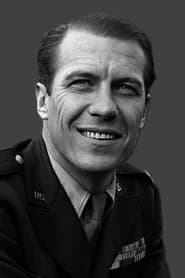


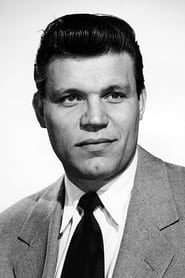
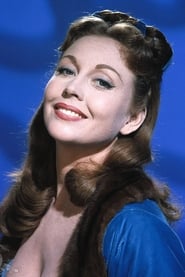
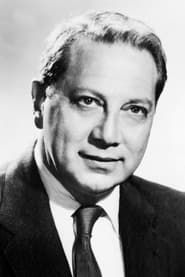




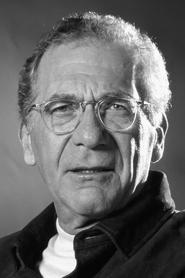
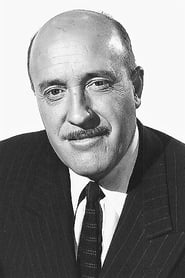
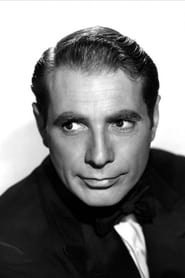

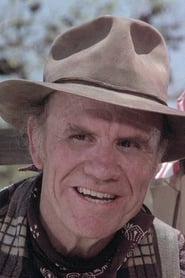







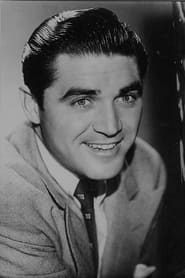
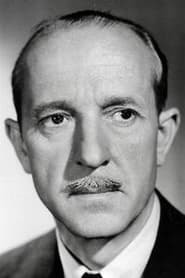
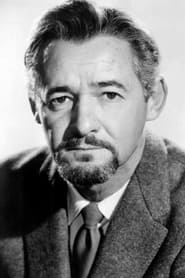
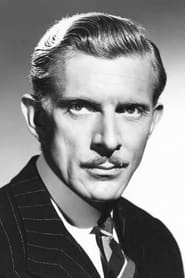
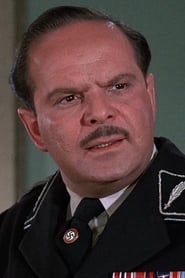
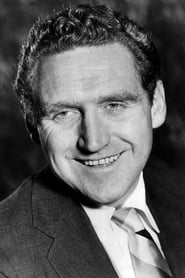
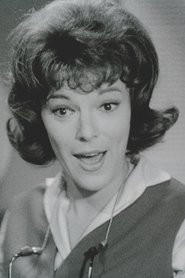
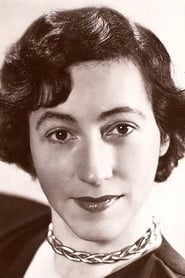
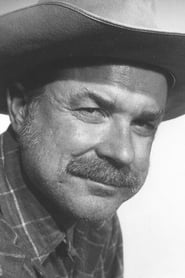
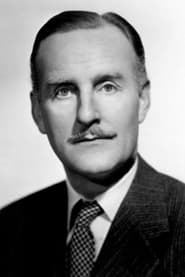
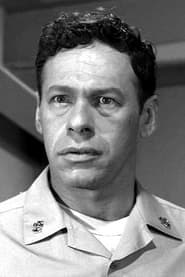

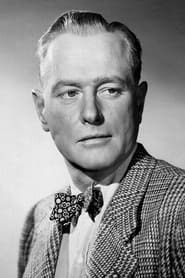

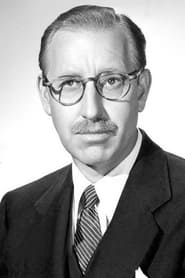
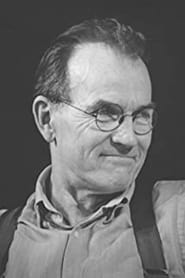
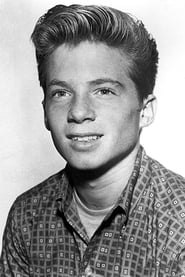

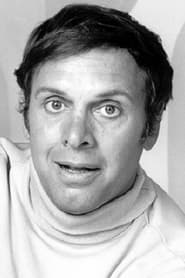











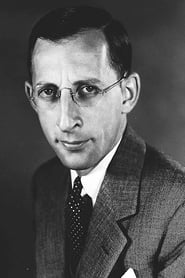



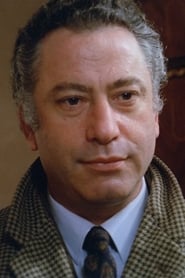


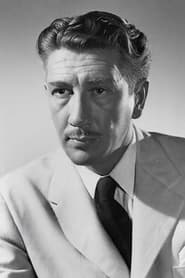
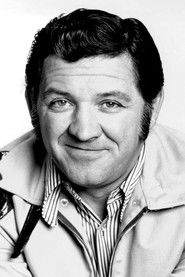




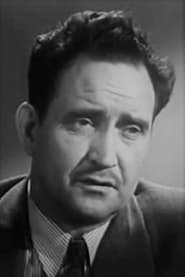

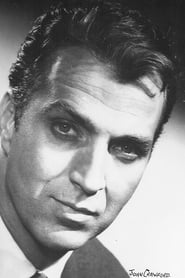
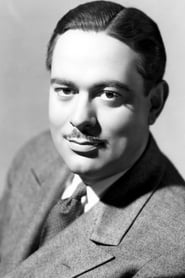

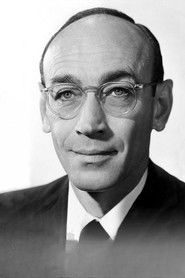

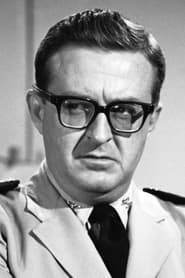
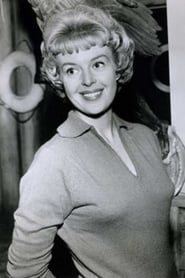


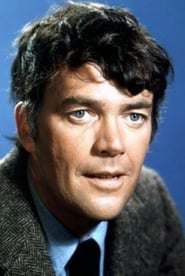
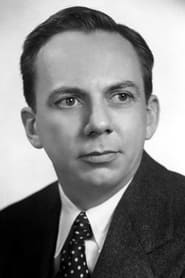

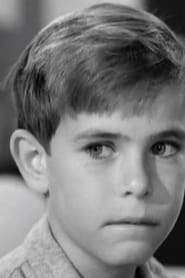
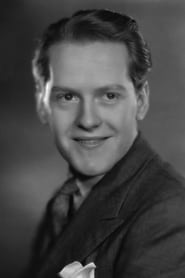



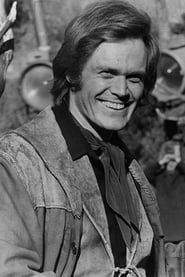
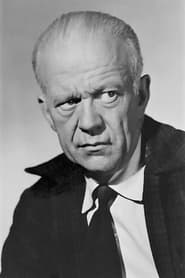

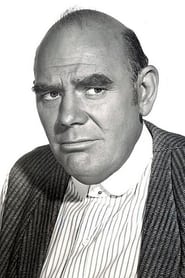
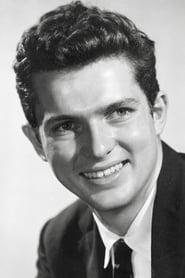
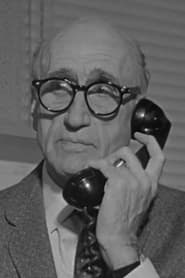

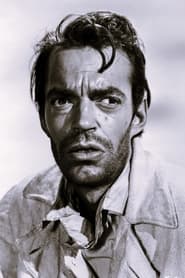
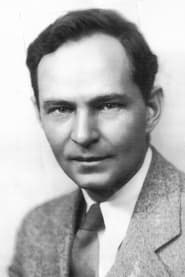
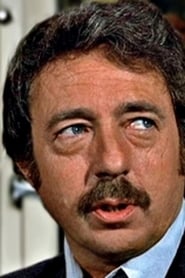
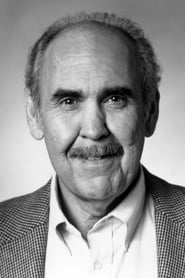








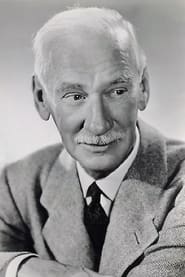
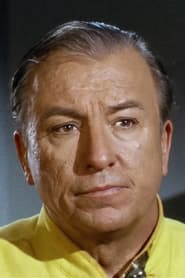
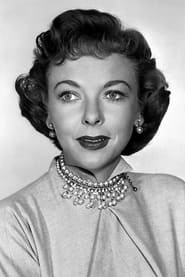
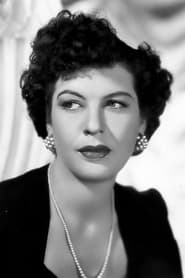
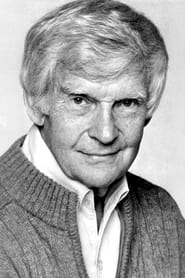
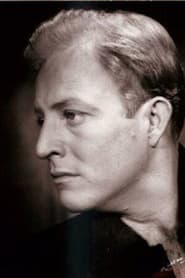
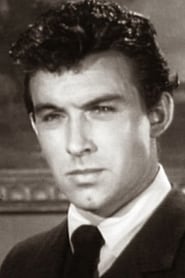
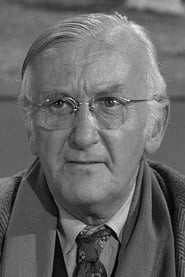









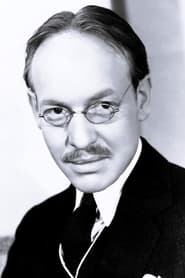

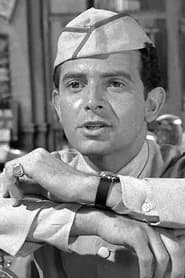
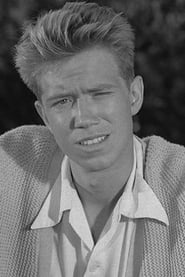
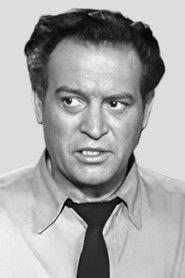
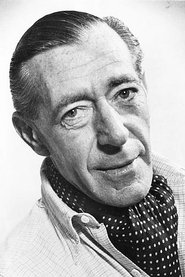

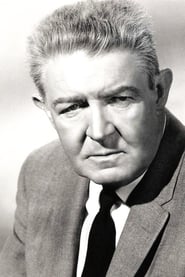
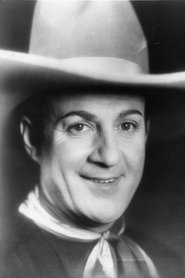

















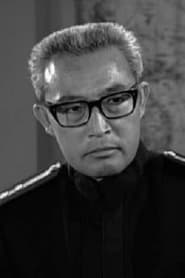
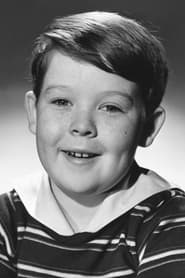
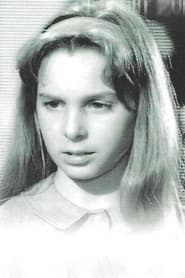
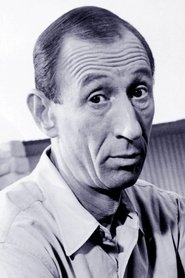





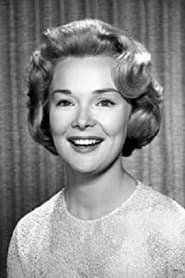

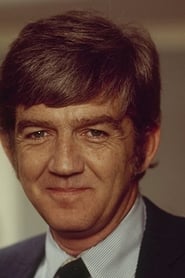
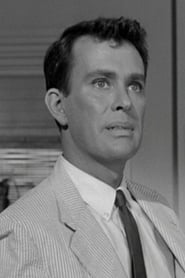
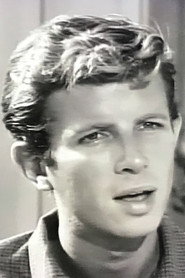
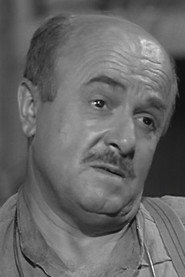
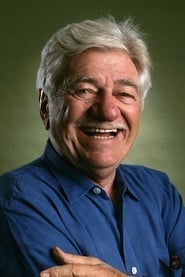
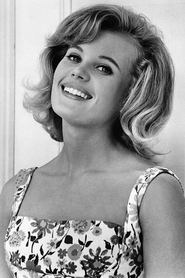
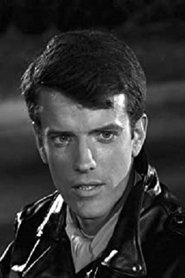






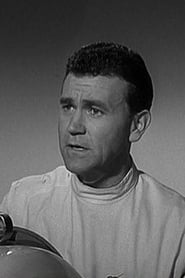
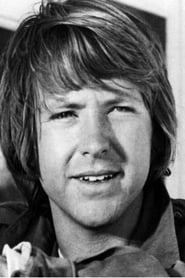
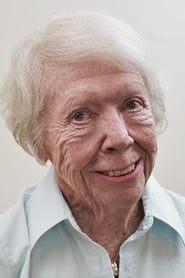
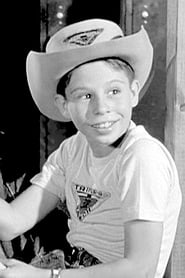
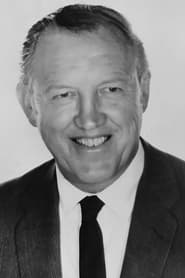
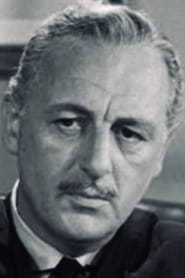
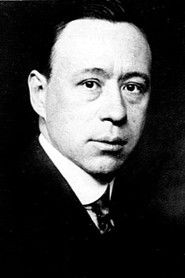


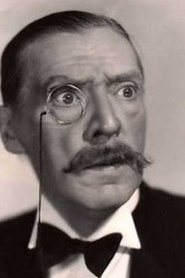





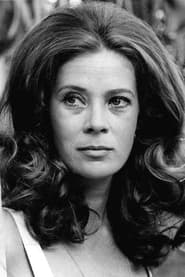
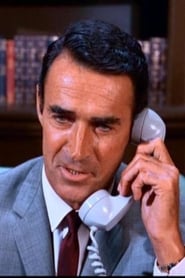
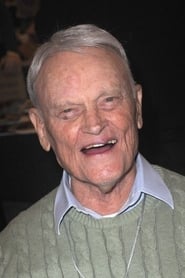
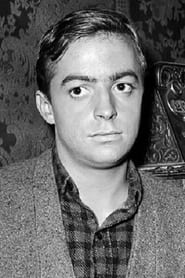


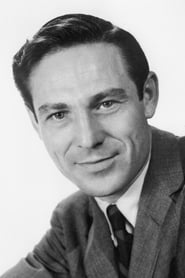
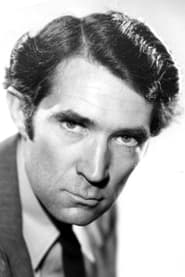
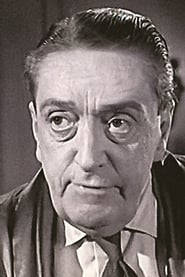
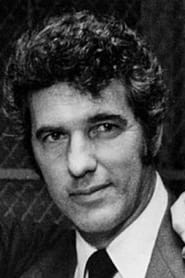


Sezonlar
Gelince haber ver 1959
1959  1960
1960  1961
1961  1963
1963  1963
1963 Ödüller
- En İyi Dramatik Sunum Hugo Ödülü 1962
- En İyi Dramatik Sunum Hugo Ödülü 1961
- En İyi Dramatik Sunum Hugo Ödülü 1960
1 adaylık
- En İyi Dramatik Sunum Hugo Ödülü 1963
ByTv Değerlendirmesi
Gallery
Yorumlar
Henüz yorum yok. İlk yorumu siz yazın.
Recommended


Yazıda geçen yapımlar
Senin için seçelim
Türe göre süz, puana göre sırala ya da çarkı çevirip sürpriz öneri al.