
The Spider Woman (1943)
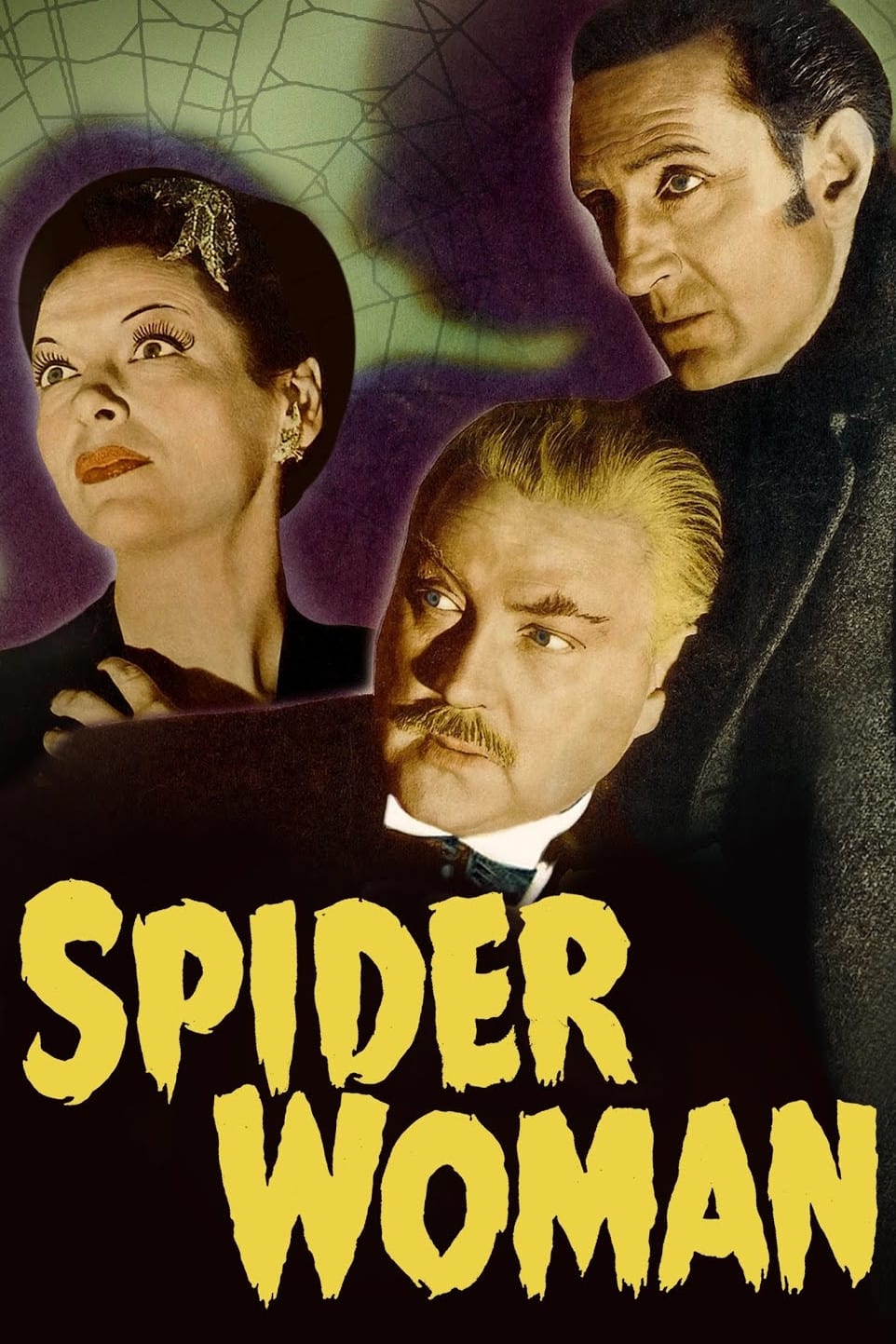
The Spider Woman stands out as one of the most enjoyable examples of classic detective cinema from 1943, an unforgettable entry in the Sherlock Holmes series. Directed by Roy William Neill, this production is considered one of the…
Overview
The Spider Woman stands out as one of the most enjoyable examples of classic detective cinema from 1943, an unforgettable entry in the Sherlock Holmes series. Directed by Roy William Neill, this production is considered one of the most atmospheric films in the long-running series in which the duo of Basil Rathbone and Nigel Bruce brought Holmes and Watson to life. At the center of the production is a mysterious and dangerous female figure, one of the strongest examples of femme fatale character writing of the era; this character forms the backbone of the film as a cunning and clever antagonist who brings fresh energy to classic detective stories.
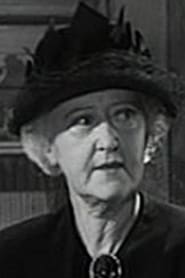
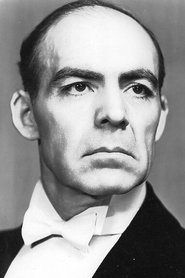
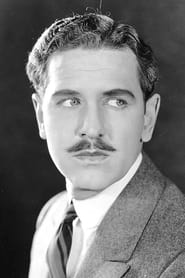
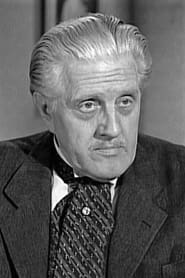
The film is a highly effective work in terms of atmosphere and tension, showcasing the quality of 1940s Hollywood B-movie production despite its short shooting schedule. The cast, which as the notes indicate includes Frank Benson, brings together British and American character actors of the era to offer a rich range of performances. Despite its short runtime, the film contains a dense plot, surprising twists, and a mystery atmosphere blended with classic Holmes wit.
Part of the Sherlock Holmes series produced by Universal Pictures during this period, The Spider Woman is built on an original screenplay inspired by Conan Doyle's original stories. This originality elevates the film beyond a mere adaptation, making it a mystery story with its own distinct identity.
Plot
The film follows Sherlock Holmes as he springs into action following a series of strange deaths in London, striving to uncover the truth behind these mysterious cases. The fact that all the victims died under similar, unexplained circumstances—incidents the police classify as "suicides"—drives Holmes to investigate, convinced that a much darker truth lies behind them.
The mysterious and intelligent woman who crosses Holmes's path during his investigation of this case is known by the nickname "the spider woman," which is also reflected in the film's title. The traps this character sets, the methods she employs, and the battle of wits between her and Holmes form the central element fueling the film's tension. Watson's usual role as a loyal and occasionally comical assistant serves as a counterbalance to the story's tension.
As the investigation progresses, it becomes clear that a highly cunningly planned criminal network lies behind the deaths. As Holmes battles this dangerous enemy, he puts his own life at risk; throughout the film, the audience witnesses the tense moments of a classic cat-and-mouse game. The screenplay skillfully combines the fast pace and surprising scenes characteristic of films of the era.
Why Should You Watch It?
The Spider Woman is a production from the golden age of classic detective cinema that remains watchable despite the passage of time. Basil Rathbone's portrayal of Holmes is considered one of the performances that best captures the character's coolness and intelligence. The film's short runtime offers a narrative that stays directly focused on the story, with no scene dragged out unnecessarily.
The female antagonist character, quite bold for its time, is an element that elevates the film beyond the standard mystery genre. This character's battle of wits with Holmes gives the audience a tension experience that goes beyond the standard "good triumphs" formula. Additionally, the film's visual atmosphere constructs a dark and mysterious world bearing traces of the film noir aesthetic of the period.
For Sherlock Holmes fans, this film offers the opportunity to discover one of the most iconic portrayals of the character in cinema history. It is also a valuable example for those curious about classic Hollywood productions, period costumes, dialogue writing, and the cinematographic approach specific to that era.
Who Is It Suitable For?
This film is ideal for viewers interested in classic detective stories and the mystery/crime genre. It is a perfect starting point for those who want to get to know the Sherlock Holmes canon, especially those wishing to explore the adaptations from the Basil Rathbone era. Viewers familiar with or curious about classic black-and-white cinema will enjoy the film's atmosphere and narrative style.
For viewers accustomed to fast-paced, action-packed modern mystery films, the movie may feel a bit slow and plain. However, for viewers who appreciate the subtleties of period cinema and value dialogue-driven storytelling and character depth, this production will be quite satisfying. It is also a must-see for cinema history enthusiasts and those who enjoy exploring classic film archives.
Pros and Cons
Pros:
1. Basil Rathbone's iconic performance as Holmes lends power to the film as one of the most memorable interpretations of the character.
2. The mysterious female antagonist offers a remarkably original and compelling counter-character compared to films of the period.
3. Thanks to its concise, economical storytelling, the film maintains tension throughout without ever boring the viewer.
Cons:
1. For modern audiences, the visual effects and production quality may reflect the limitations of the era.
2. Some plot twists may be found predictable compared to today's mystery storytelling.
Genre and Tone
While The Spider Woman carries the typical characteristics of the classic crime-mystery genre, it is supported by a layer of light tension and gothic atmosphere. Its dark visual language, close to film noir, reinforces the mysterious nature of the story. Tonally, the film maintains a serious and tense course, while the presence of Watson's character occasionally introduces light comedic elements.
This balance allows the film to move beyond being a heavy crime drama, transforming into a work that both entertains and intrigues the viewer. The era's classic narrative techniques, scene transitions, and use of music are elements that reinforce the film's overall atmosphere.
Runtime and Viewing Experience
In keeping with the classic B-movie format, the film wraps up in a fairly short runtime, making it an easily watchable production in a single sitting. Thanks to its brisk pace and direct storytelling, the viewer quickly becomes engaged in the story and doesn't lose focus throughout the tension.
The black-and-white image quality and period dialogue may offer a different experience for today's viewer; however, this difference is also part of the film's nostalgic charm. Thanks to its short length, the film offers an undemanding viewing experience that can easily be enjoyed at any time of day.Similar Works
- Sherlock Holmes and the Voice of Terror (1942)
- The Scarlet Claw (1944)
- The Pearl of Death (1944)
- Dressed to Kill (1946)
- The Woman in Green (1945)
- Sherlock Holmes Faces Death (1943)
Final Assessment
As one of the most memorable examples of classic Sherlock Holmes cinema, The Spider Woman more than deserves a place in the library of detective and mystery film lovers. With Basil Rathbone's masterful performance, a strong antagonist character, and gripping storytelling, the film offers a satisfying cinematic experience despite its short runtime.
For viewers who can overlook the limitations of period cinema, this production is a valuable work that is both entertaining and revealing of the subtleties of classic crime storytelling. It is definitely one of the must-see films for anyone wanting to explore the Sherlock Holmes universe.
Details
Cast (33)

















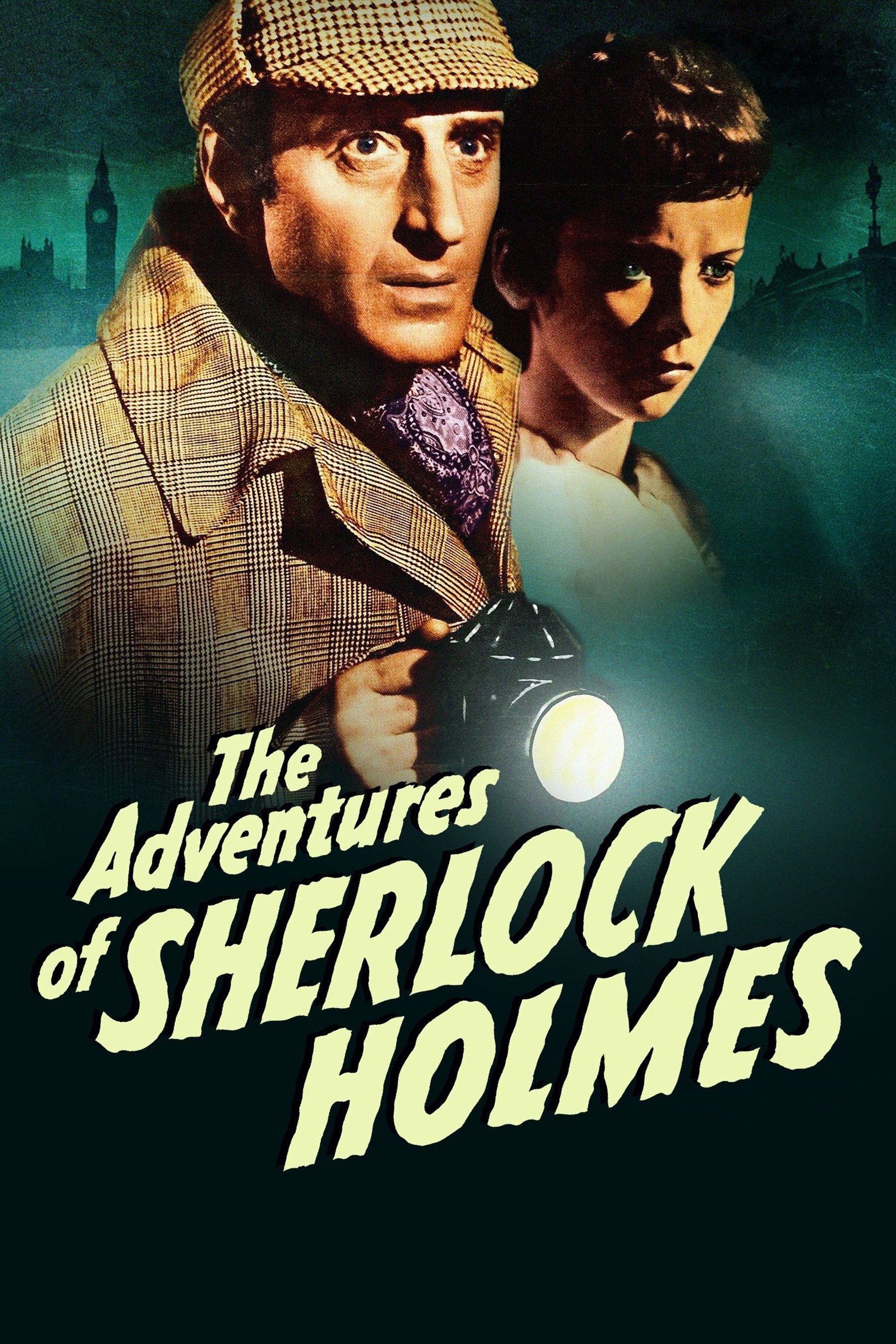
Sherlock Holmes (Basil Rathbone) Collection
ByTv Değerlendirmesi
Gallery
Yorumlar
Henüz yorum yok. İlk yorumu siz yazın.
Recommended







Senin için seçelim
Türe göre süz, puana göre sırala ya da çarkı çevirip sürpriz öneri al.