
The Adventures of Sherlock Holmes (1939)
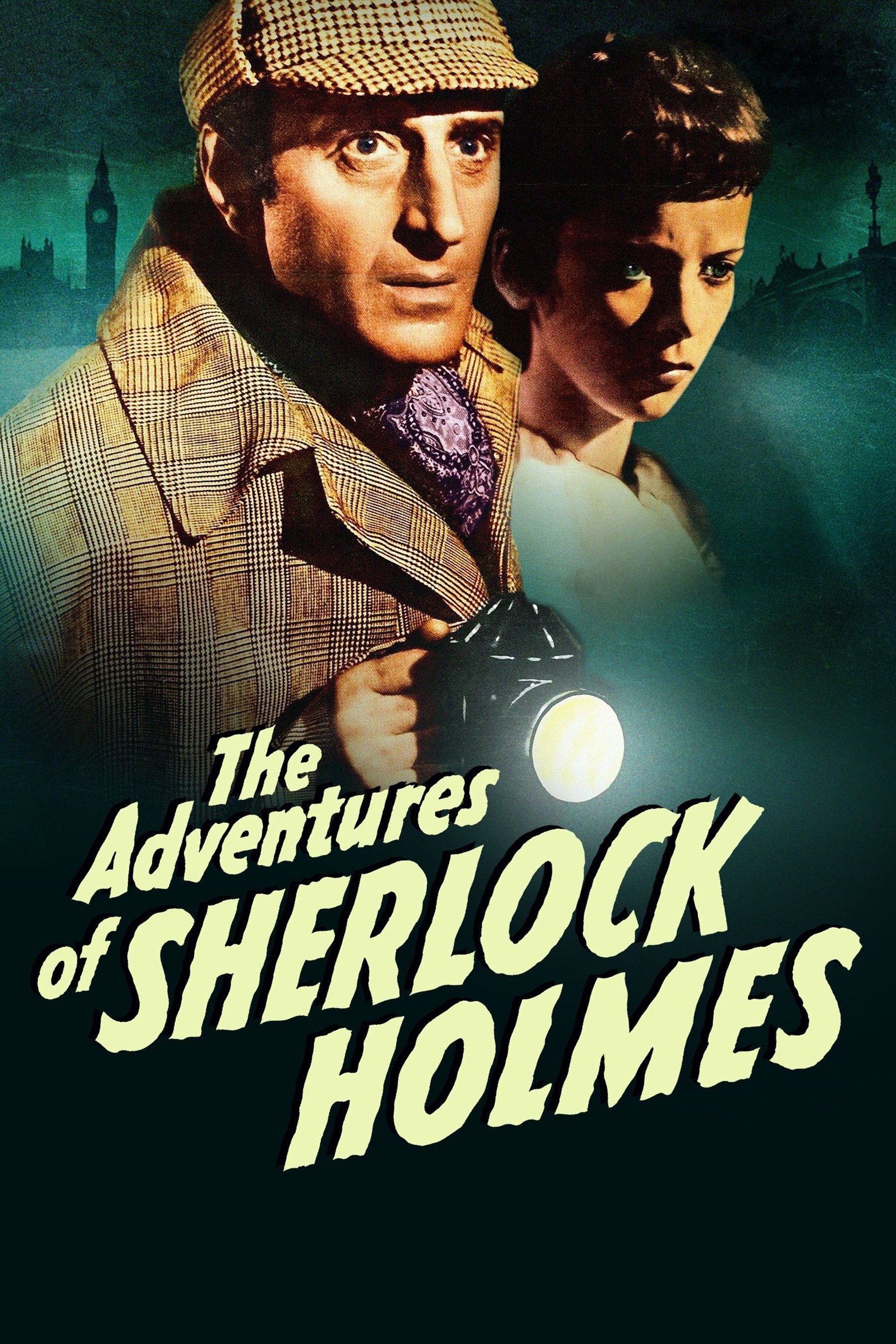
"The Adventures of Sherlock Holmes" is a black-and-white film from 1939, regarded as one of the most important cornerstones of classic detective cinema. As one of the productions that brought Sir Arthur Conan Doyle's immortal char…
Overview
"The Adventures of Sherlock Holmes" is a black-and-white film from 1939, regarded as one of the most important cornerstones of classic detective cinema. As one of the productions that brought Sir Arthur Conan Doyle's immortal character to life, this film—featuring Basil Rathbone as Sherlock Holmes and Nigel Bruce as Dr. Watson—is the second installment in the long-running series the duo launched in film history. Produced by 20th Century Fox, the film meticulously brings to the screen the foggy streets of Victorian London, the dim glow of gas lamps, and the characteristic atmosphere of the era.
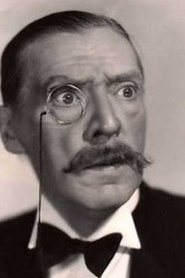
Considering the cinematic techniques of the time, the film boasts a remarkably ambitious production design. The studio sets, costumes, and overall art direction succeed in transporting the viewer to late 19th-century England. Among those who contributed to the production is Frank Benson, a respected figure in the theater and film world of the era; his involvement lent the film's acting approach a depth rooted in the classic English theatrical tradition.
Plot
The story centers on one of the most mysterious and dangerous cases of Sherlock Holmes's career. Holmes and his loyal friend Dr. Watson find themselves facing a dark conspiracy, behind which lies a brilliant and ruthless criminal mastermind—Holmes's greatest rival. Throughout the film, the viewer follows Holmes's sharp powers of observation, his reasoning abilities, and a mental game of chess filled with dangerous maneuvers.
As events unfold, mysterious threats, coded messages, and unexpected twists are woven into the story. Holmes's rivalry with his adversary is presented not merely as a physical struggle but as a battle of intellectual supremacy. Watson's loyalty and occasionally naive approach contrast with Holmes's cool, analytical demeanor, adding both tension and, at times, gentle humor to the film. Without giving away spoilers, the suspense sustained throughout the film makes it one of the finest examples of classic detective storytelling.
Why Should You Watch It?
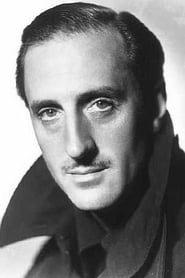
This film is a must-watch for offering one of the most iconic interpretations of the Sherlock Holmes character in film history. Basil Rathbone's performance became a reference point for how the character of Holmes should be portrayed for decades to come. With his piercing gaze, cool demeanor, and charismatic presence, Rathbone perfectly captures the character's intelligence and mystique.
The film is also a valuable example for those who want to see how the classic mystery/detective genre was built. The successful recreation of the period atmosphere, the use of music, and the construction of suspense are instructive in understanding how the foundations of today's mystery films were laid. For those curious about film history, this production serves both as entertainment and as a historical document.
Who Is It For?
This is an ideal choice for viewers interested in classic cinema, black-and-white productions, and detective stories. Sherlock Holmes fans, those who want to compare different interpretations of the character across eras, and those curious about the roots of the mystery genre will enjoy this film. It also offers a satisfying experience for film lovers who appreciate theater-rooted acting styles and period drama aesthetics.
For viewers expecting fast-paced, modern action sequences, the film may feel somewhat slow; however, for those who prefer atmosphere- and character-driven storytelling, this pacing will be seen not as a shortcoming but as an enriching quality.
Pros and Cons
Pros: 1. Basil Rathbone's unforgettable, iconic performance as Sherlock Holmes. 2. A successful and meticulous recreation of the period atmosphere. 3. The mental tension and intricate plotting between Holmes and his rival.
Cons: 1. The pacing may occasionally feel slow for contemporary audiences. 2. Due to the technical limitations of the era, some scenes may appear simple to modern eyes.
Genre and Tone
The film carries the typical characteristics of the classic mystery and detective genre. While suspense, intrigue, and battles of wit take center stage, occasional light humorous moments are sprinkled throughout the story. The overall tone blends a dark, mysterious atmosphere with a balanced structure that avoids becoming overly grim. The Victorian-era aesthetic directly shapes the film's visual and narrative tone.
Runtime and Viewing Experience
The film has a compact runtime in line with classic Hollywood standards, making it easy to watch comfortably in one sitting. While the black-and-white picture quality and period sound may offer a different experience for viewers accustomed to modern productions, the compelling nature of the story quickly makes one forget this difference. Scenes where quiet moments heighten the tension keep the viewer glued to the screen.
Similar Works
- The Hound of the Baskervilles (1939)
- Sherlock Holmes and the Voice of Terror (1942)
- The Private Life of Sherlock Holmes (1970)
- Sherlock Holmes (2009)
Final Assessment
"The Adventures of Sherlock Holmes" (1939) remains an essential example of classic detective cinema, well worth watching today. With the chemistry between Basil Rathbone and Nigel Bruce, the successful portrayal of the period atmosphere, and a suspense-filled screenplay, the film offers a satisfying experience for both film history enthusiasts and those who enjoy classic mystery stories. Although the pacing may occasionally feel slow, the depth of character and the intricacy of the plot more than make up for this minor shortcoming.
Details
Cast (37)



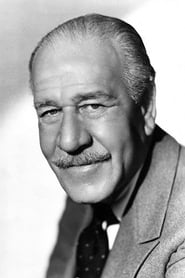


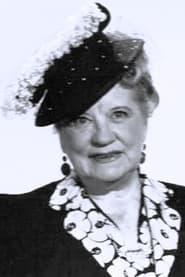


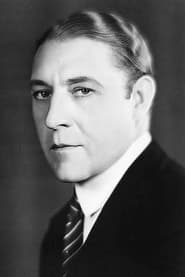
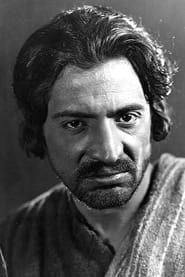



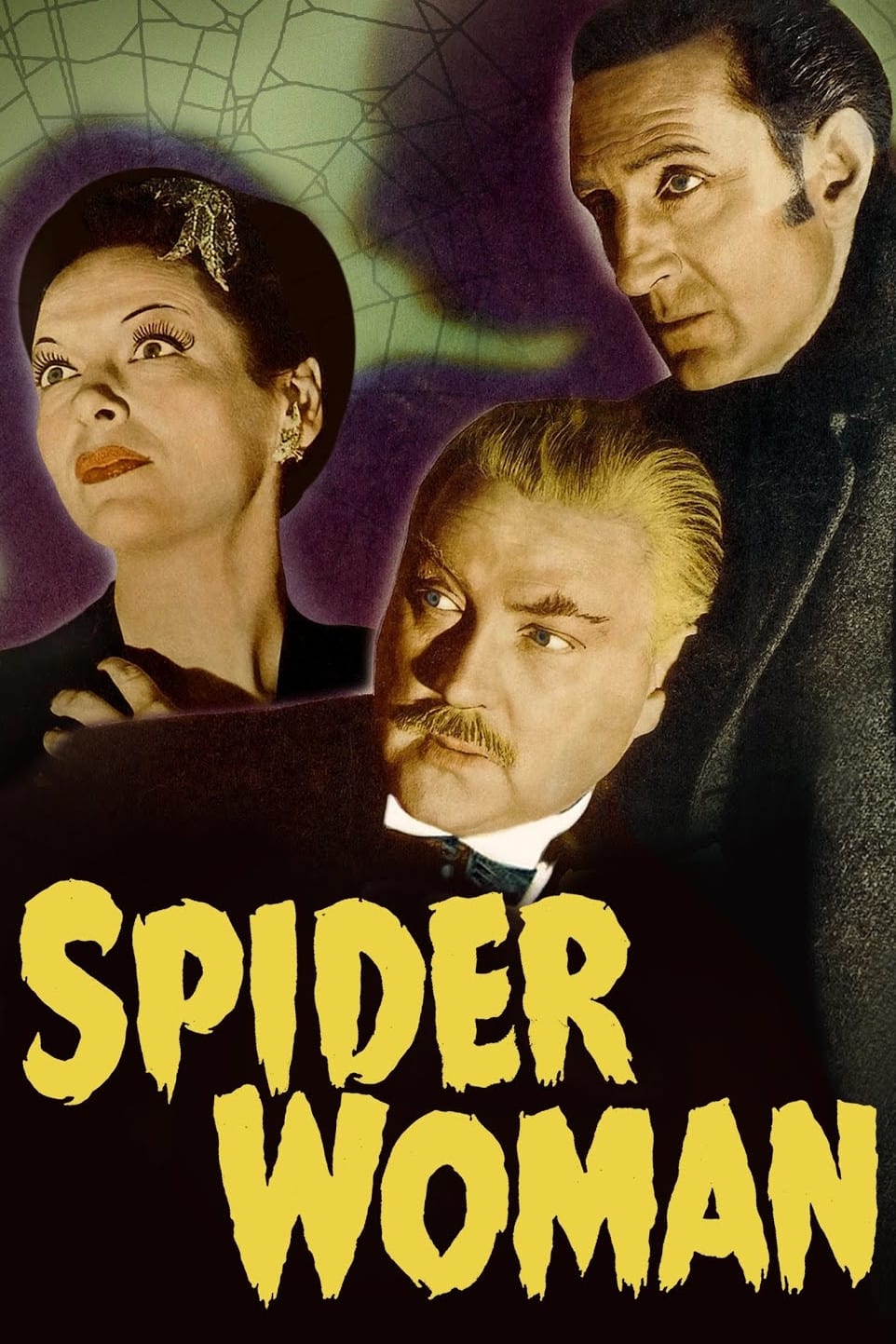
Sherlock Holmes (Basil Rathbone) Collection
ByTv Değerlendirmesi
Gallery
Yorumlar
Henüz yorum yok. İlk yorumu siz yazın.
Recommended






Yazıda geçen yapımlar
Senin için seçelim
Türe göre süz, puana göre sırala ya da çarkı çevirip sürpriz öneri al.