
In the Heat of the Night (1967)
Directed by Norman Jewison, "In the Heat of the Night" is a crime drama and social examination released in 1967, considered one of the turning points in American film history. The screenplay, adapted from John Ball's novel of the…
Overview
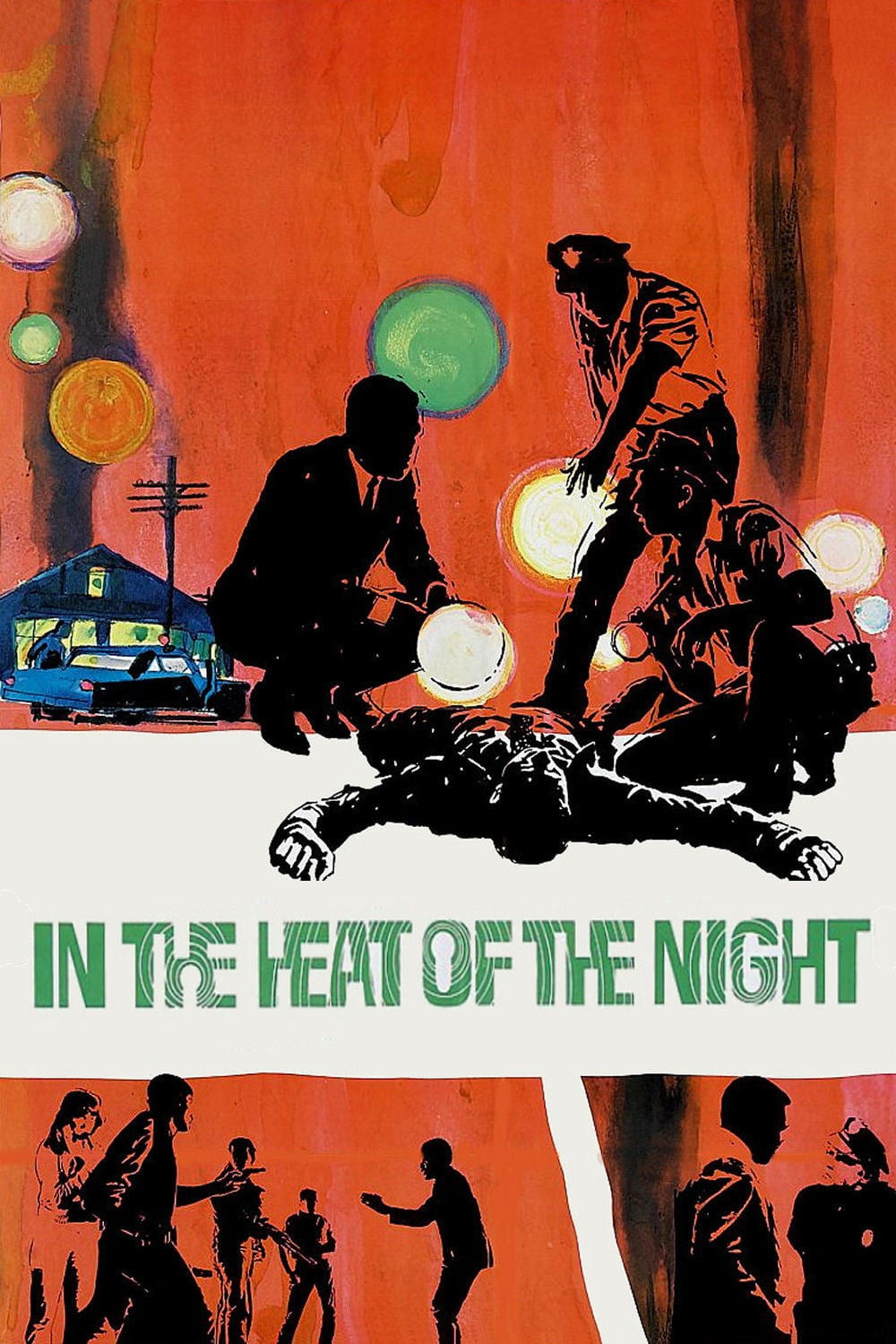
Directed by Norman Jewison, "In the Heat of the Night" is a crime drama and social examination released in 1967, considered one of the turning points in American film history. The screenplay, adapted from John Ball's novel of the same name, was written by Stirling Silliphant. The film offers a striking look at race relations of its time while also delivering a gripping detective plot.
Sidney Poitier's lead performance is one of the elements that placed the film far ahead of its era. Poitier, whose career marked a turning point for African-American actors in film history, creates yet another unforgettable character here. The tense and evolving dynamic he builds with the local sheriff character played by Rod Steiger forms the backbone of the film. The production won five Oscars at the 1968 Academy Awards, including Best Picture, becoming one of the most prestigious films of its era.
Shot in color in the middle of a period still dominated by black-and-white filmmaking, this film boldly tackles the racist structure, prejudices, and flaws in the justice system of the American South. Despite the years that have passed, the film's message and cinematic quality remain relevant today.
Plot
The story begins with a murder committed in a small Mississippi town. Virgil Tibbs, a Philadelphia police detective passing through the town by train, becomes a suspect and is arrested simply because he is Black. However, it soon becomes clear that he is in fact a respected homicide detective. Local sheriff Bill Gillespie is forced, reluctantly, to seek Tibbs's help.
The two men, filled with deep prejudices and mutual distrust, begin working together to solve the murder. The town's racist atmosphere, the hostile attitudes of the locals, and the constant obstacles the system throws in Tibbs's way turn the investigation into an arduous struggle. Throughout the film, tension builds both around the resolution of the murder case and around the understanding and respect that gradually develops between the two lead characters.
Why Watch It?
"In the Heat of the Night" offers an experience that goes far beyond being just a crime thriller. The film's greatest strength is how it handles social issues through a natural dramatic flow rather than didactic lecturing. The viewer feels the themes of racism and prejudice not like a textbook lesson, but through the real conflicts the characters experience.
Sidney Poitier's Virgil Tibbs is one of film history's pioneering portrayals of a strong, intelligent, and dignified African-American character. Poitier's controlled, sharp, and resolute performance ensures the character retains his dignity in every scene. Rod Steiger's transformation as Sheriff Gillespie is equally impressive; we witness a convincing character arc from his initially crude and prejudiced demeanor to the point he reaches by the film's end.
The film's atmospheric cinematography also perfectly captures the hot, suffocating feel of a Southern town. Quincy Jones's jazz-inflected score is a key element that heightens the tension. The detective plot is satisfying in its own right too; viewers get both a social message and a suspenseful investigative story.
Who Is It For?
This is an ideal choice for viewers interested in classic American cinema, particularly productions from the 1960s that boldly confront social issues. Those who follow Sidney Poitier's performances or are curious about acting history will see one of his most important roles in this film. Fans of crime and thriller genres will find a classically styled investigative story that still retains its impact today.
It also offers a rich viewing experience for those interested in social dramas and works addressing race relations. It's a reference-worthy work for anyone wanting to build knowledge of film history and Oscar-winning classics. Viewers expecting heavy action or a modern-paced thriller should be prepared for the film's slower, dialogue-driven structure.
Pros and Cons
Pros:
1. Extraordinary performances by Sidney Poitier and Rod Steiger, and the chemistry between their characters
2. The theme of racism handled within a powerful dramatic structure without being didactic
3. Atmospheric cinematography and Quincy Jones's unforgettable score
Cons:
1. Some scenes may feel slow-paced to today's viewers
2. Certain parts of the detective plot offer somewhat predictable developments
Genre and Tone
The film has a hybrid structure that combines crime drama and detective genres with social critique. Its tone is serious, tense, and at times unsettling; this unease stems from the weight of the subject matter and stands out as a deliberate choice. The dialogue is sharp and meaningful, and the power dynamics between characters shift constantly. The dramatic intensity is high, but the film also skillfully uses elements of action to keep the viewer engaged.
Runtime and Viewing Experience
The film runs approximately 110 minutes, a length fitting for classic-era standards—neither too long nor too short. The narrative has a brisk pace but still leaves room for reflection. Viewers need to stay focused on the film; since dialogue and character interactions are at the heart of the story, an attentive viewing experience will prove rewarding. It's a production best watched in one sitting, without interruption.
Similar Works
- "12 Angry Men" (1957) - Another classic dealing with themes of justice and prejudice
- "To Kill a Mockingbird" (1962) - A powerful drama addressing racism and justice
- "Guess Who's Coming to Dinner" (1967) - Another important film starring Sidney Poitier that examines race relations
- "Mississippi Burning" (1988) - A production centered on racism and a murder investigation in the American South
- "A Time to Kill" (1996) - A courtroom drama exploring themes of race and justice in the American South
- "Fried Green Tomatoes" (1991) - Another classic dealing with Southern culture and social issues
Final Verdict
"In the Heat of the Night" is one of those rare productions made with a boldness far ahead of its time, one that both entertains and provokes thought. Sidney Poitier's performance remains one of the most enduring roles in film history. The dynamic he builds with Rod Steiger forms the film's greatest strength, and the characters' transformations are handled with real authenticity.
Skillfully blending detective plotting with social messaging, this film is a must-watch for both classic cinema enthusiasts and fans of socially themed works. More than fifty years after its release, the issues it addresses and the lesson in humanity it offers remain as relevant as ever. As one of the classics of film history, it deserves a place on every viewer's list.
Where to Watch


Details
Cast (31)














Ödüller
- En İyi Erkek Oyuncu Akademi Ödülü 1968
- En İyi Film Akademi Ödülü 1968
- En İyi Film Kurgusu Akademi Ödülü 1968
- En İyi Ses Miksajı Akademi Ödülü 1968
- En İyi Uyarlama Senaryo Akademi Ödülü 1968
7 adaylık
- En İyi Erkek Oyuncu Akademi Ödülü 1968
- En İyi Film Akademi Ödülü 1968
- En İyi Film Kurgusu Akademi Ödülü 1968
- En İyi Ses Kurgusu Akademi Ödülü 1968
- En İyi Ses Miksajı Akademi Ödülü 1968
- En İyi Uyarlama Senaryo Akademi Ödülü 1968
- En İyi Yönetmen Akademi Ödülü 1968
ByTv Değerlendirmesi
Gallery
Yorumlar
Henüz yorum yok. İlk yorumu siz yazın.
Recommended







Senin için seçelim
Türe göre süz, puana göre sırala ya da çarkı çevirip sürpriz öneri al.