
The Cook, the Thief, His Wife & Her Lover
The Cook, the Thief, His Wife & Her Lover (1989) Overview Directed by Peter Greenaway, "The Cook, the Thief, His Wife & Her Lover" is regarded as one of the boldest and most visually striking productions in film history. Released…

The Cook, the Thief, His Wife & Her Lover (1989)
Overview
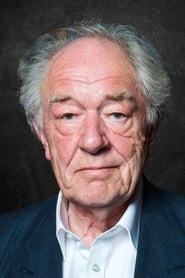
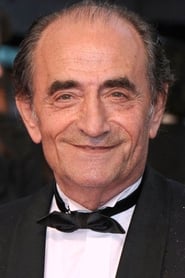
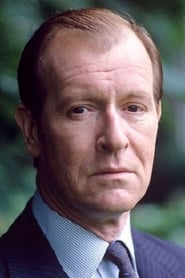
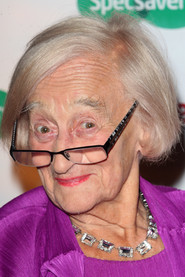
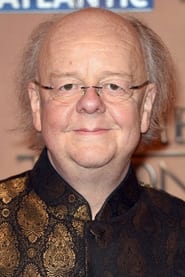
Directed by Peter Greenaway, "The Cook, the Thief, His Wife & Her Lover" is regarded as one of the boldest and most visually striking productions in film history. Released in 1989, the film quickly gathered both praise and harsh criticism, standing as a masterpiece that has divided audiences. Alongside a powerful cast including Michael Gambon, Helen Mirren, Alan Howard, and Tim Roth, the production also features British character actor Gary Olsen, and draws attention with its set design and color palette, composed almost like a theatrical stage.
The film presents an allegorical narrative revolving around a luxurious restaurant, exploring themes of power, violence, desire, and revenge. Greenaway's directorial vision creates an experience quite different from classical narrative cinema. Every scene is meticulously composed like a painting, with costume and set design reinforced by color coding. In this respect, the film not only tells a story but also pushes the boundaries between visual art and cinema.
Plot
The story takes place in a luxurious restaurant run by Albert Spica, a crude, violent, and ruthless crime boss. Spica is a controlling and dangerous figure who constantly humiliates his wife, Georgina. Seeking a way out of this toxic marriage, Georgina embarks on a secret love affair with Michael, one of the restaurant's quiet regulars. Richard, the restaurant's talented chef, becomes the secret supporter and protector of this forbidden romance.
As the film progresses, the tension between Spica's violent world and Georgina and Michael's quest for escape escalates. Through these four characters, Greenaway explores concepts of power, sexuality, corruption, and revenge in a symbolic language. The narrative has a theatrical and ritualistic structure rather than a classical dramatic one; each location (the kitchen, the restaurant dining room, the restroom, the parking lot) is represented by a different color theme, visualizing the characters' states of mind and power dynamics.
Why Watch It?
This film is a must-see for those seeking a bold work of art that pushes the boundaries of cinema. Greenaway's visual language, with every frame conceived like a painting, offers an aesthetic experience rarely matched in film history. Michael Nyman's unforgettable score deepens the film's atmosphere, while Sacha Vierny's cinematography takes the viewer on a journey through what feels like an art gallery.
The film also critiques themes such as power relations, class differences, and social hypocrisy through an allegorical lens. Michael Gambon's performance creates one of the most unforgettable villains in film history, while Helen Mirren's acting adds emotional depth to the film. The supporting characters, including Gary Olsen, convincingly complete the restaurant's micro-society.
Who Is It For?
This production appeals to viewers interested in experimental cinema and art films, who appreciate strong visual aesthetics and allegorical storytelling. It is ideal for those who prefer symbolism- and metaphor-laden, theatrical works over classical, straightforward narratives. However, due to its intense violence, nudity, and disturbing scenes, the film is not suitable for sensitive viewers. Those curious about film history, who follow auteur cinema, and who are open to controversial works will greatly enjoy this film.
Pros and Cons
Pros:
1. Peter Greenaway's unique visual directing approach and color-coded set design
2. Michael Gambon and Helen Mirren's unforgettable, powerful performances
3. Michael Nyman's striking score, which supports the film's atmosphere
Cons:
1. Its intense violence and disturbing scenes mean it does not appeal to a wide audience
2. Its slow, theatrical pacing may be found tedious by some viewers
Genre and Tone
The film is an allegorical work that combines elements of drama, art cinema, and dark comedy. In tone, it has an extremely dark, unsettling, and provocative atmosphere. Greenaway's theatrical staging approach lends the film an almost operatic air. Violence, sexuality, and aesthetics are presented intertwined, and the film consciously uses discomforting the viewer as an artistic choice.
Runtime and Viewing Experience
Running approximately 124 minutes, the film requires careful viewing due to its dense symbolism and slow rhythm. Viewers are encouraged to focus on the visual details, use of color, and composition in every scene. This is not a film to be watched "in the background"; it is a cinematic experience that demands full concentration and reflection. Because of its disturbing scenes, it would be healthier to watch it while mentally prepared, rather than in a single uninterrupted sitting.
Similar Productions
- The Draughtsman's Contract (1982) – Peter Greenaway
- Delicatessen (1991) – Jean-Pierre Jeunet
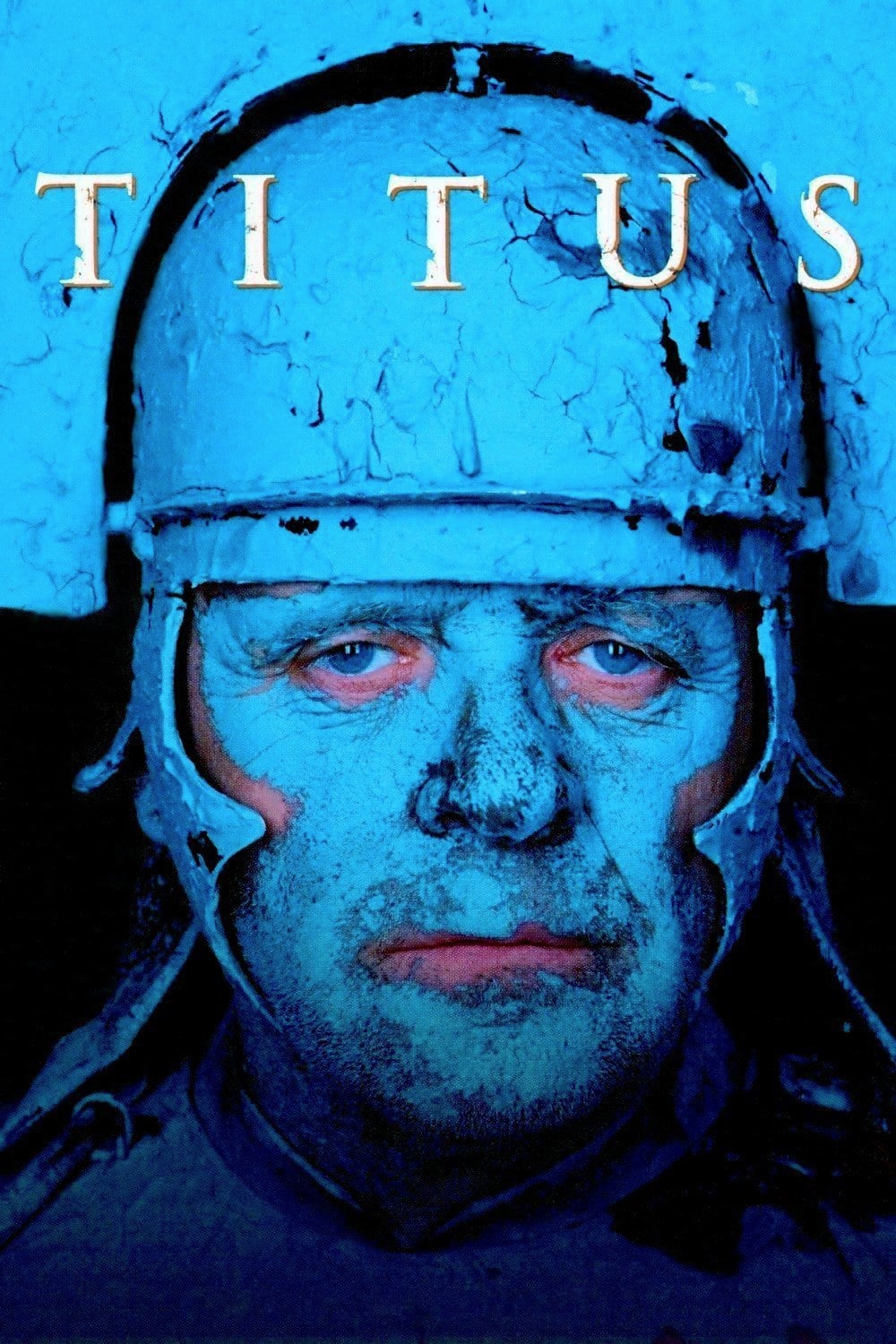
- Titus (1999) – Julie Taymor
- The Baby of Mâcon (1993) – Peter Greenaway
- Prospero's Books (1991) – Peter Greenaway
- Dogville (2003) – Lars von Trier
Final Verdict
"The Cook, the Thief, His Wife & Her Lover" is an unforgettable work for viewers who are not looking for an ordinary cinematic experience and who are open to productions that push the boundaries of art cinema. Peter Greenaway's vision skillfully blends visual aesthetics with disturbing content, offering an experience that both mesmerizes and unsettles the viewer. Powerful performances, particularly from Michael Gambon and Helen Mirren, deepen the film's impact. This production remains an unforgettable masterpiece, still debated in film history for its boldness and artistic vision.
Details
Cast (46)













ByTv Değerlendirmesi
Gallery
Yorumlar
Henüz yorum yok. İlk yorumu siz yazın.
Recommended





Yazıda geçen yapımlar

Senin için seçelim
Türe göre süz, puana göre sırala ya da çarkı çevirip sürpriz öneri al.