
Wuthering Heights (1939)
Directed by William Wyler in 1939, "Wuthering Heights" is a classic period film adapted from Emily Brontë's immortal novel. Produced by Samuel Goldwyn and starring Laurence Olivier and Merle Oberon in the lead roles, the productio…
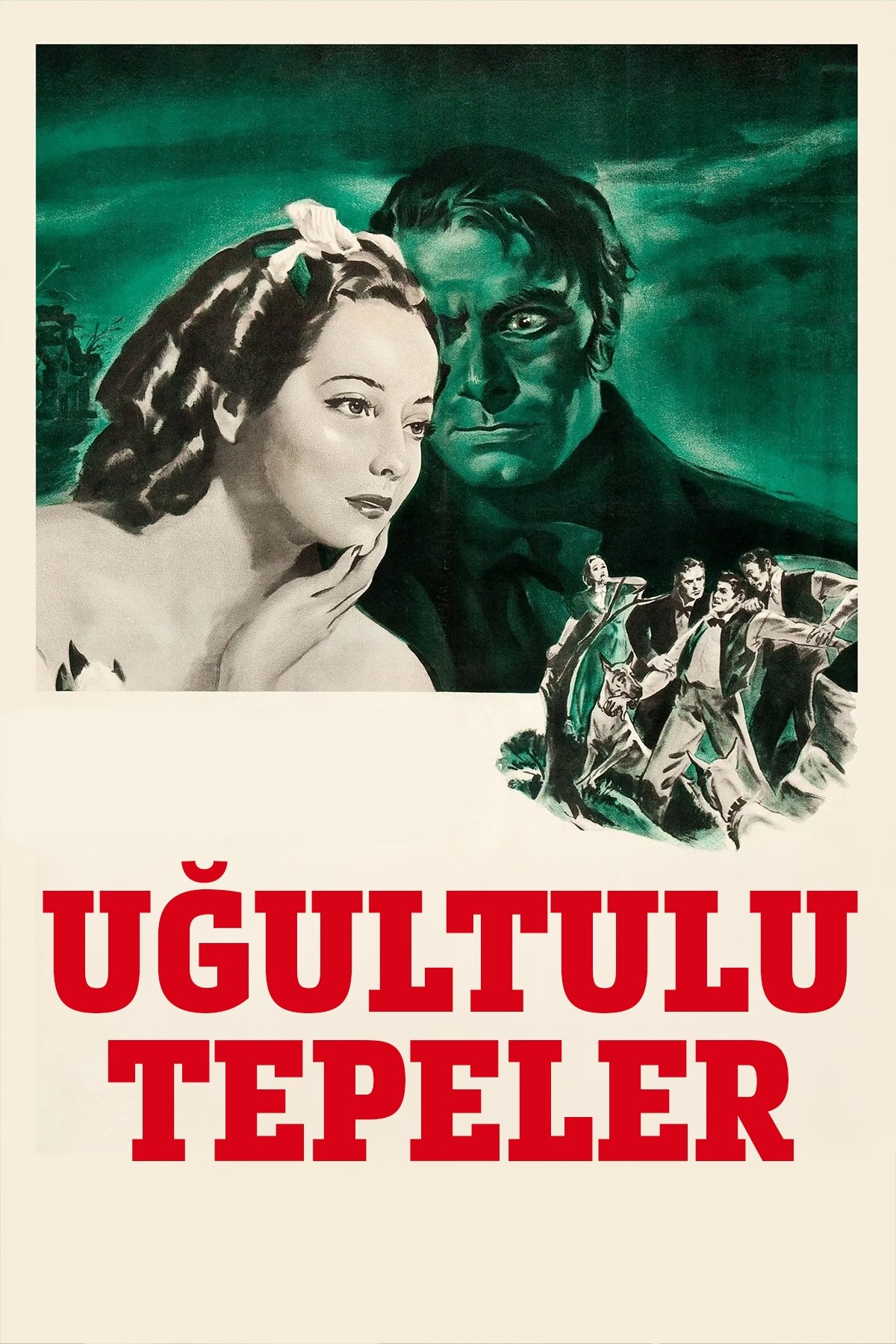
Overview
Directed by William Wyler in 1939, "Wuthering Heights" is a classic period film adapted from Emily Brontë's immortal novel. Produced by Samuel Goldwyn and starring Laurence Olivier and Merle Oberon in the lead roles, the production has gone down in cinema history as one of the most prestigious Hollywood works of its era. The screenplay, penned by the renowned writing duo Ben Hecht and Charles MacArthur, offers an adaptation that focuses on the first half of the novel.
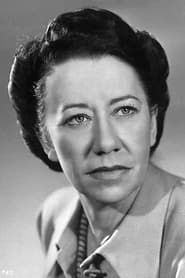
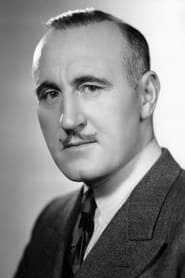
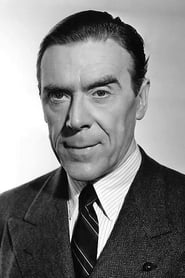
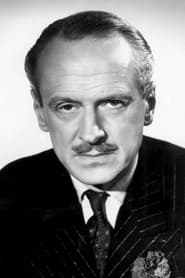
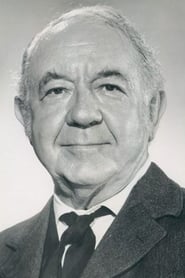
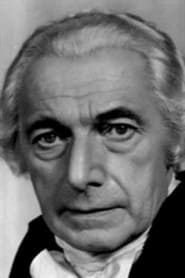
Shot by cinematographer Gregg Toland, the film stands as one of the finest examples of black-and-white cinematography. The visual language that brings Yorkshire's windswept, desolate moors and gothic atmosphere to the screen is one of the film's most striking elements. The cast, which also includes Frank Benson, successfully reflects the characteristic acting style of the era and the classic Hollywood melodrama sensibility. Nominated in eight categories at the Academy Awards and winner of the Best Cinematography Oscar, the production is considered one of the most significant examples of Hollywood's golden age in 1939.
Plot
The story centers on a passionate and destructive love affair set in the remote Yorkshire region of England. The deep bond that develops from childhood between Heathcliff, an orphan brought to the Wuthering Heights estate, and Catherine Earnshaw, the daughter of the household, forms the backbone of the film. Shaped around themes of social class differences, pride, jealousy, and unrequited passion, this relationship gradually spirals into something that upends both characters' lives.
Staying faithful to the early chapters of the novel, the film follows Heathcliff and Catherine from their youth, depicting how societal expectations and personal choices drive them down separate paths. The wild and melancholic atmosphere of the Yorkshire moors serves as a visual metaphor reflecting the inner storms of the characters. The narrative moves between past and present, unfolding through a framing story that traces the marks left by this forbidden and thwarted love.
Why Watch It?
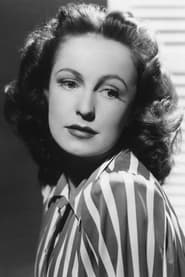
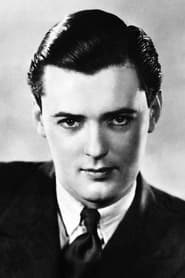
A work from the peak period of classic Hollywood cinema, this production stands as a reference point both for literary adaptations and the romantic drama genre. Laurence Olivier's intense, dark, and passionate portrayal of Heathcliff constitutes one of the unforgettable moments in acting history. Merle Oberon's interpretation of Catherine is likewise notable for the powerful and complex emotional layers she brings to the era's female characters.
Gregg Toland's cinematography is one of the film's greatest strengths; the interplay of light and shadow, wide-angle shots, and atmospheric compositions went on to inspire later film noir and gothic drama productions. Alfred Newman's score provides a compelling musical backdrop that reinforces the emotional intensity of the story. It is also a valuable watch for cinema history enthusiasts, serving as a model example of how classic literary adaptations can be brought to the screen.
Who Is It For?
This is an ideal choice for viewers interested in classic Hollywood cinema, who appreciate black-and-white film aesthetics, and who enjoy period dramas. Literature lovers who have read Emily Brontë's novel and are curious about its cinematic adaptation will also enjoy the film. It can be recommended for those drawn to intense, passionate, and tragic love stories, as well as acting enthusiasts who want to see Laurence Olivier's early performances. For viewers expecting fast-paced, action-driven content, however, the film's slow and melodramatic storytelling style may prove somewhat challenging.
Pros and Cons
Pros:
1. The unforgettable performances of Laurence Olivier and Merle Oberon successfully convey the emotional complexity of the characters.
2. Gregg Toland's Oscar-winning cinematography presents the gothic atmosphere and the wild beauty of the Yorkshire moors with extraordinary visual craft.
3. Alfred Newman's score creates a rich musical experience that heightens the story's emotional ups and downs.
Cons:
1. The screenplay, which focuses only on the first half of the novel, may not fully satisfy some readers since it doesn't completely capture the source material.
2. The theatrical acting style and slow pace of the era may feel sluggish and distant to modern viewers in some scenes.
Genre and Tone
The film offers a classic synthesis of romantic drama and gothic melodrama genres. A passionate, dark, and at times destructive emotional tone prevails, with themes of love, loss, pride, and revenge intricately intertwined. The wild nature of the Yorkshire moors is used as a symbolic element reflecting the characters' inner states, while the film's overall atmosphere carries a melancholic and at times somber air. Faithful to classic Hollywood's dramatic storytelling traditions, the production follows a pace that draws the viewer into emotional intensity.
Runtime and Viewing Experience
Running approximately 104 minutes, the film has the standard length of classic period dramas. This runtime offers a compact and effective narrative without diluting the story's emotional intensity. The black-and-white visual quality and period costumes create an immersive atmosphere that transports the viewer to 19th-century England. The film's pacing may feel heavier and more introspective by today's standards, but this can be seen as a deliberate choice to reinforce the story's dramatic depth. With an emphasis on quiet moments and extended dialogue scenes, the film calls for a careful and patient viewing experience.
Similar Works
- Rebecca (1940) – Directed by Alfred Hitchcock, another classic adaptation dealing with gothic atmosphere and mysterious love themes.
- Jane Eyre (1943) – Adapted from Charlotte Brontë's novel, a drama with a similar period setting and emotional intensity.
- Gone with the Wind (1939) – A masterpiece from the same year, sharing elements of passionate love and period drama.
- Wuthering Heights (1992) – A later adaptation of the same novel, an interesting option for comparative viewing.
- The Heiress (1949) – Directed by William Wyler, another classic adaptation with a similar period drama atmosphere.
- Pride and Prejudice (1940) – Adapted from classic English literature, another suitable recommendation for period drama lovers.
Final Verdict
"Wuthering Heights" (1939) is a work that has withstood the test of time, showcasing classic Hollywood cinema's mastery in adapting literature. Combining the performances of Laurence Olivier and Merle Oberon, Gregg Toland's mesmerizing cinematography, and Alfred Newman's compelling score, the film succeeds in bringing a passionate and tragic love story to the screen. Though it does not reflect the novel in its entirety, the film stands on its own as a powerful and compelling cinematic experience, and it belongs among the must-watch works for fans of period dramas and classic cinema. This production from cinema's golden age continues to hold its value today through its gothic atmosphere and unforgettable character performances.
Where to Watch

Details
Cast (31)

Ödüller
- Academy Award for Best Cinematography, Black-and-White 1940
- National Board of Review: Top Ten Films
8 adaylık
- Academy Award for Best Cinematography, Black-and-White 1940
- En İyi Erkek Oyuncu Akademi Ödülü 1940
- En İyi Film Akademi Ödülü 1940
- En İyi Film Müziği Akademi Ödülü 1940
- En İyi Sanat Yönetmeni Akademi Ödülü 1940
- En İyi Uyarlama Senaryo Akademi Ödülü 1940
- En İyi Yardımcı Kadın Oyuncu Akademi Ödülü 1940
- En İyi Yönetmen Akademi Ödülü 1940
ByTv Değerlendirmesi
Gallery
Yorumlar
Henüz yorum yok. İlk yorumu siz yazın.
Recommended





Senin için seçelim
Türe göre süz, puana göre sırala ya da çarkı çevirip sürpriz öneri al.