
Rebecca
Rebecca (1940) Overview "Rebecca," Alfred Hitchcock's first Hollywood production, is adapted from Daphne du Maurier's novel of the same name. Released in 1940, the film is a gothic-tinged suspense drama starring Laurence Olivier a…

Rebecca (1940)
Overview
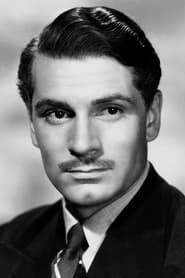
"Rebecca," Alfred Hitchcock's first Hollywood production, is adapted from Daphne du Maurier's novel of the same name. Released in 1940, the film is a gothic-tinged suspense drama starring Laurence Olivier and Joan Fontaine in the lead roles. Produced by the legendary David O. Selznick, it stood out as one of the most prestigious productions of its era and won major honors at the Academy Awards, including Best Picture. Combining Hitchcock's signature suspense elements with the elegance of classic Hollywood melodrama, "Rebecca" is regarded as one of cinema history's most compelling adaptations. With its black-and-white cinematography, atmospheric score, and masterful storytelling, the film remains one of the rare works that can still captivate audiences decades later.
The film centers on events unfolding in a mysterious mansion set in England's desolate countryside. The psychological depth of its characters, the gloomy atmosphere of the setting, and the narrative's slowly unraveling tension make it one of the pinnacles of classic gothic storytelling. For reference: https://www.themoviedb.org/movie/223
Plot
A young and inexperienced woman quickly marries the wealthy, mysterious widower Maxim de Winter, whom she meets while on holiday. After the marriage, she moves into her husband's grand estate, Manderley, and as she tries to adjust to her new life, she encounters the shadow of Maxim's first wife, Rebecca, in every corner of the house. The cold and unsettling demeanor of the housekeeper, Mrs. Danvers, gradually erodes the young woman's confidence, while the gap between what is said about Rebecca's death and the truth slowly begins to surface. Secrets hidden within the mansion's walls, ghosts of the past, and the mysterious shadow looming over the marriage stand out as the main elements fueling the film's tension. The narrative keeps the audience in a constant state of uncertainty and curiosity, delivering a classic psychological suspense experience.
Why Watch It?
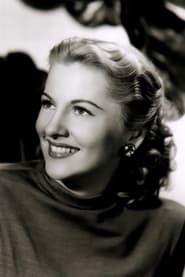
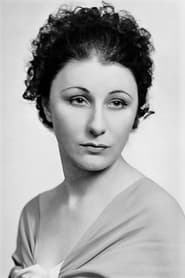
"Rebecca" is regarded as one of the finest examples of the gothic thriller genre in cinema history and serves as a reference point in this field. The atmosphere Hitchcock masterfully crafts captures the viewer from the very first scene and sustains that tension until the film's end. The performances—from Joan Fontaine's fragile and innocent character to Judith Anderson's unforgettable portrayal of Mrs. Danvers—form one of the film's greatest strengths. Additionally, the character of Rebecca, who never appears on screen yet permeates every moment of the film, exemplifies one of the most creative narrative techniques in cinema history. The visual compositions, play of light and shadow, and use of space reflect the pinnacle of the era's filmmaking techniques. Blending the elegance of classic Hollywood cinema with Hitchcock's mastery of suspense, this production is essential viewing for both cinema history enthusiasts and those seeking a quality thriller drama.
Who Is It For?
"Rebecca" is an ideal choice for classic film enthusiasts, those wishing to explore Alfred Hitchcock's filmography, and fans of gothic-atmosphere thrillers. Viewers interested in psychological dramas, character-driven narratives, and literary adaptations will also thoroughly enjoy this film. For audiences unaccustomed to black-and-white cinema or who prefer faster-paced narratives, the film may initially be somewhat challenging; however, watched with patience, the atmosphere and tension it offers will prove rewarding. This production is also an important reference point for those wishing to learn about film history, directing techniques, and the classic Hollywood era.
Pros and Cons
Pros:
1. Alfred Hitchcock's masterful direction and suspense construction.
2. Unforgettable performances, particularly from Joan Fontaine and Judith Anderson.
3. Impressive cinematic texture created through atmospheric cinematography and gothic setting use.
Cons:
1. A narrative pace that may seem slow to today's audiences.
2. Certain scenes were softened to comply with the censorship rules of the era.
Genre and Tone
The film combines the gothic thriller and psychological drama genres. A gloomy, mysterious, and at times claustrophobic atmosphere prevails throughout. Hitchcock's signature suspense elements blend with the elegance of romantic drama, offering viewers an experience that is both emotional and unsettling. The score and visual compositions stand out as elements that heighten the film's tension.
Runtime and Viewing Experience
Running approximately two hours, the film has a pace that is heavy yet gripping, in keeping with its classic storytelling style. Demanding patience and attention from the viewer, the production more than rewards that patience with its atmospheric depth and suspense-filled narrative. The tension-building in the quieter scenes, in particular, makes the viewing experience remarkably compelling.
Similar Productions
- Gaslight (1944)
- Suspicion (1941)
- Jane Eyre (1943)
- The Others (2001)
- Notorious (1946)
Final Assessment
"Rebecca" represents an important turning point both in Alfred Hitchcock's career and in the history of cinema. With its gothic atmosphere, powerful performances, and masterfully constructed suspense, it succeeds in becoming one of the most valuable examples of classic cinema. Having lost none of its impact over the years, the film is absolutely essential viewing for both those interested in film history and those seeking a quality thriller drama. With its timeless story and unforgettable characters, "Rebecca" stands out as a classic that deserves a place in every film lover's collection.
Details
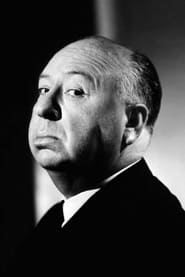
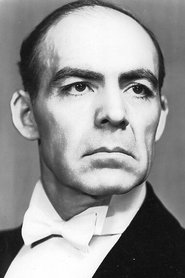
Cast (26)
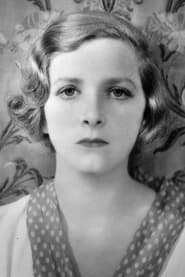
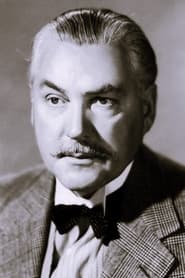
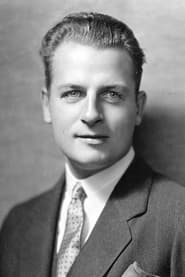


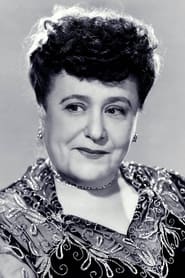
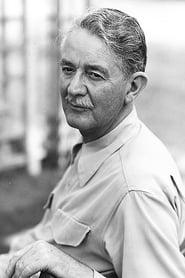
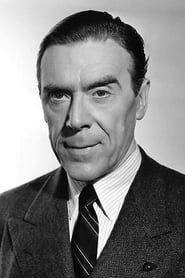
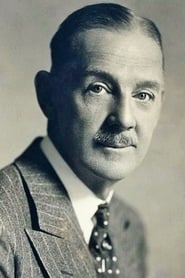
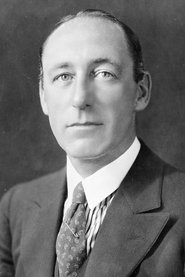




Ödüller
- Academy Award for Best Cinematography, Black-and-White 1941
- En İyi Film Akademi Ödülü 1941
- National Board of Review: Top Ten Films
11 adaylık
- Academy Award for Best Art Direction, Black and White 1941
- Academy Award for Best Cinematography, Black-and-White 1941
- Academy Award for Best Special Effects 1941
- En İyi Erkek Oyuncu Akademi Ödülü 1941
- En İyi Film Akademi Ödülü 1941
- En İyi Film Kurgusu Akademi Ödülü 1941
- En İyi Film Müziği Akademi Ödülü 1941
- En İyi Kadın Oyuncu Akademi Ödülü 1941
- En İyi Uyarlama Senaryo Akademi Ödülü 1941
- En İyi Yardımcı Kadın Oyuncu Akademi Ödülü 1941
- En İyi Yönetmen Akademi Ödülü 1941
ByTv Değerlendirmesi
Gallery
Yorumlar
Henüz yorum yok. İlk yorumu siz yazın.
Recommended







Senin için seçelim
Türe göre süz, puana göre sırala ya da çarkı çevirip sürpriz öneri al.