
The Zone of Interest (2023)
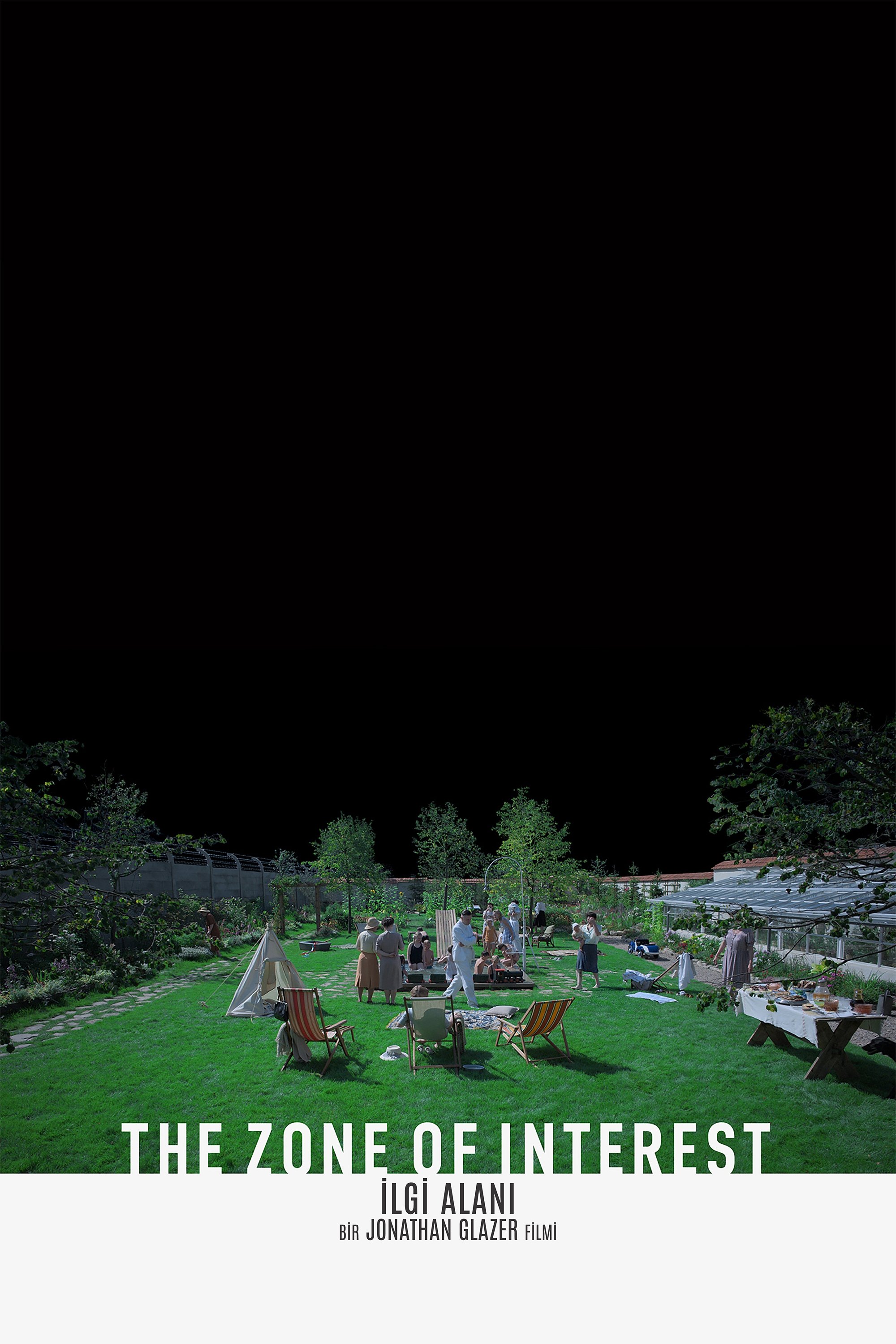
The Zone of Interest is a striking 2023 historical drama written and directed by Jonathan Glazer, inspired by Martin Amis's novel of the same name. The film follows the ordinary family life of Auschwitz concentration camp commanda…
Overview
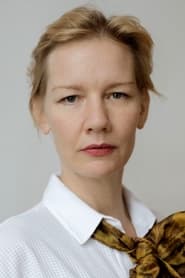
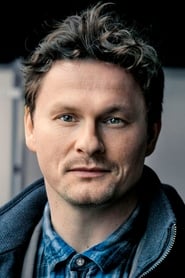
The Zone of Interest is a striking 2023 historical drama written and directed by Jonathan Glazer, inspired by Martin Amis's novel of the same name. The film follows the ordinary family life of Auschwitz concentration camp commandant Rudolf Höss and his family, living in a house with a garden built right next to the camp. Through the daily existence of Rudolf Höss, portrayed by Christian Friedel, and his wife Hedwig Höss, brought to life by Sandra Hüller's performance, the film depicts in a cold and unsettling language how one of humanity's greatest atrocities was "normalized."
Winner of the Grand Prix at the Cannes Film Festival, and later recipient of the Academy Awards for Best International Feature Film and Best Sound, the film adopts an approach entirely different from traditional Holocaust narratives. By turning his camera not toward the victims but toward the perpetrator's home, Glazer shows how evil can exist in its most ordinary, most "domesticated" form. This choice pushes the film far beyond the conventions of historical drama that audiences are accustomed to, transforming it into a more conceptual, more experimental cinematic experience.
Christian Friedel's performance is one of the film's greatest strengths. The German actor portrays Höss with an understated, detached coldness that is precisely what makes him so chilling. The character's emotionless, bureaucratic demeanor reminds viewers just how "ordinary" evil can appear in human form.
Plot
The film follows Rudolf Höss's daily life as he carries out his duties as commandant at the Auschwitz-Birkenau camp, while living with his wife Hedwig and their children in a house with a garden right up against the camp's walls. Birthday celebrations, picnics in the garden, holiday moments by the river, and small family disputes at home are presented side by side, within the same frame, alongside the horror unfolding just beyond the camp's walls.
The Höss family has come to accept the smoke visible from their backyard, the screams they hear, and the gunshots as essentially a part of everyday life—background noise. At no point in the film does the narrative cross into the camp itself or show violence directly; everything is conveyed through sounds, hints, and the characters' indifference. This narrative choice, rather than shaking the viewer with direct imagery, leaves them alone with a profound unease born of silence and detachment.
Rudolf Höss's effort to climb the career ladder, Hedwig's fear of losing this house and garden, and the children's perceptions—growing normalized within this environment—are all layers the film quietly works through. The family's panic over the possibility of losing this "paradise" home due to Höss's potential reassignment forms one of the film's most chilling ironies.
Why Watch It?
The Zone of Interest occupies an unusual position among Holocaust-themed productions. There are several reasons to watch this film:
First, Jonathan Glazer's directorial vision is extraordinarily original. Rather than depicting evil directly, he centers the ordinariness surrounding it, drawing the viewer into a deeper, more personal discomfort. This approach is a method rarely attempted in cinema history, and it is the core element that makes the film unforgettable.
The sound design is perhaps the film's most powerful technique. Johnnie Burn's work etches into the viewer's mind the horror that is never shown on screen, through sounds constantly heard in the background. These layers of sound are one of the main reasons the film won an Academy Award, and their impact is amplified when experienced in a movie theater.
The performances of Christian Friedel and Sandra Hüller convey the characters' loss of humanity with an understated realism. In particular, Friedel's portrayal of Höss—bureaucratically cold and devoid of emotion—proves that evil can exist without being either "heroic" or "monstrous."
Who Is It For?
This film is ideal for viewers who love historical dramas, art-house cinema, and experimental narrative techniques. Those expecting a classic Holocaust film may be surprised by its unconventional narrative, which does not rely on direct depiction; therefore, the film appeals to an audience that is patient and willing to engage intellectually.
It also offers a space for deep reflection for viewers interested in history, sociology, and psychology, who seek answers to the question of "how ordinary people can become complicit in great evils." However, for those expecting intense emotional scenes or action, the film may feel quite slow and unsettling; it is therefore not recommended for those seeking a light viewing experience.
Pros and Cons
Pros: 1. Jonathan Glazer's original and bold directorial approach leaves a profound impact through its theme of normalizing evil. 2. The sound design elevates the film to the level of a cinematic masterpiece by building the horror not shown on screen directly in the viewer's mind. 3. Christian Friedel and Sandra Hüller's understated, realistic performances strengthen the film's credibility.
Cons: 1. The slow pace and detached narrative may challenge viewers expecting a traditional dramatic structure. 2. The structure's refusal to establish a direct emotional connection may feel cold and inaccessible to some viewers.
Genre and Tone
While positioned within the historical drama genre, the film also carries elements of experimental cinema and psychological tension. Its tone is cold, detached, and carries a clinical sense of observation from start to finish. Avoiding emotional manipulation, Glazer opts for a narrative that leaves the viewer alone with their own moral reckoning. This tone is the film's most controversial yet also most impactful aspect.
Runtime and Viewing Experience
The film runs approximately 105 minutes, and given its intense atmosphere, this runtime feels quite dense. The viewing experience resembles an encounter with a conceptual work of art more than watching a conventional film. Silences, background sounds, and minimal dialogue require the viewer to remain constantly alert. The film should be watched in one sitting with full concentration; in distracting environments, its impact can be significantly diminished.
Similar Productions
- Son of Saul (2015)
- Hannah Arendt (2012)
- Corpus Christi (2019)
- The White Ribbon (2009)
Final Verdict
The Zone of Interest is a cinematic experience that offers a fresh and remarkably bold perspective on Holocaust cinema, refusing to offer its audience any comfort. When Jonathan Glazer's vision combines with the understated performances of Christian Friedel and Sandra Hüller, the result is an unforgettable work that shows just how "at home" evil can make itself. With its narrative built on sound and implication rather than visual horror, the film is not "easy to watch" in the conventional sense; but it is precisely this difficulty that secures its important place in film history. It is a must-watch for viewers seeking intellectual depth, who see cinema not merely as entertainment but as a tool for interrogation.
Where to Watch


Details
Cast (65)
















Ödüller
- Robert Award for Best Non-American Film 2025
- National Society of Film Critics Award for Best Director 2024
- Yabancı Dilde En İyi Film Akademi Ödülü 2024
- Gilde Film Price 2023
- Cannes Film Festivali Büyük Ödülü
- FIPRESCI Prize of the Festival de Cannes
7 adaylık
- BAFTA Award for Best Film Not in the English Language 2024
- BAFTA En İyi İngiliz Filmi Ödülü 2024
- En İyi Film Akademi Ödülü 2024
- En İyi Sinema Filmi Altın Küre Ödülü - Drama 2024
- En İyi Yabancı Dilde Film Altın Küre Ödülü 2024
- Yabancı Dilde En İyi Film Akademi Ödülü 2024
- European Film Award for Best Film 2023
ByTv Değerlendirmesi
Gallery
Yorumlar
Henüz yorum yok. İlk yorumu siz yazın.
Recommended







Yazıda geçen yapımlar
Senin için seçelim
Türe göre süz, puana göre sırala ya da çarkı çevirip sürpriz öneri al.