
The Godfather Part III
The Godfather Part III (1990) Overview "The Godfather Part III" is a 1990 drama/crime film that forms the final link in Francis Ford Coppola's legendary Godfather trilogy. Made under the weighty obligation of carrying forward the…
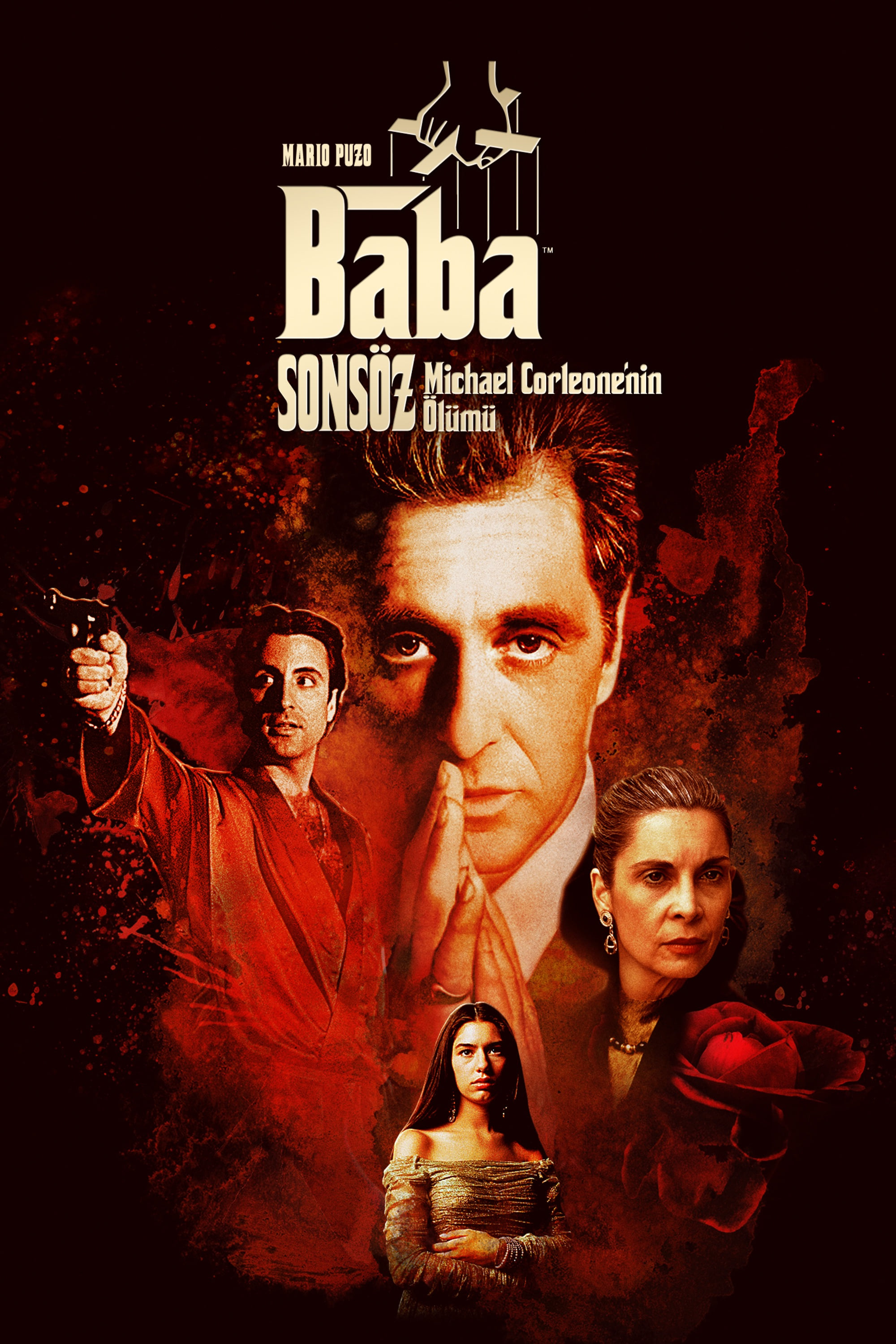
The Godfather Part III (1990)
Overview
"The Godfather Part III" is a 1990 drama/crime film that forms the final link in Francis Ford Coppola's legendary Godfather trilogy. Made under the weighty obligation of carrying forward the epic legacy left by the first two films, this movie aims to bring closure to Michael Corleone's story. One of the names behind the music side of the production is Claudio Zucchet, known for his contributions to orchestration and musical arrangements. The musical atmosphere, which carries forward the legacy of Nino Rota's unforgettable themes, makes a significant contribution to the film's emotional depth.
The film takes place in the late 1970s and early 1980s, centering on the now-aging Michael Corleone, who grapples with the weight of his past as he attempts to steer his family away from the criminal underworld and into legitimate business—even extending into Vatican circles. In this third film, Coppola presents the viewer with both a personal reckoning and a sweeping panorama of institutional corruption. Adopting a different pace and narrative style compared to the first two films, the production also offers a powerful cinematic experience in its own right.
Visually, the aesthetic drawn from Gordon Willis's use of light and color combines with the enchanting landscapes of Italy and Sicily to create a rich visual texture. It's fair to say that the score and musical arrangements serve a function that heightens the tension and tragic atmosphere in the dramatic scenes.
Plot
Michael Corleone has now devoted his years to distancing himself from the criminal world, cleansing his family's name, and moving his legacy onto legitimate ground. Yet the traces of his past continue to seep into every corner of his life, including those closest to him. His entangled relationships with financial institutions tied to the Vatican draw him into a dangerous game that is both spiritual and political in nature.
The balance of power within the family also reshapes itself during this process; the emergence of Vincent Mancini from the younger generation plays a decisive role in the future of the Corleone dynasty. Michael's emotional bond with his daughter Mary forms the film's most delicate and human side, while the idea that the sins committed in the past must sooner or later be paid for is explored intensely in this final act of the trilogy.
While the film exposes, on one hand, the institutionalized face of organized crime alongside the dark side of the Vatican and international financial circles, it also portrays, on the other, Michael's reckoning with his conscience, his search for atonement, and his progression toward an inevitable end.
Why Should You Watch It?
For viewers who want to fully experience the Godfather trilogy, this film is indispensable for the emotional and thematic completion of the story. Witnessing the transformation of Michael Corleone's character over the years, and the tension between remorse and power, is essential to fully understanding the character.
Al Pacino's mature, weary, and heartfelt performance impressively reflects the weight the character carries. In addition, the film's visual richness, the atmospheric shots of the Italy scenes, and the way the musical arrangements nourish the dramatic moments offer a satisfying viewing experience for film lovers.
The connections Coppola draws between the themes of family, power, religion, and crime move beyond a mere gangster story to pose universal questions about the human condition. In this respect, the film should be regarded not simply as a sequel, but as a drama that carries meaning in its own right.
Who Is It Suitable For?
This film is a strong choice for viewers interested in classic Hollywood cinema and the family drama and crime film genres. It is essentially a must for those who have watched the first two Godfather films and want to see how the story concludes.
Viewers who enjoy slow-paced, character-driven, thought-provoking narratives will take great pleasure in this film. On the other hand, those expecting fast-paced action scenes or constant tension may need to adjust their expectations, since the film presents a slower, more dramatic structure.
For those researching film history, acting performances, and classic narrative structures, this film also offers a rich resource well worth studying.
Pros and Cons
Pros:
1. Al Pacino's deep, mature, and emotional performance successfully reflects the character's evolution.
2. The visual aesthetics and atmospheric cinematography in the Italy scenes carry a quality befitting the trilogy's visual legacy.
3. The treatment of themes of family, power, and redemption adds a deep emotional layer to the story.
Cons:
1. Compared to the first two films, the narrative pace and some casting choices may spark differing opinions among viewers.
2. There are moments where certain story elements feel more convoluted and scattered compared to the previous films.
Genre and Tone
While the film belongs to the classic crime drama genre, it also strongly incorporates elements of tragedy and family drama. In terms of tone, a melancholic, heavy, and thought-provoking atmosphere prevails. Coppola's narrative style brings the characters' internal conflicts to the forefront, inviting the viewer on a slow but deep emotional journey.
The musical arrangements are an important element that heightens the dramatic intensity of the scenes, shaped by a classical orchestration approach that supports the film's overall tone.
Runtime and Viewing Experience
The film runs for approximately two hours and forty minutes, and throughout this time it expects a patient and attentive viewing experience from the audience. The transitions between scenes, the long dialogues focused on character development, and the atmospheric moments are edited in a way that lets the viewer feel the intensity of the story.
Viewers having watched the previous two films will be better able to grasp the emotional references and character depths in this third installment. While it does offer a certain degree of satisfaction when watched on its own, it creates a far more powerful impact when considered as part of the trilogy as a whole.Similar Works
- The Godfather Part II (1974)
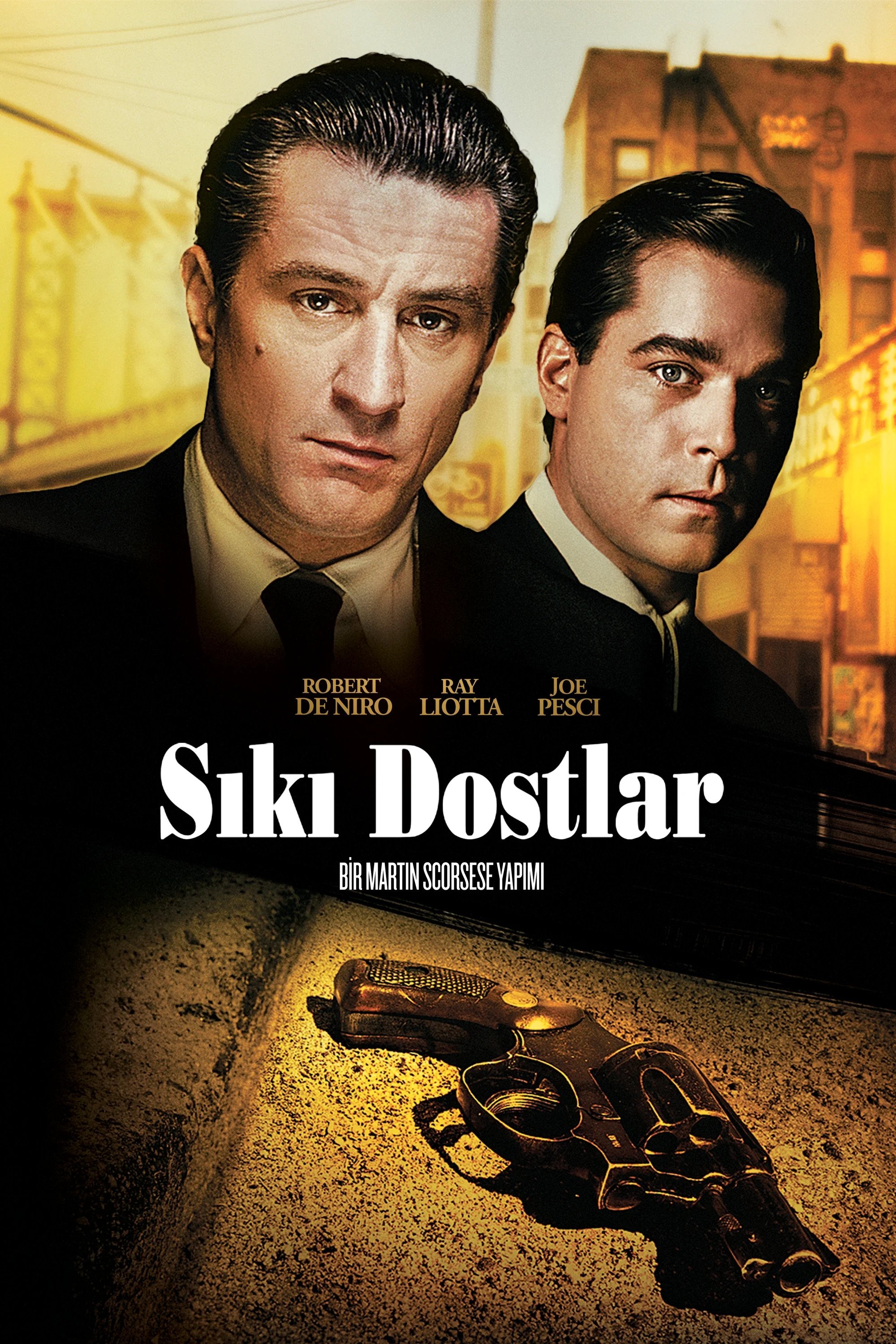
- Goodfellas (1990)
- Scarface (1983)
- Once Upon a Time in America (1984)
- Casino (1995)
Final Assessment
As the closing act of a great cinematic legacy, "The Godfather Part III" delivers a satisfying finale both emotionally and thematically. For everyone who has followed Michael Corleone's journey, this film serves as an important complement in witnessing the character's confrontation with his fate.
With its visual richness, layers of music, and acting performances that sustain a classical approach to cinema, the production retains its place in film history as a valuable work that completes the integrity of the trilogy.
Where to Watch

Details
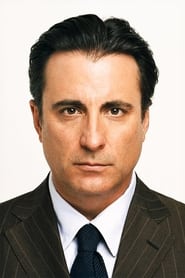
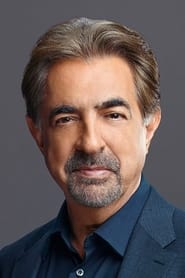
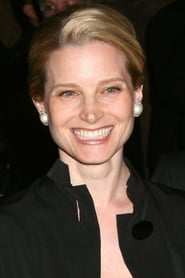
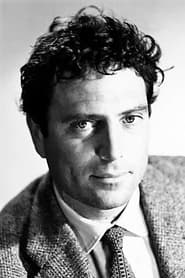
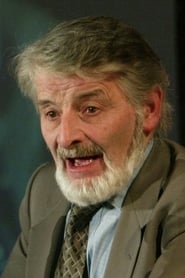
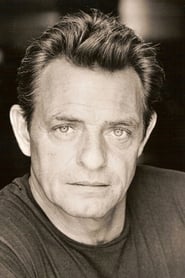
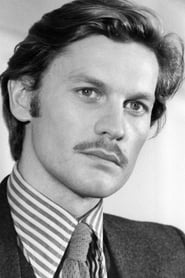
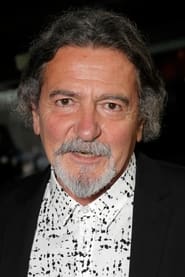
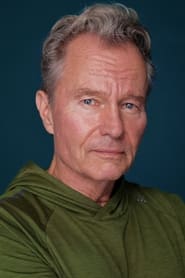
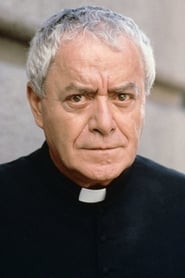
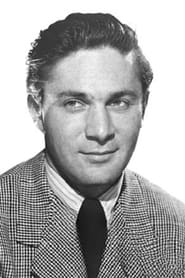
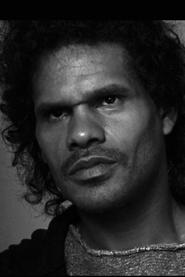
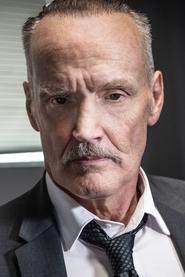
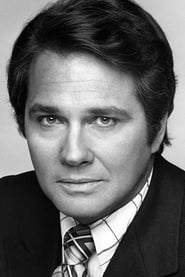
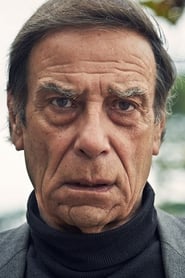
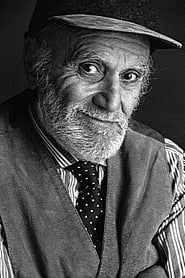
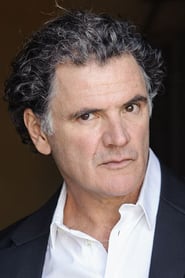
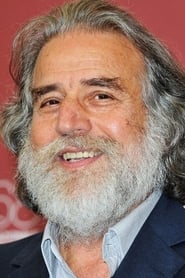
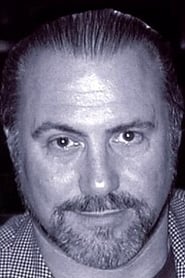
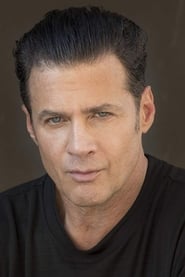
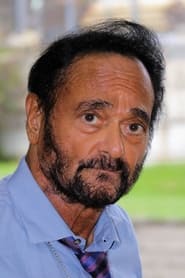
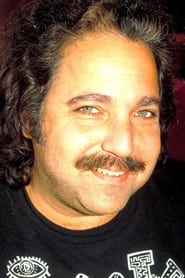
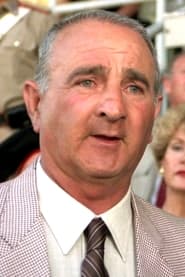
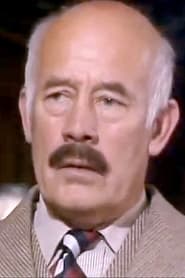
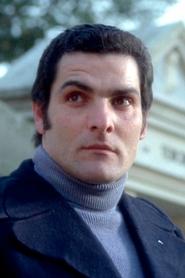
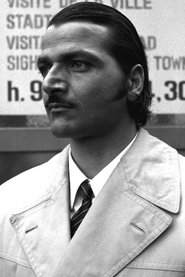
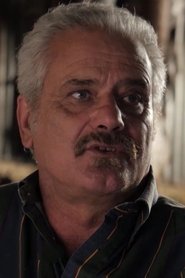
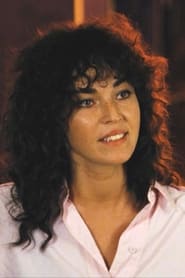
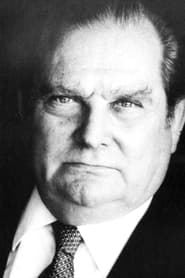
Cast (111)

































Ödüller
- En Kötü Yardımcı Kadın Oyuncu Altın Ahududu Ödülü 1991
- Golden Raspberry Award for Worst New Star 1991
8 adaylık
- En İyi Film Akademi Ödülü 1991
- En İyi Film Kurgusu Akademi Ödülü 1991
- En İyi Sanat Yönetmeni Akademi Ödülü 1991
- En İyi Sinematografi Akademi Ödülü 1991
- En İyi Yardımcı Erkek Oyuncu Akademi Ödülü 1991
- En Kötü Yardımcı Kadın Oyuncu Altın Ahududu Ödülü 1991
- Golden Raspberry Award for Worst New Star 1991
- En İyi Yönetmen Akademi Ödülü
ByTv Değerlendirmesi
Gallery
Yorumlar
Henüz yorum yok. İlk yorumu siz yazın.
Recommended





Yazıda geçen yapımlar
Senin için seçelim
Türe göre süz, puana göre sırala ya da çarkı çevirip sürpriz öneri al.