
Mean Streets (1973)
"Mean Streets," one of the turning points in Martin Scorsese's film career, hit the big screen in 1973 and stands as one of the director's first major works where his personal signature emerges most powerfully. Set in New York's L…

Overview
"Mean Streets," one of the turning points in Martin Scorsese's film career, hit the big screen in 1973 and stands as one of the director's first major works where his personal signature emerges most powerfully. Set in New York's Little Italy neighborhood, the film carries autobiographical traces drawn from Scorsese's own memories and observations of his youth. Starring Harvey Keitel and Robert De Niro, the film also lays one of the first foundations of the duo's long-running cinematic partnership.
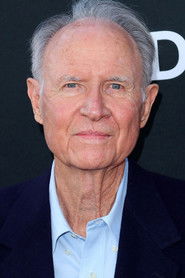
Cesare Danova's performance in the film makes a significant contribution to the atmosphere of the work, with his character representing the neighborhood's power dynamics and moral decay. Danova embodies an authoritative and experienced figure reflecting the Italian-American mob culture of the era, giving concrete form to the oppressive environment surrounding the film's younger characters.
Despite its low budget, "Mean Streets" is regarded as one of the pioneering examples of independent American cinema in film history. Its technique of integrating rock and pop music with the scenes, its use of handheld camera, and its realistic dialogue structure have inspired many directors in the years since.
Plot
The film centers on the life of Charlie (Harvey Keitel), who lives in New York's Italian neighborhood. As a devout Catholic, Charlie wrestles with guilt while also being involved in the organized crime activities run by his uncle. The greatest burden in his life is his friend Johnny Boy (Robert De Niro); this unstable, debt-ridden character who constantly gets into trouble continually tests Charlie's loyalty and endurance.
Days spent on the neighborhood streets turn into a balancing act shaped among bars, gambling dens, and family ties. The conflict between Charlie's religious beliefs and the lifestyle he is caught up in forms the emotional backbone of the film. The character played by Cesare Danova stands out as an experienced and calculating figure representing this world's power hierarchy, creating an indirect sense of authority that shapes the fate of the younger characters.
Rather than telling a classic crime story, the film focuses on the characters' inner worlds, their bonds of friendship, and the distinctive moral codes of a community.
Why Should You Watch It?
"Mean Streets" is a must-see for anyone wanting to understand the origins of Scorsese's cinema. The visual language, musical choices, and character analysis techniques the director would frequently employ in his later films display their first mature examples here. Synchronizing rock music with scene editing was a remarkably innovative approach for its time and is considered one of the pioneering examples of this technique in film history.
Harvey Keitel's heartfelt performance and Robert De Niro's explosive energy offer the first glimpses of the chemistry the duo would later achieve in films like "Taxi Driver" and "Raging Bull." Cesare Danova's performance, meanwhile, adds a layer of classic power and experience to the film; his screen presence gives concrete shape to the neighborhood's unspoken rules.
The film is also an important reference point for anyone curious about the aesthetics of 1970s independent American cinema and its raw, honest storytelling style. Its realistic use of locations and natural lighting offer an authentic atmosphere true to the era.
Who Is It Suitable For?
This film is ideal for classic cinema enthusiasts, those who want to study Scorsese's filmography in depth, and viewers interested in the origins of American independent cinema. It also appeals to film lovers seeking a different perspective on the crime drama genre, who value character depth over action.
For those expecting fast-paced films with a heavy emphasis on plot in the classic sense, "Mean Streets" may offer a somewhat different experience. With its atmosphere- and character-driven structure, the film speaks to a more patient audience. It will be a satisfying choice for those who enjoy watching the tension between religion, family ties, loyalty, and crime.
Pros and Cons
Pros:
1. One of the first strong examples of Scorsese's distinctive storytelling style
2. Impressive performances from Harvey Keitel and Robert De Niro
3. Innovative use of music and visual editing for its time
Cons:
1. The flow may feel weak for those expecting a strong plot in the classic sense
2. Due to the low-budget production, some technical elements bear the limitations of the era
Genre and Tone
While positioned within the crime drama genre, the film also incorporates elements of character study and social realism. In tone, it offers a raw, realistic, and at times bleak atmosphere. The clash between religious symbolism and the criminal underworld adds a melancholic depth to the film's overall mood. The violent scenes are presented in an unstylized, realistic manner.
Runtime and Viewing Experience
At approximately 112 minutes, the film offers viewers a tightly wound neighborhood atmosphere. The pace is not fast in the classic sense; scenes take their time with the characters' inner worlds and relationships. Approaching the film with attentiveness and patience will make the experience more satisfying. The cohesion of its visual and audio elements keeps the viewing experience flowing smoothly.
Similar Works
- Taxi Driver (1976)
- Raging Bull (1980)
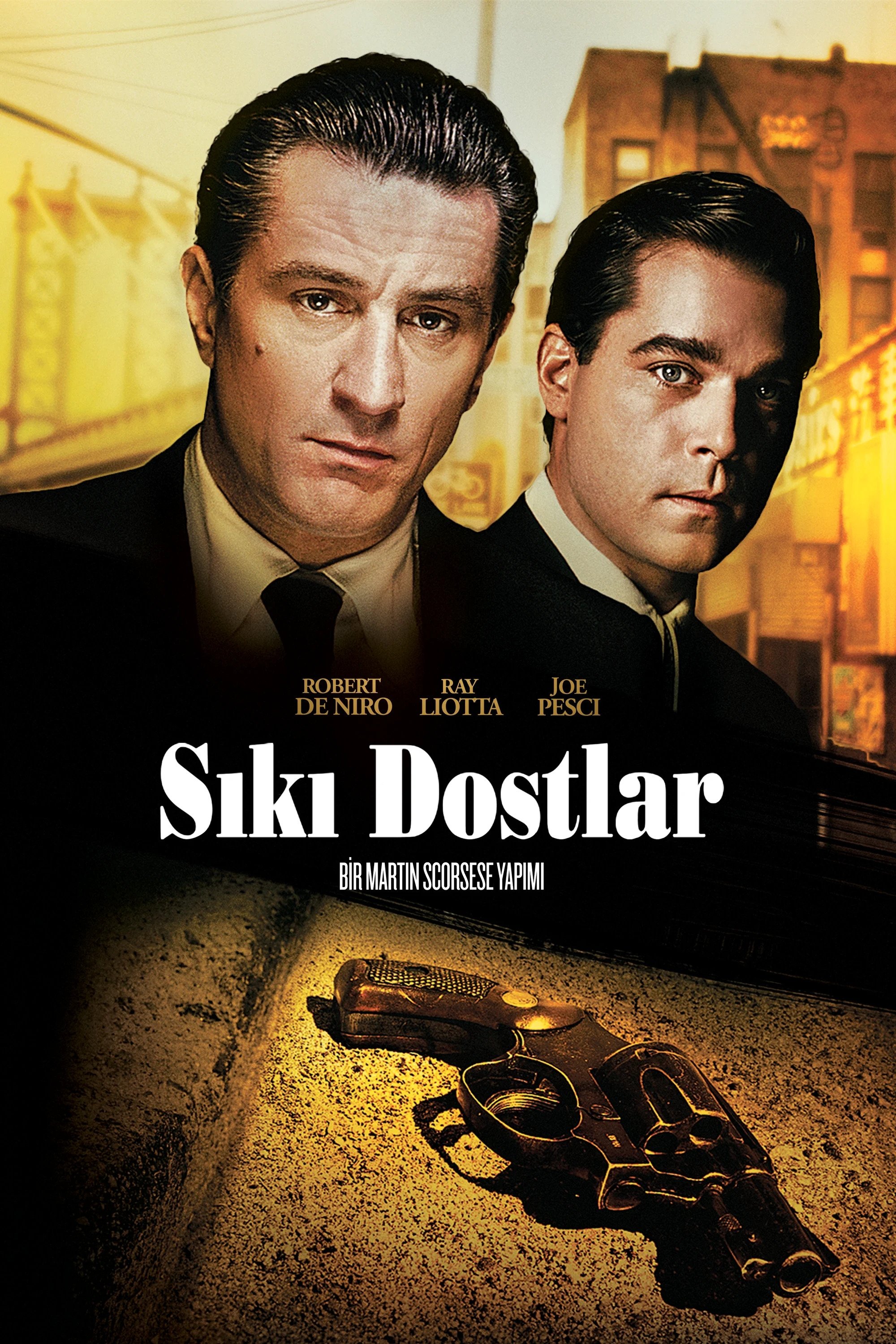
- Goodfellas (1990)
- Once Upon a Time in America (1984)
- Donnie Brasco (1997)
Final Verdict
"Mean Streets" is a significant work in which Martin Scorsese proves his mastery of cinematic language, standing out for its character depth and atmospheric storytelling. The performances of Harvey Keitel and Robert De Niro, combined with a strong supporting cast bolstered by Cesare Danova's contribution, successfully reflect the complex dynamics of the neighborhood. Offering a different approach from classic crime films, this work remains a piece that has left its mark on film history and continues to hold its value today.
Details
Cast (27)











ByTv Değerlendirmesi
Gallery
Yorumlar
Henüz yorum yok. İlk yorumu siz yazın.
Recommended






Senin için seçelim
Türe göre süz, puana göre sırala ya da çarkı çevirip sürpriz öneri al.