
Shivaji Surathkal: The Case of Ranagiri Rahasya (2020)
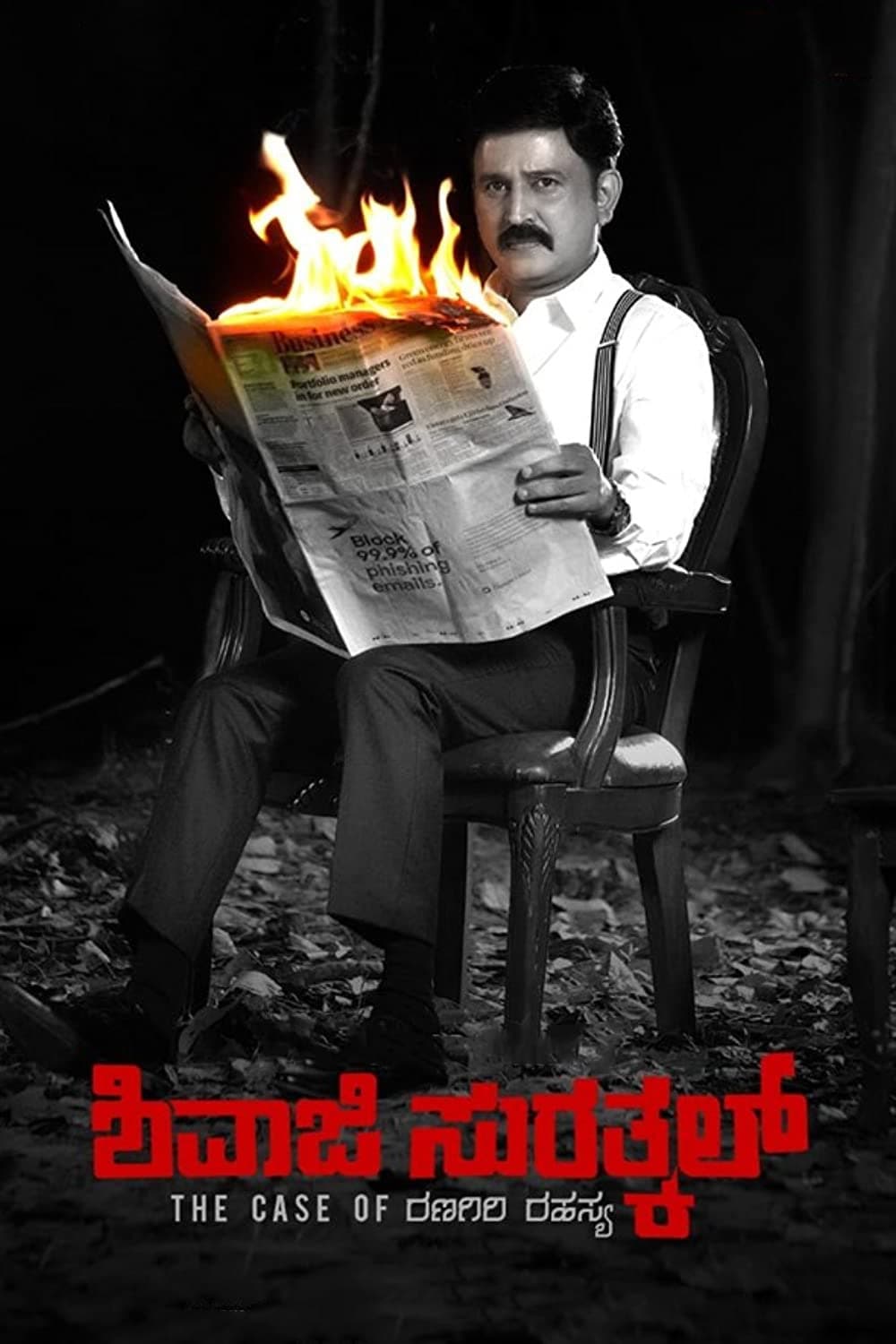
Shivaji Surathkal: The Case of Ranagiri Rahasya emerges as an original production that aims to step outside the boundaries of conventional detective stories, adding something distinctive to Kannada cinema's crime-mystery genre. Re…
Overview
Shivaji Surathkal: The Case of Ranagiri Rahasya emerges as an original production that aims to step outside the boundaries of conventional detective stories, adding something distinctive to Kannada cinema's crime-mystery genre. Released in 2020, the film takes its name from its central character; the plot unfolds around Shivaji Surathkal, a detective with sharp intelligence and keen observational skills, blending the classic "whodunit" structure with a modern narrative style. The most striking aspect of the production is its effort to convey the character's analytical thought process to the audience step by step, rather than merely telling a murder or crime story. In this respect, the film pays homage to classic Sherlock Holmes-style detective narratives while successfully reflecting local cultural texture and the atmosphere of rural life in India.
The filmmakers appear to have moved with the intention of turning the character into a series; this transforms Shivaji Surathkal from a one-off story into a starting point that lays the groundwork for future sequels or spin-offs. The visual direction is quite successful in capturing the atmosphere of the fictional region called "Ranagiri"; camerawork that skillfully merges the intersections of rural and urban life convincingly transports the viewer into the geography where the story takes place.
Plot
The film is built around the investigation of a mysterious incident in a region called Ranagiri. As a detective known for his extraordinary observational power and reasoning skills, Shivaji Surathkal deeply analyzes both physical evidence and human psychology while trying to solve this complex case. The plot is constructed to keep the viewer constantly alert; each scene carries the clues left in the previous scene forward to the next stage, allowing the puzzle pieces to gradually come together.
The crux of the story lies not only in seeking an answer to "who did it," but also in delving deeply into the questions of "why" and "how." This multi-layered approach sets the film apart from a classic crime drama, turning it into a more intellectual mystery experience. The dialogues between characters are used not just to convey information but also to reflect the complexity of human nature. The distinctive social structure of the Ranagiri region, along with local traditions and social dynamics, forms a texture that is constantly felt in the background of the story.
Why Watch It?
This film offers a satisfying experience, especially for viewers known for their interest in classic detective stories. The way the character's analytical thought processes are brought to the screen turns the viewer from a passive observer into an active partner-detective participating in solving the case. This interactive storytelling style stands out as a feature not often found in today's crime productions.
It also offers a valuable discovery opportunity for viewers curious about the regional colors and cultural authenticity of Kannada cinema. It serves as an interesting example for those who want to see how India's different regional film industries adapt universal genres (in this case, the detective/mystery genre) to their own cultural contexts. The film is also an attractive option for those who want to watch it as the start of a series, given that it opens a door to the character's potential future adventures.
Who Is It Suitable For?
This production is primarily ideal for loyal followers of the crime and mystery genre. Viewers who enjoy mind games, take pleasure in watching characters' reasoning processes, and seek a puzzle-solving experience at the cinema can find what they're looking for in this film. It is also a suitable choice for those who prefer productions that are not action-heavy but rather focused on mental tension and strategy.
It can also be a good entry point for those new to Kannada cinema or those wishing to explore regional Indian cinema. On the other hand, those expecting fast-paced, action-packed scenes, or viewers accustomed to the visual effects of big-budget Western-style thrillers, may find this production's calmer and more contemplative pace different from what they're used to. Since it is a production that can be watched with family, without excessive violent elements, it has the potential to appeal to a wide audience.
Pros and Cons
Pros:
1. The character's analytical thought process is handled in detail and in a satisfying way, actively involving the viewer in the story.
2. The atmospheric depictions of the Ranagiri region and the organic integration of local cultural elements into the story.
3. An original screenplay approach that reinterprets the classic detective formula from a modern perspective.
Cons:
1. The pacing can occasionally feel heavy, and some sections may feel slow, especially for those watching with expectations of action.
2. Some nuances may not be fully understood by viewers unfamiliar with the regional language and cultural references.
Genre and Tone
While carrying the classic elements of the crime-mystery genre, the film generally keeps its tone within a serious and contemplative framework. Dramatic tension is balanced with humorous moments, which prevents the film from getting stuck in an overly heavy atmosphere. The character's personality, with both his professional seriousness and his occasionally lighthearted, witty approach, makes it easier for the viewer to become emotionally attached to the film. The visual storytelling adopts a realistic aesthetic, opting for more measured cinematography while avoiding overly dramatic effects.
Runtime and Viewing Experience
The film has the runtime of a standard feature film and is edited in a way that completes the story without tiring the viewer. Its structure, which can be watched in one sitting, provides an advantage for those who want to preserve the story's integrity. The viewing experience requires careful attention; it is recommended to watch with focus so as not to miss clues and details. For those who wish to watch with subtitles, the quality of translation matters, as this is a production heavily reliant on dialogue-driven scenes.
Similar Productions
For those who enjoy this film, here are a few recommendations with similar atmosphere and genre characteristics:
- Kahaani (2012) - A mysterious and layered Indian thriller
- Andhadhun (2018) - An Indian mystery-thriller production notable for its unexpected twists
- Drishyam (2013) - A successful example of Indian cinema in the crime and mystery genre
- Sherlock Holmes series - A modern interpretation of the classic detective narrative
- Knives Out (2019) - One of the standout productions of the contemporary whodunit genre
- Regional Indian film productions similar to Ustad Hotel** - For comparative viewing in terms of cultural texture
Final Assessment
Shivaji Surathkal: The Case of Ranagiri Rahasya stands out as a character-driven mystery film that draws attention with the fresh perspective it brings to the crime genre in Kannada cinema. With its analytical structure, atmospheric storytelling, and cultural authenticity, it offers a satisfying viewing experience for lovers of classic detective stories. This production, which can be a valuable discovery for viewers who don't expect a fast pace and want to embark on a contemplative mystery journey, also serves as an important example for those who want to see the quality and diversity of regional Indian cinema.
Details
Cast (9)








Shivaji Surathkal Collection

ByTv Değerlendirmesi
Gallery
Yorumlar
Henüz yorum yok. İlk yorumu siz yazın.
Recommended












Yazıda geçen yapımlar


Senin için seçelim
Türe göre süz, puana göre sırala ya da çarkı çevirip sürpriz öneri al.