
Perfume: The Story of a Murderer
Perfume: The Story of a Murderer (2006) Overview "Perfume: The Story of a Murderer" is an atmospheric and disturbingly powerful adaptation directed by German filmmaker Tom Tykwer, based on Patrick Süskind's worldwide bestselling n…
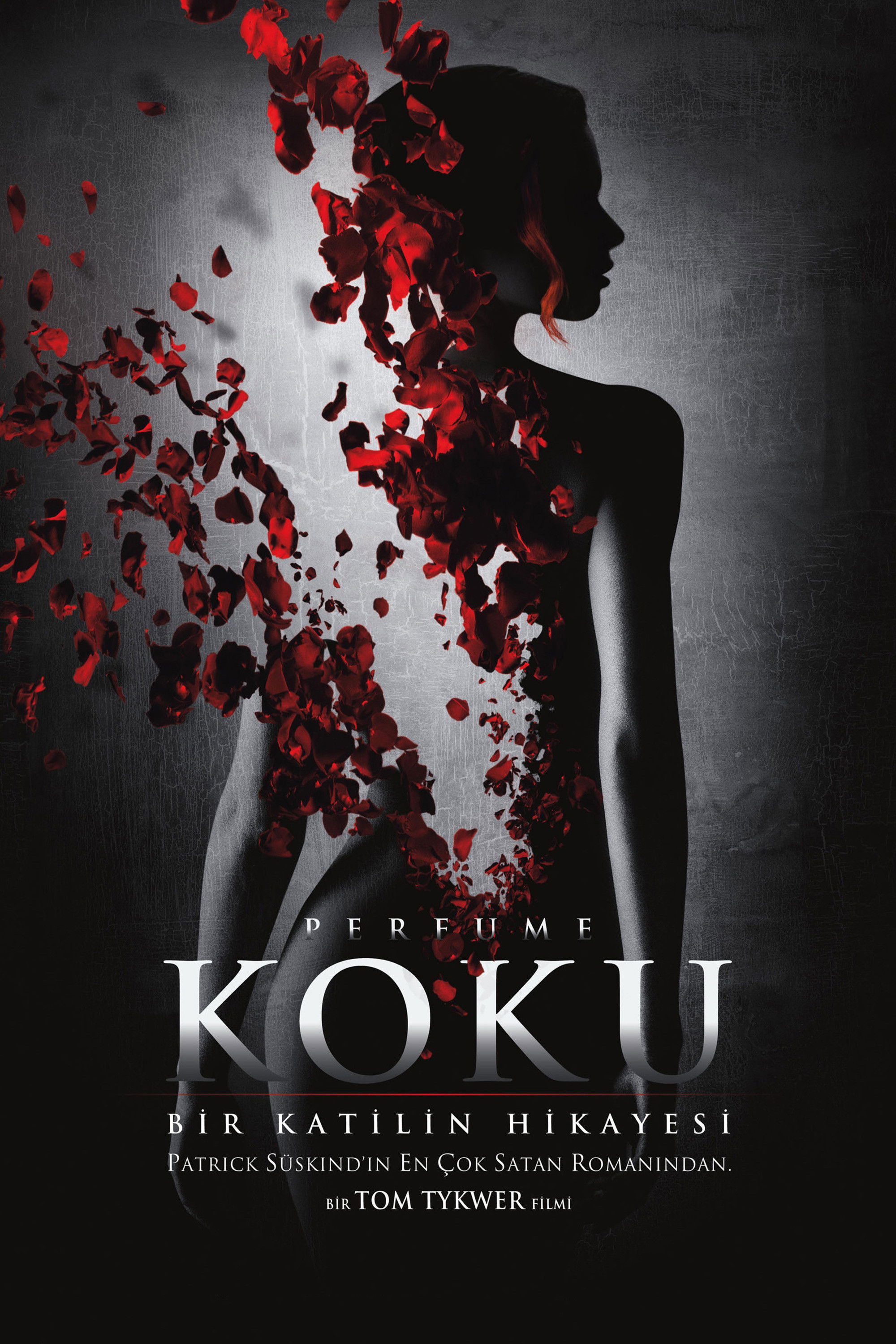
Perfume: The Story of a Murderer (2006)
Overview
"Perfume: The Story of a Murderer" is an atmospheric and disturbingly powerful adaptation directed by German filmmaker Tom Tykwer, based on Patrick Süskind's worldwide bestselling novel of the same name. Brought to the screen in 2006, the film offers a unique narrative built around the sense of smell, set in 18th-century France. Centered on the character of Jean-Baptiste Grenouille, played by Ben Whishaw, the story conveys to the viewer the obsessive and dark journey of a man with an extraordinary sense of smell.
The film's visual design brings the streets, marketplaces, and perfume workshops of Paris in that era to life with striking realism. Tykwer manages to make the audience feel a sense that cannot be visually conveyed—smell—through camera movement, color palette, and sound design. This technical achievement transforms the film from an ordinary period drama into a sensory experience. The presence of German actress Corinna Harfouch in the cast shows that the film also carries the strong acting culture of European cinema. Featuring masters such as Dustin Hoffman and Alan Rickman, the production offers a bold cinematic experience both visually and narratively.
Plot
The story follows the life of Jean-Baptiste Grenouille, born in 18th-century France, in the foulest-smelling fish market of Paris. Possessing an extraordinary lack of scent of his own from the moment of his birth, Grenouille is instead endowed with an incredibly heightened sense of smell. Perceiving the world around him through scents, this young man becomes obsessively passionate about capturing and immortalizing smells as he grows older.
Grenouille's path crosses with that of Giuseppe Baldini, an aging perfumer, from whom he learns the subtleties of the art of scent. However, his true goal is to obtain and preserve the most perfect, purest scent he has ever encountered in his life—the unique aroma emanating from the skin of young women. This obsession drags him down an increasingly dark and dangerous path. While exploring the fine line between an artist's creative desire and a killer's obsession, the film takes the viewer on a deeply morally disturbing journey.
Why Watch It?
This film is a must-watch, as it demonstrates the courage to translate a subject rarely attempted in film history—the sense of smell—into a visual language. Tom Tykwer's directorial approach, through camera angles and close-up shots, gives the audience the sensation of "seeing" scent. This technical mastery is one of the rare examples that pushes the boundaries of cinema.
Ben Whishaw's performance stands out for its ability to convey the character's complex psychology through body and eyes alone, without needing any dialogue. The comic and tragic tone Dustin Hoffman brings to the character of Baldini opens up breathing room within the film's dark atmosphere. Alan Rickman's cold and authoritative performance, meanwhile, heightens the tension in the later parts of the story.
Additionally, the film's visual aesthetic boasts rich production design that portrays 18th-century France in both its beauty and its filth. Its music offers an unforgettable score that reinforces the atmosphere. This film offers a special experience for both those interested in literary adaptations and those seeking an unconventional cinematic language.
Who Is It Suitable For?
This film is ideal for those who love cinema that departs from classical narrative structures, carries philosophical depth, and focuses on character psychology. It will be of great interest to those who follow literary adaptations, especially viewers who have read Süskind's novel and want to see how the work was translated to the screen.
It is also a satisfying choice for those interested in period films, productions with strong art direction, and stories carrying elements of psychological tension. However, due to the violent content and disturbing themes it contains, it may not be suitable for sensitive viewers. Audiences familiar with art cinema and auteur directors, and open to patient, in-depth narratives, will enjoy this film the most.
Pros and Cons
Pros:
1. A creative and bold approach to cinematically conveying the sense of smell.
2. Strong performances from Ben Whishaw, Dustin Hoffman, and Alan Rickman.
3. Detailed and impressive production design bringing 18th-century France to life.
Cons:
1. Heavy and disturbing themes for some viewers.
2. The film's slow pacing may be challenging for impatient viewers.
Genre and Tone
The film features a distinctive genre blend combining period drama, psychological thriller, and dark fantasy elements. In tone, it carries a dark, melancholic, and unsettling atmosphere from start to finish. The narrative, which at times takes on the air of a gothic fairy tale, evolves into a more violent and tension-filled structure in later scenes. Tykwer's visual language contains experimental elements that set it apart from classical narrative cinema, making the film's overall tone unique.
Runtime and Viewing Experience
At approximately 147 minutes, the film offers a longer viewing experience than a standard feature film. This extended length allows more time to be devoted to character development and atmosphere-building. However, it is a fact that the viewer needs to be patient; rather than a fast-paced action or thriller film, this is an in-depth character study. The visual richness of the scenes and the layered structure of the narrative create an experience that is difficult to fully grasp in a single viewing; therefore, some viewers may benefit from watching the film more than once.
Similar Productions
- The Elephant Man (1980) – The dramatic story of an outcast, extraordinary character.
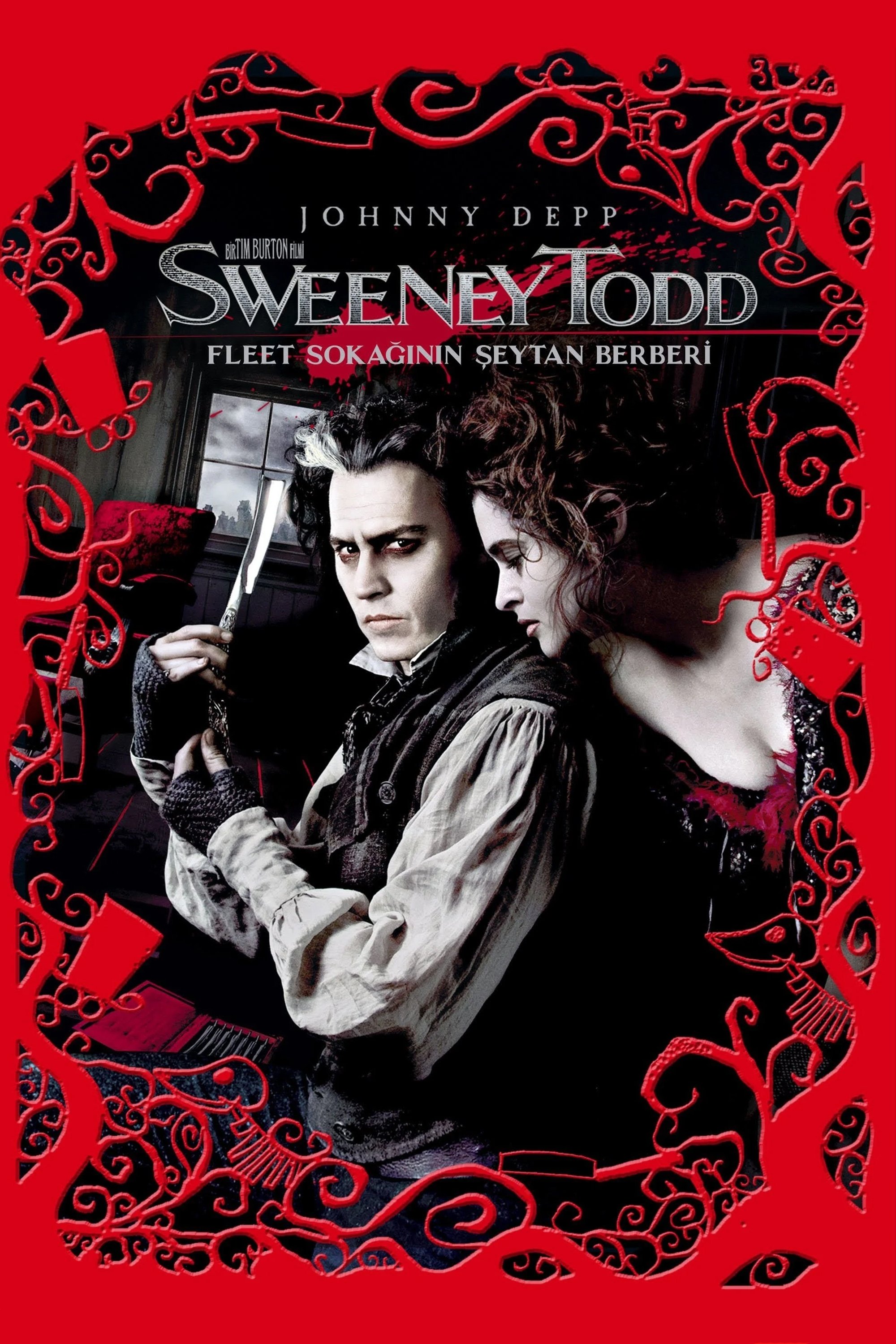
- Sweeney Todd: The Demon Barber of Fleet Street (2007) – A period drama with a dark, gothic atmosphere.
- The Piano Teacher (2001) – An example of European cinema exploring a complex and obsessive character psychology.
- Nymphomaniac (2013) – A bold approach to cinematically conveying sensory experiences.
- Brotherhood of the Wolf (2001) – Tension and mystery elements blended with period atmosphere.
Final Assessment
"Perfume: The Story of a Murderer" is a visually and sensorially striking production that successfully brings to the screen a concept rarely dared in film history. Supported by Tom Tykwer's directorial vision, strong acting performances, and rich production design, it creates an unforgettable cinematic experience. Although the film's dark and disturbing themes may not appeal to everyone's taste, it is a genuine discovery for viewers open to unconventional and deep narratives. It stands out as a must-see production for those interested in literary adaptations and auteur cinema.
Details
Cast (62)

































Ödüller
- European Film Academy Prix d'Excellence 2007
- European Film Award for Best Cinematographer 2007
5 adaylık
- European Film Academy Prix d'Excellence 2007
- European Film Award for Best Actor 2007
- European Film Award for Best Cinematographer 2007
- European Film Award for Best Composer 2007
- European Film Award – People's Choice Award for Best European Film 2007
ByTv Değerlendirmesi
Gallery
Yorumlar
Henüz yorum yok. İlk yorumu siz yazın.
Recommended



Yazıda geçen yapımlar
Senin için seçelim
Türe göre süz, puana göre sırala ya da çarkı çevirip sürpriz öneri al.