
How to Marry a Millionaire
How to Marry a Millionaire (1953) Overview How to Marry a Millionaire is a classic romantic comedy from 1953 that brought together some of the era's brightest stars. Directed by Jean Negulesco, the production holds a special place…

How to Marry a Millionaire (1953)
Overview
How to Marry a Millionaire is a classic romantic comedy from 1953 that brought together some of the era's brightest stars. Directed by Jean Negulesco, the production holds a special place in film history for uniting Marilyn Monroe, Betty Grable, and Lauren Bacall—iconic names from Hollywood's golden age—in a single cast. The film is also one of the pioneering productions shot in the CinemaScope widescreen format, which was quite novel for its time, and this technical detail is a key element that enhances the film's visual richness.
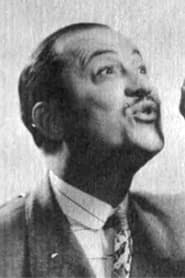
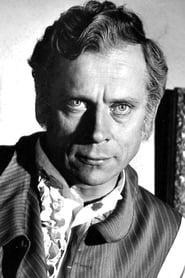
Beyond its leading cast, the production also features notable names on its technical crew. The involvement of masterful figures of the era in cinematography and art direction contributed to making the film an aesthetically strong work. In this context, the contribution of Jan Arvan, who was part of the art direction team and helped shape the film's visual identity, is also worth mentioning. The set designs reflecting the high society and luxurious lifestyle of New York at the time played a major role in shaping the film's atmosphere.
Produced by 20th Century Fox, the film achieved great commercial success from its release and became one of the highest-grossing productions of its time. With its colorful and lavish visual style, it has secured its place in film history as one of the most memorable examples of the comedy genre.
Plot
The film follows the story of three young and beautiful women who decide to live together in a luxurious apartment in New York. These three friends—Schatze, Pola, and Loco—devise a plan that will change their lives: to secure financial stability by marrying wealthy men. To this end, the trio rents a luxurious apartment and tries to enter high society circles to meet wealthy bachelors.
However, life doesn't go as planned. Each of them meets different men, faces different dilemmas, and gradually discovers that true love is far more complex and valuable than financial concerns. Unfolding amid comic misunderstandings, unexpected encounters, and surprising developments, the story both entertains the viewer and offers a subtle look at the era's gender roles and views on marriage.
Throughout the film, the friendship between the three women, how their plans change shape, and how each of them arrives at her own outcome are conveyed to the viewer in a light yet engaging narrative.
Why Watch It?
How to Marry a Millionaire is one of the rare productions that combines the elegance and entertainment of classic Hollywood cinema. Being one of the important films Marilyn Monroe made during the rise of her career, it offers a great opportunity for those wanting to see her acting talent and screen charisma. At the same time, the strong performances of Betty Grable and Lauren Bacall turn the film into an enjoyable experience where three different acting styles can be watched side by side.
The film's visual richness—reflecting the era's fashion sensibilities, interior designs, and New York's high society life—makes it worth watching not only for its story but also from an artistic and historical perspective. Being one of the early examples of the CinemaScope format also holds special significance for cinema technique enthusiasts.
Moreover, although the film is a light and enjoyable comedy, it contains subtle critiques of the era's perception of women. In this respect, it offers not only an entertaining but also a thought-provoking viewing experience.
Who Is It Suitable For?
This production is a must-see classic for those who love classic Hollywood cinema, are interested in the romantic comedy genre, and want to explore the filmographies of iconic actresses like Marilyn Monroe, Betty Grable, and Lauren Bacall. Those curious about 1950s fashion and aesthetics will also appreciate the film's visual feast.
Ideal for those seeking a lighthearted, enjoyable film far removed from heavy dramatic content, this production offers a nostalgic atmosphere that can comfortably be watched with the whole family.
Pros and Cons
Pros:
1. It is one of the rare productions featuring three great stars—Marilyn Monroe, Betty Grable, and Lauren Bacall—together
2. Its early and impressive use of the CinemaScope format made it visually groundbreaking for its time
3. Its elegant costumes and art direction successfully capture the glamorous atmosphere of 1950s New York high society
Cons:
1. By today's standards, the story's pacing feels slow in some sections
2. The female characters' marriage-focused motivations, reflecting the social norms of the era, may feel somewhat dated to modern viewers
Genre and Tone
As a classic example of the romantic comedy genre, the film carries a light, cheerful, and elegant tone. Dramatic elements are kept quite limited, with the narrative favoring comedy and romance. The dialogue is witty, and the scenes are colorful and energetic. The refined sense of humor characteristic of the era dominates the film's tone.
Runtime and Viewing Experience
The film runs approximately 96 minutes, and it moves at a smooth pace throughout without boring the viewer. The parallel handling of three separate storylines helps the film maintain its dynamic structure. The colorful visuals and widescreen format enrich the viewing experience visually. It has an ideal length and pace for a relaxing evening's entertainment.
Similar Titles
- Close in spirit to How to Marry a Millionaire: The Seven Year Itch (1955)
- Sabrina (1954)
- Some Like It Hot (1959)
- The Women (1939)
- Down with Love (2003)
Final Verdict
How to Marry a Millionaire is an enjoyable and visually striking production that reflects the essence of one of classic Hollywood cinema's brightest periods. The chemistry between the trio of Marilyn Monroe, Betty Grable, and Lauren Bacall offers viewers both entertainment and nostalgia throughout the film. The visual richness shaped by the contributions of the era's art direction and technical crew makes the film valuable not just as a comedy, but also in terms of film history. With its light yet compelling storytelling, it is a production that absolutely deserves a place in the collection of any classic cinema lover.
Details
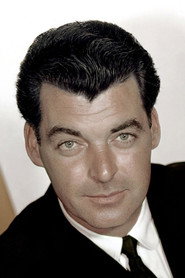
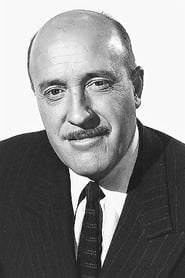
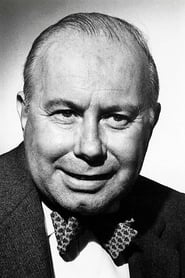
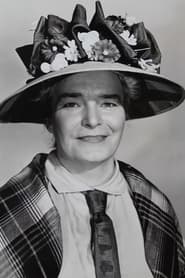
Cast (55)




















Ödüller
1 adaylık
- Academy Award for Best Costume Design, Color 1954
ByTv Değerlendirmesi
Gallery
Yorumlar
Henüz yorum yok. İlk yorumu siz yazın.
Recommended







Yazıda geçen yapımlar

Senin için seçelim
Türe göre süz, puana göre sırala ya da çarkı çevirip sürpriz öneri al.