
Guess Who's Coming to Dinner (1967)
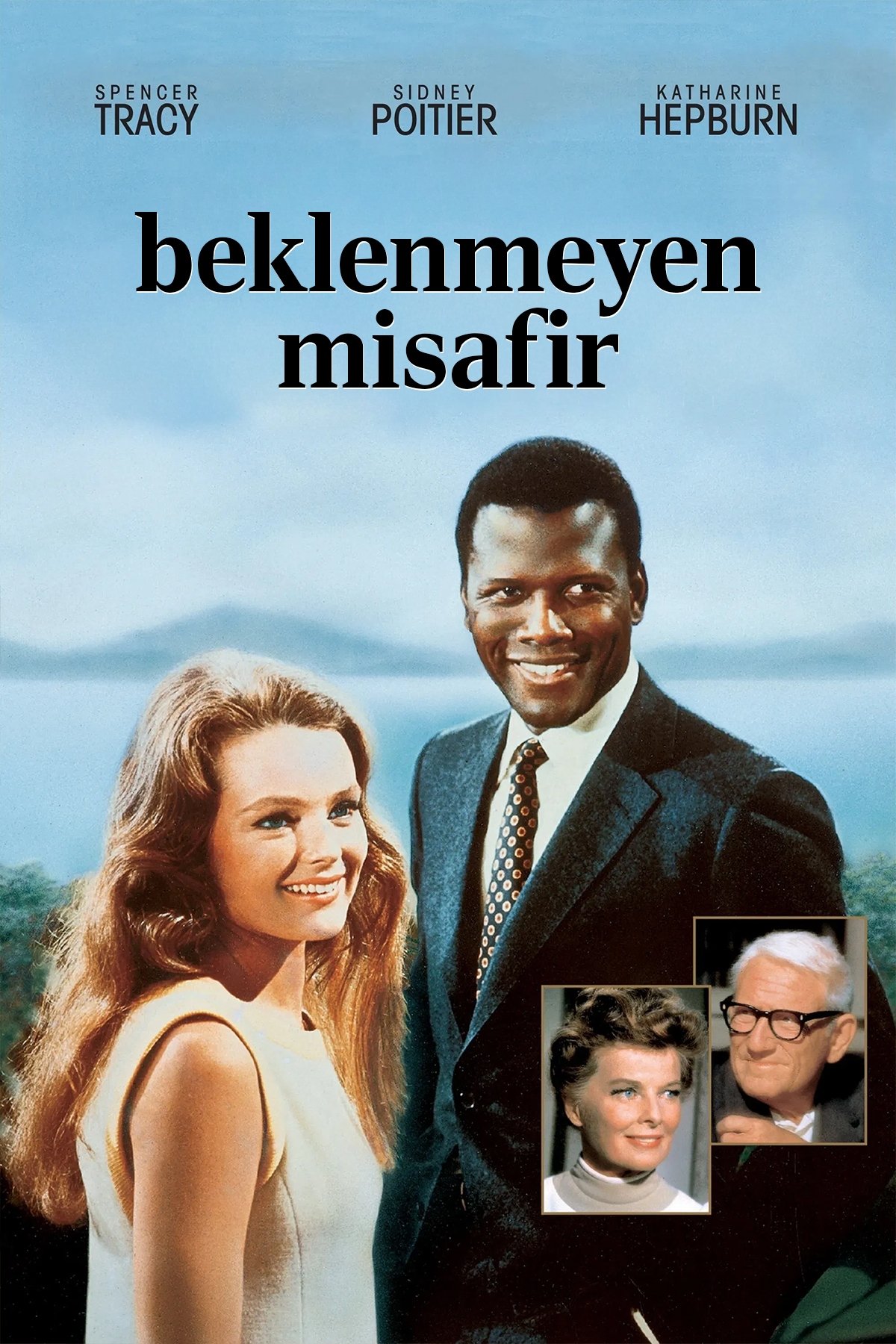
"Guess Who's Coming to Dinner," a 1967 drama directed by Stanley Kramer, is a production that caused a great stir in American society at the time. Bringing together unforgettable names in film history such as Sidney Poitier, Spenc…
Overview
"Guess Who's Coming to Dinner," a 1967 drama directed by Stanley Kramer, is a production that caused a great stir in American society at the time. Bringing together unforgettable names in film history such as Sidney Poitier, Spencer Tracy, and Katharine Hepburn, this work is a bold social drama shot during a period when racial discrimination was still deeply felt. The film is remembered, both in the year it was released and in the decades since, as one of the pioneering productions to address the theme of racism directly and honestly.
Stanley Kramer, known throughout his career as a director fond of bringing social issues to the screen, delivers one of his boldest works with this film. In 1967, interracial marriages were still illegal in some states in the United States; the film takes on this sensitive ground, focusing on a family confronting its own values. Sidney Poitier's performance in this production marks one of the key milestones in the path he paved for himself as a Black actor in Hollywood.
The film won two Academy Awards (Katharine Hepburn - Best Actress and Best Original Screenplay) and received nominations in many other categories. The fact that it drew both praise and controversy upon its release is a testament to how powerful its social impact was.
Plot
The story unfolds when a liberal-minded newspaper-owner father and his art-gallery-running wife, living in San Francisco, learn that their daughter, just back from vacation, wants to marry a doctor she has introduced to them. Although the young couple's devotion to one another is strong, what complicates the situation is that the prospective groom is Black. Over the course of a single evening dinner, the family is forced to confront both their own values and society's expectations.
Throughout the film, the audience watches how different family members react to this situation, their inner conflicts, and the conclusions they ultimately reach. Rather than a simple love story, the plot serves as a social analysis questioning intergenerational value clashes, prejudices, and the limits of true love. The events unfolding around the dinner table serve as a small but powerful reflection of the social tensions present in America at the time.
Why Watch It?
This film is one of the rare productions in cinema history that takes a bold stand and delivers a message that transcends its era. Sidney Poitier's performance is worth watching not only for its acting merit but also for the social significance it represents. The fact that this was Spencer Tracy's final performance also lends the production an added emotional weight; the actor passed away shortly after filming was completed.
The genuine emotion in Katharine Hepburn's eyes echoes the real-life love she felt for Tracy, her longtime partner, adding an authentic depth to her performance. With its sharp dialogue, strong screenplay, and scenes that capture the social atmosphere of the era, the film stands as one of the finest examples of classic Hollywood cinema.
It is also significant as a historical document. Through this film, viewers can observe how the issue of racism was addressed in 1960s America, with what courage it was tackled, and what kind of transformation society was undergoing on this matter.
Who Is It For?
This is an ideal production for viewers who love classic Hollywood cinema, are interested in socially themed dramas, and value strong acting performances. It is a must-watch for those following Sidney Poitier's filmography or curious about his importance in film history. Viewers looking for thought-provoking content on topics such as racism, prejudice, and family dynamics will also find this film satisfying.
For those expecting action or fast-paced productions, the film may feel a bit slow and dialogue-heavy. However, for those who prefer character-driven dramas with strong thematic depth, this film offers a powerful cinematic experience.
Pros and Cons
Pros:
1. Extraordinary performances by Sidney Poitier, Spencer Tracy, and Katharine Hepburn
2. An extremely bold and pioneering treatment of a social theme for its time
3. A strong, fluid, and thought-provoking screenplay structure
Cons:
1. By today's standards, the pacing of some scenes may feel slow
2. Some dialogue reflects the idealized perspective of its era, which may come across as overly optimistic to today's audience
Genre and Tone
The film belongs to the drama genre while also incorporating elements of social critique. Tonally, it strikes a balance between tension at times and warmth and hope at others. The family dialogues are enriched with both dramatic and occasionally lightly humorous moments. While tackling a weighty social issue, director Kramer avoids being didactic, choosing instead to focus on the human dimensions of his characters.
Runtime and Viewing Experience
The film runs approximately 108 minutes and largely takes place within a single day, mostly inside one house. This spatial limitation pushes the viewer to focus more closely on the characters' emotional journey. Due to its dialogue-heavy structure, it is a film that requires attentive viewing, with a pace that gives the audience time to think.
Similar Productions
- To Kill a Mockingbird (1962)
- A Raisin in the Sun (1961)
- The Defiant Ones (1958)
- Mississippi Burning (1988)
- Green Book (2018)
Final Assessment
"Guess Who's Coming to Dinner" is one of the rare productions in film history where social courage and acting mastery meet. Sidney Poitier's compelling performance, Spencer Tracy's farewell final role, and Katharine Hepburn's emotional depth are the elements that make this film timeless. For every viewer interested in social themes, who loves classic cinema, and who seeks thought-provoking stories, this film stands out as an essential classic.
Details
Cast (22)













Ödüller
- En İyi Kadın Oyuncu Akademi Ödülü 1968
- En İyi Özgün Senaryo Akademi Ödülü 1968
- Silver nugget for the best foreign film 1968
10 adaylık
- Academy Award for Best Score, Adaptation or Treatment 1968
- En İyi Erkek Oyuncu Akademi Ödülü 1968
- En İyi Film Akademi Ödülü 1968
- En İyi Film Kurgusu Akademi Ödülü 1968
- En İyi Kadın Oyuncu Akademi Ödülü 1968
- En İyi Özgün Senaryo Akademi Ödülü 1968
- En İyi Sanat Yönetmeni Akademi Ödülü 1968
- En İyi Yardımcı Erkek Oyuncu Akademi Ödülü 1968
- En İyi Yardımcı Kadın Oyuncu Akademi Ödülü 1968
- En İyi Yönetmen Akademi Ödülü
ByTv Değerlendirmesi
Gallery
Yorumlar
Henüz yorum yok. İlk yorumu siz yazın.
Recommended










Yazıda geçen yapımlar
Senin için seçelim
Türe göre süz, puana göre sırala ya da çarkı çevirip sürpriz öneri al.