
Fringe (2008)
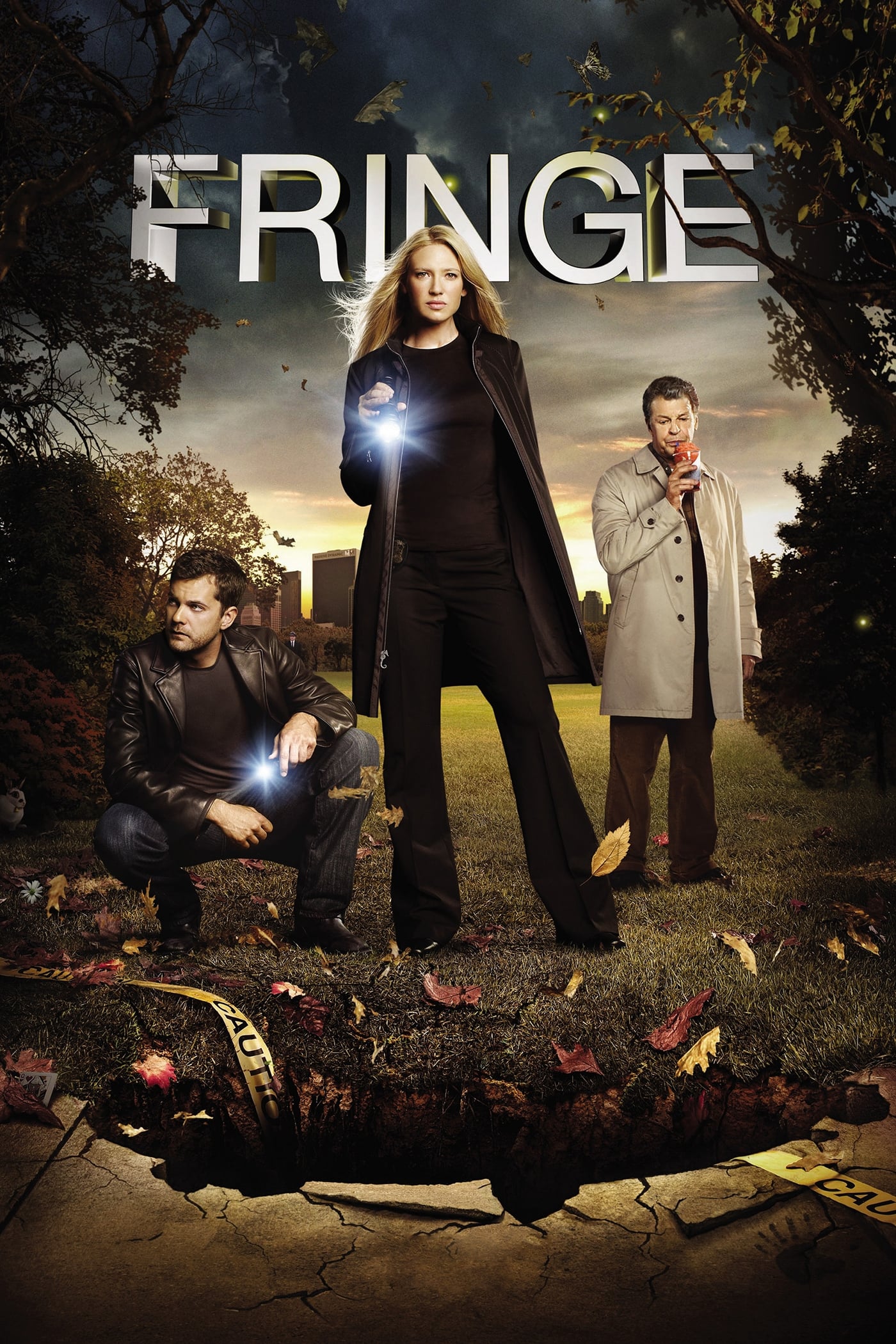
Fringe is a cult series created by J.J. Abrams, Alex Kurtzman, and Roberto Orci in 2008, blending science fiction and thriller genres, which ran for five seasons. It follows FBI agent Olivia Dunham as she investigates cases known…
Overview
Fringe is a cult series created by J.J. Abrams, Alex Kurtzman, and Roberto Orci in 2008, blending science fiction and thriller genres, which ran for five seasons. It follows FBI agent Olivia Dunham as she investigates cases known as "fringe science" — events that push the boundaries of conventional science — alongside eccentric scientist Walter Bishop and his son Peter Bishop. While the series progresses through standalone cases in its early seasons, it gradually evolves into a much more complex and large-scale mythology.
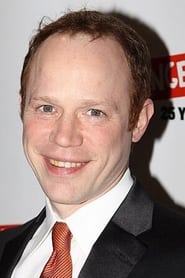
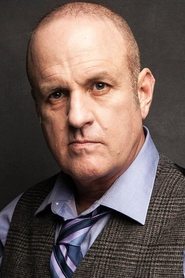
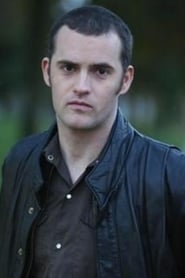
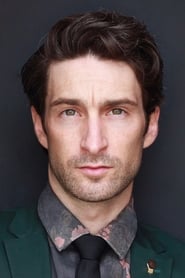
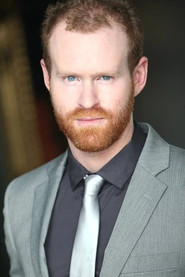
The production's visual identity, mysterious atmosphere, and depth of characters are among the elements that set it apart from science fiction series of its era. As noted on its Themoviedb page (https://www.themoviedb.org/tv/1705), the series received positive reactions from both critics and viewers, and is counted among the productions carrying on the legacy of The X-Files. While the cast includes names such as Anna Torv, Joshua Jackson, and John Noble, professionals like Denise Pillott, who worked on production and technical teams, also contributed to the series' visual and narrative quality.
Plot
The story begins with an unexplainable event occurring in Boston. While investigating this incident, FBI agent Olivia Dunham needs the help of Walter Bishop, a former scientist confined to a mental institution. Walter's son Peter Bishop also becomes involved in the process, and the trio establishes a special unit called the "Fringe Division," beginning to investigate events that push the boundaries of science and are often frightening and inexplicable.
As the series progresses, themes such as parallel universes, teleportation, mind control, and genetic engineering come into play, giving rise to a main storyline that transforms from simple case resolutions into a much larger, universal threat. While Walter Bishop's past experiments form the foundation of the series' central conflict, the characters' personal dramas also enrich the emotional depth of the narrative. Fringe offers viewers a rich narrative by blending science fiction elements with themes of family, responsibility, and loss.
Why Should You Watch It?
Unlike classic "plot-driven" series, Fringe builds a complex mythology that continuously drives viewers to ask questions. One of the series' greatest strengths is its character development; the character of Walter Bishop, in particular, delivers an unforgettable performance with both his comedic and dramatic moments. John Noble's bringing this role to life may be reason enough on its own to watch the series.
The series also handles science fiction concepts in a highly creative and original way. The parallel universe theme has rarely been explored in television history with this much detail and consistency. The visual effects are quite impressive for their time, and the atmospheric direction keeps the tension consistently alive.
Fringe's episode structure also rewards the viewer: while the early seasons feature standalone cases that warm viewers up to the series, later seasons transition to a structure fully focused on the main storyline. This gradual transition increases the viewer's attachment to the series. At the same time, by combining scientific speculation with philosophical questions, the series offers not just action and suspense but also a thought-provoking viewing experience.
Who Is It Suitable For?
Fringe is an ideal production especially for viewers who love science fiction and mystery genres. Those who enjoyed series like The X-Files, Lost, or Person of Interest will find a similar atmosphere and narrative style in Fringe. For those interested in topics like parallel universes, time travel, and genetic experiments, the series will be a great source of enjoyment.
At the same time, viewers who love character-driven stories will also be satisfied with Fringe, because alongside its science fiction elements, the series also explores universal themes such as family bonds, fatherhood, loss, and identity. However, due to the tension and violence scenes present in some episodes of the series, caution is advised for sensitive viewers. Additionally, the series' complex mythology may feel a bit too dense for those looking for an ordinary "background watching" series; it is a production that requires careful, attentive viewing.
Pros and Cons
Pros:
1. Strong character development and especially John Noble's extraordinary performance are among the most unforgettable elements of the series.
2. Its creative and consistent science fiction plotting offers a structure that stands out in television history in terms of parallel universes and mythology.
3. The emotionally deep storytelling affects viewers not just as science fiction, but also as a family drama.
Cons:
1. Some episodes of the first season may feel more standalone and scattered compared to later seasons, which can make the entry process more difficult for some viewers.
2. The increasing complexity of the mythology can make the story harder to follow for inattentive viewers.
Genre and Tone
Fringe is a production that skillfully blends the genres of science fiction, thriller, and drama. Although its tone occasionally carries a dark and gloomy atmosphere, it is frequently softened with elements of dark humor, particularly thanks to the character of Walter Bishop. By combining scientific speculation with philosophical and ethical questions, the series offers viewers not just entertainment but also an intellectual layer.
Visually, the series' atmospheric cinematography and special effects reinforce the tension of the story. The music and sound design also support the series' mysterious mood. Overall, Fringe succeeds in striking a balanced tone between dark science fiction and emotional family drama.
Runtime and Viewing Experience
Fringe consists of a total of five seasons and approximately 100 episodes. Each episode typically runs 40-45 minutes. While the first two seasons of the series offer a balanced structure in terms of both standalone cases and the overall mythology, starting from the third season, the narrative becomes entirely focused on the main storyline.
It is strongly recommended that viewers follow the series in sequential order from beginning to end, as the plot and character developments are tightly interconnected. Since Fringe maintains a strong sense of curiosity at the end of episodes, it is quite suitable for a "marathon" viewing experience. However, due to its complex mythology, it requires a careful and concentrated viewing process; it is a production that demands full attention rather than being something to watch in the background.Similar Productions
- The X-Files – A classic science fiction series that tells the story of agents investigating inexplicable events, and served as a source of inspiration for Fringe.
- Lost – A cult production that offers a similar viewer experience with its complex mythology and mysterious plot.
- Person of Interest – A suspense-filled science fiction series that explores themes of technology and surveillance.
- Stranger Things – A production that blends science fiction and mystery, set in a different era and tone but with a similar sense of curiosity.
- Dark – A series that deeply explores themes of time travel and parallel universes, and with its complex mythology may appeal to fans of Fringe.
- Warehouse 13 – A lighter-toned science fiction production in which a special unit similar to the Fringe Division investigates mysterious events.
Final Assessment
Fringe holds an important place in television history as one of the most original and memorable examples of the science fiction genre. With its strong characters, creative mythology, and emotional depth, it goes far beyond being just a "case-solving" series. While Walter Bishop's complex and touching story forms the heart of the series, the parallel universes theme manages to keep viewers curious right up to the final episode.
Continuously reinventing and improving itself over the course of five seasons, Fringe is a production that science fiction fans should not miss. Offering both a thought-provoking and emotional viewing experience, the series more than deserves to be remembered as a respected cult classic that still awaits discovery by many viewers today.
Where to Watch

Details
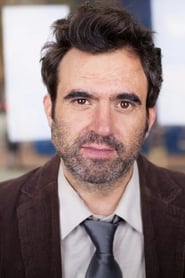
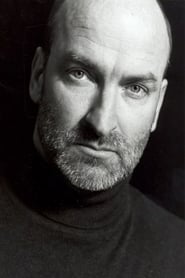
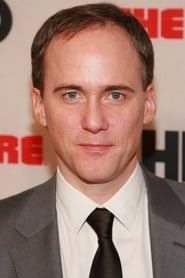
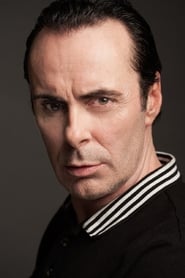
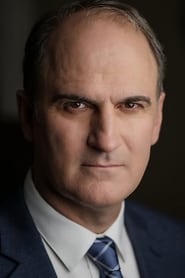
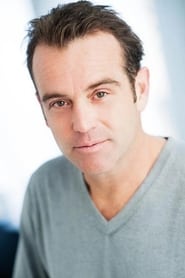
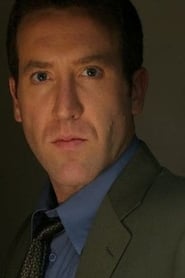
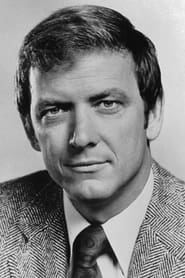
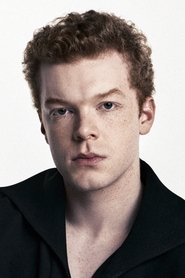
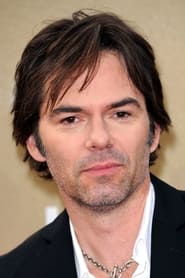
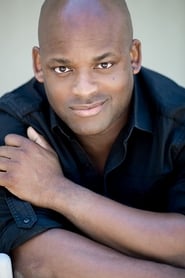
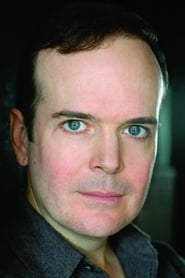
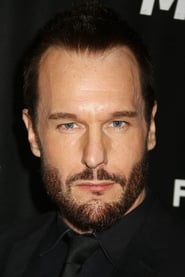
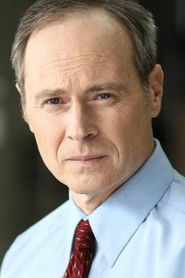
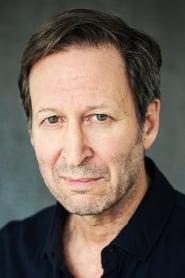
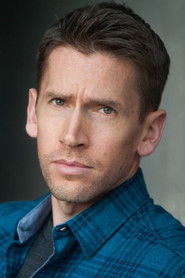
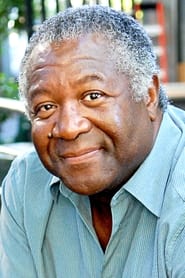
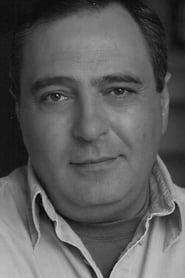
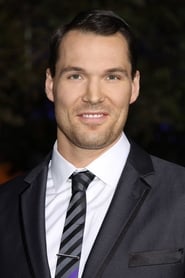
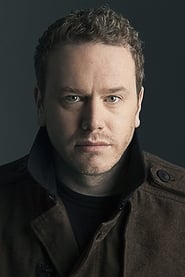
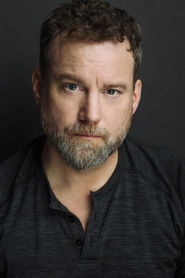
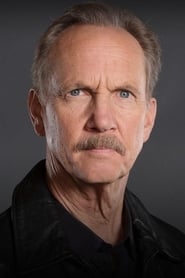
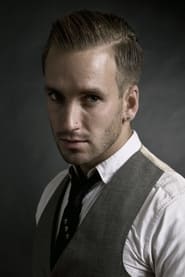
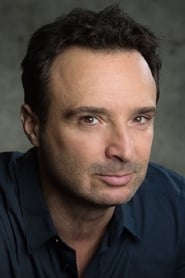
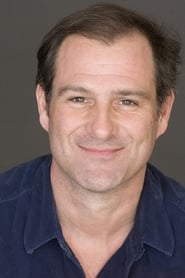
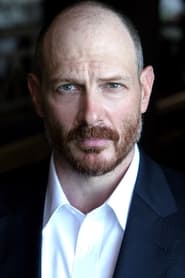
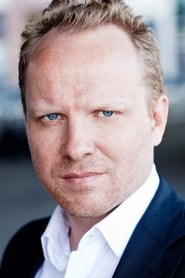
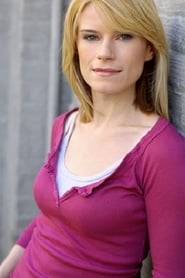
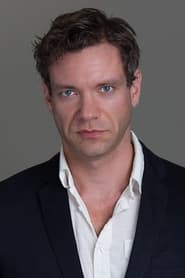
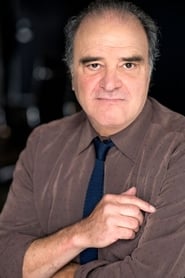
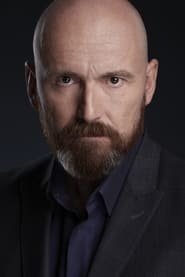
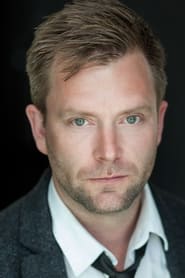
Cast (1142)

















































































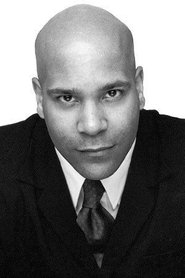



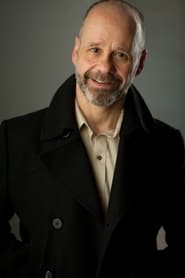







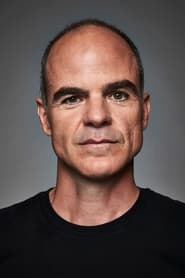




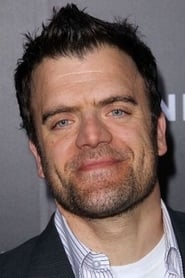



































































































































































































































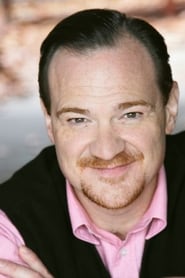


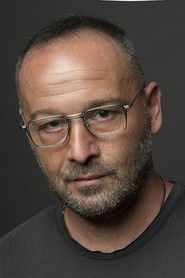



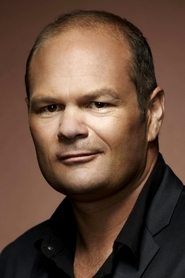








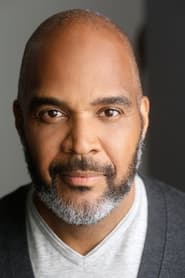










































































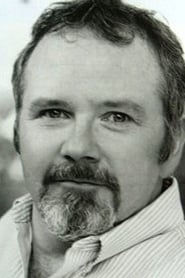



































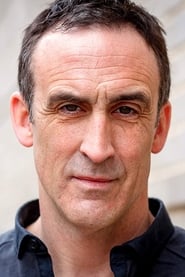











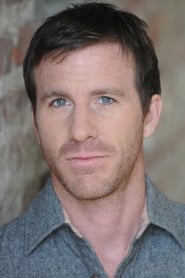




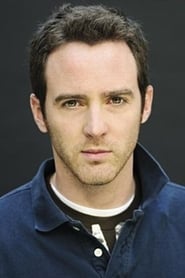
















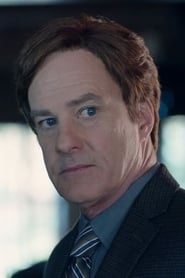













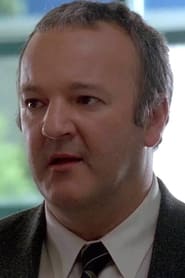
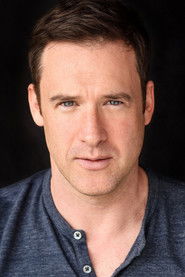
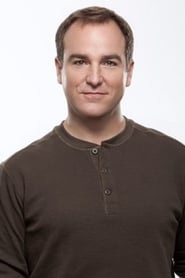




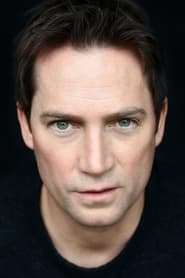




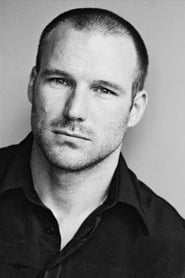









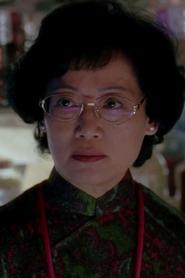




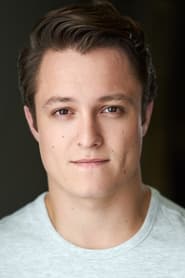


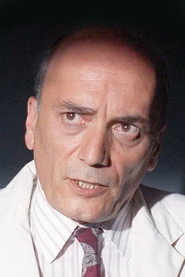





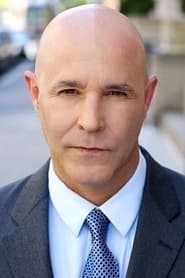




































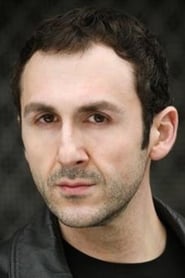
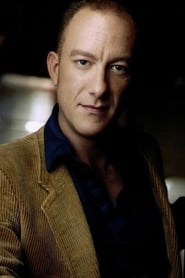




















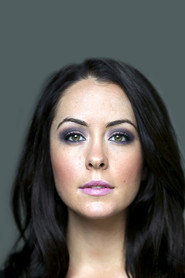






















































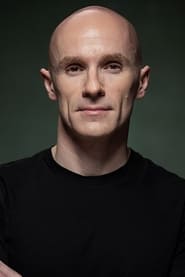

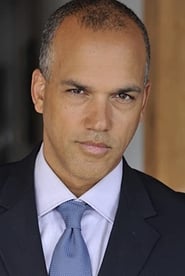




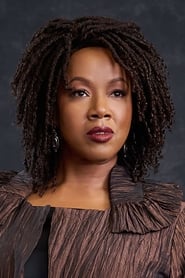























































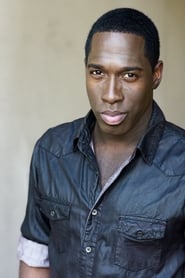


































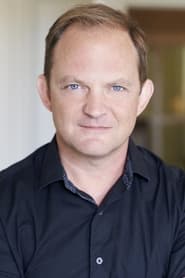













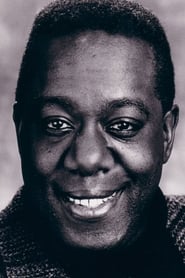





















































Sezonlar
Gelince haber ver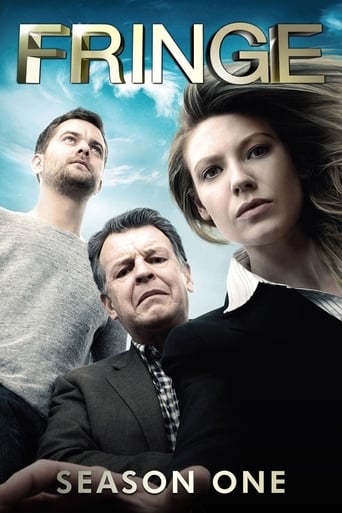 2008
2008  2009
2009  2010
2010  2011
2011  2012
2012 Ödüller
6 adaylık
- Hugo Award for Best Dramatic Presentation, Short Form 2013
- Teen Choice Award for Choice TV Actress Fantasy/Sci-Fi 2010
- TCA Award for Outstanding New Program 2009
- Teen Choice Award for Choice TV Actor Drama 2009
- Writers Guild of America Award for Television: New Series 2009
- Dizi, Mini Dizi veya Televizyon Filminde En İyi Yardımcı Erkek Oyuncu Satellite Ödülü 2008
ByTv Değerlendirmesi
Gallery
Yorumlar
Henüz yorum yok. İlk yorumu siz yazın.
Recommended


Yazıda geçen yapımlar
Senin için seçelim
Türe göre süz, puana göre sırala ya da çarkı çevirip sürpriz öneri al.