
Yes, Prime Minister
Yes, Prime Minister (1986) Overview "Yes, Prime Minister" is a legendary political satire that carries the golden age of British television comedy into the present day as the sequel to the iconic series "Yes Minister". Airing unde…
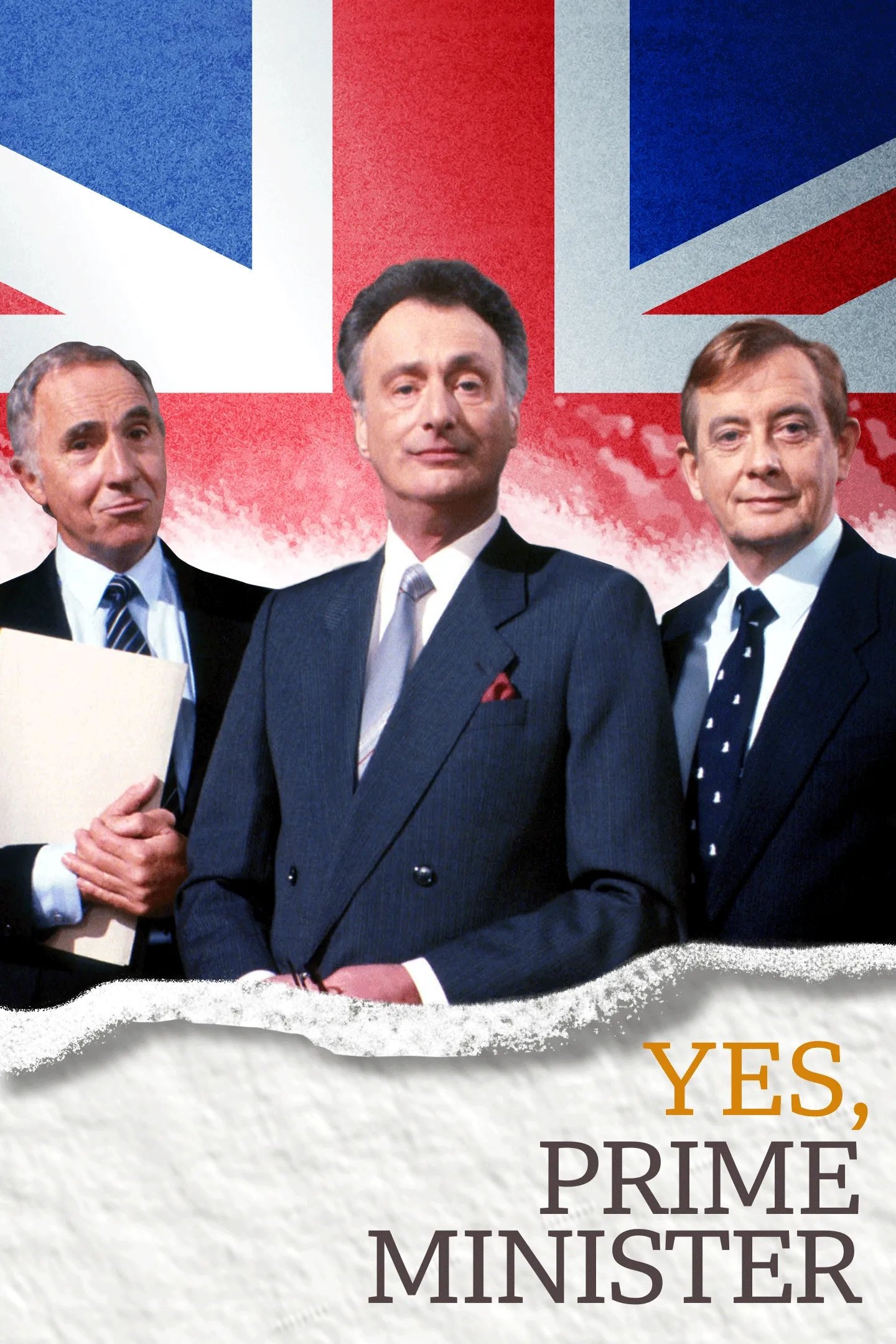
Yes, Prime Minister (1986)
Overview
"Yes, Prime Minister" is a legendary political satire that carries the golden age of British television comedy into the present day as the sequel to the iconic series "Yes Minister". Airing under the BBC banner in 1986, the show tackles the workings of British bureaucracy and the political world with astonishing wit and razor-sharp dialogue. Written by Jonathan Lynn and Antony Jay, the production shows how, now that Jim Hacker—whom we previously watched as a Minister—has taken a seat as Prime Minister, nothing really changes even at the pinnacle of power, and reveals how the system protects itself.
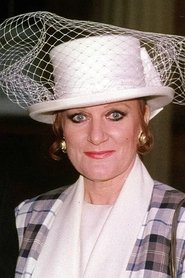
One of the most striking aspects of the show is the cast's acting performances. In this context, Gwen Taylor's performance stands out as one of the elements supporting the production's quality. Taylor's presence on screen offers a contribution that fits the show's overall atmosphere and strengthens the dynamics between characters. "Yes, Prime Minister" is regarded as a timeless work that appeals to a wide audience, from political science students to casual viewers, well beyond being merely a comedy series.
The show's writing quality, its mastery of dialogue, and the intellectual duels the characters engage in with one another are the core elements that make it one of the finest political comedies in television history. Each episode contains subtle references to real-life political events while also offering a universal critique of bureaucracy.
Plot
At the center of the show is Jim Hacker, now Prime Minister of the United Kingdom. Hacker realizes that the bureaucratic obstacles he faced during his days as a minister now await him on a much larger scale. His power struggle with Cabinet Secretary Sir Humphrey Appleby continues at the very top of the country. As Hacker tries to fulfill the promises he made to voters, Sir Humphrey and the bureaucratic apparatus he represents do everything they can to preserve the status quo.
In each episode, a policy proposal raised by Hacker is either rendered completely ineffective or twisted beyond recognition through Sir Humphrey's masterful maneuvers and wordplay. This conflict forms the show's main engine, offering viewers a mocking yet remarkably realistic perspective on how real political decisions are shaped behind the scenes. Special Advisor Bernard Woolley, caught between these two powers and constantly questioning his loyalty, adds balance to the story as a comic character.
Topics covered throughout the series range widely, including education reforms, defense policy, European relations, media management, and public perception. Yet every topic circles back to the same fundamental question: who really governs?
Why Watch It?
Despite the decades that have passed since its original airing, "Yes, Prime Minister" remains a production that retains a surprising degree of relevance. Its observations on the nature of politics and bureaucracy carry universal validity, not confined to any particular country or era. The show's dialogue writing reaches a level of wit rarely seen in television history; every line is both funny and thought-provoking.
The acting performances, especially watching the chemistry between the lead actors, are a pleasure in their own right. The strong cast, including Gwen Taylor, enhances the believability of the characters and keeps the show's comedic tone perfectly calibrated at all times. While laughing, viewers also gain awareness of the real-world mechanisms of politics.
Who Is It For?
This show is an excellent choice especially for viewers interested in politics, history, and British culture. Anyone who enjoys clever dialogue and wordplay, and who appreciates classic British humor, will get a great deal of enjoyment out of this production. It also serves almost as a lesson for those curious about bureaucracy and state administration.
It may not be an ideal choice for those looking for fast-paced action or heavily visual-effects-driven content, since the show's strength lies entirely in its writing and performances.
Pros and Cons
Pros: 1. Extremely cleverly written, multi-layered dialogue. 2. A strong and cohesive cast, including Gwen Taylor. 3. A timeless and universal political satire theme.
Cons: 1. The slow-paced, dialogue-heavy structure may be tiring for some viewers. 2. Those unfamiliar with the British political context of the era may miss some references.
Genre and Tone
The show combines the classic British sitcom format with political satire. The tone is generally built on dry, witty humor; subtle sarcasm and irony take precedence over exaggerated comedic elements. The behind-the-camera filming style and studio audience laughter reflect the show's classic British television aesthetic.
Runtime and Viewing Experience
Episodes generally run around 30 minutes and require careful viewing due to their dense dialogue content. Despite the short episode length, the density of information and wit in each episode may encourage viewers to watch again.
Similar Productions
- Yes Minister (1980)
- The Thick of It (2005)
- House of Cards (1990, British version)
- Veep (2012)
- Utopia (2013)
Final Verdict
"Yes, Prime Minister", as one of the most cleverly written political comedies in television history, offers a viewing experience that is both entertaining and thought-provoking. The cast, enriched by Gwen Taylor's performance, is one of the elements reinforcing the show's lasting impact.
Details
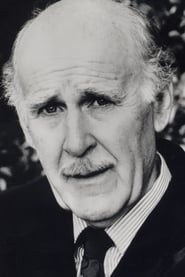
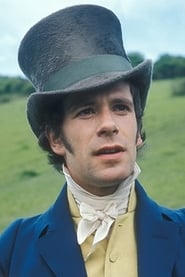
Cast (29)
















Sezonlar
Gelince haber ver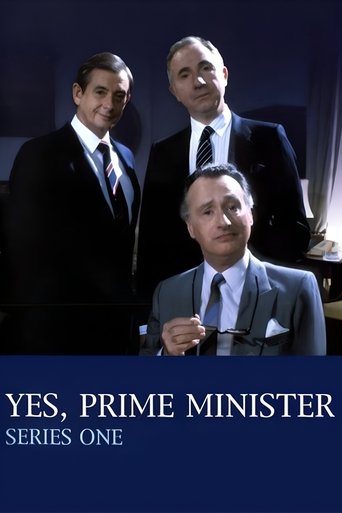 1986
1986  1987
1987 ByTv Değerlendirmesi
Gallery
Yorumlar
Henüz yorum yok. İlk yorumu siz yazın.
Recommended
Senin için seçelim
Türe göre süz, puana göre sırala ya da çarkı çevirip sürpriz öneri al.