
Wonder Woman (1975)
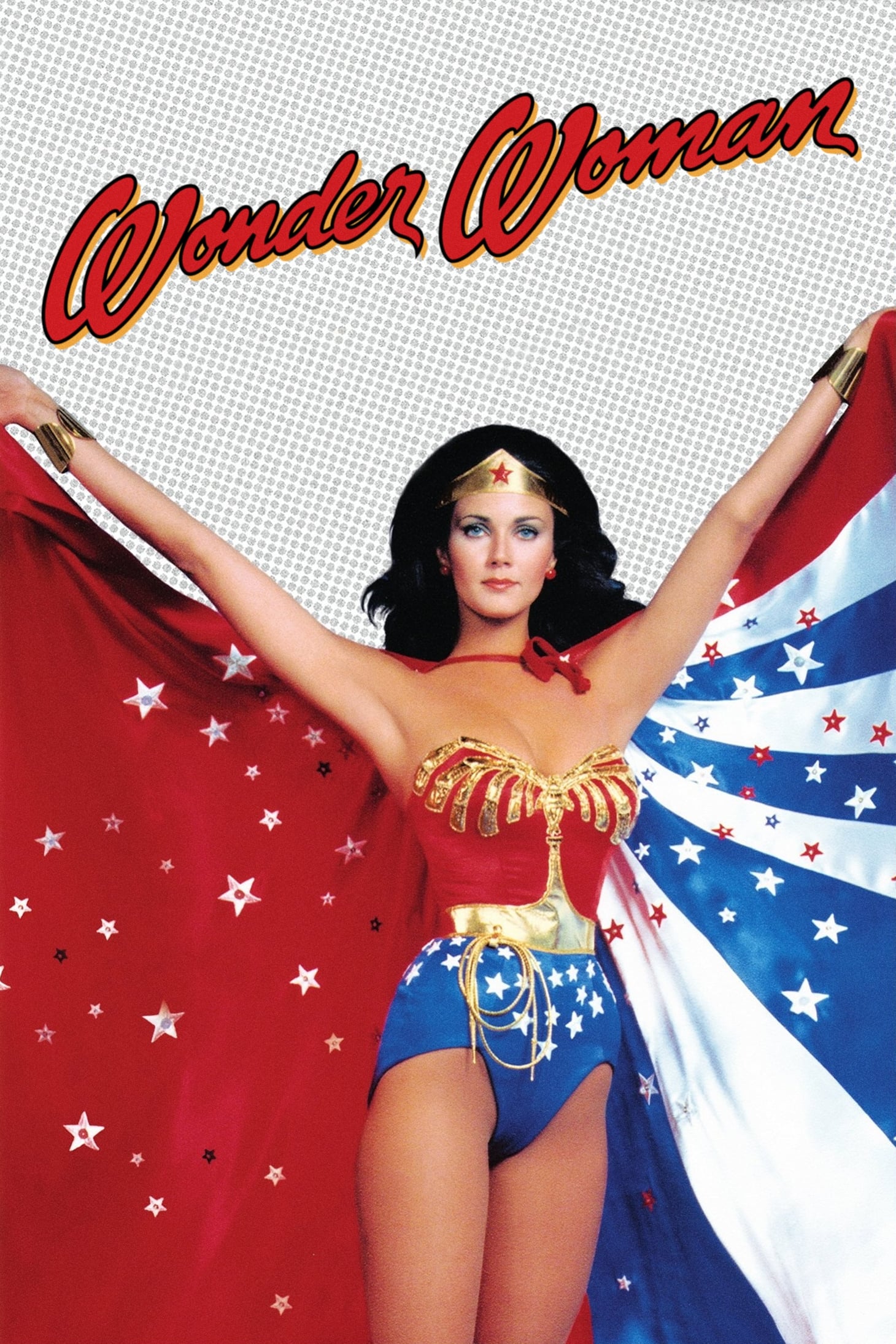
Airing in 1975, Wonder Woman is a classic American production that brought DC Comics' legendary superhero character to audiences in live-action format. The series, which left an indelible mark on popular culture through Lynda Cart…
Overview
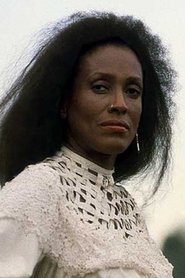
Airing in 1975, Wonder Woman is a classic American production that brought DC Comics' legendary superhero character to audiences in live-action format. The series, which left an indelible mark on popular culture through Lynda Carter's performance, offers an entertaining structure fitting the television sensibilities of the era by blending both the mysterious world of the Amazon princess and the World War II period. While the first season of the series takes place in wartime America, in subsequent seasons the story moves to the present day, taking on a different tone. Carmen Zapata, part of the show's cast, contributed to the television storytelling of the period as one of the production's supporting characters. As one of the early examples of superhero television productions, Wonder Woman still carries nostalgic value today and is regarded as an important milestone in the development of the genre.
The production, centering on DC's most recognized female hero, brought an alternative perspective to the male-dominated superhero narratives that had prevailed up to that point. The dual identity of the character Diana Prince — both an ordinary human and an Amazon warrior with extraordinary powers — forms the core dramatic tension of the series. Although the production values are in line with the standards of the era, the show has secured a lasting place in television history through the character's iconic costume, music, and energetic scenes.
Plot
The series follows the Amazon princess Diana's struggle to bring justice to the world while protecting her secret identity. In the first season, Diana, who assists the American military during World War II, tries to prevent espionage incidents while also taking care to keep her extraordinary powers hidden. In later seasons, the story moves to modern times, and Diana Prince continues to fight evil while concealing her identity as she works at a government agency.
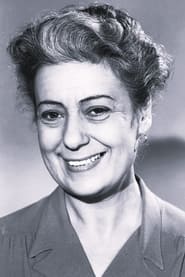
Each episode is generally shaped around a self-contained storyline; encountering spies, criminal organizations, and extraordinary threats, Diana overcomes situations using both her physical powers and her intelligence. Iconic elements such as her magic belt, golden lasso, and the spinning costume-change move form the cornerstones of the series' visual identity. The role played by Carmen Zapata among the supporting characters adds a different layer to the expanding universe of the story and contributes to the narrative diversity of television at the time.
Why Watch It?
Wonder Woman is an important reference point for viewers curious about the origins of superhero television productions. Lynda Carter's performance, which brought both strength and grace to the character, became a source of inspiration for all the Wonder Woman adaptations that followed in later years. The series' nostalgic atmosphere offers a special delight for those curious about 1970s television aesthetics.
The series also succeeds in entertaining viewers by creatively staging action scenes despite the limited technical resources of the era. Diana Prince's dual-identity structure handles the fundamental dynamics of classic superhero narratives in a simple yet effective way. The theme of a strong female hero, approached from a feminist perspective, represents a remarkably bold and pioneering approach for the era in which the series aired. In this respect, Wonder Woman can be regarded as more than just an entertaining action series — it is also an important production in the history of popular culture in terms of the representation of women.
Who Is It For?
Wonder Woman is an ideal choice for viewers interested in classic television productions and those who enjoy discovering nostalgic content. Fans of the DC universe who want to see the character's roots in television history before its cinematic adaptations will also greatly enjoy this series. Since it is a production suitable for family viewing with restrained violence, it offers content that can appeal to different age groups.
At the same time, it is a valuable resource for viewers examining the evolution of the superhero genre from an academic or enthusiast perspective. Those curious about the popular culture, costume designs, and television production techniques of the 1970s will also find engaging elements in the series.
Pros and Cons
Pros:
1. Lynda Carter's iconic and energetic performance gives the character an unforgettable identity.
2. Action scenes and visual effects, creatively staged given the constraints of the era, stand out.
3. It leaves a lasting impact on popular culture by pioneering the theme of a strong female hero.
Cons:
1. The repetitive plot structure in some episodes may feel monotonous for modern viewers.
2. Due to the technical limitations of the era, the effects and production values may remain limited compared to today's standards.
Genre and Tone
While combining the action, adventure, and superhero genres, the series adopts a light and entertaining tone in keeping with the television storytelling conventions of its time. The first season adds a historical texture with its wartime atmosphere, while subsequent seasons transition to a more modern, espionage-themed structure. Overall, the series aims to offer viewers an enjoyable and smooth viewing experience by steering clear of heavy dramatic elements. Humor and warm dialogue between characters are important components that soften the overall atmosphere of the series.
Runtime and Viewing Experience
Each episode runs an average of 45-50 minutes, in keeping with the classic television series format. Since there is an independent story structure between episodes, viewers can follow the series out of order as well, providing a flexible viewing experience. While the large number of episodes offers a lengthy viewing journey, the fact that each episode has a self-contained structure means it can be followed without growing tiresome. Along with its nostalgic atmosphere, it offers a light and relaxing option for viewers looking to escape the stress of the day.
Similar Productions
- The Bionic Woman (1976)
- The Incredible Hulk (1978)
- Superman: The Animated Series (1996)
- Xena: Warrior Princess (1995)
- Charlie's Angels (1976)
Final Assessment
Wonder Woman (1975) is a classic production that laid the foundations of superhero television, creating an impact that transcended its era. Lynda Carter's performance and the character's bold, pioneering nature elevate the series beyond being merely a nostalgic form of entertainment, making it an important reference point in popular culture. Despite its technical limitations, the series' entertaining tone and strong female hero theme offer an experience well worth discovering for today's viewers as well. For those interested in classic television productions and the roots of the superhero genre, Wonder Woman promises an enjoyable and historically valuable viewing experience.
Details
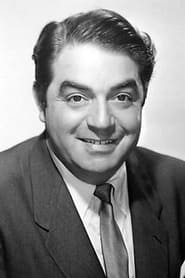
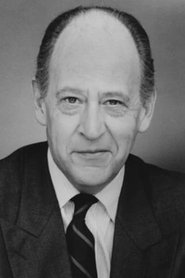
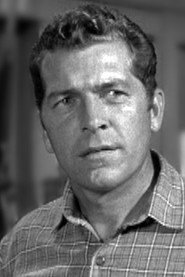
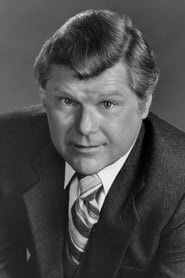
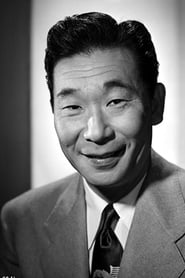
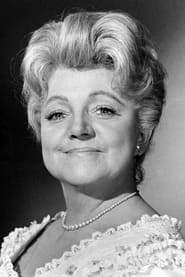
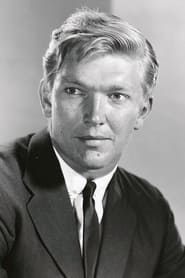
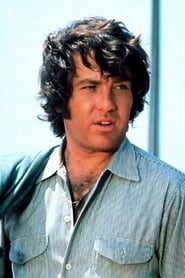
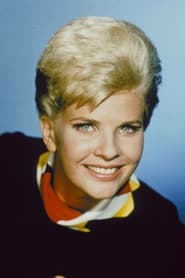
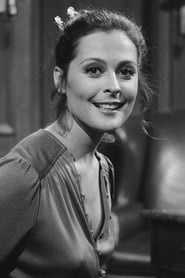
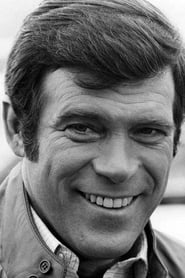
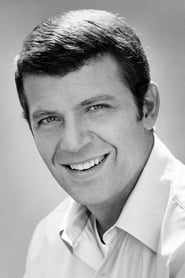
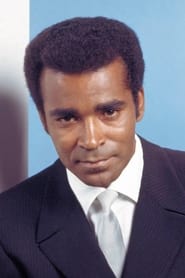
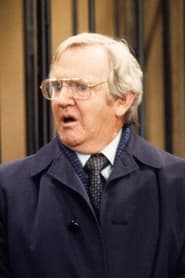
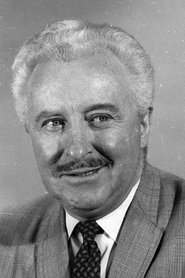
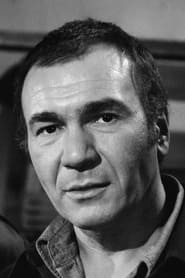
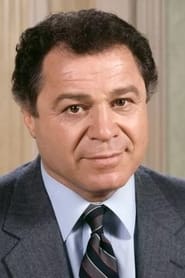
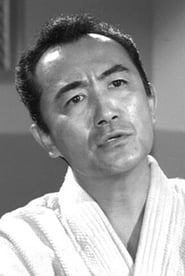
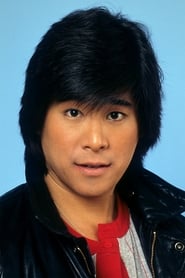
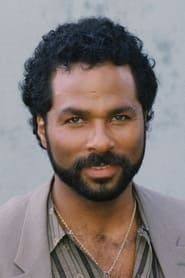
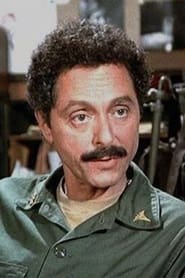
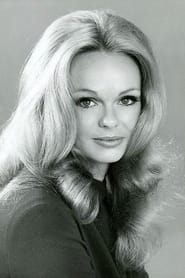
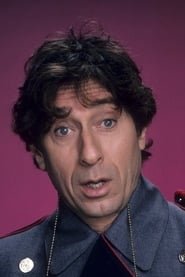
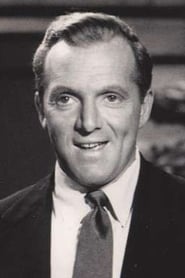
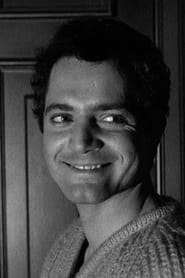
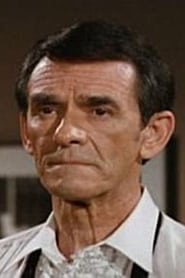
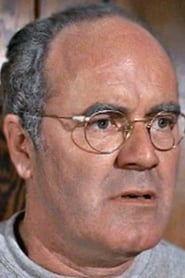
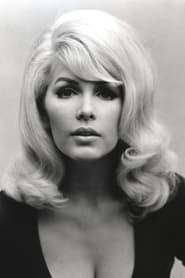
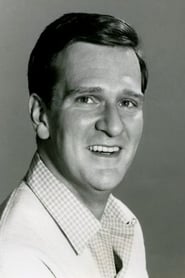
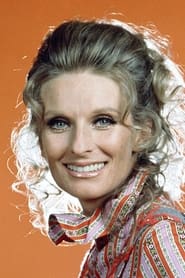
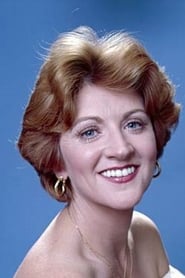
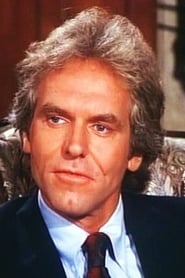
Cast (369)

















































































































































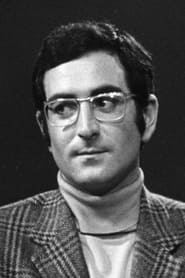
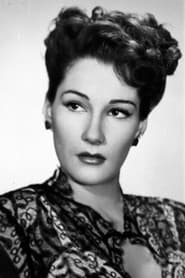
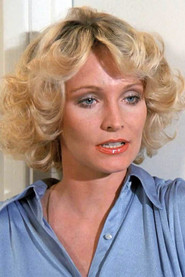


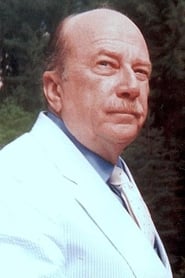











































Sezonlar
Gelince haber ver 1975
1975  1977
1977  1978
1978 ByTv Değerlendirmesi
Gallery
Yorumlar
Henüz yorum yok. İlk yorumu siz yazın.
Recommended






Yazıda geçen yapımlar
Senin için seçelim
Türe göre süz, puana göre sırala ya da çarkı çevirip sürpriz öneri al.