
The Hobbit: The Battle of the Five Armies
The Hobbit: The Battle of the Five Armies (2014) Overview The Hobbit: The Battle of the Five Armies is the final installment of Peter Jackson's Hobbit trilogy, adapted from J.R.R. Tolkien's immortal work. This adventure, which beg…

The Hobbit: The Battle of the Five Armies (2014)
Overview
The Hobbit: The Battle of the Five Armies is the final installment of Peter Jackson's Hobbit trilogy, adapted from J.R.R. Tolkien's immortal work. This adventure, which began in 2012 and heralded a return to the world of Middle-earth, comes to a close in 2014 with a finale worthy of the grand, epic, and emotional tone we know from The Lord of the Rings films. The production aims to deliver an unforgettable cinema experience with both its visual effects and its massive-scale battle sequences.
The film brings together all the threads of the story meticulously built up over the previous two chapters. This finale, where the fates of the dwarf company led by Thorin Oakenshield, Bilbo Baggins, and the mighty dragon Smaug intersect, also brings a historic clash to the big screen—one in which five different armies, dwarves, elves, men, orcs, and eagles, come together. Peter Jackson once again uses New Zealand's breathtaking landscapes as a backdrop, making viewers feel the magic of Middle-earth once more.
Since the film also serves as the closing chapter of the cinematic interpretation of Tolkien's universe, it can also be read as an emotional farewell to both the Hobbit trilogy and the broader Middle-earth cinematic legacy.
Plot
Opening with Smaug's threat over Esgaroth (Lake-town), the film centers on the power vacuum created by the dragon's devastation and the conflict among the various forces trying to fill it. Although Thorin Oakenshield has reclaimed Erebor, the kingdom of his ancestors, he begins to succumb to what is called "dragon sickness"—a consuming greed for gold. This causes tension to grow between him and his old friends and allies.
While the people of Esgaroth try to build a new life after the destruction of their city, Thranduil, King of the Elves, and Bard, leader of the Men, demand a share of Erebor's treasure. These demands escalate tensions between the dwarves and the other races, while an even greater danger looms on the horizon: orc armies under Sauron's command set out to seize Erebor and the treasure within it.
Bilbo Baggins is forced to make difficult decisions to prevent conflict among his friends and to avert the impending catastrophe. The film features one of the largest-scale battle sequences in Middle-earth cinema history, as five different armies converge on the same battlefield. Meanwhile, the characters' personal stories are shaped around themes of friendship, sacrifice, and honor as they build toward the final scenes.
Why Watch It?
The film stands out as a production that pushes the boundaries of visual effects technology in cinema. The scenes in which five armies clash simultaneously on the battlefield display impressive craftsmanship in both choreography and visual composition. Howard Shore's unforgettable score reinforces the emotional impact of the scenes while once again conveying the epic atmosphere of the Middle-earth theme.
The film also marks an important point in terms of character development. Thorin Oakenshield's inner conflict goes beyond the classic hero narrative, delving deeply into the destructive effects of power and greed on human (or in this case, dwarven) nature. This offers a darker and more mature narrative layer than we've seen in the previous installments of the series.
Additionally, New Zealand's stunning natural landscapes stand out almost as an independent character throughout the film. The cinematography successfully reflects both the threatening and enchanting nature of Middle-earth.
Who Is It For?
This film is ideal primarily for viewers already familiar with Tolkien's universe and Peter Jackson's previous Middle-earth adaptations. Those who have watched The Lord of the Rings trilogy and the first two Hobbit films will enjoy this final chapter far more. It also offers a satisfying experience for viewers drawn to the epic fantasy genre, large-scale battle sequences, and sweeping narratives.
Fans of action- and visual-effects-driven productions will be pleased with the visual spectacle the film offers. However, for viewers who prefer character-focused, slower-paced dramas, the film may feel overly action-heavy due to the intensity of its battle sequences.
Pros and Cons
Pros:
1. The visual effects and the choreography of the battle sequences deliver an impressive experience on a cinematic scale.
2. Howard Shore's score powerfully supports the film's emotional and epic atmosphere.
3. Thorin Oakenshield's character arc forms one of the most mature and deep narrative elements of the series.
Cons:
1. The trilogy's expanded structure compared to its source novel may cause pacing issues for some viewers.
2. Some supporting characters and subplots may feel underdeveloped, overshadowed by the main narrative.
Genre and Tone
The film contains the classic elements of the epic fantasy genre—sweeping battles, mythological creatures, heroic tales—while also carrying a dramatic and emotional tone. Compared to the previous two Hobbit films, the tone shifts toward a darker and more serious line, bringing the film even closer to the atmosphere of The Lord of the Rings trilogy. While the action scenes are intense and grand, the emotional moments between characters are not neglected either.
Runtime and Viewing Experience
The film runs for approximately 2 hours and 24 minutes, largely focusing the viewer's attention on battle scenes, strategic tensions, and conflicts between characters throughout that time. The widescreen experience and powerful sound design make it advisable to watch the film on a big screen or with a quality home cinema system whenever possible. Starting with this installment without having watched the previous films in the series may make it harder to grasp the emotional depth of the story; therefore, it is recommended to watch the trilogy as a whole.
Similar Productions
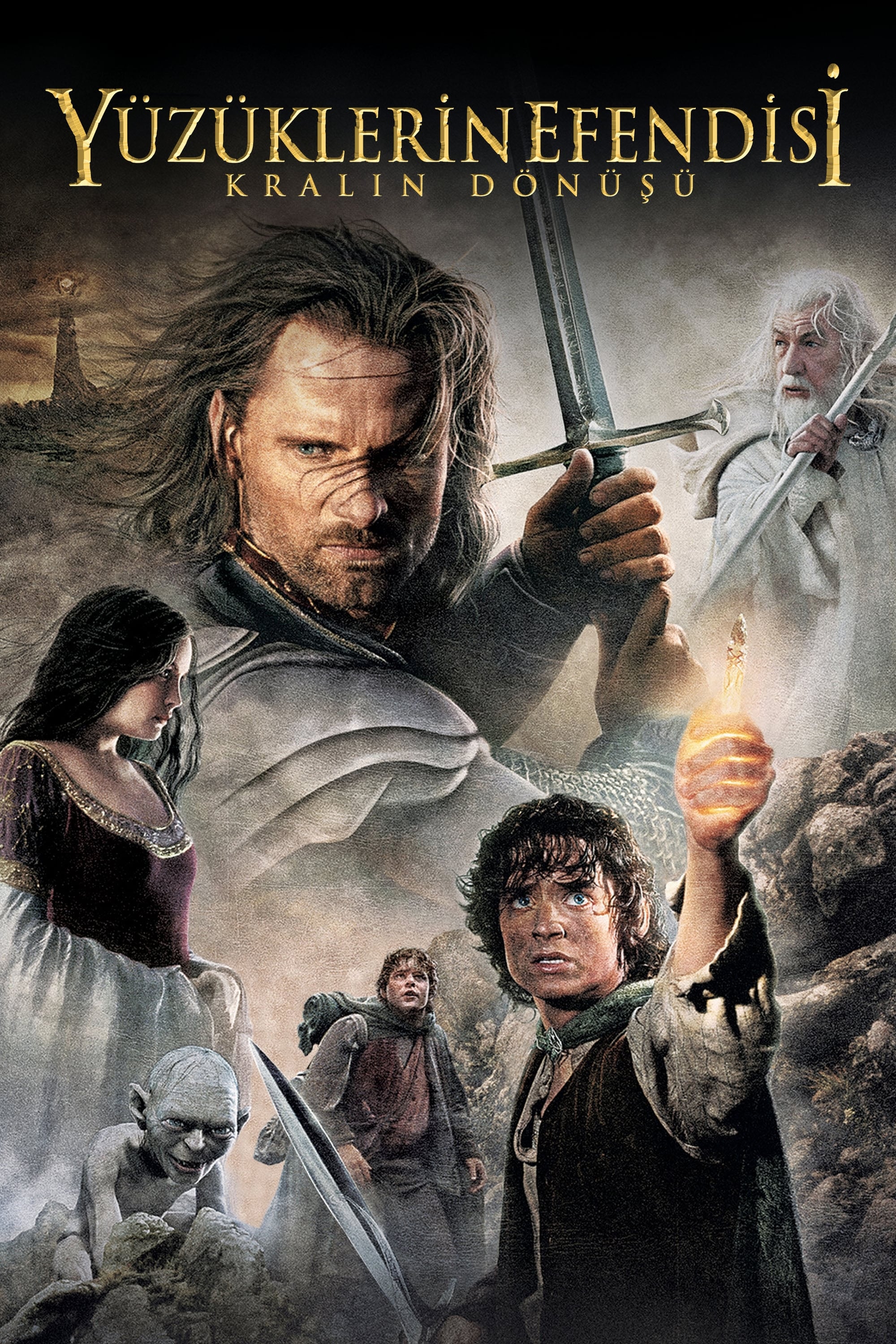
- The Lord of the Rings: The Return of the King (2003)
- The Hobbit: The Desolation of Smaug (2013)
- The Lord of the Rings: The Two Towers (2002)
- Chronicles of Narnia: Prince Caspian (2008)
- Game of Thrones (TV series, 2011-2019)
- Warcraft (2016)
Final Assessment
The Hobbit: The Battle of the Five Armies delivers an emotional and grand closing to both a trilogy and a broader cinematic universe. With its achievements in visual effects, musical composition, and character depth, the film gives fans of the epic fantasy genre a satisfying final experience. For viewers familiar with Tolkien's universe, this film stands as the last stop on a journey that is both nostalgic and visually rewarding. It stands out as a must-watch for anyone captivated by the series' overall atmosphere and the magic of Middle-earth.
Where to Watch


Details
Cast (64)













































Hobbit [Seri]
Ödüller
- Saturn Ödülü En İyi Fantastik Film 2015
1 adaylık
- En İyi Ses Kurgusu Akademi Ödülü 2015
ByTv Değerlendirmesi
Gallery
Yorumlar
Henüz yorum yok. İlk yorumu siz yazın.
Recommended



Senin için seçelim
Türe göre süz, puana göre sırala ya da çarkı çevirip sürpriz öneri al.