
Metropolis (1927)
Fritz Lang's 1927 film "Metropolis" is regarded as one of the most influential and most discussed masterpieces in the history of cinema. One of the most magnificent examples of German Expressionism, this silent film was among the…
Overview
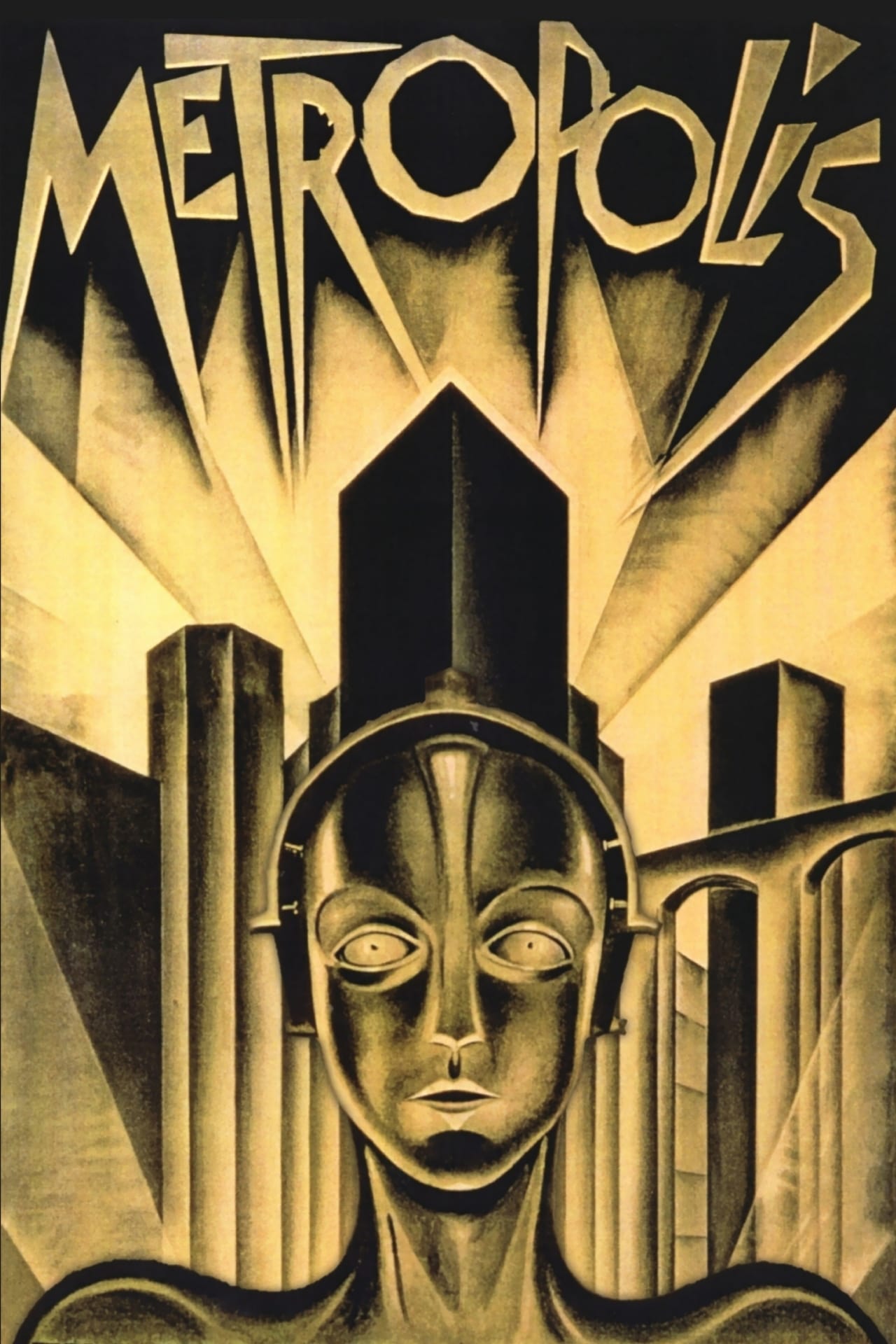
Fritz Lang's 1927 film "Metropolis" is regarded as one of the most influential and most discussed masterpieces in the history of cinema. One of the most magnificent examples of German Expressionism, this silent film was among the highest-budget productions of its time, pushing the technical and artistic capacity of UFA studios to its absolute limits. Adapted from Thea von Harbou's novel, the screenplay offers a dystopian vision of the future while also weaving a universal allegory about class conflict in society.
Although the film received mixed reactions from critics upon its release, it has since become one of the most important productions in the history of cinema. "Metropolis," which fundamentally transformed the visual language of the science fiction genre, has served as a reference point for depictions of future cities, robot designs, and dystopian narratives for nearly a century since. From Blade Runner to Star Wars, from Batman to The Matrix, countless productions have drawn directly or indirectly from Metropolis's visual legacy.
The film's restoration process is a story in itself. Large portions of the original running time were lost, and over the years the film was screened in different countries with different cuts. In 2008, thanks to a copy discovered in Argentina, much of the film was reassembled, resulting in the most complete version we can watch today. This archaeological discovery has once again underscored the film's value in cinema history.
Plot
The story takes place in Metropolis, a massive city built in the distant future. The city is sharply divided by class: the wealthy ruling class lives in luxury above ground among skyscrapers, while the workers who operate the enormous machines underground live in dark and grueling conditions. Freder, the son of the city's founder and ruler Joh Fredersen, one day discovers the underground world and witnesses the inhumane conditions the workers endure.
This discovery leads Freder to Maria, a mysterious young woman who acts as a spokesperson for the working class. Maria is a peaceful figure who offers hope to the workers. However, events grow complicated when the mad scientist Rotwang creates a robot. Using this machine-human, which takes on Maria's appearance, Rotwang plans to sow chaos in the city and exact his revenge. The film presents a tense narrative built around technology, power, class conflict, and the concept of humanity.
Why Watch It?
"Metropolis" deserves to be watched not merely as a historical document but as a still-compelling cinematic experience today. The film's visual design—its vast cityscapes, art deco architecture, and machine aesthetics—represents an incredible achievement given the technical capabilities of its era. The robot Maria's creation scene, in particular, has been etched into memory as one of the most iconic images in the history of cinema.
The themes the film explores also remain strikingly relevant today. It is remarkable how clearly issues such as automation's impact on human labor, the tension between capital and the working class, and the potential for technology to spiral out of control are addressed in a film made almost a century ago. Additionally, for those interested in film history, visual effects techniques, or German Expressionism, this film is an essential resource for study.
Who Is It For?
For viewers open to the silent film experience, interested in classic cinema, and eager to discover the cornerstones of film history, "Metropolis" is an essential watch. Those curious about the origins of the science fiction genre, fans of dystopian narratives, and anyone interested in the intersection of visual arts and cinema will also greatly enjoy this film.
However, for viewers accustomed to fast-paced, modern narrative conventions, the film's silent format and the acting style of the era may initially feel unfamiliar. Those who adopt a patient viewing approach will be able to fully savor the visual feast and profound themes the film offers.
Pros and Cons
Pros:
1. Incredibly innovative and impressive visual effects, art direction, and city design for its time.
2. Deep themes on class conflict, technology, and power that remain relevant today.
3. An enduring visual legacy and iconic scenes that shaped the history of cinema and influenced countless productions.
Cons:
1. The silent film format and the acting style of the era may require an adjustment period for modern viewers.
2. Despite restoration efforts, some scenes remain missing, which can cause small gaps in narrative flow.
Genre and Tone
The film blends science fiction, dystopia, and drama, shaped by a powerful German Expressionist aesthetic. Its tone is generally dark and tense, enriched at times by a melodramatic structure with religious/mythological references. Visually, sharp shadows, exaggerated architectural scale, and symbolic imagery construct the film's atmosphere. The narrative achieves an epic tone by blending elements of social critique with a personal redemption story.
Runtime and Viewing Experience
The restored version of the film runs approximately two and a half hours. As a silent film, dialogue is conveyed through intertitles and accompanied by music. This format offers a different experience for today's viewers; it requires patience and focus but delivers a unique audiovisual atmosphere in return. Viewers are encouraged to watch the film, if possible, in a high-quality restored version with a good musical score, as this greatly enriches the experience.
Similar Productions
- Blade Runner (1982) – A classic that can be considered a direct heir to Metropolis through its dystopian urban aesthetic and human-versus-machine theme.
- Nosferatu (1922) – Another major example of German Expressionism, sharing a similar visual language and atmosphere.
- Modern Times (1936) – Charlie Chaplin's iconic silent/period film exploring themes of industrialization and the working class.
- Brazil (1985) – Terry Gilliam's dystopian masterpiece, a critique of bureaucracy and totalitarian society.
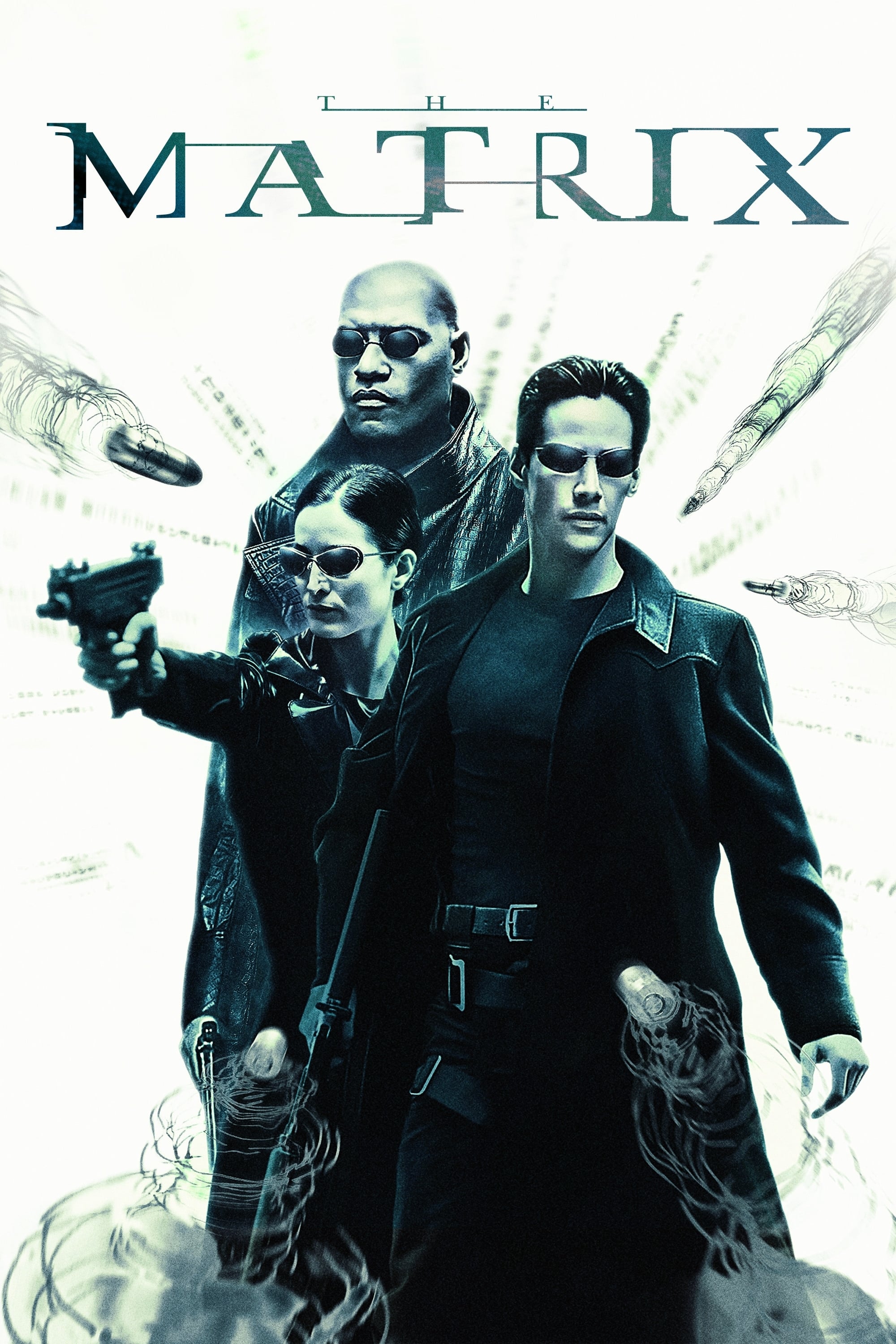
- The Matrix (1999) – A science fiction classic that reinterprets themes of technology, control, and rebellion in a modern idiom.
- Dark City (1998) – An atmospheric production that bears the imprint of Metropolis in terms of visual style and its questioning of reality.
Final Assessment
"Metropolis" is not just a turning point in the history of cinema but also a timeless work of art. Despite the technical limitations of its era, Fritz Lang's vision remains striking even today through its visual richness and the universal themes it explores. For any viewer open to the demands of silent cinema, this film offers a satisfying experience both aesthetically and intellectually. For those who wish to understand the origins of the science fiction genre, grasp the evolution of film history, and witness a timeless work of art, "Metropolis" stands as an indispensable masterpiece.
Where to Watch


Details
Cast (25)












ByTv Değerlendirmesi
Gallery
Yorumlar
Henüz yorum yok. İlk yorumu siz yazın.
Recommended




Yazıda geçen yapımlar
Senin için seçelim
Türe göre süz, puana göre sırala ya da çarkı çevirip sürpriz öneri al.