
Foreign Correspondent (1940)
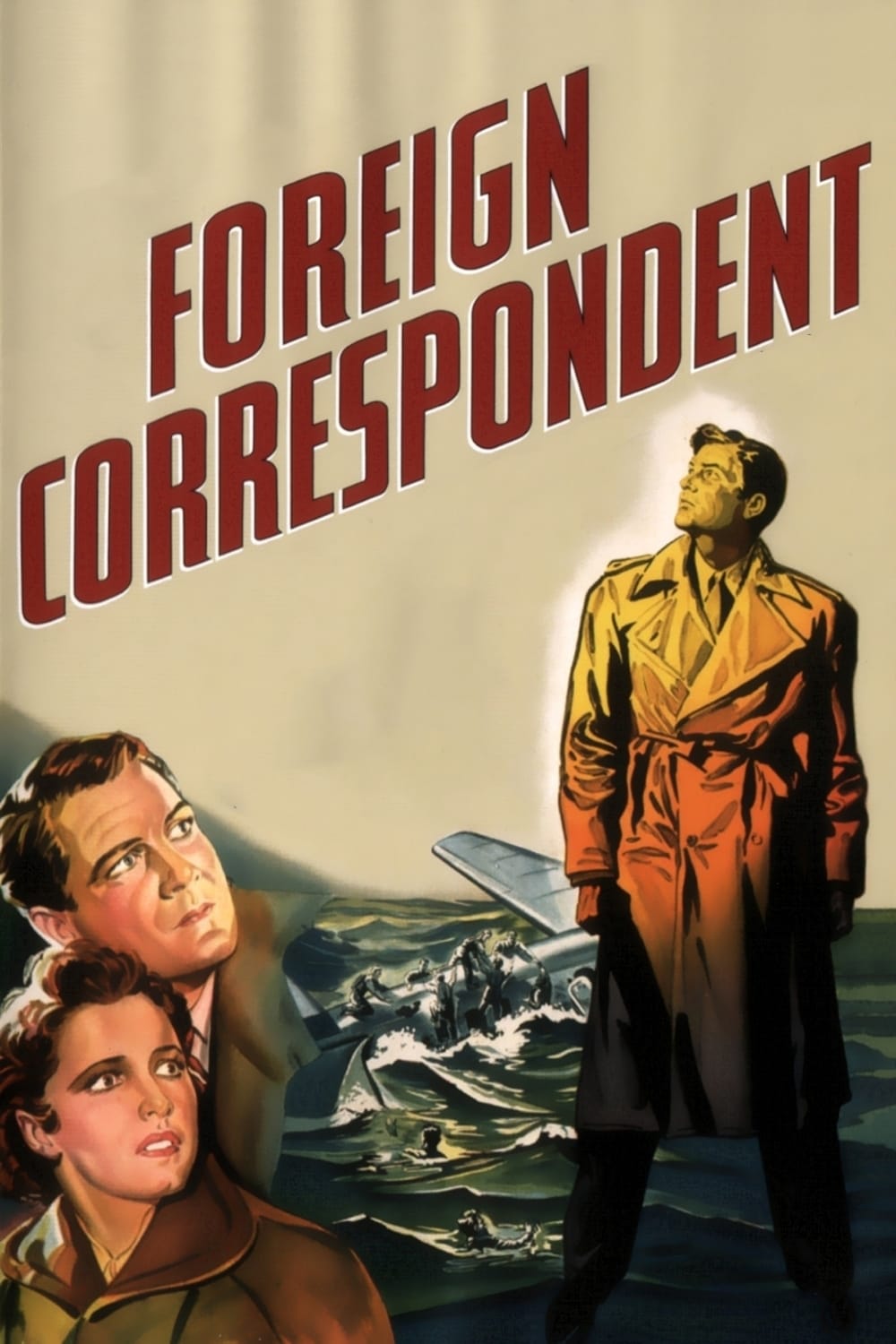
"Foreign Correspondent," made during the early years of Alfred Hitchcock's transition to Hollywood, is a 1940 espionage and thriller film. As the second film the director signed in America, it holds a special place in cinema histo…
Overview
"Foreign Correspondent," made during the early years of Alfred Hitchcock's transition to Hollywood, is a 1940 espionage and thriller film. As the second film the director signed in America, it holds a special place in cinema history, and it is also notable for a production process that coincided with the outbreak of World War II. Set against the backdrop of the tense political atmosphere of a Europe on the brink of war, the film brings international intrigue, espionage networks, and political manipulation to the audience through the eyes of an American journalist.
Johnny Jones, the character played by Joel McCrea, is an inexperienced reporter from New York who is sent to Europe by his newspaper and quickly finds himself at the very center of a major espionage conspiracy. In this production, Hitchcock masterfully combines his signature suspense-building technique, surprising plot twists, and visually memorable scenes. Despite the technical limitations of the era, the film contains visual effects—particularly the plane crash and windmill scenes—that have gone down in cinema history.
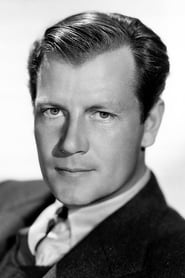
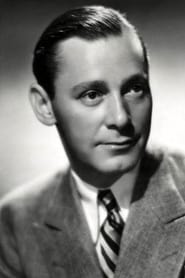
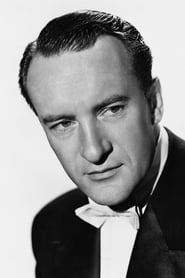
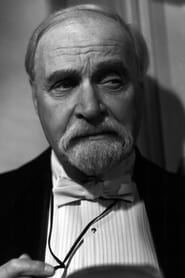
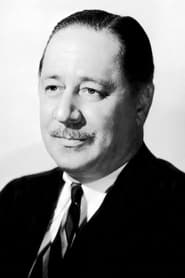
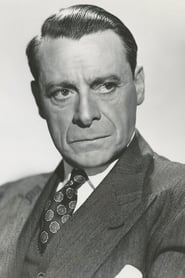
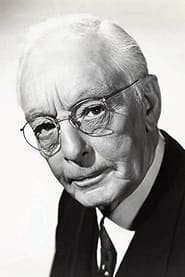
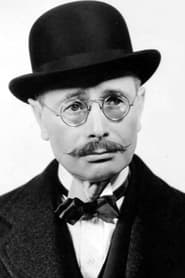
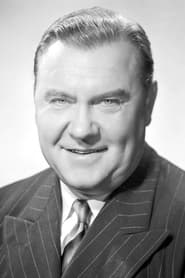
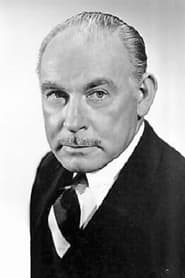
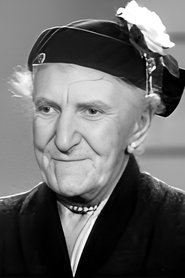
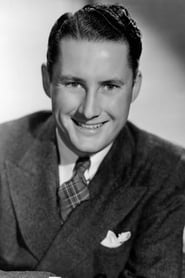
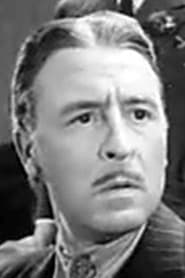
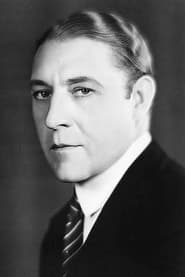
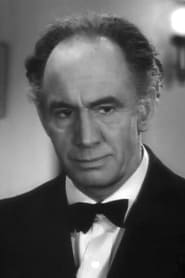
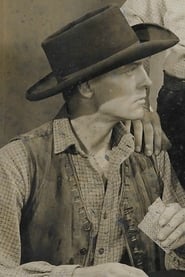
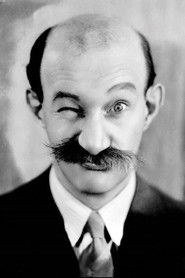
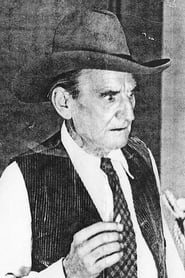
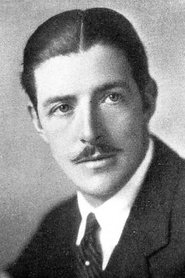
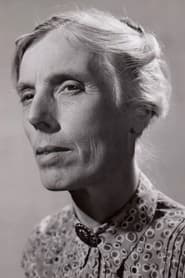
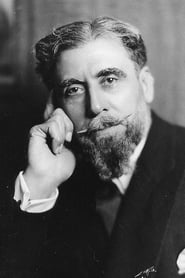
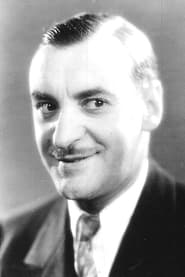
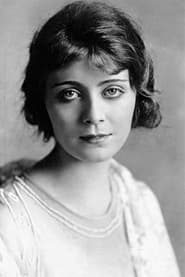
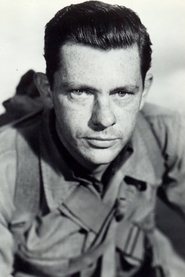
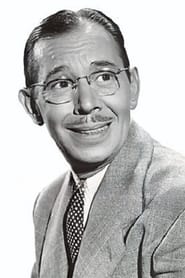
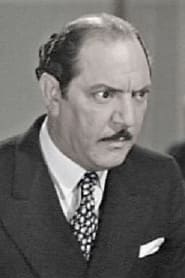
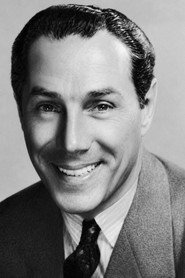
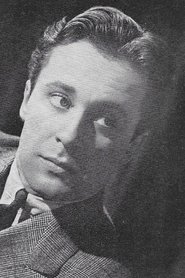
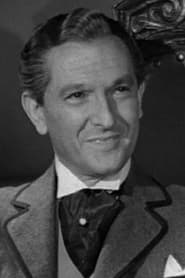
While the cast features names such as Joel McCrea, Laraine Day, Herbert Marshall, and George Sanders, Frank Benson also appears before the audience in one of the production's small but memorable roles. The film is one of the rare productions that brings together both the aesthetic qualities of classic Hollywood cinema and Hitchcock's signature suspense elements.
Plot
The story takes place during a period when the clouds of war are increasingly gathering over Europe. In order to convey developments in Europe in a more striking manner, a New York-based newspaper sends to Europe a young reporter named Johnny Jones—who has a "fresher" perspective on field reporting—rather than an experienced correspondent. Jones soon finds himself amid diplomatic tensions, secret agreements, and one of the most dangerous espionage operations of the time.
Events unfold rapidly with the kidnapping of an elderly diplomat, a leading figure in a peace movement; as Jones tries to uncover the truth behind this event, he puts his own life at risk while also gaining access to information that could shake international balances. Along the way, he crosses paths with a mysterious woman and various characters who help him but also engage in suspicious behavior. Throughout the film, as Jones tries to figure out who is friend and who is foe, the audience gets lost with him in this multi-layered web of intrigue.
While Hitchcock moves the story forward in the style of a classic adventure film, he also skillfully weaves in references to the political atmosphere of the era in the background. The looming shadow of war is one of the most important sources of tension that permeates the entire film.
Why Should You Watch It?
"Foreign Correspondent" is an important production that showcases Hitchcock's creative daring in the early years of his Hollywood period. The director's skill in building suspense, combined with scene constructions that push the boundaries of classic espionage films, offers viewers a cinematic experience that can be considered impressive even by today's standards. In particular, some of the action sequences achieved with the technical means of the era are among the most memorable aspects of the production.
The film also serves as a historical document; the production process, which coincided with the outbreak of World War II, lends the film's atmosphere a genuine sense of urgency. Hitchcock's effort to adapt to American cinema during this period, while not compromising his own style in doing so, offers a special viewing experience for cinema history enthusiasts.
Who Is It For?
This film is a highly valuable choice for viewers interested in classic Hollywood cinema, those who want to explore Hitchcock's filmography, and those curious about the origins of the thriller genre. It will also be enjoyed by those who like stories combining elements of espionage, political intrigue, and mystery. It is a satisfying production for viewers interested in historical context and the wartime atmosphere as well.
Pros and Cons
Pros:
1. Hitchcock's classic suspense construction and visual effects that were innovative for their time
2. Strong acting performances, especially from Joel McCrea and George Sanders
3. Historical context that successfully reflects the atmosphere of pre-war Europe
Cons:
1. The pacing of some scenes may feel slow to today's audiences
2. As a period film, some of the dialogue and acting styles may fall short of modern expectations
Genre and Tone
The film stands out as one of the classic examples of the espionage and thriller genres. In terms of tone, it has a structure that is both tense and, at times, softened by subtle humor. Hitchcock's characteristic theme of "the ordinary man swept into extraordinary events" clearly manifests itself here as well.
Runtime and Viewing Experience
Running at approximately two hours, the film has the pacing of classic Hollywood narrative. While more time is devoted to introduction and character development in the early sections, the level of tension gradually increases in the later scenes. The scene transitions and surprise elements that keep the viewer's attention alive support the film's fluidity.
Similar Productions
- The 39 Steps (1935)
- Saboteur (1942)
- North by Northwest (1959)
- Notorious (1946)
- The Lady Vanishes (1938)
Final Assessment
"Foreign Correspondent" retains its place in cinema history as one of the most important productions of Hitchcock's early Hollywood period. It stands out as a classic worth watching both for reflecting the political atmosphere of the era and for showcasing the director's mastery of suspense.
Details
Cast (100)














Ödüller
- National Board of Review: Top Ten Films
6 adaylık
- Academy Award for Best Art Direction, Black and White 1941
- Academy Award for Best Cinematography, Black-and-White 1941
- Academy Award for Best Special Effects 1941
- En İyi Film Akademi Ödülü 1941
- En İyi Özgün Senaryo Akademi Ödülü 1941
- En İyi Yardımcı Erkek Oyuncu Akademi Ödülü 1941
ByTv Değerlendirmesi
Gallery
Yorumlar
Henüz yorum yok. İlk yorumu siz yazın.
Recommended

Senin için seçelim
Türe göre süz, puana göre sırala ya da çarkı çevirip sürpriz öneri al.