
Valley of the Dolls
Valley of the Dolls (1967) Overview "Valley of the Dolls" is a melodrama that reached moviegoers in 1967, adapted from Jacqueline Susann's legendary best-selling novel of the same name. Directed by Mark Robson, the film made a hug…

Valley of the Dolls (1967)
Overview
"Valley of the Dolls" is a melodrama that reached moviegoers in 1967, adapted from Jacqueline Susann's legendary best-selling novel of the same name. Directed by Mark Robson, the film made a huge splash in the Hollywood of its era and became a cult production that has been debated by both critics and audiences for years. The film explores the provocative and grueling nature of show business from the perspective of three young women, weaving together themes of fame, love, addiction, and disillusionment.
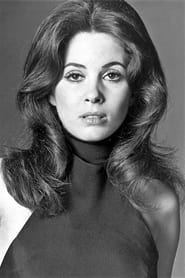
Barbara Parkins delivers one of the most notable performances of her era with the character she portrays in the film. In the role of Anne Welles, Parkins successfully conveys both innocence and the transformation of a woman changing within New York's ruthless entertainment world. This role remains remembered as one of the most memorable works of her career.
With its kitschy aesthetic, costumes reflecting the fashion sensibilities of the era, and dramatic storytelling, the film is one of those rare productions that receives both "what a great film" and "how over-the-top" reactions in equal measure. Over time, it has achieved cult status in the "so bad it's good" category, becoming a classic frequently referenced in popular culture.
Plot
The film follows the lives of three young women trying to carve out their own paths in show business. Anne Welles (Barbara Parkins) is a young woman stepping from New England's quiet, conservative life into New York's world of stars. The friendship she forms there with two women named Neely O'Hara and Jennifer North binds them together while also confronting them with the ruthless realities of show business.
All three women reach fame through different paths, but this rise exacts a separate price from each of them. Love, betrayal, addiction, and the search for personal identity form the main veins of the story. The word "dolls" in the film refers to the pills the characters turn to, while also carrying a symbolic reference to how show business uses people like "toys" and then discards them.
Anne Welles's story forms the emotional backbone of the film. The character, who begins with a calm and controlled personality, undergoes major changes over time, both professionally and personally. Parkins's performance conveys this transformation to the audience in a convincing way.
Why Watch It?
"Valley of the Dolls" has carved out a unique place for itself in film history, standing as one of the rare productions that captures the spirit of its era. For those curious about late-1960s Hollywood aesthetics, fashion sensibilities, and social perceptions of show business, it serves as a genuine time capsule.
While the film presents a glossy and dazzling world of entertainment on the surface, its subtext also addresses the challenges, pressures, and vulnerabilities that women face in that world. This dual structure is one of the core elements that allows the film to be watched both as drama and as a cult classic.
Barbara Parkins's performance alone is reason enough to watch the film. The depth the actress brings to her character is an important element that balances the film's dramatic tone. Additionally, the film's music, costume design, and visual style are a source of particular enjoyment for viewers interested in the cinematic aesthetics of the era.
Thanks to the cult status it has gained over the years, the film is also an important work for viewers who follow pop culture references. The many references made to this film in modern productions and interviews have made "Valley of the Dolls" an unforgettable part of film history.
Who Is It For?
This film is especially suitable for viewers who love classic Hollywood dramas, have an interest in period films, and are fans of cult classics. Those who enjoy stories set against the backdrop of show business will relish the dramatic storytelling that "Valley of the Dolls" offers.
At the same time, for those interested in the fashion and aesthetic sensibilities of the 1960s, the film is a visual feast. Viewers who prefer stories that center on female characters and explore women's friendships and struggles will also enjoy this film.
However, since it contains heavy and somber themes (such as addiction, betrayal, and personal collapse), the film may offer unexpected intensity for those seeking a light and enjoyable viewing experience. For this reason, it is a more suitable choice for viewers open to dramatic and at times melodramatic storytelling.
Pros and Cons
Pros:
1. Barbara Parkins delivers one of the most notable performances of her era, bringing credibility to her character.
2. Visual design that successfully reflects 1960s Hollywood aesthetics, fashion, and show business culture.
3. Strong and timeless themes exploring women's friendships, struggles, and the price of fame.
Cons:
1. The melodramatic storytelling goes overboard in some scenes, which may create different perceptions between the audience of that era and today's viewers.
2. Pacing imbalances in some parts of the script and shallowness in character development may stand out.
Genre and Tone
The film is considered one of the classic examples of the melodrama genre. It has a tone with high emotional intensity that foregrounds dramatic storytelling. At the same time, it carries the quality of a "backstage" drama, revealing the glamorous yet destructive side of show business.
While the film's tone sometimes becomes weighed down by serious and somber themes, its visual style and the era's aesthetic sensibilities also lend it a certain "camp" (kitsch) air. This dual structure allows the film to be watched both as a serious drama and as a cult entertainment.
Runtime and Viewing Experience
The film has the standard length of classic Hollywood dramas and offers a narrative structure that slowly draws the viewer into the characters' stories. The viewing experience can be smooth and engaging for audiences familiar with period films, but some sections may feel heavier for viewers accustomed to a modern pace.
Visually rich scenes, costume details, and the music of the era are elements that enliven the viewing experience. Due to the film's dramatic intensity, watching it with occasional breaks rather than in one sitting may help better absorb the emotional impact of the story.Similar Productions
- Valley of the Dolls: 1981 TV Sequel – A television adaptation that explores the same universe from a different perspective.
- All About Eve (1950) – A classic that explores rivalry within show business and the struggles of female characters.
- Mahogany (1975) – A dramatic production about fame, love, and the search for identity.
- Showgirls (1995) – Another film that explores the dark side of show business and has achieved cult status.
- Beyond the Valley of the Dolls (1970) – A production with cult classic status that explores the same theme with a different tone.
- The Love Machine (1971) – A drama adapted from another of Jacqueline Susann's works, exploring similar themes.
Final Assessment
"Valley of the Dolls" holds a special place in film history, both for its visual richness reflecting the cinematic aesthetics of its era and for its dramatic storytelling exploring the dark side of show business. Barbara Parkins's performance stands out as one of the film's strongest elements, and the depth she brings to her character draws the viewer into the story.
The film is definitely worth watching for fans of classic melodrama, viewers interested in period aesthetics, and those drawn to cult classics. Although it is sometimes criticized for its over-the-top and melodramatic storytelling, these traits have become part of the film's distinctive character. This fascinating and controversial classic of film history offers viewers an enjoyable journey, both as a serious drama and as a fun cult experience.
Details
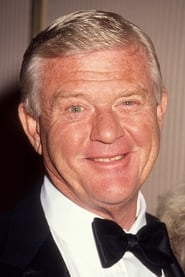
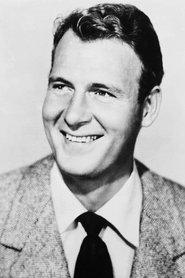
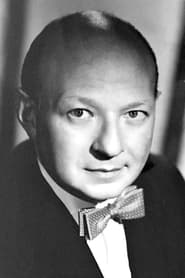
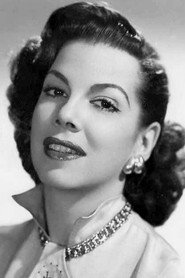
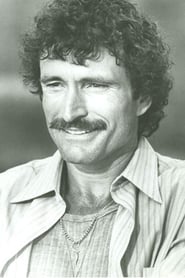
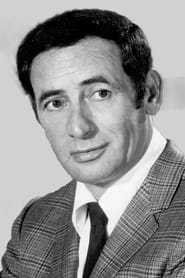
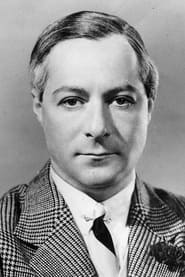
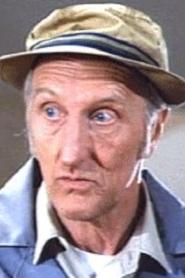
Cast (107)



















Ödüller
1 adaylık
- Academy Award for Best Score, Adaptation or Treatment 1968
ByTv Değerlendirmesi
Gallery
Yorumlar
Henüz yorum yok. İlk yorumu siz yazın.
Recommended






Yazıda geçen yapımlar

Senin için seçelim
Türe göre süz, puana göre sırala ya da çarkı çevirip sürpriz öneri al.