
Tunnel
Tunnel (2016) Overview "Tunnel" (Deoteoning) is one of the most memorable disaster-thriller films of 2016 South Korean cinema. Directed by Kim Seong-hun, the film quickly garnered great acclaim both domestically and internationall…

Tunnel (2016)
Overview
"Tunnel" (Deoteoning) is one of the most memorable disaster-thriller films of 2016 South Korean cinema. Directed by Kim Seong-hun, the film quickly garnered great acclaim both domestically and internationally, earning a special place among South Korean cinema's disaster and survival-themed productions. Starring Ha Jung-woo in the lead role, the film explores one man's physical and psychological struggle for survival while trapped in a single location.
The film boasts a meticulously crafted structure, from its technical production to its narrative construction. Blending Korean cinema's strong tradition of character-driven drama with the disaster film format, the production doesn't just offer viewers a tension-filled experience—it also raises profound questions about human nature, bureaucracy, media, and social solidarity. Thanks to the realism of its visual effects, strong acting performances, and the fluidity of its screenplay, "Tunnel" has become one of the standout productions in its category.
Plot
At the center of the story is Jung-soo, an ordinary salesman who has just bought a new car. While driving home for his daughter's birthday celebration, he passes through a tunnel that suddenly collapses, trapping him under the rubble. Jung-soo's struggle to survive with a limited supply of water, food, and a cell phone with a dwindling battery forms the main backbone of the film.
Above ground, viewers are shown a complex process unfolding among rescue teams, officials, and the media. How the rescue operation gradually turns into a bureaucratic and social issue, how public interest shifts over time, and the conflicts within the authorities' decision-making processes all strengthen the film's dimension of social criticism. The film portrays not just one person's struggle to survive, but also the reactions of an entire society in a moment of crisis.
Why Watch It?
"Tunnel" stands out as a production that transcends classic disaster film conventions. First of all, the fact that most of the film takes place in a single, narrow, and enclosed location presents a challenging framework that tests the creativity of both the director and the screenwriter. Even within this limited space, a narrative has been built that keeps viewers glued to the screen for hours without letting the tension drop.
The film also skillfully employs elements of dark humor. Even in the midst of a tragic event, the production critically portrays the absurdities of human nature, the media circus, and bureaucratic sluggishness, offering viewers both tension and thought-provoking moments. Ha Jung-woo's performance conveys the character's physical and psychological breakdown with incredible realism, reinforcing the film's emotional impact.
The film's technical production is also commendable. The tunnel collapse scenes, the confined-space shots, and the tense score make viewers feel as if they, too, are trapped in the enclosed space alongside the character. This immersive atmosphere is one of the film's greatest strengths.
Who Is It For?
"Tunnel" is an ideal choice for fans of the thriller and drama genres. In particular, viewers who are drawn to survival stories, confined-space tension, and scenarios that test human psychology will take great pleasure in this film. It also offers a satisfying experience for those who follow South Korean cinema's strong tradition of social criticism.
Those who prefer character-driven, slowly-building tension over fast-paced, action-packed disaster films will appreciate this movie. It is also a significant production for those who want to watch social issues, media criticism, and bureaucratic critique presented under a dramatic framework.
Pros and Cons
Pros:
1. Ha Jung-woo's impressive and realistic performance powerfully conveys the character's emotional journey.
2. The screenplay and direction keep the confined-space tension alive until the very end, locking viewers to the screen.
3. The elements of social criticism add a depth that goes beyond that of an ordinary disaster film.
Cons:
1. The pacing dips in the middle of the film may require patience for some viewers.
2. Some of the supporting characters may not be sufficiently developed, which slightly affects the cohesion of the story.
Genre and Tone
The film offers a successful synthesis of the thriller and drama genres. Although categorized as a disaster film, "Tunnel" focuses on psychological tension and human depth rather than large-scale scenes of destruction. In terms of tone, it has a heavy atmosphere that is occasionally softened with dark humor; this balance prevents the film from becoming overly bleak.
Director Kim Seong-hun has chosen a narrative approach that heightens tension without overwhelming the viewer, instead fostering empathy as the story progresses. As a result, the film offers an experience that is both entertaining and thought-provoking.
Runtime and Viewing Experience
The film has a runtime of approximately 126 minutes, during which it effectively engages viewers with its confined-space tension. Although a narrative that follows a single character in a single location for such a long time risks becoming tedious, this risk is largely mitigated thanks to the screenplay's skillfully constructed time transitions and the parallel events happening above ground.
The viewing experience has a structure that requires careful attention, gradually ramping up the tension. In particular, the tension in the quiet scenes and the moments focused on the character's inner world help viewers form an emotional connection with the film.Similar Productions
- 127 Hours (2010) – A powerful drama depicting a single character's struggle for survival under natural conditions.
- Buried (2010) – A tension-filled story of a character trapped in an enclosed space.
- The Impossible (2012) – A moving drama about the struggle to survive in the aftermath of a natural disaster.
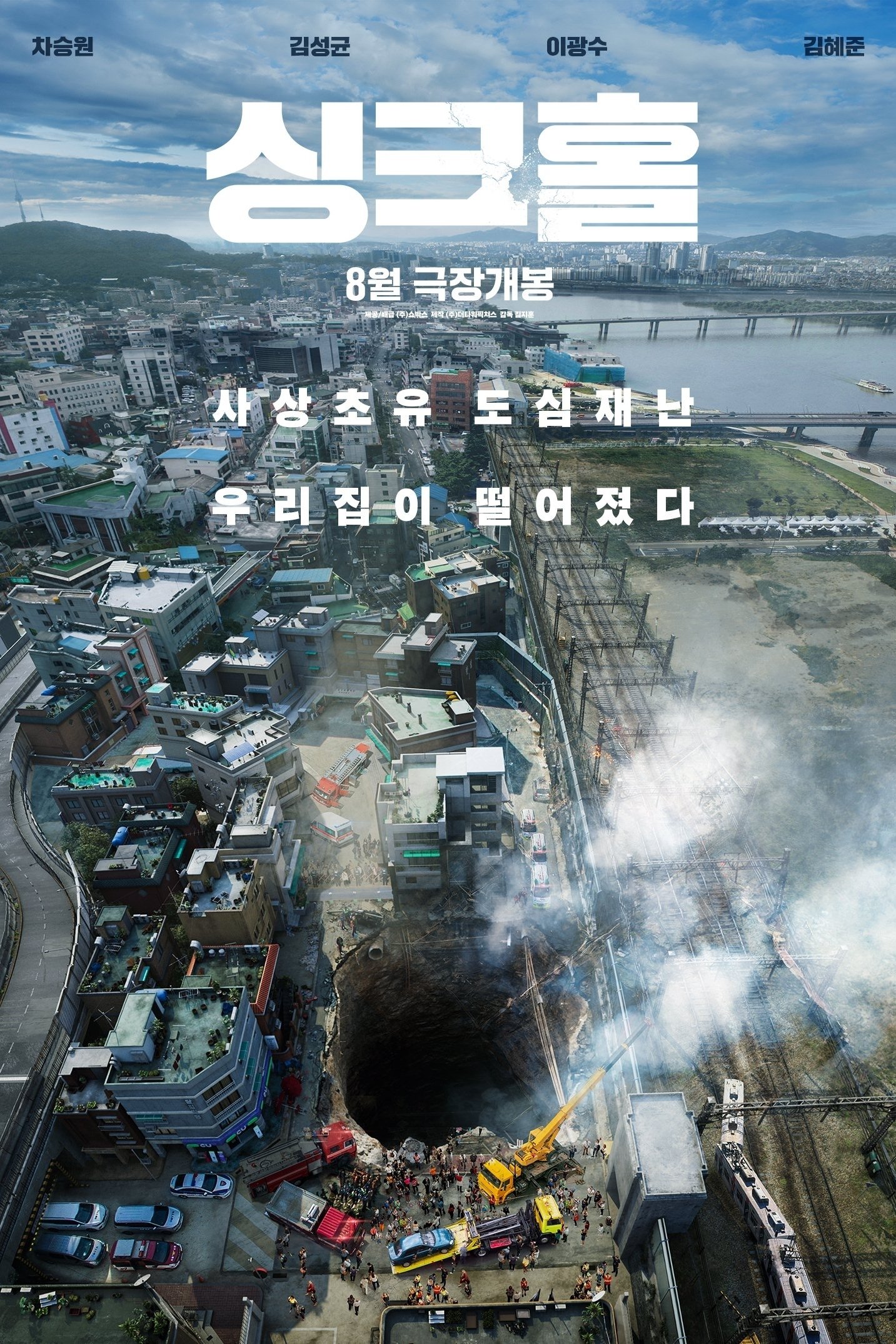
- Sinkhole (2021) – A South Korean disaster film with dark humor that similarly deals with coping with a sudden natural event.
- Exit (2019) – A South Korean production that blends the theme of survival during a disaster with elements of comedy.
Final Assessment
By blending the disaster film format with a humane drama, "Tunnel" is a distinctive production that appeals both to thriller fans and to viewers seeking social commentary. Thanks to Ha Jung-woo's performance, the suffocating atmosphere created by the use of a confined space, and the screenplay's cleverly constructed social layers, the film goes far beyond being an ordinary survival story.
Reflecting the quality standard of South Korean cinema, "Tunnel" offers a cinematic experience that engages viewers both emotionally and intellectually, one that is not easily forgotten. It stands out as a must-see production for anyone seeking a combination of tension, drama, and social commentary.
Where to Watch

Details
Cast (37)






























ByTv Değerlendirmesi
Gallery
Yorumlar
Henüz yorum yok. İlk yorumu siz yazın.
Recommended









Yazıda geçen yapımlar

Senin için seçelim
Türe göre süz, puana göre sırala ya da çarkı çevirip sürpriz öneri al.