
The Way of the Dragon
The Way of the Dragon (1972) Overview The Way of the Dragon is the only feature film that martial arts cinema icon Bruce Lee both starred in and wrote and directed. Shot in 1972 and regarded as one of the most important production…
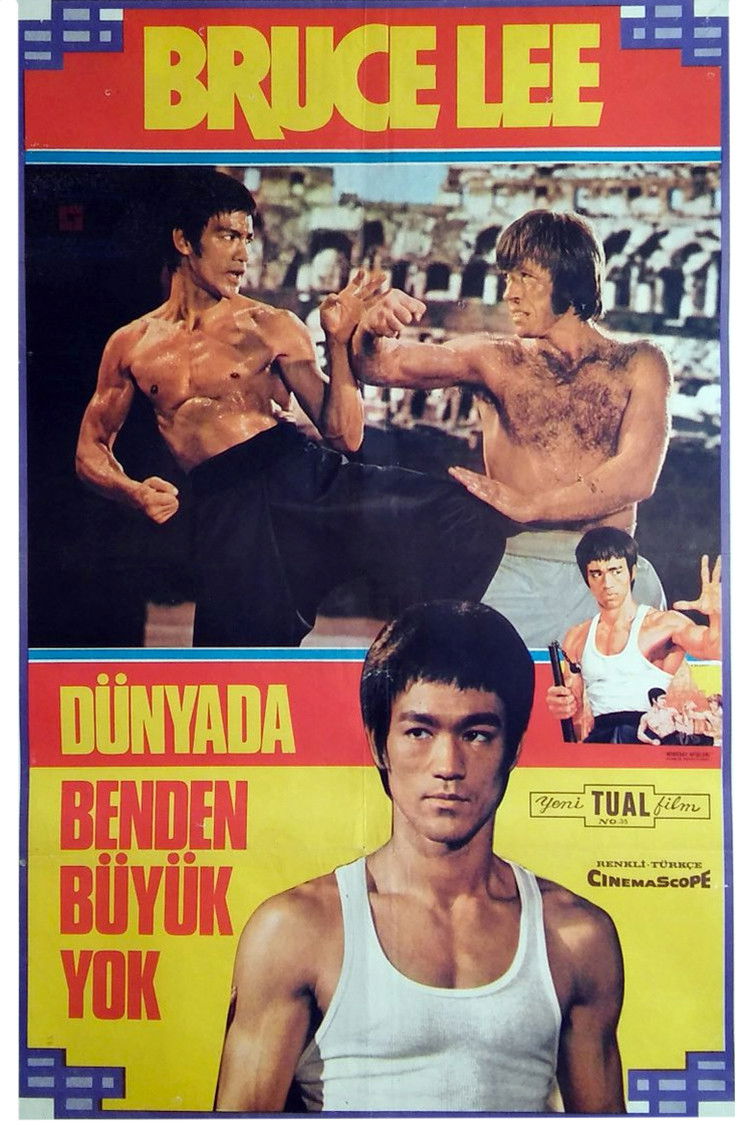
The Way of the Dragon (1972)
Overview
The Way of the Dragon is the only feature film that martial arts cinema icon Bruce Lee both starred in and wrote and directed. Shot in 1972 and regarded as one of the most important productions of Hong Kong cinema's golden age, the film is one of the rare projects in which Lee was able to fully translate his own vision onto the screen. Blending the encounter between Chinese martial arts and Western culture with a humorous tone alongside equally serious action sequences, the production became one of the most talked-about films of its era.
The film is not merely an action showcase consisting of punches and kicks; it also presents a story that explores cultural identity, family bonds, and the concept of honor. Set in Rome, the plot provides an ideal backdrop for Lee to display his distinctive charisma and physical abilities. In particular, the Colosseum scene at the film's climax has become etched in memory as one of the most iconic fight scenes in cinema history.
Taking on both the production and direction of the film, Bruce Lee proved with this work that he was not only an actor but also a powerful storyteller. Despite the limited budget of the era, the film displays a quality far ahead of its time in terms of the editing, choreography, and rhythm of its scenes.
Plot
The story centers on a young man sent from Hong Kong to Rome, Italy. Called upon for help after his family's restaurant is threatened by local gangs, the character finds himself in a foreign culture, in an environment vastly different in both language and customs. Initially appearing clumsy and inexperienced, this character actually possesses extremely powerful fighting skills and, over time, engages in a struggle against the forces threatening the restaurant.
As the film progresses, it becomes clear that behind what seems like a simple gang issue lies a larger and more dangerous organization. The character enters a process in which he must fight not only with physical strength but also with intelligence and strategy. The chases through the streets of Rome, the efforts to protect the restaurant, and the steadily escalating tension become the film's central axis.
One of the most striking aspects of the story is the clash between Western and Eastern martial philosophies. This encounter can be read not merely as a physical confrontation, but also as a symbolic representation of two different cultures and ways of life.
Why Watch It?
The Way of the Dragon is a production that deserves to be watched as one of the cornerstones of martial arts cinema. This film, in which Bruce Lee displays both his acting and directing talents together, offers the opportunity to experience his cinematic vision in its purest form. In particular, the reflection in the film of the Jeet Kune Do philosophy that Lee himself developed carries great significance for martial arts enthusiasts.
Another important aspect of the film is the quality of the action choreography achieved despite the limited technical means of the era. The scenes contain an impressive fluidity and power even by today's standards. Additionally, the humorous elements woven throughout the film give the audience room to breathe between the heavier action sequences.
Viewed from the perspective of film history, this film is more than just an action production; it is also an important part of Bruce Lee's process of becoming a cultural icon. This project, which directly reflects his personal philosophy, discipline, and artistic vision, is an indispensable reference point for anyone wishing to study film history.
Who Is It For?
This film is a perfect choice for viewers interested in classic martial arts cinema. It is also a must-see for those curious about Bruce Lee's career and the innovations he brought to cinema. Those interested in the theme of cultural conflict, alongside the action sequences, may also enjoy the subtext the film offers.
For viewers seeking a nostalgic cinema experience and wishing to discover 1970s Hong Kong productions, this film is also an important starting point. However, viewers accustomed to today's fast-paced, CGI-heavy action films may need to take some time to adjust to the era's simpler production style.
Pros and Cons
Pros:
1. Bruce Lee's powerful performance as both director and lead actor.
2. The iconic final fight scene and impressive action choreography.
3. The handling of the cultural conflict theme blended with humor.
Cons:
1. Some scenes feel slow by today's standards due to the technical limitations of the era.
2. The supporting characters and subplots are not developed in sufficient depth.
Genre and Tone
The film is considered one of the classic examples of the action and martial arts genre. While its tone is generally energetic and dynamic, it is occasionally softened by humorous elements. In particular, the comic moments experienced by the main character during his adaptation to a foreign country are key elements that diversify the film's tone. In contrast, as the film progresses, the tone gradually becomes more serious and evolves into a tension-filled atmosphere.
Runtime and Viewing Experience
The film runs for approximately 100 minutes, offering a flowing pace throughout that keeps the viewer engaged without becoming tedious. The action scenes are placed at regular intervals, striking a balanced transition between storytelling and physical performance. In particular, the long-breathed fight scene in the final section offers the viewer an unforgettable experience and enhances the film's memorability.
Similar Productions
- Enter the Dragon (1973)
- Fist of Fury (1972)
- The Big Boss (1971)
- Ip Man (2008)
- Kill Bill: Vol. 1 (2003)
- Once Upon a Time in China (1991)
Final Assessment
The Way of the Dragon is more than just a martial arts film; it stands as a cultural document that has left its mark on film history. This production, in which Bruce Lee displays his artistic vision and physical abilities in their purest form, still retains its impact decades later. With the cultural subtext and humorous narrative style it offers alongside its action sequences, the film continues to provide an enjoyable experience for today's audiences as well. For those curious about the roots of martial arts cinema, this production stands out as a classic that must be watched.
Details
Cast (34)













ByTv Değerlendirmesi
Gallery
Yorumlar
Henüz yorum yok. İlk yorumu siz yazın.
Recommended



Senin için seçelim
Türe göre süz, puana göre sırala ya da çarkı çevirip sürpriz öneri al.