
The War of the Worlds
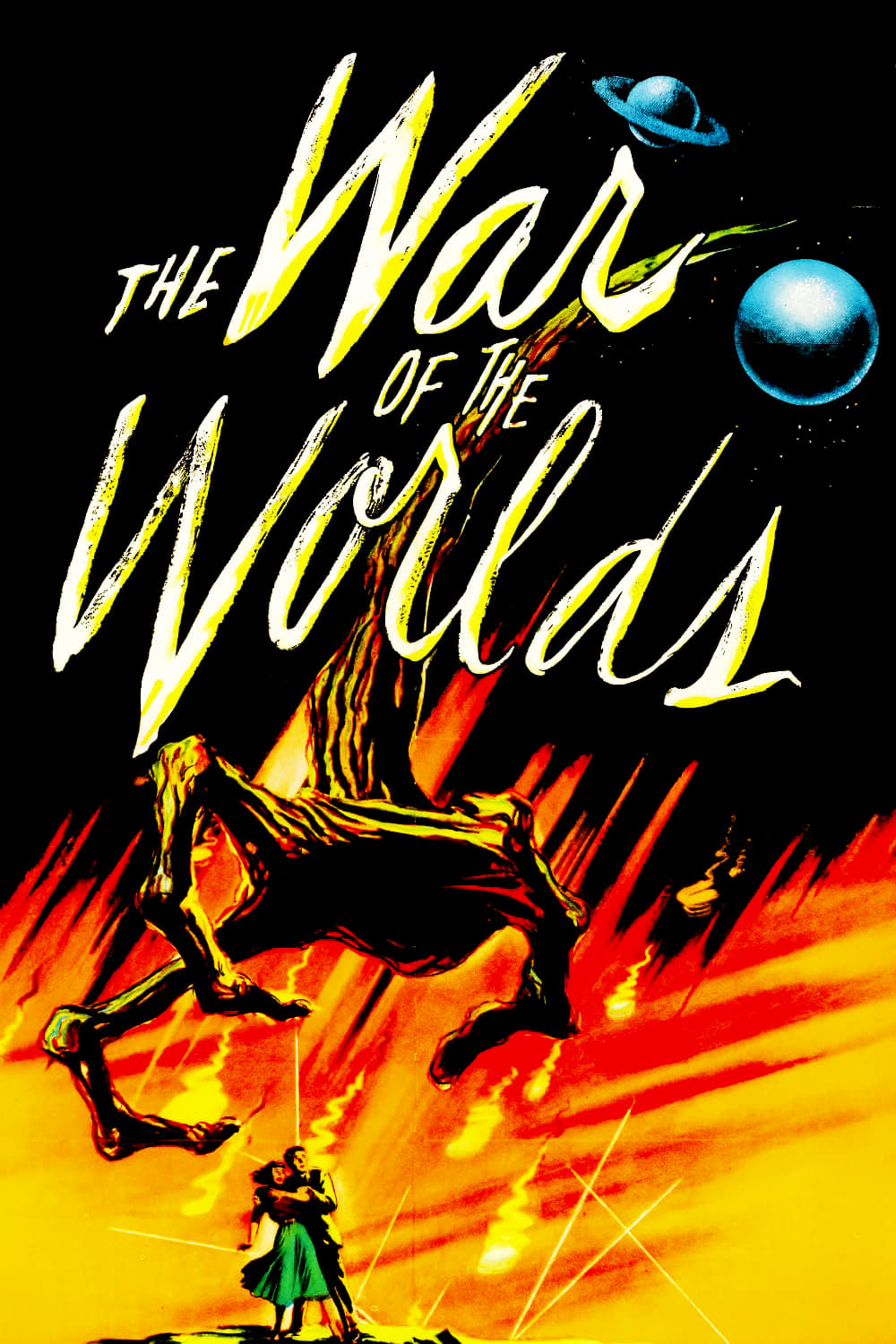
The War of the Worlds (1953) Overview The War of the Worlds is a production produced by George Pal and directed by Byron Haskin in 1953, widely regarded as one of the cornerstones of science fiction cinema. Adapted from H.G. Wells…
The War of the Worlds (1953)
Overview
The War of the Worlds is a production produced by George Pal and directed by Byron Haskin in 1953, widely regarded as one of the cornerstones of science fiction cinema. Adapted from H.G. Wells's legendary novel of the same name published in 1898, the film moves the story from Wells's original Victorian-era England to the United States of the 1950s. This shift in geography and time allowed the film to become an allegory reflecting the Cold War anxieties and fears of nuclear threat prevalent during that era.
Produced by Paramount Pictures, the film was equipped with special effects that were extremely ambitious for the cinematic technology of the time. The film's visual effects team employed techniques that were revolutionary for the era in order to convincingly bring the Martian invaders' flying ships and death rays to the screen. These efforts did not go to waste, and the film won the Academy Award for Best Visual Effects at the 26th Academy Awards. Additionally, the film's sound design, particularly the iconic sound effect produced by the Martian ships, has become one of the elements repeatedly referenced throughout cinema history.
The film opens with a mysterious meteor crash in rural California and follows a series of events that quickly escalate into one of the greatest threats humanity has ever faced. The screenplay, written by Barré Lyndon, preserves the core themes of Wells's original work while placing them in a modern context. Starring Gene Barry and Ann Robinson, the film presents a narrative that blends scientific curiosity, human resilience, and existential threat.
Plot
The story begins with a mysterious meteor falling on a small Californian town. Initially regarded as an ordinary meteorite, it soon becomes clear that the object is actually of extraterrestrial origin. Scientist Dr. Clayton Forrester arrives in the area to investigate this extraordinary event and meets a young woman named Sylvia Van Buren there.
The hostile intentions of the beings emerging from the meteor soon become apparent, and the townspeople are forced to confront Martian invaders possessing an irresistible power. As military forces get involved, it becomes painfully clear that even humanity's most advanced weapons are inadequate against this technologically superior enemy. The film conveys the invasion process—which begins as a local incident and gradually turns into a global catastrophe—through the eyes of Dr. Forrester and Sylvia.
Themes such as humanity's struggle for survival, the search for scientific solutions, and the collapse of social order are explored in depth as the film progresses. The struggle the characters endure under these extraordinary circumstances is presented to the audience as a story of both individual and collective resistance.
Why Watch It?
The War of the Worlds is a must-watch production for any film lover who wants to understand the evolution of the science fiction genre. One of the film's most notable aspects is that the visual effects, created with the technological means available in the 1950s, remain impressive even by today's standards. The design of the Martian ships, the visualization of the ray weapons, and the scenes of destruction offer an example of creativity that pushed the boundaries of the era's cinematic technology.
Another important feature of the film is that it does more than tell an entertaining invasion story—it also reflects the social anxieties of its time. Made in the shadow of the Cold War, this production explores humanity's helplessness in the face of an unknown and uncontrollable threat, offering audiences an experience that is both entertaining and thought-provoking. Furthermore, this film has inspired countless invasion films made in subsequent years, becoming one of the productions that established the templates of the genre.
For those interested in classic cinema and the history of science fiction, this film is not merely a means of entertainment but also serves as a cultural document reflecting the spirit of an era.
Who Is It For?
This film is an ideal choice for viewers who love classic science fiction films and are curious about the origins of genre cinema. In particular, those interested in the cinematic aesthetics of the 1950s, those curious about the special effects techniques of the era, and readers who admire H.G. Wells's works will greatly enjoy this production. It is also a valuable reference point for film students and critics wishing to research the roots of modern invasion and disaster films.
Although it is a production that can be watched with family, the pace may seem a bit slow for younger viewers unfamiliar with the cinematic language of the era. Nevertheless, for viewers open to the storytelling style of classic cinema, the film offers an extremely satisfying experience.
Pros and Cons
Pros: 1. Extremely impressive, Oscar-winning special effects for its time. 2. A screenplay that successfully translates H.G. Wells's original themes into a modern context. 3. A deep subtext reflecting the social anxieties of the Cold War era.
Cons: 1. A narrative pace that feels heavy in some sections by today's standards. 2. Character development remaining more limited compared to the visual effects and action scenes.
Genre and Tone
As a production situated at the intersection of the science fiction and disaster genres, the film offers a tension-filled atmosphere. Its tone is generally serious and anxious; the existential threat facing humanity is felt in every scene of the film. At the same time, there are also scenes reflecting the optimistic American spirit of the era, and this balance gives the film a tone that is both bleak and hopeful.
Runtime and Viewing Experience
The film runs for approximately 85 minutes, offering an intense narrative within this short span. Providing a smooth experience for viewers accustomed to classic cinematic pacing, the production may require a somewhat different viewing experience for audiences used to today's fast-paced editing style. Still, the film's visual richness and atmospheric structure ensure that this short runtime feels thoroughly fulfilling.
Similar Productions
- Invasion of the Body Snatchers (1956)
- The Day the Earth Stood Still (1951)
- It Came from Outer Space (1953)
- Independence Day (1996)
- War of the Worlds (2005)
- Arrival (2016)
Final Assessment
The War of the Worlds can be considered a timeless classic that made significant contributions to the development of the science fiction genre in cinema history. With visual effects created using the technological means of its era, its powerful atmosphere, and its social allegory, this production offers a valuable choice for viewers seeking both entertainment and intellectual depth. It stands out as a must-watch production for classic cinema enthusiasts and those wishing to explore the roots of the science fiction genre.
Details
Cast (112)



















































ByTv Değerlendirmesi
Gallery
Yorumlar
Henüz yorum yok. İlk yorumu siz yazın.
Recommended







Senin için seçelim
Türe göre süz, puana göre sırala ya da çarkı çevirip sürpriz öneri al.