
The Turin Horse
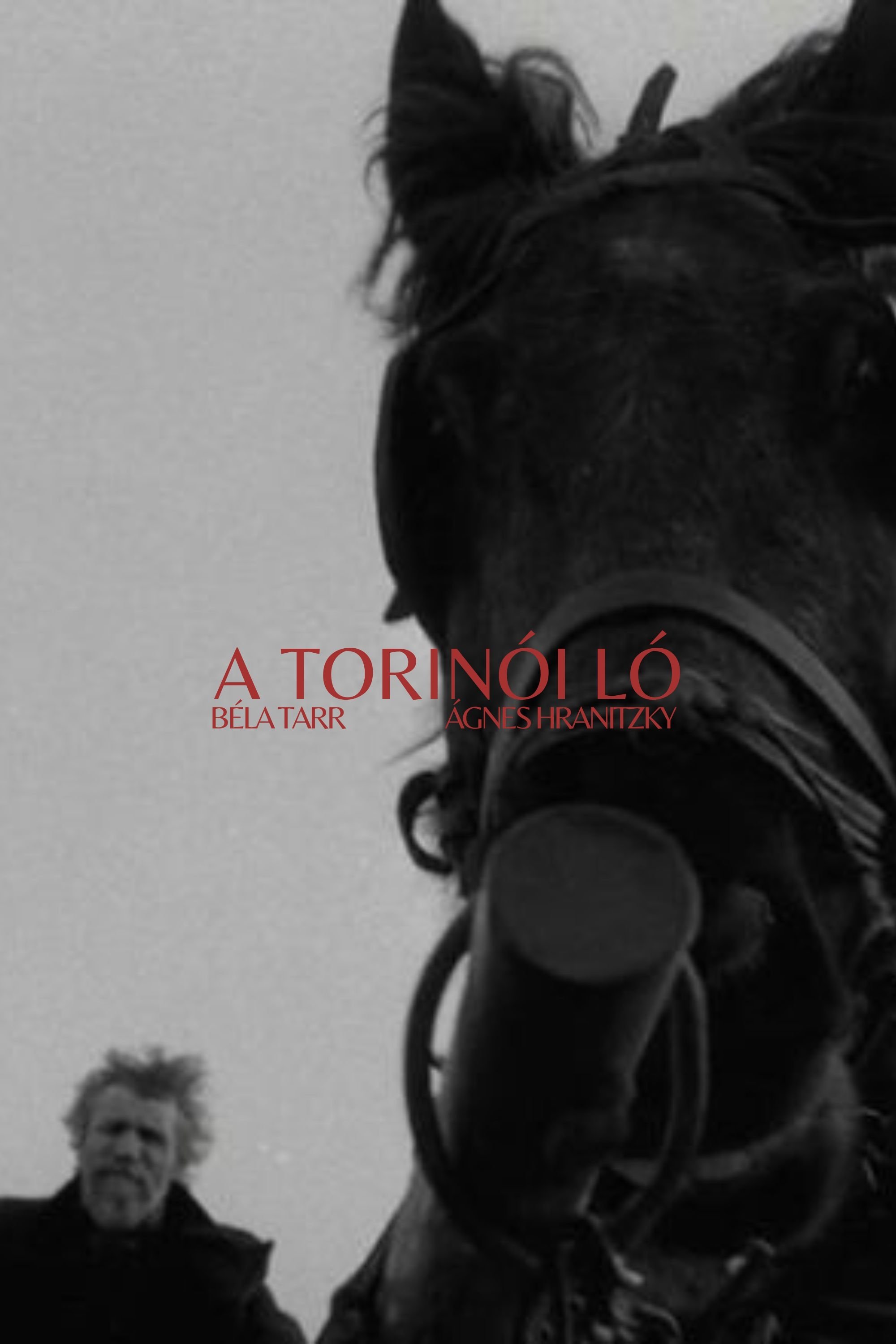
The Turin Horse (2011) Overview "The Turin Horse," which Béla Tarr shot as a farewell to his filmmaking career, represents the culmination of the minimalist, contemplative approach to cinema that the Hungarian director developed o…
The Turin Horse (2011)
Overview
"The Turin Horse," which Béla Tarr shot as a farewell to his filmmaking career, represents the culmination of the minimalist, contemplative approach to cinema that the Hungarian director developed over the years. Directed by Béla Tarr together with his longtime collaborator Ágnes Hranitzky, the film weaves a fictional story out of a real event from philosopher Nietzsche's life. It is said that Nietzsche lost his sanity after witnessing a cab driver beating his horse in Turin, Italy, in 1889; the film sets out from the question "so what happened to that horse?" and tells the story of the horse and its owner.
With its black-and-white cinematography, long takes, and nearly dialogue-free narrative, "The Turin Horse" won the Silver Bear at the 2011 Berlin Film Festival and has been hailed by film critics as one of the most important auteur works of the decade. The film is a significant discovery for art-house cinema enthusiasts within the TV package.
Plot
The film follows six monotonous, grueling days in the lives of an elderly cab driver and his daughter, who live in a desolate, windswept rural area. Focusing on the driver's struggle with his paralyzed arm and his daughter's days spent caring for her father and the household, the production builds an apocalyptic atmosphere accompanied by the fierce wind blowing outside. The horse, the only companion in their home, gradually refuses to eat and work—a development that seems to herald a collapse symbolizing the end of the family and of the world itself.
Rather than offering a "plot" in the traditional sense, the film focuses on the most basic and repetitive rituals of human existence—drawing water, getting dressed, eating, sleeping—to make the viewer feel the bare reality of life and its inevitable end. Dialogue is extremely sparse; silence, the howling of the wind, and recurring images form the film's true language of expression.
Why Watch It?
"The Turin Horse" is a must-watch for anyone seeking an experiential work that pushes the boundaries of cinematic storytelling. Béla Tarr's signature long take sequences (some scenes run uninterrupted for minutes) draw the viewer almost physically into the characters' world. The use of only around 30 cuts throughout the entire film is a technical achievement rarely seen in the history of cinema.
Fred Kelemen's black-and-white cinematography stands out with visuals composed like paintings in every frame. Mihály Vig's repetitive, hypnotic score reinforces the film's bleak, apocalyptic atmosphere. The film also offers a profound meditation on existentialist philosophy and humanity's struggle with nature and fate, inviting the viewer to think and question. As one of the purest examples of the "slow cinema" movement in film history, it is an experience not to be missed for those interested in the genre.
Who Is It Suitable For?
This film is not suitable for viewers who enjoy fast-paced, action-packed productions or those with a traditional narrative structure. "The Turin Horse" appeals to patient, contemplative viewers interested in art-house cinema, auteur directors, and experimental forms of storytelling. Those who enjoy the films of directors like Tarkovsky, Antonioni, and Sokurov will find a familiar spirit in Béla Tarr's final work.
It is ideal for those interested in philosophy, existentialism, and minimalism; for those who want to discover that cinema is not just a tool for storytelling but also for creating atmosphere and experience. However, for those who prefer classic dramatic structure, fast editing, or stories with clear resolutions, this film may be challenging.
Pros and Cons
Pros:
1. Cinematographically extraordinary, offering a visual feast with every frame meticulously composed.
2. Successfully explores deep philosophical and existential themes through minimalist storytelling.
3. Creates a powerful emotional impact through its integration of Mihály Vig's unforgettable score and atmospheric sound design.
Cons:
1. Its very slow pace and repetitive structure mean it doesn't appeal to every audience.
2. Requires patience due to its minimal dialogue and lack of a traditional plot.
Genre and Tone
The film falls into the art-house category, combining elements of drama, philosophical drama, and experimental cinema. Its tone is extremely bleak, heavy, and melancholic; a pessimistic atmosphere reminiscent of a post-apocalyptic world prevails. An existentialist perspective inspired by Nietzsche's philosophy permeates the film's overall mood. It offers the viewer not a relaxing but a thought-provoking, introspective experience.
Runtime and Viewing Experience
The film's total runtime is approximately 146 minutes, during which the viewer encounters a structure in which daily routines are presented over and over again. For this reason, the film requires attention and patience, and it is recommended to watch it in one uninterrupted sitting. When watching it as part of your TV package, it is advisable to view it in a quiet environment free of distractions, and if possible, in the dark. This will allow you to fully feel the film's atmospheric power. Following the subtitles is important, because the sparse dialogue that does exist carries critical clues for understanding the story's philosophical layers.
Similar Works
- Sátántangó (1994) – Béla Tarr's seven-and-a-half-hour masterpiece, employing a similarly minimalist approach and long-take technique.
- Werckmeister Harmonies (2000) – Another major work bearing Béla Tarr's signature, notable for its philosophical depth and visual power.
- Stalker (1979) – A classic by Andrei Tarkovsky, thematically similar in its existentialist themes and slow narrative pace.
- Le Quattro Volte (2010), which shares the same spirit as The Turin Horse – An Italian production exploring themes of nature, cyclicality, and silence.
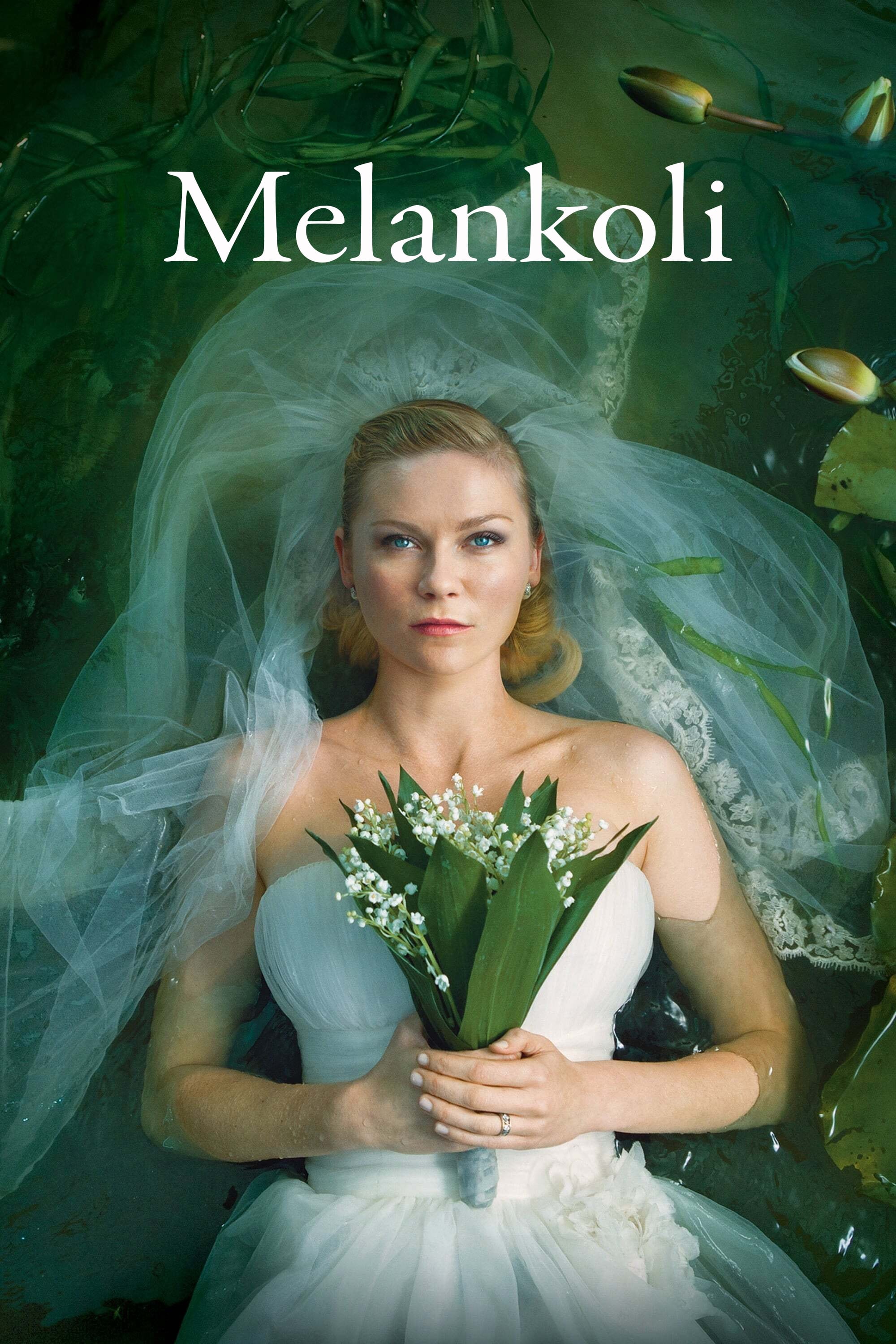
- Melancholia (2011) – Lars von Trier's apocalyptic, atmospheric, and philosophical drama film.
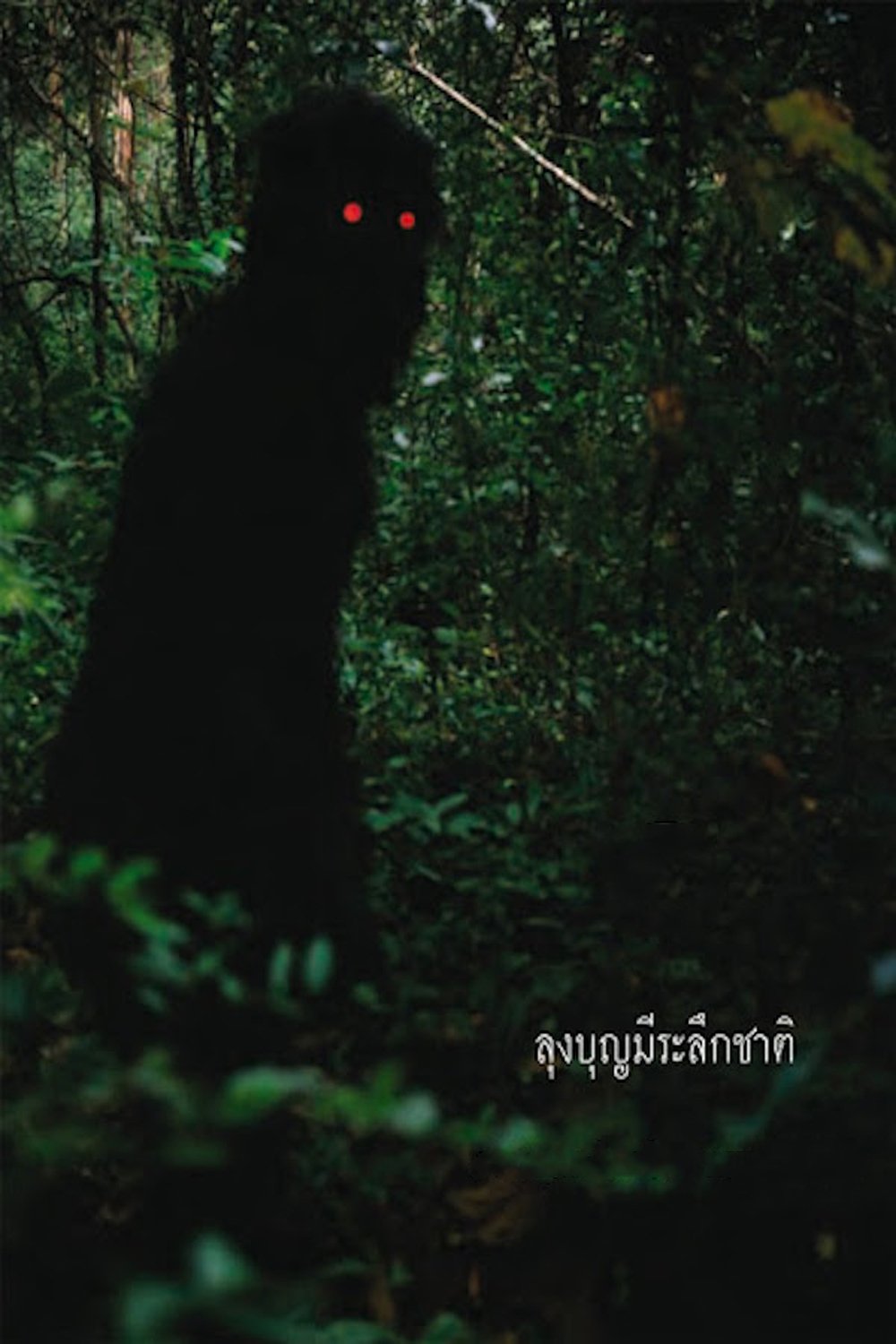
- Uncle Boonmee Who Can Recall His Past Lives (2010) – Bears a resemblance in its meditative and experimental narrative style, by Apichatpong Weerasethakul.
Final Assessment
"The Turin Horse" is one of those rare productions that rejects conventional narrative molds to offer a pure artistic experience. In a farewell befitting Béla Tarr's career, it conveys humanity's fragility, nature's cruelty, and existence's resistance to meaninglessness through an extremely powerful cinematic language. Although it is not a production that appeals to broad audiences, it is a masterpiece that must be experienced by viewers seeking unforgettable aesthetics and philosophical depth that push the boundaries of the art of cinema. Including this film in your TV package means adding a valuable and lasting work to your art-house cinema archive.
Details
Cast (5)




Ödüller
- Silver Bear Grand Jury Prize 2011
4 adaylık
- International Submission to the Academy Awards 2012
- European Film Award for Best Cinematographer 2011
- European Film Award for Best Composer 2011
- European Film Award for Best Director 2011
ByTv Değerlendirmesi
Gallery
Yorumlar
Henüz yorum yok. İlk yorumu siz yazın.
Recommended
Yazıda geçen yapımlar
Senin için seçelim
Türe göre süz, puana göre sırala ya da çarkı çevirip sürpriz öneri al.