
The Taking of Pelham One Two Three
The Taking of Pelham One Two Three (1974) Overview The Taking of Pelham One Two Three is a 1974 production directed by Joseph Sargent, and it has gone down in film history as one of the pinnacles of the thriller and crime genres…
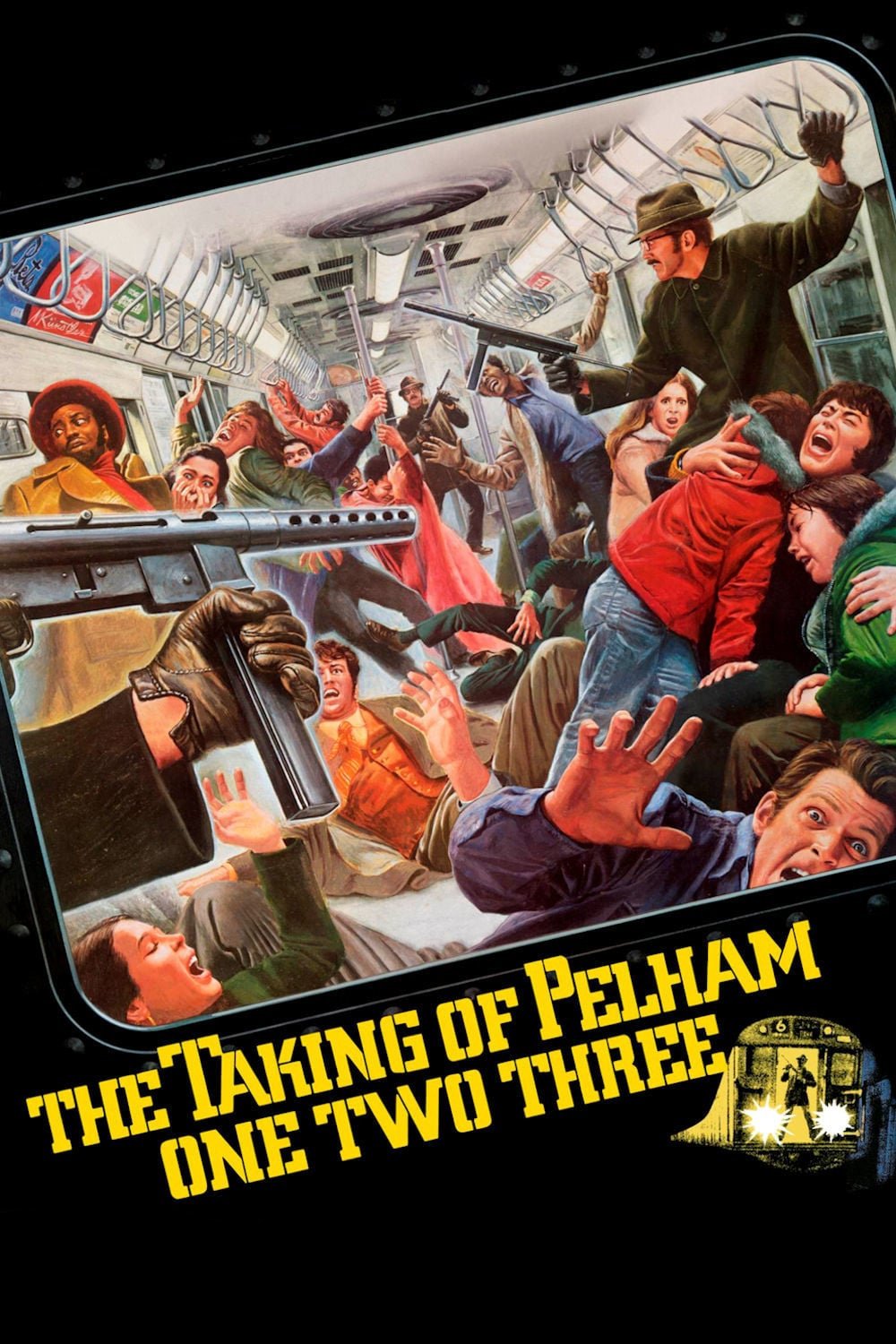
The Taking of Pelham One Two Three (1974)
Overview
The Taking of Pelham One Two Three is a 1974 production directed by Joseph Sargent, and it has gone down in film history as one of the pinnacles of the thriller and crime genres. Starring Walter Matthau and Robert Shaw, the film centers on a breathtaking hostage crisis set in the New York subway. Adapted from John Godey's novel of the same name, the screenplay brings the grimy, realistic, and tense atmosphere of urban life at the time to the screen with tremendous success.
The film uses 1970s New York almost like a character in itself; the city's decaying subway system, bureaucratic chaos, and the incompetence of city administration all serve as elements that heighten the story's tension. The film's score is by David Shire and is considered one of the finest examples of the jazz-funk-inflected scoring approach typical of the era. The name Gary Bolling, noted in the credits, stands out as one of the crew members who contributed to the film's visual identity; the input of such technical crew members is reflected in the film's remarkably realistic, street-level visual language for its time.
Plot
The film begins with a train code-named "Pelham One Two Three" being hijacked by four armed men in the New York subway. The gang, demanding a huge ransom in exchange for the hostage passengers, makes direct contact with an officer stationed at the train station's control center. The negotiations, which unfold under intense time pressure, present the viewer with both the tension underground and the parallel crisis unfolding above ground within the city administration.
As the story progresses, the psychological power struggle between the gang leader and the officer at the control center forms the film's main artery. Woven with mind games, strategic moves, and unexpected developments, the screenplay offers a structure that keeps the viewer glued to their seat from start to finish. Although it is a classic "confined space" thriller, the film skillfully incorporates the chaotic atmosphere of the entire city into the narrative, broadening its scope.
Why Watch It?
The Taking of Pelham One Two Three is more than just a hostage drama—it is one of the productions that best reflects the characteristically realistic and dark tone of 1970s American cinema. Its dialogue-driven construction of tension offers a far more compelling viewing experience than its action scenes. Walter Matthau's calm, somewhat sardonic yet deeply humane performance, alongside Robert Shaw's portrayal of a cold-blooded, calculating crime leader, sustains a constant thread of tension throughout the film.
Another strength of the film is that it presents every character realistically, with all their flaws, without turning anyone into a hero. Its critique of city bureaucracy carries a socio-political commentary on New York of the era. Additionally, David Shire's iconic score musically enriches the film's tense atmosphere. Having inspired many subsequent hostage/crisis films in cinema history, this production deserves to be watched as one of the genre's cornerstones.
Who Is It For?
This is an ideal choice for viewers who love classic American thriller cinema and are drawn to the characteristic "grindhouse" and urban drama aesthetic of the 1970s. Those who enjoy dialogue-heavy thrillers built on mind games, and who prefer films that focus on the psychological dimension of tension rather than speed and action, will greatly enjoy this film. It also offers a valuable viewing experience for cinephiles curious about the roots of classic crime cinema and eager to see the inspirations behind modern hostage films.
On the other hand, viewers accustomed to fast-paced modern thrillers packed with action sequences may initially find the film's slower, dialogue-driven structure unfamiliar. However, when watched with patience, the tension and atmosphere the film offers prove thoroughly satisfying.
Pros and Cons
Pros:
1. The masterful performances of Walter Matthau and Robert Shaw keep the tension alive throughout the film.
2. David Shire's iconic, era-defining score strengthens the atmosphere.
3. A visual language that reflects 1970s New York in a raw and realistic way gives the film a distinctive identity.
Cons:
1. The pacing may at times feel slow to today's audiences.
2. Some supporting characters are not developed in sufficient depth.
Genre and Tone
The film sits at the intersection of the crime and thriller genres, while also skillfully blending in the dark humor characteristic of its era. In tone, it is cold, realistic, and at times ironic. Action elements are kept to a minimum, with tension built largely through dialogue, time pressure, and the shifting power balance between characters. In this respect, the film stands out as one of the purest examples of the classic "heist" and hostage-crisis subgenres.
Runtime and Viewing Experience
At approximately 104 minutes, the film is neither unnecessarily stretched out nor rushed in pace. The plot unfolds largely in real time, allowing the viewer to feel the tension moment by moment. With a structure that can easily be watched in one sitting, it is a production that can readily offer the pleasure of classic cinema to modern audiences as well. The way tension is built, particularly in the quieter scenes, makes the viewing experience highly satisfying.
Similar Productions
- Die Hard (1988)
- Money Train (1995)
- Speed (1994)
Final Assessment
The Taking of Pelham One Two Three remains one of the sturdiest examples of classic American thriller cinema, one whose impact still holds up today. Thanks to its powerful performances, cleverly constructed screenplay, and visual language that masterfully captures the urban atmosphere of its era, it goes beyond being merely a hostage drama and earns its place among the classics of its genre. It is unreservedly recommended for any viewer wishing to delve into the roots of thriller cinema or in search of a quality, timeless production.
Details
Cast (63)




















ByTv Değerlendirmesi
Gallery
Yorumlar
Henüz yorum yok. İlk yorumu siz yazın.
Recommended





Yazıda geçen yapımlar

Senin için seçelim
Türe göre süz, puana göre sırala ya da çarkı çevirip sürpriz öneri al.