
The Rutles: All You Need Is Cash
The Rutles: All You Need Is Cash (1978) Overview The Rutles: All You Need Is Cash is a 1978 production that has gone down in film history as one of the most iconic examples of the mockumentary genre. Co-directed by Eric Idle and G…
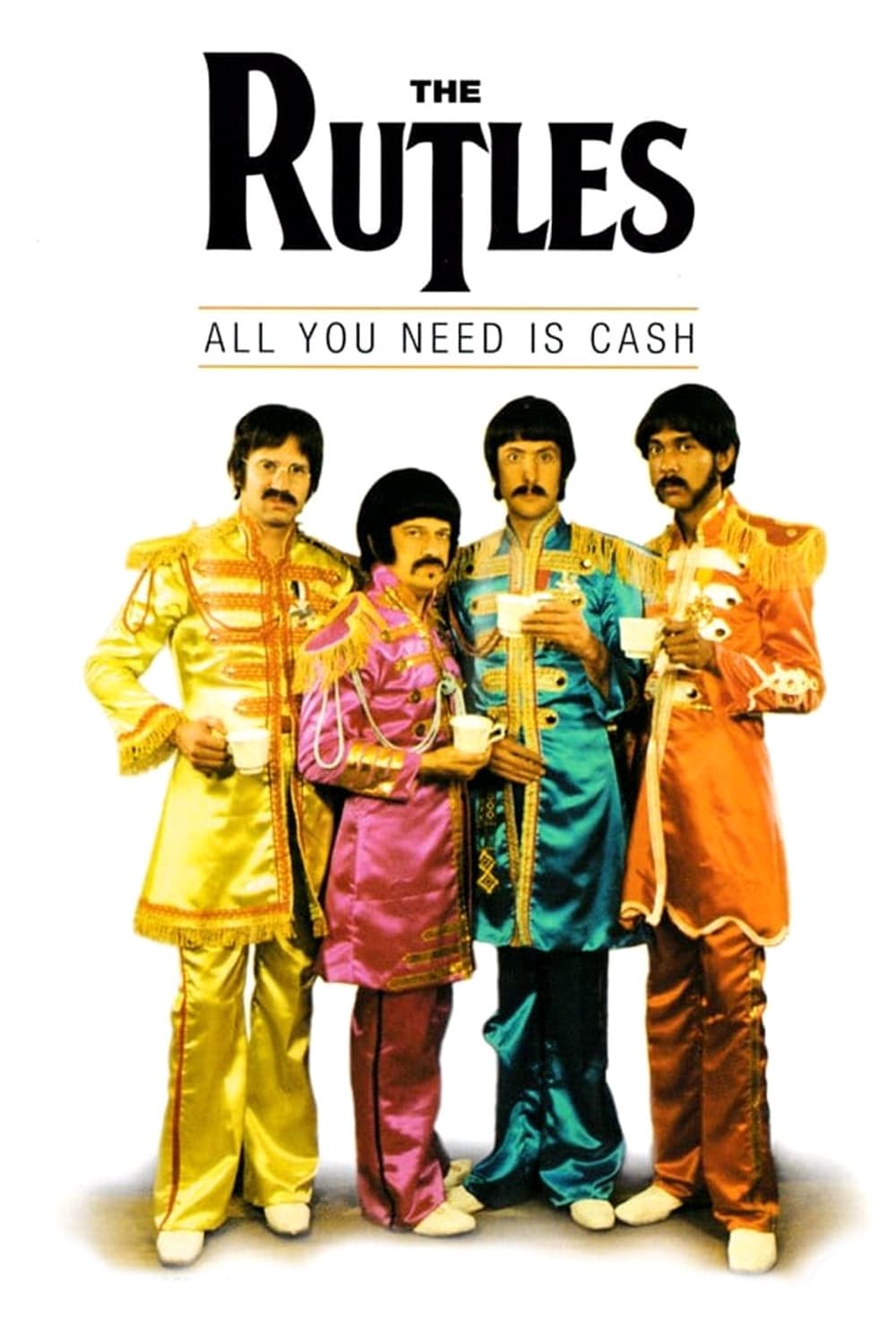
The Rutles: All You Need Is Cash (1978)
Overview
The Rutles: All You Need Is Cash is a 1978 production that has gone down in film history as one of the most iconic examples of the mockumentary genre. Co-directed by Eric Idle and Gary Weis, the film draws on the Monty Python team's ingenious sense of humor to poke fun at the most legendary band in popular music, offering viewers a cinematic experience that is both entertaining and remarkably clever in its construction.
The film recounts the rise and fall of a fictional band called "The Rutles" in the format of a genuine documentary. Woven together from interviews, mock archival footage, concert scenes, and references to the music industry of the era, this structure leaves the viewer in a delightful state of uncertainty between fact and fiction. In a project where Eric Idle serves as both director and actor, the songs composed by Neil Innes are also among the film's most striking elements.
Gwen Taylor, among the cast members, stands out as a name that reinforces the film's commitment to the British comedy tradition. The gathering of familiar faces from the British comedy scene of the era lends the film an added layer of authenticity.
Plot
The film covers, in documentary form, a journey spanning the formation of the fictional band The Rutles, their rise to the top, the internal conflicts they endure, and eventually their breakup. The band members' lives, music careers, relationships with the media, and dynamics with one another are presented as though this were a serious documentary chronicling the history of a real music group.
Throughout the narrative, fake interviews with famous figures of the era, scenes mimicking real archival footage, and subplots concerning the band members' relationships with each other are all interwoven. The film not only tells the story of a music group but also satirically critiques the media culture, fan phenomenon, and workings of the music industry in the 1960s and 70s.
Why Watch It?
The Rutles: All You Need Is Cash holds great significance in the history of film and television as one of the pioneering works of the mockumentary genre. This format laid the groundwork for many successful productions in later years, and the film's innovative approach to the genre still serves as a valuable lesson today.
One of the film's greatest strengths is its attention to detail. The fictional band's songs, stage costumes, interview styles, and even the members' personality traits are crafted with such care that viewers may occasionally feel as though they're watching an actual documentary. This meticulous approach elevates the film beyond a simple parody, turning it into an original work of art in its own right.
Additionally, the absurd and clever sense of humor bearing the Monty Python team's signature can be felt in every scene. Viewers experience moments that will make them laugh out loud alongside subtle references packed throughout. For music lovers, the original songs composed by Neil Innes form a distinct layer of the film, and these tunes are enjoyable enough to be listened to on their own.
Who Is It For?
This film is especially ideal for viewers familiar with British humor, who enjoy absurdist comedy, and who have an interest in the mockumentary format. Those who have enjoyed the earlier works of the Monty Python team will find the same creative wit and sense of humor here.
Music history enthusiasts, particularly those interested in the pop-rock culture of the 1960s and 70s, will also find special value in the film. The references to the music industry of the era and the details reflecting the atmosphere of those years offer a nostalgic journey.
On the other hand, viewers seeking fast-paced action or dramatic tension may find this film falls short of their expectations. The film unfolds at a calm pace, built around subtle humor, and appeals to patient viewers who can appreciate this style of storytelling.
Pros and Cons
Pros:
1. Being one of the pioneering and influential examples of the mockumentary genre makes it a valuable production in film history.
2. The attention to detail and realistic narrative structure fully immerses the viewer in the film.
3. The original songs composed by Neil Innes strengthen the film's musical dimension and provide a memorable experience.
Cons:
1. Some references may be lost on viewers unfamiliar with British humor and the cultural references of the era.
2. Since the film unfolds in a documentary style rather than a classic narrative structure, it may feel slow to some viewers.
Genre and Tone
The film offers a perfect blend of comedy and mockumentary genres. In terms of tone, it maintains a serious documentary air while consistently making the viewer laugh through the absurd and subtle humor elements embedded within it. This contrast is one of the film's most original aspects; while the surface presents a serious narrative, the underlying satire and parody elements catch the viewer off guard.
The film's overall tone is light and entertaining, but it occasionally carries subtle critiques of the darker sides of the music industry and fame. This balance makes the film not just funny, but thought-provoking as well.
Runtime and Viewing Experience
The film has a short but dense runtime of approximately 70 minutes. This brevity keeps the film's pace highly dynamic and conveys its content without boring the viewer. Documentary-style interview segments, mock archival footage, and musical performances follow one another, making for a smooth viewing experience.
Viewers are advised to watch carefully in order to fully enjoy the film, as many references and jokes are hidden in subtle details. Some nuances may be missed in a single viewing, which is why this film is a production that rewards multiple viewings.Similar Works
For those who enjoy the mockumentary style and satirical perspective on the music world that this film offers, a few similar productions can be recommended:
- This Is Spinal Tap (1984): One of the most famous examples of the mockumentary genre, centered on the world of rock music.
- Bohemian Rhapsody (2018): Although it's a biographical production telling the story of a real band, it may be of interest for how it captures the atmosphere of the music industry.
- A Hard Day's Night (1964): A classic of the musical comedy genre, recounting the semi-fictional adventures of a real band.
- Popstar: Never Stop Never Stopping (2016): Another mockumentary-style comedy that satirizes the modern music industry.
- Fear of a Black Hat (1993): A similar mockumentary production that parodies the world of hip-hop music.
Final Assessment
The Rutles: All You Need Is Cash holds a special place in film history for both its sense of humor and its formal innovation. Carrying the creative power of Monty Python, the film blends its sharp observations about the music world with absurdist comedy to offer viewers an unforgettable experience.
Despite its short runtime, the film's dense content, meticulous details, and memorable music make it a must-see production for comedy lovers and music history enthusiasts alike. Having laid the foundations of the mockumentary genre, this production continues to attract the interest of film lovers as a classic that still retains its freshness today.
Details
Cast (20)

















ByTv Değerlendirmesi
Gallery
Yorumlar
Henüz yorum yok. İlk yorumu siz yazın.
Recommended







Senin için seçelim
Türe göre süz, puana göre sırala ya da çarkı çevirip sürpriz öneri al.