
The Little Stranger
The Little Stranger (2018) Overview The Little Stranger is a 2018 gothic thriller drama adapted from Sarah Waters' novel of the same name. Directed by Lenny Abrahamson, the film combines the gloomy atmosphere of post-war England w…
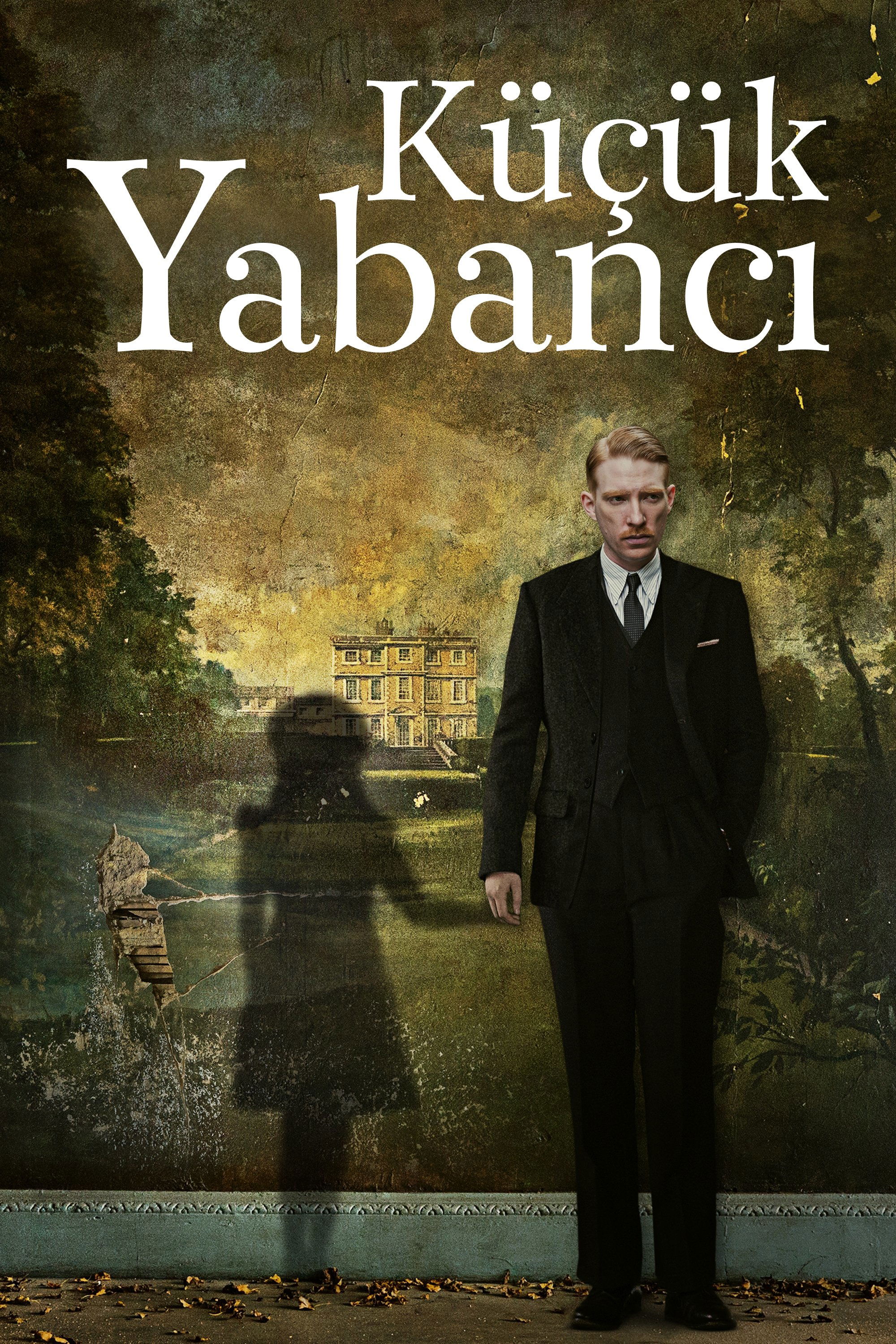
The Little Stranger (2018)
Overview
The Little Stranger is a 2018 gothic thriller drama adapted from Sarah Waters' novel of the same name. Directed by Lenny Abrahamson, the film combines the gloomy atmosphere of post-war England with a tense story built around a declining aristocratic family and their mansion. While the cast is led by names such as Domhnall Gleeson, Ruth Wilson, Will Poulter, and Charlotte Rampling, veteran British actor Clive Francis also joins the ensemble, contributing to the film's rich array of characters.
As a director who earned widespread acclaim with "Room," Abrahamson opts for a more measured, patient, and atmosphere-driven narrative approach in this project. The film moves away from the fast-paced structure typical of traditional horror or thriller films, instead offering a structure that gradually draws the viewer in while prioritizing psychological tension. Visually, the production carries the meticulous detail of period films, successfully capturing the grand yet eerie air of English country manors.
One of the film's most notable aspects is that it leaves supernatural elements shrouded in ambiguity, allowing room for the viewer's own interpretation. This choice pushes the film beyond classic horror conventions, placing it on more literary and thought-provoking ground.
Plot
The story takes place in rural England in the aftermath of World War II. Doctor Faraday, who once visited a grand mansion called Hundreds Hall as a child, sets foot in it again due to a medical case. Once magnificent, the house now stands in a state of disrepair, bearing the marks of time and war. The Ayres family, who live in the mansion, have lost much of their former wealth and now lead a withdrawn, isolated existence.
As Doctor Faraday grows closer to the family members—particularly Caroline Ayres—strange and inexplicable events begin to occur in the house. Whether these events are tied to hidden traumas in the family's past, or whether the house itself is somehow feeding this tension, remains an open question throughout the film. The narrative deliberately blurs the line between reality and perception, gaining psychological depth by focusing on the characters' inner worlds.
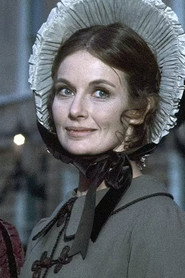
Clive Francis's performance stands out among the film's supporting characters, reinforcing the story's period texture. Rather than a classic "haunted house" tale, the narrative takes shape as a drama exploring themes of class differences, loss, and desire.
Why Watch It?
The Little Stranger is a film that shouldn't be approached with typical horror film expectations, but rather regarded as an atmospheric drama. The film's greatest strength is the way it builds tension gradually, without resorting to cheap jump-scare moments. This approach offers a highly satisfying experience for patient viewers.
The cinematography and production design are crafted in enough detail to rank among the finest examples of period filmmaking. Hundreds Hall itself functions almost like a character; every corner of the house conveys the family's decline and the weight of the past. The acting performances are also among the elements that elevate the film's quality; Domhnall Gleeson's cold, distant demeanor and Ruth Wilson's fragile yet strong presence enrich the film's emotional layers.
Additionally, the way the film handles themes of class conflict and post-war social change goes beyond being merely a thriller, offering a meaningful social critique of the era. In this respect, the film promises a multi-layered viewing experience for audiences interested in both genre cinema and period drama.
Who Is It For?
This film may not be suitable for viewers seeking fast-paced horror or action-packed thrillers. The Little Stranger has a narrative that demands patience, prioritizing atmosphere and character development. It's an ideal choice for viewers who love period dramas, have an interest in adaptations of British literature, and prefer psychological tension over classic horror elements.
Additionally, viewers who enjoy ambiguous, open-ended narratives and love to dwell on a film long after watching it will greatly enjoy this production. It also offers a satisfying experience for cinema enthusiasts who value visual aesthetics and acting performances.
Pros and Cons
Pros:
1. Atmospheric and meticulous cinematography with successfully rendered period details
2. Strong acting performances, particularly from Domhnall Gleeson and Ruth Wilson
3. Psychological tension created by leaving supernatural elements in ambiguity
Cons:
1. The heavy, slow pacing risks feeling unengaging for impatient viewers
2. The ambiguous ending to the narrative structure may leave some viewers unsatisfied
Genre and Tone
The Little Stranger sits at the intersection of gothic drama and psychological thriller. The film deliberately steers clear of the visual shock elements of classic horror cinema, adopting a more literary and introspective tone instead. A dark, melancholic, and mysterious atmosphere prevails throughout the film; however, this tension is kept at a consistently low register, deepening without wearing the viewer down.
The period-film aesthetic successfully conveys the gray, gloomy air of post-war England while also making room for the story's human drama. This balance places the film not squarely in the horror genre, but rather in the "gothic drama" category.
Runtime and Viewing Experience
The film runs approximately 111 minutes, and it deliberately maintains a slow pace throughout that runtime. The viewing experience calls for an attentive and patient audience, as the film favors a narrative style that focuses on the characters' inner worlds and the house's atmosphere rather than sudden developments or a fast-moving plot.
Silence and empty space are among the key elements that build the film's tension; for this reason, it's recommended to watch it in a quiet setting free of distractions, rather than a noisy or crowded environment. For viewers attentive to visual detail and acting nuance, this pacing will help them better grasp the depth of the film.Similar Productions
- Crimson Peak (2015)
- Rebecca (2020)
- The Woman in Black (2012)
- The Innocents (1961)
- The Awakening (2011)
Final Assessment
The Little Stranger may prove disappointing if approached with expectations of a classic horror film, but when regarded as an atmospheric period drama, it is a thoroughly satisfying production. With Lenny Abrahamson's patient direction, a strong cast, and meticulous visual design, the film offers a cinematic interpretation of British gothic literature.
Its narrative, built on ambiguity, invites viewers to think and form their own interpretations. In this respect, the film stands out not as something to be watched once and forgotten, but as a work that can be discussed and evaluated from different perspectives. For viewers who love period dramas, psychological tension, and literary adaptations, this is definitely a film that deserves a spot on the list.
Details
Cast (39)

































ByTv Değerlendirmesi
Gallery
Yorumlar
Henüz yorum yok. İlk yorumu siz yazın.
Recommended






Senin için seçelim
Türe göre süz, puana göre sırala ya da çarkı çevirip sürpriz öneri al.