
The City of Violence
The City of Violence (2006) Overview The City of Violence (originally titled Jjakpae, which can also be translated as "The Gang" in English) is a 2006 South Korean action-crime film. Directed by Ryoo Seung-wan, the production stan…

The City of Violence (2006)
Overview
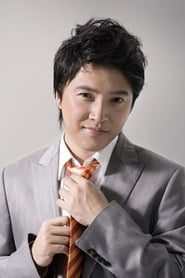
The City of Violence (originally titled Jjakpae, which can also be translated as "The Gang" in English) is a 2006 South Korean action-crime film. Directed by Ryoo Seung-wan, the production stands out both for its intense fight scenes and its nostalgic story of friendship. Ryoo Seung-wan is a name particularly known in South Korean cinema for the importance he places on action choreography, and in this film he masterfully presents realistic, physical fight sequences that bear his signature style. The director left his mark on the project both by starring in the lead role and by sitting in the director's chair.
The production centers on a story set in a small town, depicting how childhood friendships transform years later into a web of organized crime and violence. As one of the notable examples of the rise of Korean cinema in the 2000s, the film was well received at both domestic and international festivals, earning particular praise from critics for the original choreography of its action scenes.
Plot
The story follows a group of childhood friends who went their separate ways after growing up in the same town, only to be reunited years later by a murder. The suspicious death of one of them forces the remaining friends to confront their past while also battling a new generation of criminal organization attempting to take over their town. In the process, the film builds a tense atmosphere in which old friendships are put to the test and the dark side of the city comes to light.
The narrative shifts between past and present, gradually revealing how the characters arrived at this point. This structure gives the viewer not just the feeling of watching an action film, but also the opportunity to observe a bygone era, eroding values, and changing human relationships.
Why Should You Watch It?
The City of Violence carries an emotional depth that goes beyond classic revenge and gang films. One of the most important elements that sets the film apart is that its action sequences are built on real physical performances rather than relying on CGI or excessive editing effects. In particular, the fight sequences shot in long takes give the viewer the feeling of watching a choreographic performance.
The film is also not limited to fistfights alone; the nostalgic depiction of small-town life, the treatment of the friendship theme, and the characters' intertwined pasts add an emotional layer to the production. Ryoo Seung-wan's vision, both as director and actor, contributes to the film's cohesion. For those curious about the evolution of Korean action cinema, this production represents one of the genre's important turning points.
Who Is It Suitable For?
This film is ideal especially for viewers who are interested in East Asian action cinema, realistic fight choreography, and stories centered on the criminal underworld. Since it has a different pace and aesthetic from classic Hollywood action productions, viewers familiar with Korean or Japanese cinema will enjoy it more.
Since it contains harsh violence and intense action, it is not a suitable choice for viewers looking for lighthearted or family-oriented content. However, it offers a satisfying experience for those who want to see nostalgic friendship stories, the dark side of gang life, and impressive fight choreography all combined.
Pros and Cons
Pros:
1. Impressive, realistic fight choreography shot in long takes
2. The themes of friendship and nostalgia add emotional depth
3. Ryoo Seung-wan's strong performance as both director and actor
Cons:
1. Intense violent scenes may be disturbing for sensitive viewers
2. The narrative structure occasionally slows down the pacing
Genre and Tone
While the film moves along the boundaries of the action and crime genres, it also incorporates elements of nostalgic drama. Its tone is generally harsh and realistic; although the violent scenes are stylized, they do not carry an exaggerated, fantastical air. Alongside this, the portrayal of bonds rooted in the characters' shared past adds a melancholic layer to the film. This balance transforms the production from merely a fight film into a deeply human story.
Runtime and Viewing Experience
The film runs approximately 93–95 minutes, making it a fast-paced and smoothly flowing viewing experience. Thanks to its relatively short runtime, the pacing is generally kept high, although the flashback scenes occasionally slow the narrative's momentum. The physical intensity of the action scenes creates a tension that keeps the viewer glued to the screen, contributing to the film's overall flow.
Similar Productions
- The Raid: Redemption (2011)
- A Bittersweet Life (2005)
- Crying Fist (2005)
- I Saw the Devil (2010)
- The Man from Nowhere (2010)
Final Verdict
The City of Violence is a powerful example of the rise of the action-crime genre in Korean cinema during the 2000s. Ryoo Seung-wan's vision offers viewers a multi-layered experience, combining harsh, realistic fight scenes with emotional depth drawn from themes of friendship and nostalgia. It is a satisfying production for viewers who see action cinema not merely as a visual spectacle, but also as a space where human relationships and the traces of the past are examined. Although it may not rank among the genre's classics, it is an essential work for anyone wishing to understand the development of Korean action cinema.
Details
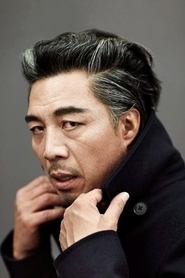
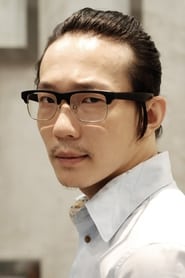
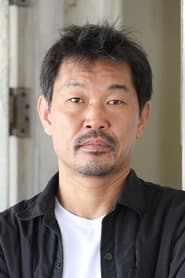
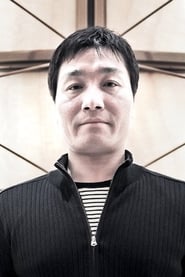
Cast (71)



























ByTv Değerlendirmesi
Gallery
Yorumlar
Henüz yorum yok. İlk yorumu siz yazın.
Recommended



Yazıda geçen yapımlar


Senin için seçelim
Türe göre süz, puana göre sırala ya da çarkı çevirip sürpriz öneri al.