
The Boss (1973)
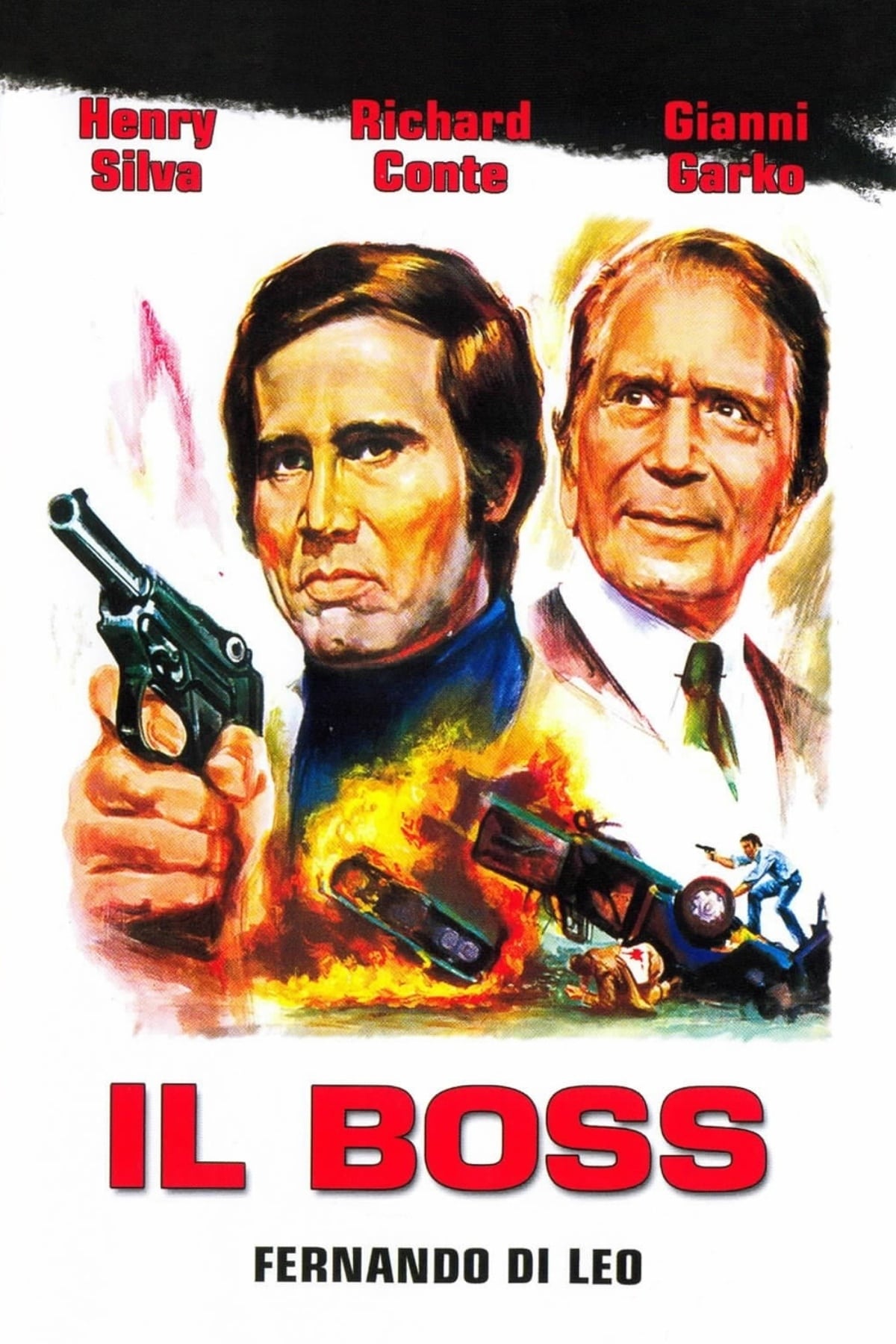
"The Boss" (1973) stands out as one of the important works of Turkish cinema. Directed and written by Atıf Yılmaz, the film explores relationships of power and authority within Turkish society. Set in the Turkey of the 1970s, the…
Overview
"The Boss" (1973) stands out as one of the important works of Turkish cinema. Directed and written by Atıf Yılmaz, the film explores relationships of power and authority within Turkish society. Set in the Turkey of the 1970s, the story takes a deep look at the social structure and human relationships of the era. The cast features masterful names as well.
Plot
The film revolves around a local businessman who defines himself as "the boss." While this boss tries to keep those around him under control, he also looks after his own interests. The effects of power and power games on people are handled in depth throughout the film. As themes such as the responsibilities that come with being a successful businessman, family relationships, and friendships are explored, the dialogues and conflicts between the characters lead the viewer to reflection. Over time, the film reveals how the boss's hunger for power isolates him and affects his relationships with those around him.
Why Watch It?
"The Boss" stands out as a production that sheds light on the social and economic issues of its time. The film's strong dialogues, character depth, and social critique keep the viewer's interest constantly alive. The mastery of Atıf Yılmaz's direction turns the film into not just a drama but also a social study. It prompts the audience to question the effects of power and authority on human relationships. It also serves as an important resource for understanding the cultural structure and social norms of the era.
Who Is It For?
The film is suitable for viewers who enjoy social drama and social critique. Those looking for a production that delves deeply into power dynamics, human relationships, and themes of authority will appreciate "The Boss." It is a must-see, especially for those interested in Turkish cinema and curious about the socio-cultural structure of 1970s Turkey. It is also an important stop for cinephiles interested in Atıf Yılmaz's filmography.
Pros and Cons
Pros:
1. Strong dialogues and deep character analysis.
2. Effectively reflects the socio-cultural structure of the era.
3. A high-quality production thanks to Atıf Yılmaz's mastery.
Cons:
1. A slow-paced narrative for some viewers.
2. Contains scenes that may feel heavy in terms of emotional intensity.
Genre and Tone
"The Boss" stands out as a dramatic production. Combining elements of social drama and psychological tension, it offers the viewer a profound experience. The film proceeds with a tone that makes the viewer think, question, and occasionally embark on an inner journey. With its emotional intensity and dramatic structure, it aims to leave a lasting impression on viewers.
Runtime and Viewing Experience
The film has a runtime of approximately 90 minutes. Within this time, it offers an experience full of story, character development, and social critique. The viewing experience is enriched, in particular, by deep dialogues and the characters' inner worlds. The visual storytelling and music-supported scenes succeed in capturing the viewer's attention. With a structure that encourages asking questions about social issues, "The Boss" takes the viewer beyond simply watching a film.
Similar Productions
1. Yılanların Öcü (1962) - One of the important dramas of Turkish cinema, dealing with themes of power and revenge.
2. Kara Çalgın (1973) - A production focused on love, disillusionment, and social struggle.
3. Sürü (1978) - A film that deeply examines relationships between family, society, and the individual.
4. Düğün (1970) - Explores the conflicts between traditional values and the process of modernization.
5. Selvi Boylum Al Yazmalım (1978) - A touching story about love and sacrifice.
Final Assessment
"The Boss" is an impressive production that holds an important place in Turkish cinema, offering a deeply developed story. The mastery of Atıf Yılmaz's direction turns the film into not just a cinematic work but also a social study. Offering the viewer a thought-provoking, question-raising, and profound experience, this film is a work that anyone interested in Turkish cinema should choose to watch. This deep analysis of power, authority, and human relationships succeeds in leaving a lasting impression on the viewer's mind.
Details
Cast (54)

















































ByTv Değerlendirmesi
Gallery
Yorumlar
Henüz yorum yok. İlk yorumu siz yazın.
Recommended






Senin için seçelim
Türe göre süz, puana göre sırala ya da çarkı çevirip sürpriz öneri al.