
The Best Man
The Best Man (1964) Overview "The Best Man" is a 1964 classic American film that tackled political intrigue in its most nuanced form, leaving a lasting mark on the cinematic sensibilities of its era. Adapted from Gore Vidal's play…

The Best Man (1964)
Overview
"The Best Man" is a 1964 classic American film that tackled political intrigue in its most nuanced form, leaving a lasting mark on the cinematic sensibilities of its era. Adapted from Gore Vidal's play of the same name, the film boasts a distinctive aesthetic texture through its black-and-white cinematography. Centered on the behind-the-scenes intrigue, moral dilemmas, and power struggles of a presidential nomination race, the production stands out both for the sharpness of its screenplay and the quality of its performances. The film portrays politics not merely as an ideological struggle, but as an arena where personal characters, pasts, and weaknesses collide. The contribution of character actors like Natalie Masters enriches the film's background texture. The director's ability to keep dialogue-heavy scenes dynamic through his camera language is one of the key reasons the film remains watchable even today.
While the production realistically reflects the political culture, party conventions, and the role of the press in 1960s America, it also masterfully explores the universal theme of "the conflict between the thirst for power and conscience." In this respect, the film can be read not just as a document of its time, but as a timeless study of human nature.
Plot
The film centers on the tension between two politicians competing to become the presidential nominee at a national party convention. On one side is an idealistic, intellectual candidate with a conscience; on the other, a more pragmatic, ambitious, and results-driven rival. Secret information that surfaces during the convention, secrets from the past, and pressure from the press force both candidates into difficult decisions. The information each candidate considers using against the other threatens not only their political careers but their personal reputations as well.
Throughout the film, the viewer is presented with a narrative that questions the human weaknesses and moral dilemmas behind the struggle for power, and asks "how far can one go to win?" The tension in the convention halls, the secret bargaining in hotel rooms, and the manipulation at press conferences all lay bare the backstage of politics.
Why Watch It?
"The Best Man" is considered one of the finest examples of the political drama genre. Gore Vidal's sharp and cleverly written dialogue offers a powerful narrative that draws the viewer into the inner world of the characters. The film's greatest strength is that it conveys political maneuvering in a realistic and believable tone rather than an exaggerated one. Viewers can feel the weight of every decision the characters make.
The film also serves as an important reference for those wishing to understand the American political culture of its era. Elements such as the workings of the convention process, delegate bargaining, and the role of the media have inspired political films to this day. The high-caliber cast brings depth to each character with distinct motivations. This makes the film valuable not just as a period piece, but as a character study as well.
Who Is It For?
This film is ideal for fans of classic American cinema, those interested in political dramas, and viewers who enjoy dialogue-driven, intellectual narratives. Viewers expecting action or a fast pace may find the film a bit heavy, as the narrative mostly unfolds through conversations between characters and strategic maneuvering. However, for those interested in political science, history, or human psychology, this production offers a highly satisfying experience. Additionally, viewers familiar with black-and-white cinema aesthetics and 1960s Hollywood productions will more easily adapt to the film's visual language.
Pros and Cons
Pros:
1. Gore Vidal's sharp, cleverly crafted, and realistic dialogue is one of the film's greatest strengths.
2. The cast's performances successfully convey the complex motivations of the characters.
3. Its realistic and detailed depiction of the political convention process gives the film a documentary-like value.
Cons:
1. The slow-paced narrative may feel tedious for viewers expecting action or a fast-moving plot.
2. Viewers unfamiliar with the political context of the era may not fully grasp some of the references.
Genre and Tone
As one of the classic examples of the political drama genre, the film has a serious and tense tone. The screenplay, which occasionally includes ironic and sharp humor, presents the power struggle between characters in a way that is both dramatic and thought-provoking. The black-and-white cinematography reinforces the film's gravity and period atmosphere, while the staging and camera angles evoke its theatrical origins. This lends the film an air of stage drama, offering an intellectual viewing experience.
Runtime and Viewing Experience
The film has a standard feature-length runtime and requires attentive viewing due to its density of dialogue. It is important for viewers to focus on the scenes in order to follow the relationships between characters and the political tensions. Rather than action sequences or visual effects, the film favors a narrative built on the power of words and glances. For this reason, it should be watched in a quiet setting, free from distractions. Although the pace may sometimes feel slow, it should be remembered that every scene carries important clues for what follows.
Similar Productions
- Advise & Consent (1962) – Another classic drama exploring the behind-the-scenes of American politics.
- All the King's Men (1949) – An unforgettable production dealing with power, ambition, and political corruption.
- Seven Days in May (1964) – A film from the same era exploring political tension and conspiracy themes.
- Primary Colors (1998) – A contemporary similar production revealing the inner workings of a modern presidential campaign.
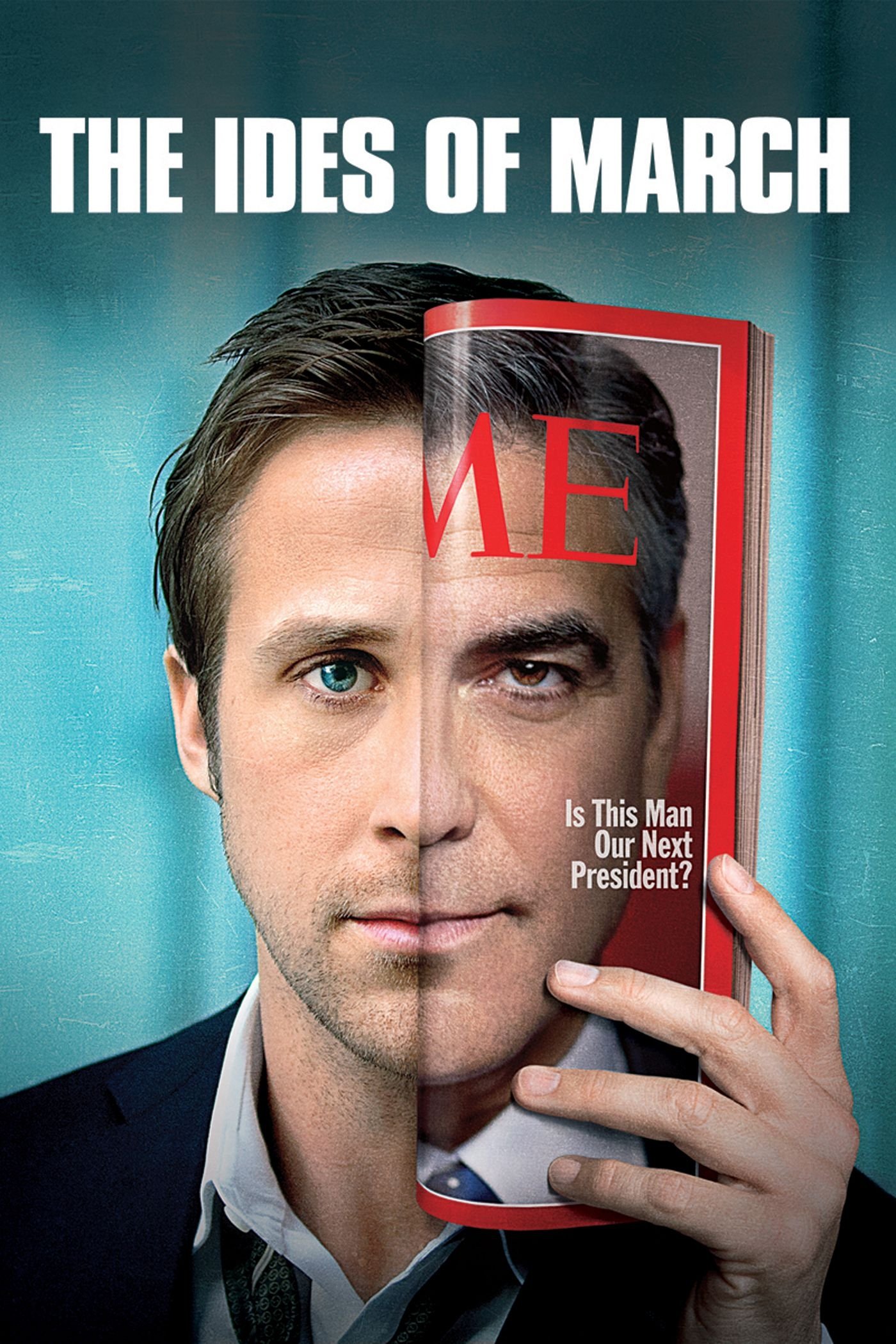
- The Ides of March (2011) – A contemporary drama exploring the moral dilemmas of political campaigns.
Final Assessment
"The Best Man" stands out as one of the most solid examples of the political drama genre, with themes that remain relevant even today. Gore Vidal's sharp pen, combined with strong performances, offers viewers an experience that is both entertaining and thought-provoking. For those interested in classic cinema and political narratives, this film is a must-watch. Despite its slow-paced structure, the depth of character and intellectual tension it offers are what make the film timeless.
Details
Cast (89)

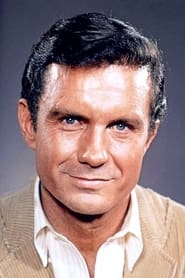





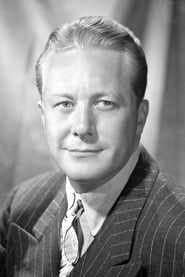
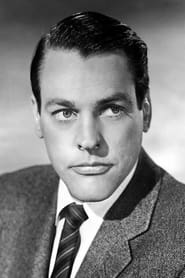
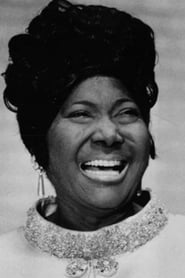








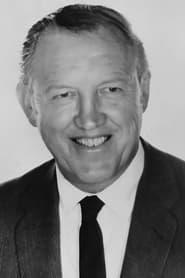






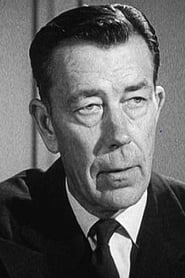
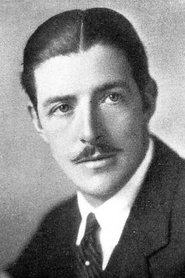
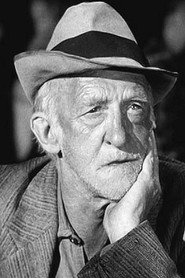
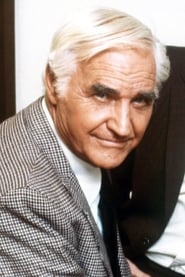
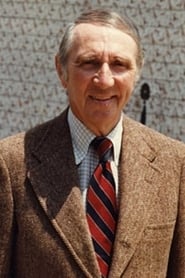


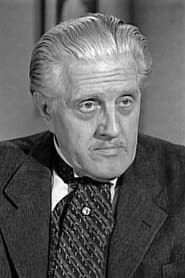
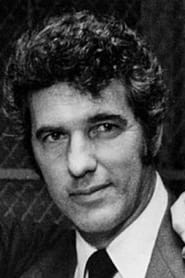

Ödüller
1 adaylık
- En İyi Yardımcı Erkek Oyuncu Akademi Ödülü 1965
ByTv Değerlendirmesi
Gallery
Yorumlar
Henüz yorum yok. İlk yorumu siz yazın.
Recommended


Yazıda geçen yapımlar

Senin için seçelim
Türe göre süz, puana göre sırala ya da çarkı çevirip sürpriz öneri al.