
Tenet
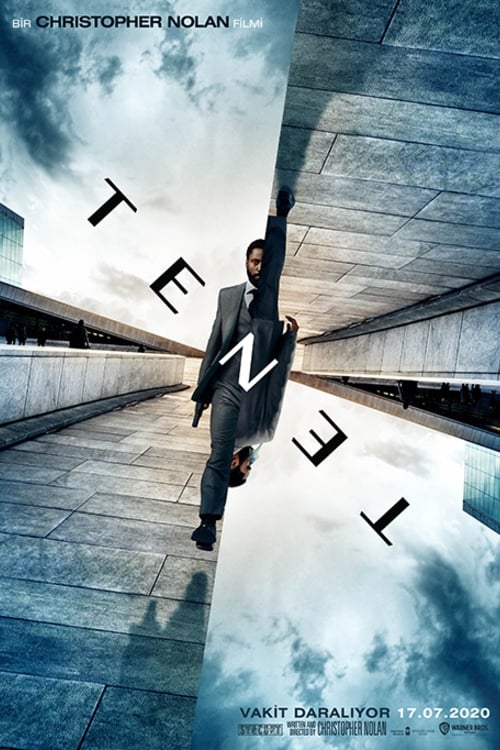
Tenet (2020) Overview Directed by Christopher Nolan, "Tenet" arrives as a science fiction-spy film that completely upends the concept of time, released to audiences in 2020. Perhaps the boldest example of the mind-bending storytel…
Tenet (2020)
Overview
Directed by Christopher Nolan, "Tenet" arrives as a science fiction-spy film that completely upends the concept of time, released to audiences in 2020. Perhaps the boldest example of the mind-bending storytelling style Nolan launched with "Inception," this production served almost as a flag-bearer for keeping cinemas open during the pandemic era. Starring John David Washington and Robert Pattinson, the film also boasts an extremely strong technical crew. The contribution of names like Anthony Molinari in the visual effects department plays a huge role in making the film's "reversed time" concept believable through practical effects. Nolan's signature commitment to large-scale, practical filming techniques elevates "Tenet" beyond being merely a video-game-style visual show, transforming it into a genuine cinematic experience. Although the film is designed to be watched in IMAX format, it still delivers an impressive visual feast even on home theater systems.
Plot
At the center of the film lies the effort of a CIA agent known only as "The Protagonist" to save the world from a threat far greater than a third world war. However, this threat comes not from the past, but from the future. Trying to unravel a mysterious conspiracy involving technology that reverses time, the Protagonist, alongside an enigmatic partner named Neil, attempts to survive in a world where the rules of entropy no longer apply. Our hero, trying to understand how this technology—held by a Russian arms dealer named Andrei Sator—could plunge humanity into catastrophe, embarks on a journey filled with events moving both forward and backward in time. While the story uses the skeleton of a classic espionage narrative, it completely reshapes that skeleton with the nonlinear structure of time. As viewers try to follow how events unfold in both normal and reverse flow, they simultaneously discover the characters' motivations and the depths of the conspiracy.
Why Should You Watch It?
There are countless reasons to watch "Tenet," but the most important is the uniqueness it offers as a cinematic experience. In this film, Nolan chose to create the reversal of time not through CGI, but by literally reversing real actors and real sets. This approach lends the action sequences incredible realism and leaves viewers wondering, "How was this even filmed?" Ludwig Göransson's breathtaking score helps sustain the film's tension right up to the final moment. Additionally, John David Washington's charismatic performance and Robert Pattinson's mysterious, multi-layered character strengthen the film's human side. Kenneth Branagh's portrayal of the villain Sator presents a far darker and more realistic threat than a typical Bond villain. The film is also one of those rare productions that deserves multiple viewings; noticing details you missed on your first watch during a second or third viewing helps you better understand the film's layered structure.
Who Is It Suitable For?
"Tenet" is an ideal choice for viewers interested in complex narrative structures and mind-expanding science fiction concepts. Those who enjoyed Nolan's previous films (especially "Inception" and "Interstellar") and are familiar with his cinematic language will greatly enjoy this film. It's also a real feast for cinephiles who admire the technical mastery of action sequences and viewers who believe practical effects are superior to CGI. However, "Tenet" can be quite challenging for those accustomed to simple, linear storytelling or who prefer watching films in the background. The film demands full concentration and may even contain elements that remain unresolved for some viewers even after multiple viewings. Fans of spy films, especially those who love classic James Bond-style productions, may find in this film an alternative enriched with a science fiction layer.
Pros and Cons
Pros:
1. The fact that the vast majority of visual effects were practically achieved on real sets with real actors lends the film incredible realism.
2. Ludwig Göransson's atmospheric and tension-filled score reinforces the film's emotional and action-packed moments.
3. The original and bold screenplay structure dealing with the concept of time offers a unique experience within the genre.
Cons:
1. Due to the complex sound mixing, some dialogue is not clearly audible, which can make following the story difficult.
2. The narrative's overly complex structure may make it difficult for some viewers to form an emotional connection with and invest in the characters.
Genre and Tone
"Tenet" offers an unusual combination of the science fiction and espionage genres. The film blends classic spy film elements (international intrigue, secret agents, arms smuggling) with the most creative time-manipulation concepts of science fiction. Its tone is generally serious, tense, and carries an intellectual air; Nolan's characteristic cold and calculated storytelling style manifests here as well. Elements of humor are kept quite limited, with tension and curiosity taking center stage instead. The film has a structure that constantly forces the viewer to think and theorize, turning it into a cinematic experience that requires active participation rather than a light evening's entertainment.
Runtime and Viewing Experience
The film's total runtime is approximately 150 minutes, during which a high level of attention is demanded from the viewer. Avoiding distractions while watching "Tenet" is extremely important, as missing any detail can make understanding subsequent scenes more difficult. For this reason, it's strongly recommended to watch the film in a quiet environment, without interruptions. Watching with subtitles can make following the story easier, especially given the difficulties in the sound mix. Grasping all the details on the first viewing can be hard; therefore, watching the film a second time offers a more satisfying experience for many viewers. A large screen and a quality sound system are important factors for fully experiencing the film's visual and auditory impact.
Similar Productions
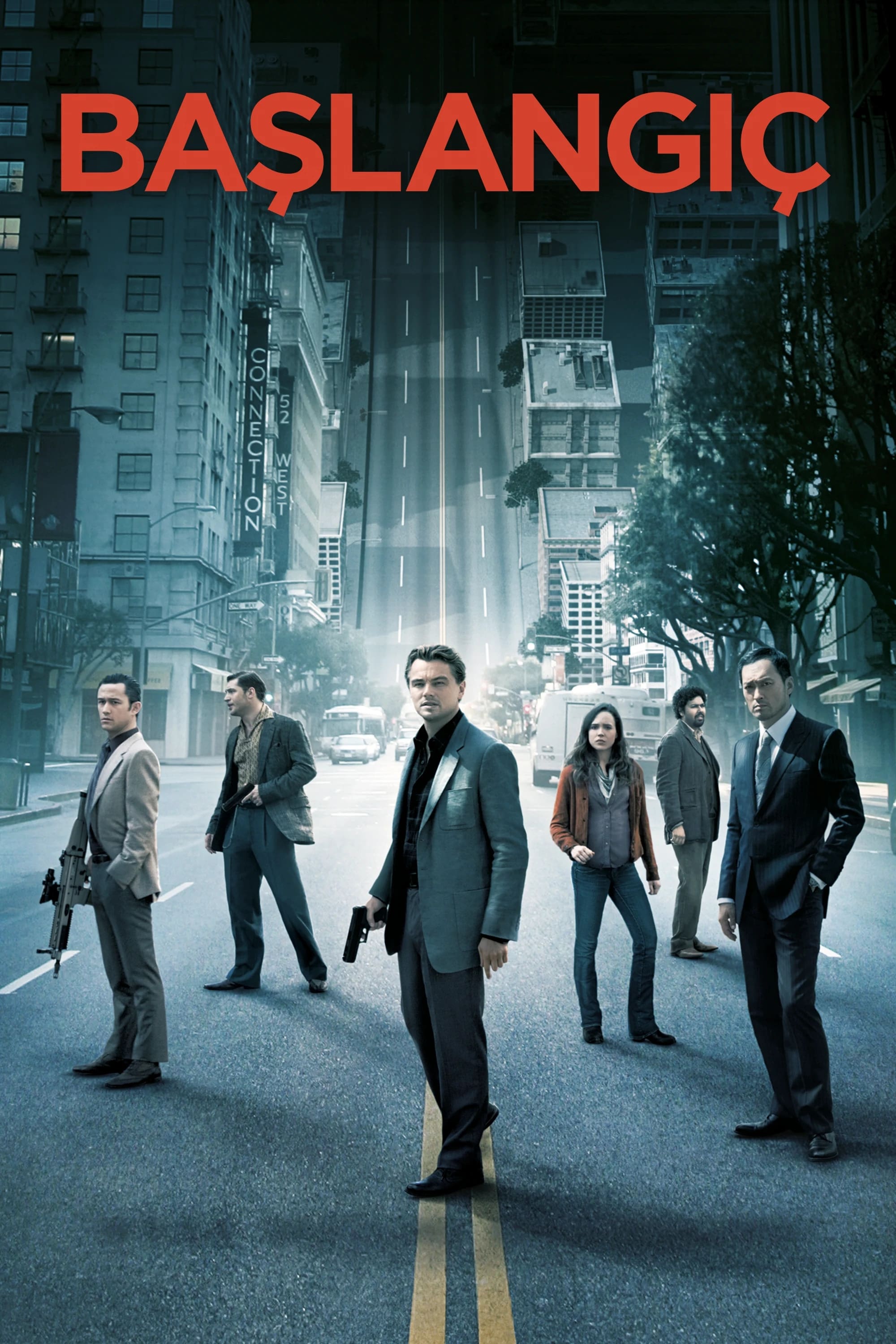
- Inception (2010) – Another key example of Christopher Nolan's mind-bending storytelling style.
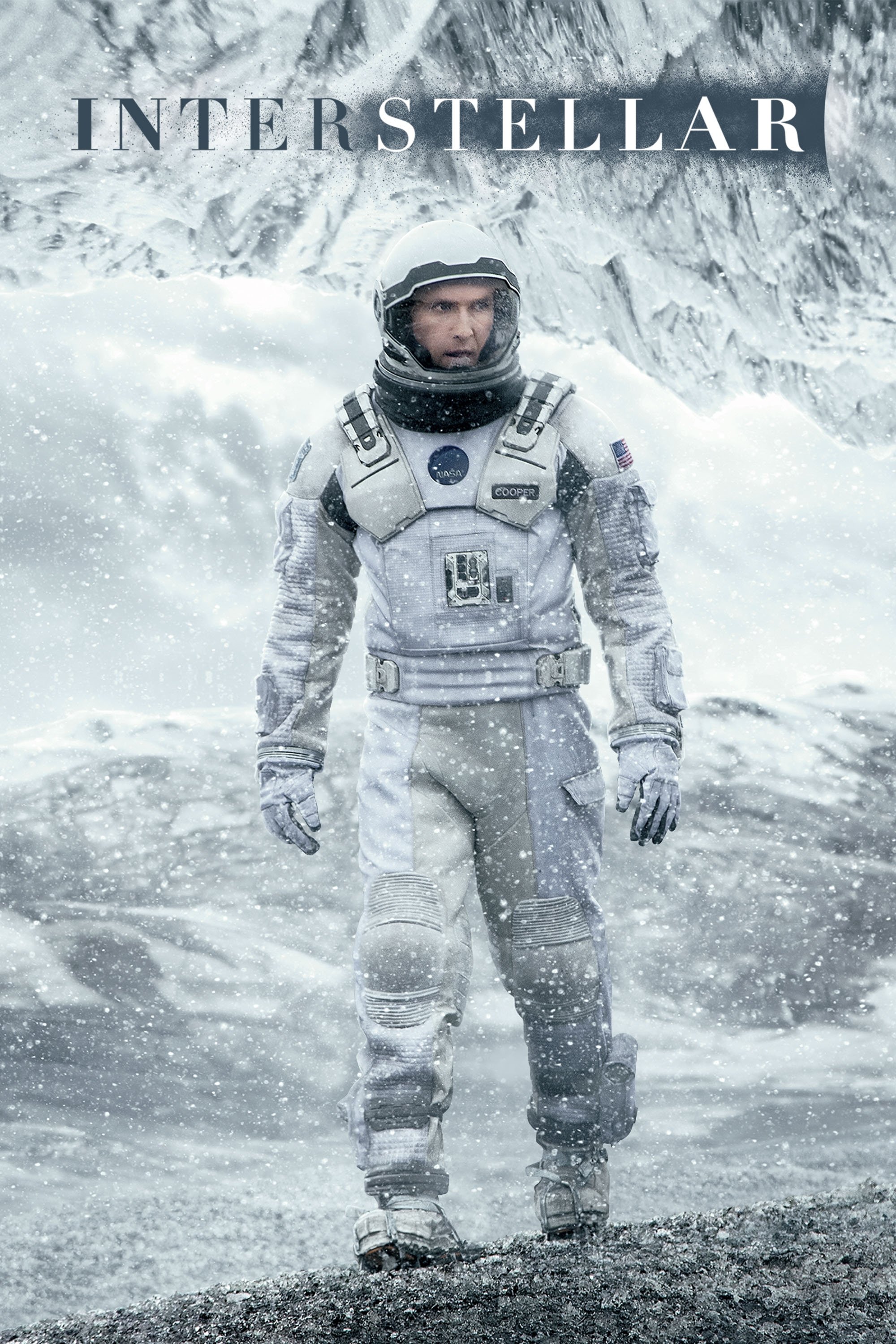
- Interstellar (2014) – Another Nolan production that blends concepts of time and space with an emotional story.
- Memento (2000) – An early work showing the roots of nonlinear narrative structure in Nolan's cinema.
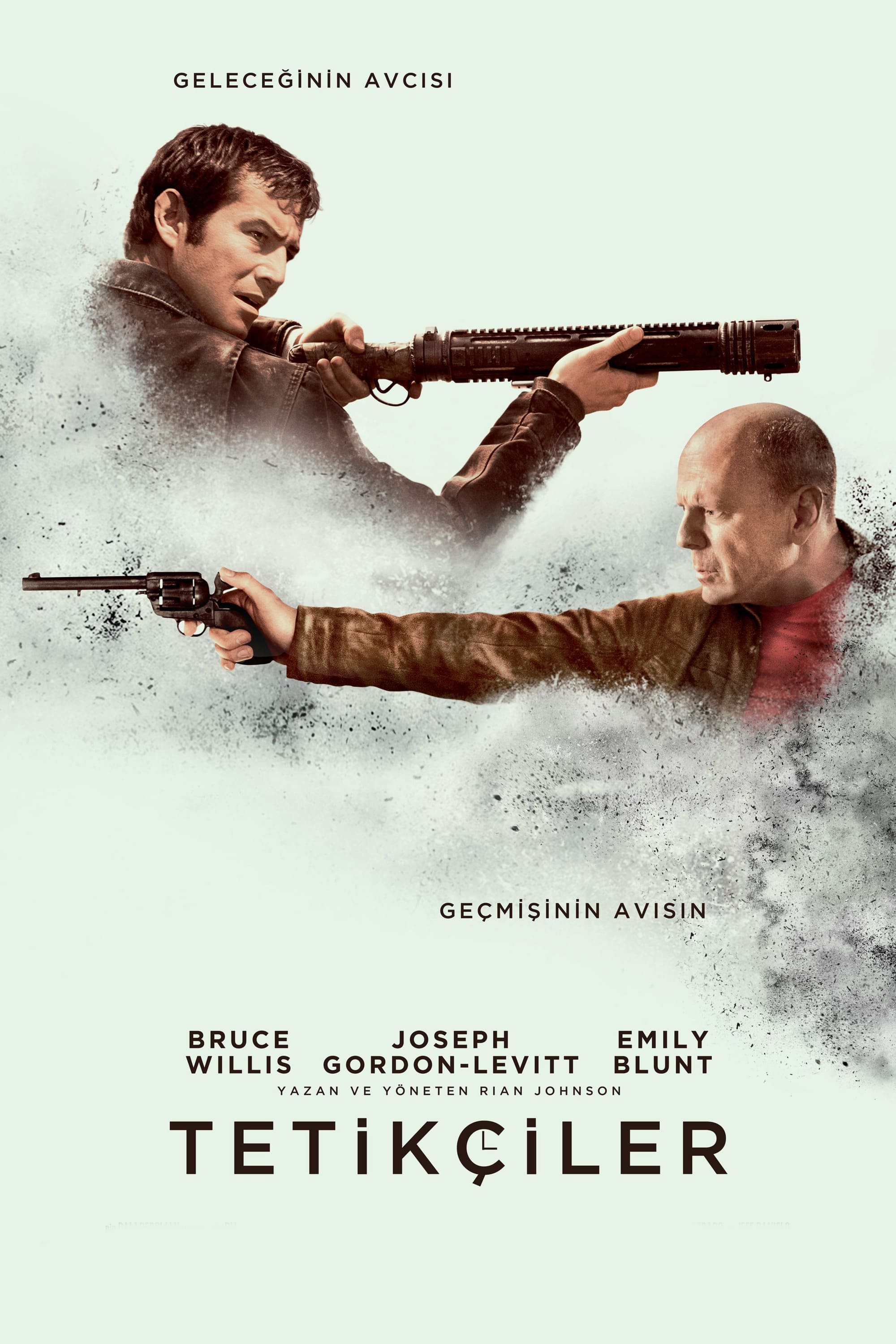
- Looper (2012) – A tense science fiction film that explores the time travel theme from a different angle.
- Predestination (2014) – Another complex and cleverly written science fiction production built around time paradoxes.
- The Mission: Impossible series – A series that presents international espionage and action elements with similar tension.
Final Assessment
"Tenet" stands out as one of modern cinema's boldest and most ambitious productions. Christopher Nolan's innovative interpretation of the concept of time offers an experience that is both intellectually challenging and visually mesmerizing. The practical effects brought to life with the contribution of visual effects experts like Anthony Molinari form one of the film's most memorable aspects. Of course, the film may not appeal to everyone's taste; its complex structure and, at times, hard-to-follow dialogue may tire some viewers. However, for those who enjoy solving cinema like a puzzle, who admire technical mastery, and who have enjoyed Nolan's previous works, "Tenet" is absolutely an experience not to be missed. The visual feast and mind-expanding concept the film offers make it a candidate for a cinema classic that will continue to be discussed even years from now.
Where to Watch


Details
Cast (61)









































ByTv Değerlendirmesi
Gallery
Yorumlar
Henüz yorum yok. İlk yorumu siz yazın.
Recommended
Yazıda geçen yapımlar
Senin için seçelim
Türe göre süz, puana göre sırala ya da çarkı çevirip sürpriz öneri al.