
Swordsman III: The East Is Red
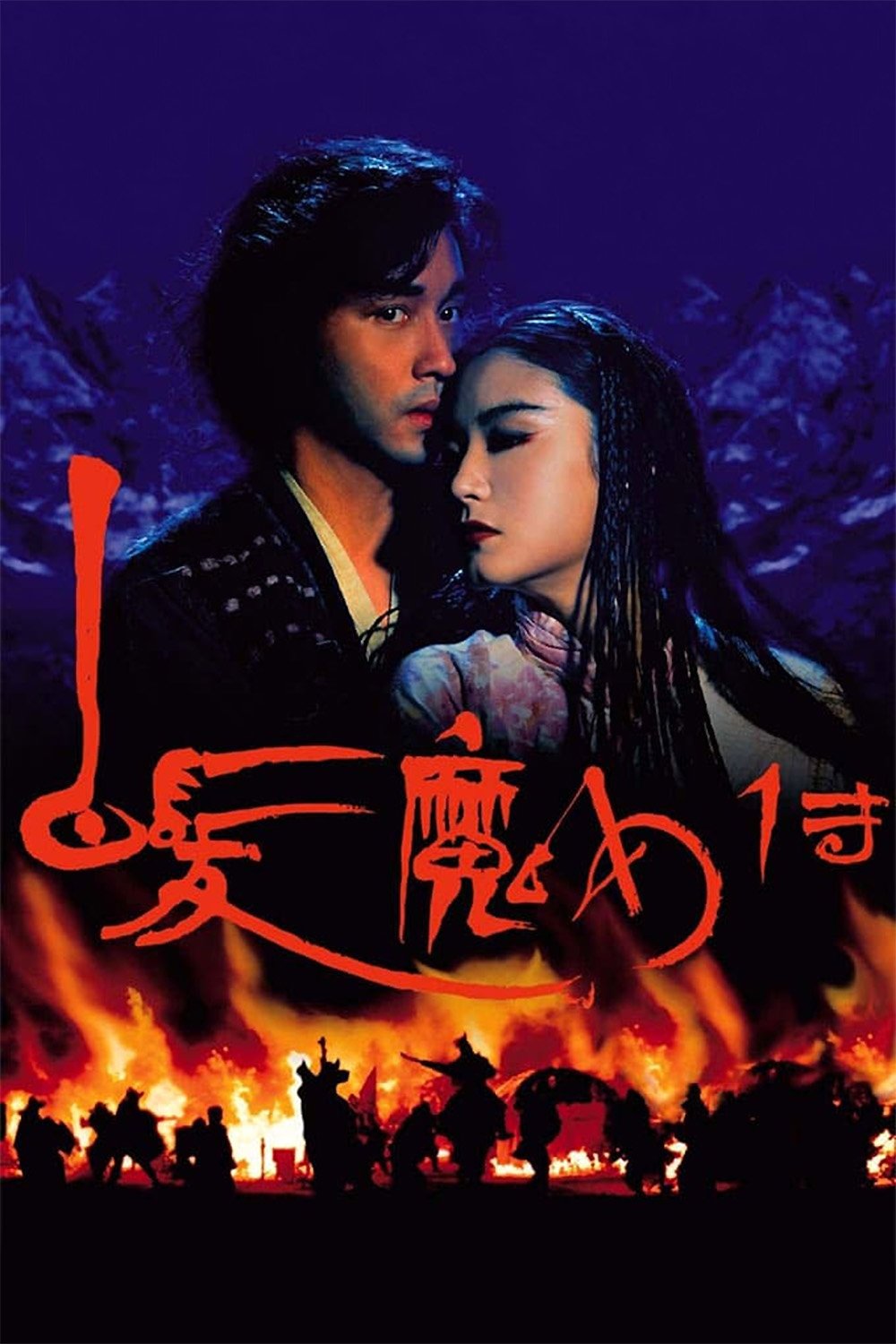
Swordsman III: The East Is Red (1993) Overview Swordsman III: The East Is Red is a production shot during the golden age of Hong Kong cinema in 1993, widely regarded as one of the most striking examples of the wuxia genre. Directe…
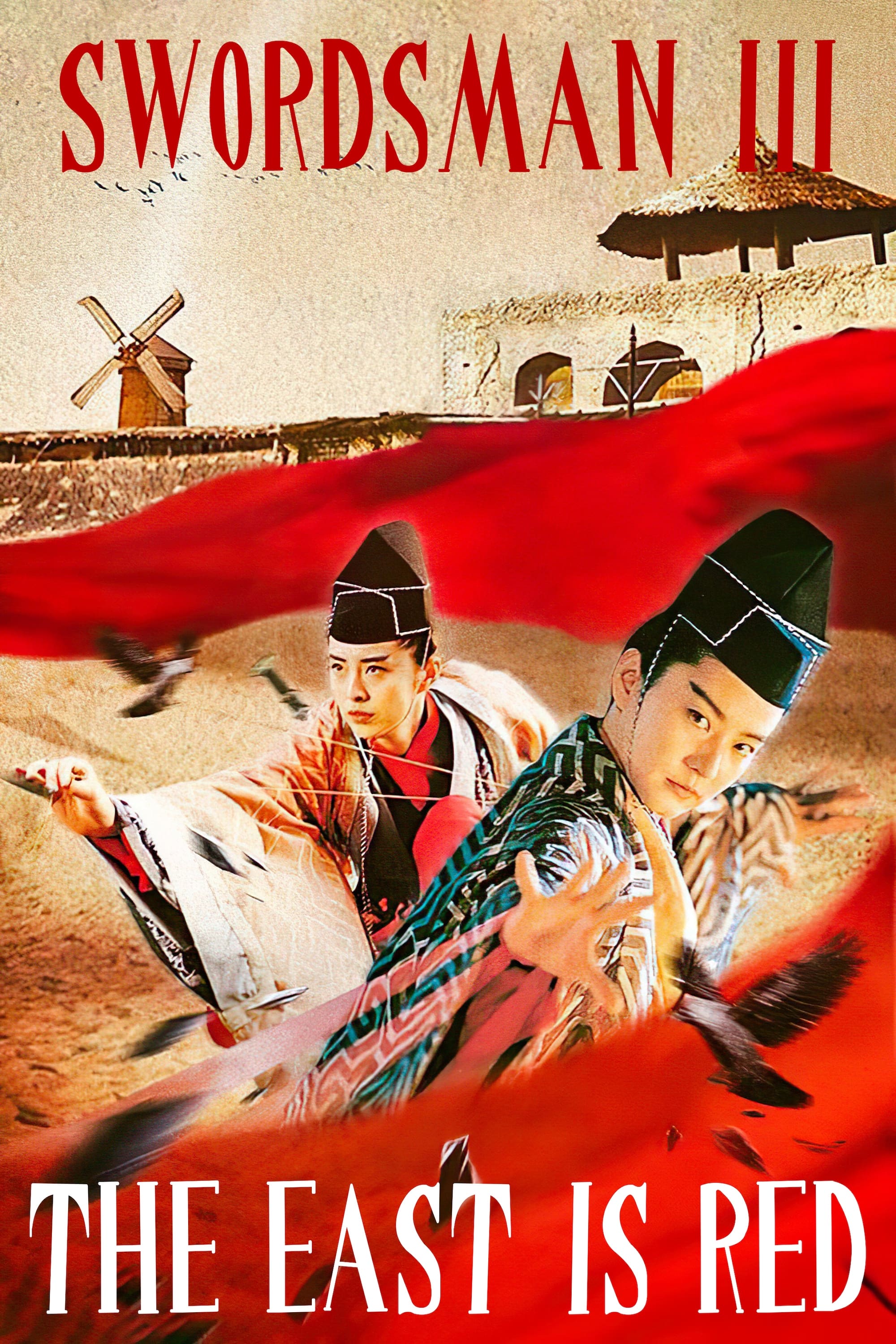
Swordsman III: The East Is Red (1993)
Overview
Swordsman III: The East Is Red is a production shot during the golden age of Hong Kong cinema in 1993, widely regarded as one of the most striking examples of the wuxia genre. Directed by Ching Siu-tung and Raymond Lee, the film forms the third installment of the legendary Swordsman series produced by Tsui Hark. Drawing inspiration from Jin Yong's "The Smiling, Proud Wanderer," one of the most significant works of Chinese literature, the film stands as a sequel that tells its own story independently of the previous films.
Centered around the character Dongfang Bubai (Invincible Asia), played by one of the era's most popular stars, Brigitte Lin, the film offers a unique cinematic experience that blends themes of gender identity, lust for power, and political intrigue with fantastical fight sequences. Standing out as a production far ahead of its time in terms of visual effects, costume design, and choreography, the film has gone down in history as a bold work that pushed the boundaries of wuxia cinema.
The film has left a deep mark on both Chinese and Hong Kong popular culture, with Brigitte Lin's role becoming one of the most iconic performances of her career. Its screenplay, which blends fantastical elements with a realistic historical backdrop, offers a narrative that both captivates and provokes thought in the viewer.
Plot
The story unfolds around the mysterious power and lust for power of the legendary swordmaster Dongfang Bubai. Intrigues, political conspiracies, and personal betrayals intertwined with a foreign nation's plans to invade Chinese territory form the backbone of the film. Dongfang Bubai emerges as a boundary-pushing character whose extraordinary fighting skills and charismatic presence deeply affect both allies and enemies alike.
Throughout the film, the fates of different characters caught in the middle of the power struggle become intertwined. Themes of loyalty, betrayal, and the search for identity are explored in depth amid action-packed scenes. As the intrigues surrounding Dongfang Bubai develop, the viewer is confronted with both a political conspiracy and a personal drama. The film goes beyond the traditional wuxia narrative, offering a layered structure that questions the concepts of power, identity, and passion.
Why Should You Watch It?
Swordsman III represents one of the peak points of 1990s Hong Kong action cinema. Ching Siu-tung's signature fluid and inventive fight choreography turns the film into a visual feast. Sword fights, flying sequences, and displays of supernatural powers are supported by effects that were incredibly innovative for their time.
Brigitte Lin's performance is one of the film's greatest strengths. Her portrayal of a complex, multilayered character with extraordinary charisma enhances the film's memorability. The film also stands out for addressing bolder themes than other wuxia productions of its era, in a structure that attempts to expand the boundaries of the genre.
The film is also extremely impressive in terms of visual aesthetics. The color palette, costume designs, and set designs strengthen the fantastical atmosphere, while the music heightens the emotional intensity. Both the pace of the action sequences and the complexity of the narrative offer an experience that keeps the viewer glued to the screen.
Who Is It For?
This film is ideal for viewers who love classic wuxia cinema and have an interest in fantastical fight sequences and complex character dynamics. Those curious about the golden age of Hong Kong cinema will greatly enjoy this production, the result of a collaboration between Tsui Hark and Ching Siu-tung.
It also offers a satisfying experience for those interested in Chinese history and mythology, sword-fighting scenes, and visually rich, stylized cinema. It is a production worth discovering for those who wish to experience a more poetic and symbolic narrative style, distinct from classic Hollywood action films. However, viewers accustomed to today's CGI standards may need to be somewhat tolerant toward the practical effects of the era.
Pros and Cons
Pros:
1. Brigitte Lin's unforgettable and multilayered performance
2. Ching Siu-tung's creative and fluid fight choreography
3. Visual effects and art direction that were remarkably innovative for their time
Cons:
1. The complex political intrigues may be confusing for viewers who haven't seen the previous films in the series
2. Some visual effects may appear dated by today's standards
Genre and Tone
The film has a structure that blends classic elements of the wuxia genre with fantastical and supernatural components. Adopting a tone that is both epic and melodramatic, the production balances the intensity of its action sequences with the emotional tension between characters. While occasionally taking on a dark and tragic atmosphere, the film also surprises viewers with visually mesmerizing and fantastical scenes.
Runtime and Viewing Experience
The film runs for approximately 97 minutes and maintains an intense pace throughout. The story moves quickly, requiring the viewer to stay constantly alert. With a compact structure that can be watched in one sitting, the film offers an experience best enjoyed on the big screen due to the intensity of its action sequences.
Similar Productions
- Swordsman II (1992)
- A Chinese Ghost Story (1987)
- Once Upon a Time in China (1991)
- Green Snake (1993)
- Ashes of Time (1994)
Final Verdict
Swordsman III: The East Is Red is a production that has cemented its place in cinema history as one of the most original and daring examples of wuxia cinema. With Brigitte Lin's unforgettable performance, Ching Siu-tung's inventive direction, and visual effects that were remarkably innovative for their time, the film represents one of the peak points of Hong Kong action cinema. It is a must-watch classic for anyone who loves both fantastical fight sequences and complex character dynamics.
Details
Cast (11)











笑傲江湖(系列)
ByTv Değerlendirmesi
Gallery
Yorumlar
Henüz yorum yok. İlk yorumu siz yazın.
Recommended






Yazıda geçen yapımlar
Senin için seçelim
Türe göre süz, puana göre sırala ya da çarkı çevirip sürpriz öneri al.