
Star Trek: Generations
Star Trek: Generations (1994) Overview Star Trek: Generations is a science fiction film adapted for the big screen in 1994, representing an important turning point in the Star Trek universe's film series. The most notable feature…
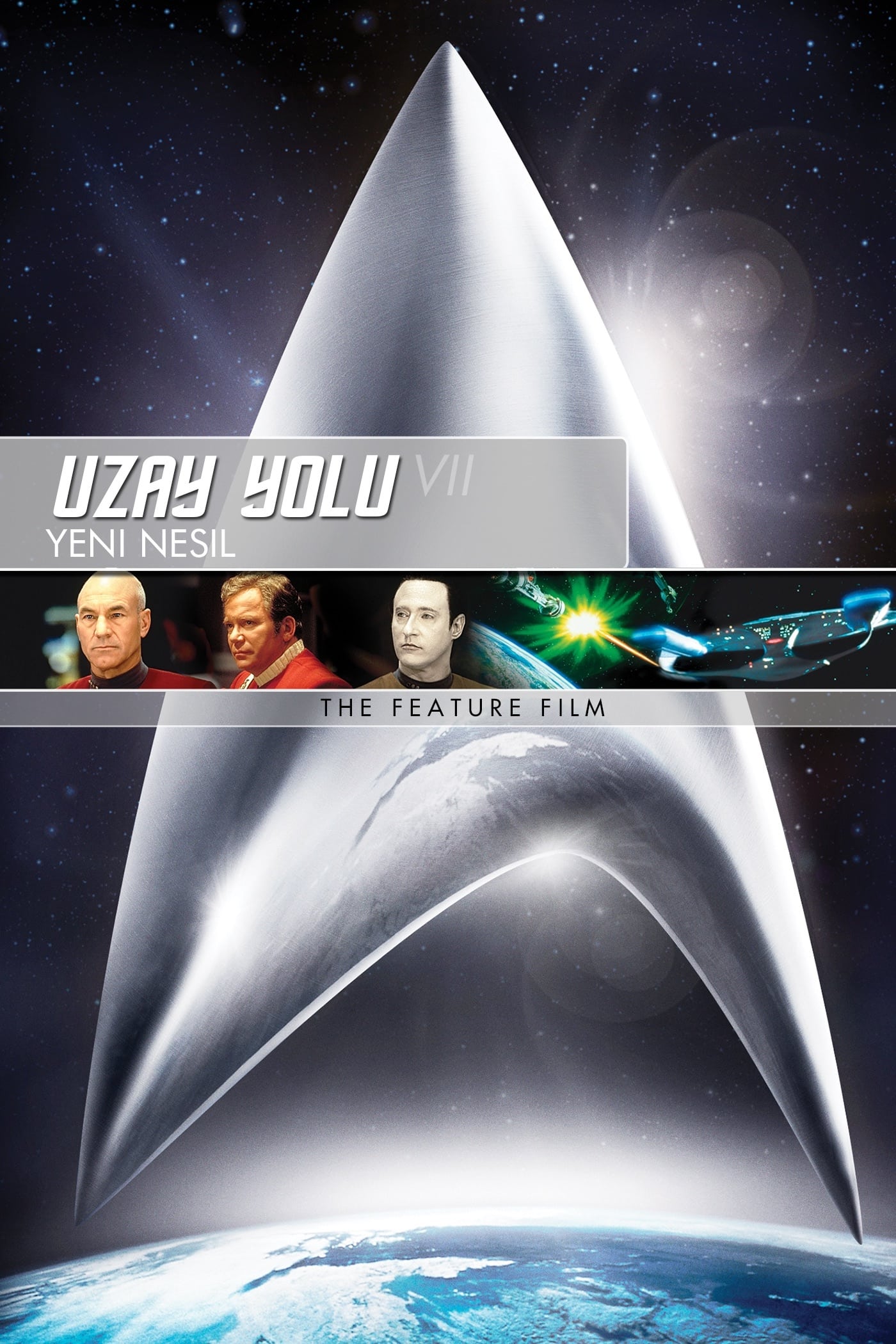
Star Trek: Generations (1994)
Overview
Star Trek: Generations is a science fiction film adapted for the big screen in 1994, representing an important turning point in the Star Trek universe's film series. The most notable feature of this production is that it brings together the legendary captain of the classic Star Trek series, James T. Kirk, with Jean-Luc Picard, captain of Star Trek: The Next Generation, in the same film. This meeting is considered a historic moment for Star Trek fans and serves as a symbolic bridge connecting two different generations of the series.
The film was directed by David Carson, with a screenplay written by Rick Berman, Ronald D. Moore, and Brannon Braga. Produced by Paramount Pictures, this production was released in theaters as the seventh film in the Star Trek film series. The cast includes names such as Patrick Stewart, William Shatner, and Malcolm McDowell, as well as Barbara March. March contributed to the film with her role as Lursa, a well-known Klingon character in the Star Trek universe, and this character is a familiar face who has also appeared before audiences in other productions of the series.
The film's visual effects were supported by a technical infrastructure that was quite ambitious for its time, and the space scenes, ship designs, and action sequences offered viewers a large-scale science fiction experience. Star Trek: Generations has secured its place in film history as an ambitious project aiming to satisfy both old and new generations of fans.
Plot
The film revolves around a series of events that begin with the emergence of a mysterious energy phenomenon deep in space. This phenomenon is an extraordinary force that raises questions about the concepts of time and reality, with the potential to draw people into a dimension where they can attain everything they desire. This dangerous yet alluring phenomenon causes the paths of both Starfleet's retired captain James T. Kirk and the active-duty Captain Jean-Luc Picard to cross.
While Picard and his crew face dangerous enemies who plan to use this phenomenon for malicious purposes, they must also grapple with their own personal losses and existential questions. Meanwhile, Kirk embarks on an emotional journey concerning his own past and the end of his career. The meeting of the two captains is not merely the setting for an action-packed struggle; it also explores profound themes of time, mortality, sacrifice, and the meaning of legacy.
The schemes involving the Klingon sisters Lursa and B'Etor add an extra layer of tension to the story. These characters, seeking power and control for their own interests, further complicate the challenges faced by the main characters. Throughout the film, viewers experience both a large-scale space adventure and intimate moments delving into the characters' inner worlds.
Why Watch It?
Star Trek: Generations is a must-see production for fans of the series, as it offers a unique narrative that brings together two different Star Trek generations. Kirk and Picard appearing in the same film stands out as a rare generational-transition narrative in film history, allowing for a powerful emotional bond to be formed with the continuity of the Star Trek universe.
The film draws attention not only for its action and science fiction elements but also for its philosophical inquiries into human nature's search for meaning regarding time and mortality. This depth sets the production apart from an ordinary space adventure, elevating it to a more thought-provoking level. The visual effects and spaceship designs deliver a quality that pushed the technological boundaries of the era, providing viewers with a satisfying visual spectacle.
Additionally, supporting characters like Lursa, played by Barbara March, are backed by strong performances that enrich the story. These characters, reflecting the aggressive and strategic nature of Klingon culture, are important elements that heighten the film's dramatic tension.
Who Is It Suitable For?
This film is ideal primarily for loyal fans of the Star Trek series; in particular, viewers who follow both the classic series and The Next Generation will greatly enjoy the meeting of these two universes. Science fiction enthusiasts will be satisfied with this production, which combines large-scale space adventure, philosophical themes, and character-driven storytelling.
It is also a suitable choice for viewers interested in classic-era science fiction films and who appreciate the nostalgic charm of special effects produced in the 90s. However, it should be noted that viewers who are completely unfamiliar with the Star Trek universe may feel somewhat lost regarding the characters and backstories.
Pros and Cons
Pros:
1. The meeting of Kirk and Picard in the same film offers a unique and emotional moment in Star Trek history.
2. It goes beyond standard science fiction storytelling by exploring deep themes such as time, mortality, and sacrifice.
3. It provides an impressive cinematic experience with strong visual effects and space scenes for its time.
Cons:
1. Some references and character backstories may be difficult to understand for viewers unfamiliar with the Star Trek universe.
2. Pacing imbalances may be felt in some parts of the story, especially in the transitions between emotional and action scenes.
Genre and Tone
Star Trek: Generations combines the classic elements of the science fiction genre with a dramatic and philosophical tone. In addition to space adventure and action scenes, the film also contains emotional moments that focus on the characters' inner worlds. The overall tone is serious and thought-provoking; however, alongside this weight, the characteristic themes of hope and exploration found in the Star Trek series also nourish the story's spirit. Although the action scenes are full of tension, the film's true strength emerges in the interactions between the characters and in its existential inquiries.
Runtime and Viewing Experience
The film has a standard theatrical runtime and carries the viewer through at a balanced pace from beginning to end. While the space scenes and visual effects offer an experience suited to viewing on the big screen, the character-focused scenes allow viewers to form an emotional connection to the story. Offering a smooth viewing experience for those familiar with the Star Trek universe, the film can also serve as an understandable entry point for newcomers to the series, though watching it with some background knowledge will further enrich the experience.
Similar Productions
- Star Trek: First Contact (1996)
- Star Trek: The Wrath of Khan (1982)
- Star Trek: Insurrection (1998)
- Star Wars: The Empire Strikes Back (1980)
- Stargate (1994)
Final Assessment
Star Trek: Generations is a historic production that presents two great generations of the Star Trek universe together, going beyond being merely a science fiction film. The meeting of Kirk and Picard offers an experience that is both nostalgic and emotionally satisfying, while the film also explores universal themes such as time, mortality, and sacrifice, giving viewers intellectual depth. Strong supporting characters like Lursa, played by Barbara March, contribute to the story's dramatic structure, turning the production into a richer narrative.
Showcasing an ambitious technical achievement for its time with its visual effects and space scenes, the film stands as a must-see classic for Star Trek fans. Star Trek: Generations, a satisfying choice for science fiction enthusiasts and viewers who value character-driven stories, deserves to be regarded as one of the important cornerstones in the series' cinematic history.
Where to Watch

Details
Cast (33)



























Uzay Yolu - Yeni Nesil [Seri]

ByTv Değerlendirmesi
Gallery
Yorumlar
Henüz yorum yok. İlk yorumu siz yazın.
Recommended






Senin için seçelim
Türe göre süz, puana göre sırala ya da çarkı çevirip sürpriz öneri al.