
Somebody Up There Likes Me
Somebody Up There Likes Me (1956) Overview "Somebody Up There Likes Me" is a 1956 biographical drama from the classic Hollywood era, directed by Robert Wise. Produced by MGM, one of the most important studios of the period, the fi…
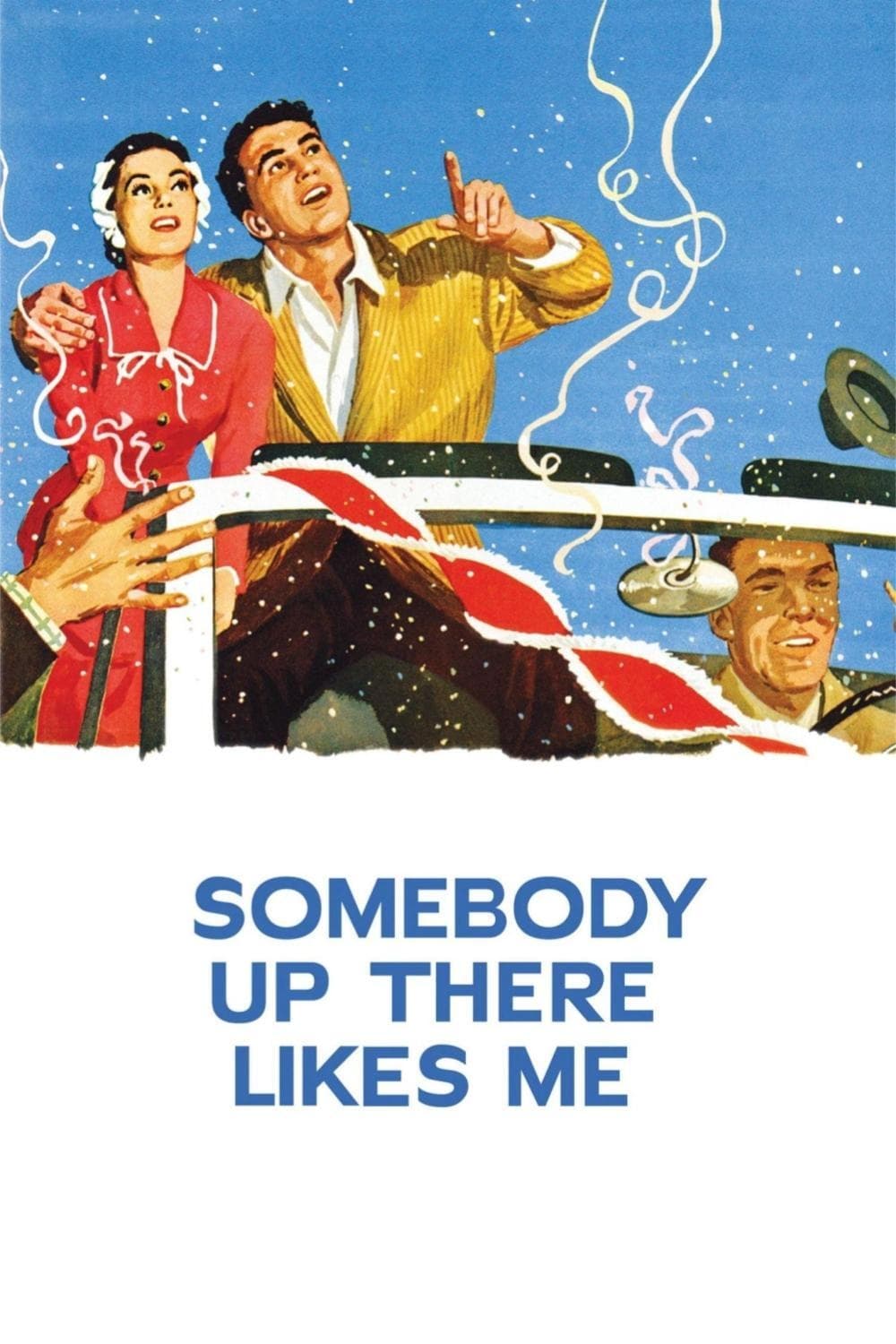
Somebody Up There Likes Me (1956)
Overview
"Somebody Up There Likes Me" is a 1956 biographical drama from the classic Hollywood era, directed by Robert Wise. Produced by MGM, one of the most important studios of the period, the film stands out in cinema history both for its acting performances and for the power of the story it tells. Starring Paul Newman in the lead role, this production is regarded as one of the turning points in the actor's career. Reflecting the aesthetic sensibilities of its time through black-and-white cinematography, the film also holds a special value as an adaptation of a true life story.
The film draws inspiration from the life of world heavyweight boxing champion Rocky Graziano and is based on his autobiography. It brings to the screen an up-and-down journey that spans a difficult childhood spent among street gangs, reform schools, and military prisons, culminating in the professional boxing ring. It is supported by the dramatic storytelling style, strong character work, and realistic boxing scenes characteristic of Hollywood productions of the era. Going beyond being merely a sports film, it offers a universal narrative dealing with the transformation of the human spirit and the importance of second chances.
Plot
The film tells the story of a young man who grows up in a tough neighborhood environment, constantly gets into trouble, and is in conflict with authority figures. Raised from childhood in a violent family environment, our protagonist is portrayed as a young man shunned by society and prone to crime. The years spent between reform schools and prisons harden his character while also fueling the anger within him.
The turning point in his life comes when he is sent to a military prison after deserting the army. There, a guard he meets notices his talent for boxing and supports him in channeling this energy in the right direction. When he returns to civilian life, discovering boxing completely changes his life. While his successes in the ring bring him fame, the shadows of his past continue to follow him relentlessly. Throughout the film, the viewer witnesses, on one hand, the transformation of a character shaped by the discipline of sport, and on the other, his struggle to confront his past and prove himself.
His love life, friendships, and mentor relationships also form an important part of the story. The female figure in the protagonist's life reveals his softer side, while his relationships with boxing trainers play a critical role in building his professional identity.
Why Watch It?
This film deserves to be watched as one of the most successful examples of classic Hollywood cinema's biographical drama genre. Paul Newman's performance here holds a special place in film history as the beginning of his rise to stardom. The actor's portrayal, carrying both physical and emotional intensity together, reflects the character's inner world with remarkable credibility.
Robert Wise's directorial approach constructed the boxing scenes in a remarkably realistic and dynamic way for the period. The camera angles, sense of rhythm, and editing techniques offer an experience that draws the viewer right into the ring. Additionally, the film's black-and-white visual aesthetic stands out as an element that reinforces the harsh and raw atmosphere of the story.
Being based on a true life story adds extra emotional weight to the film. The idea that a person can change themselves despite their circumstances reaches the viewer as a timeless message. The perspective it offers on the social issues of the period, particularly juvenile delinquency and social injustice, also elevates the film beyond being just a sports drama, giving it a layer of social commentary.
Who Is It Suitable For?
It is an ideal choice for viewers who love classic Hollywood cinema and have an interest in the biographical drama genre. Those who enjoy boxing-themed films will take pleasure in this production, which powerfully harnesses the dramatic potential of the sport. It is also an important reference point for cinephiles curious about Paul Newman's early performances.
Additionally, those who prefer thought-provoking dramas adapted from true life stories and focused on character development will find what they're looking for in this film. It also offers a historical perspective for those curious about the social conditions of the era, juvenile delinquency, and the reform system. It is a suitable choice for audiences who appreciate character-driven narratives and don't expect heavy action.
Pros and Cons
Pros:
1. Paul Newman's impressive and energetic performance at the beginning of his career
2. Robert Wise's smooth and effective directorial approach, especially the realism in the boxing scenes
3. The authenticity and emotional depth gained from being based on a true life story
Cons:
1. The pacing of some scenes may feel slow to modern viewers unaccustomed to the storytelling style of the era
2. The occasionally heavy use of melodramatic elements may be found overly emotional by some viewers
Genre and Tone
The film sits at the intersection of biographical drama and sports film genres. Its tone is generally serious, dramatic, and at times harsh in atmosphere. It conveys the brutality of street life, the harshness of prison conditions, and the physical intensity of the boxing ring in a realistic manner. At the same time, it strikes an emotional balance by exploring themes of hope, transformation, and second chances. Successfully blending the 1950s Hollywood melodrama tradition with a socially realistic cinematic approach, the film also reflects the characteristic cinematographic language of its era.
Runtime and Viewing Experience
The film has a runtime consistent with classic-era standards and advances its narrative at a measured pace. The viewing experience has a structure that allows time for character development, with carefully edited transitions between scenes. While the boxing scenes offer dynamic and tension-filled moments, the dramatic scenes proceed at a slower and more in-depth pace. The black-and-white image quality provides a powerful visual experience that transports the viewer into the atmosphere of the era. The emotional intensity gradually builds throughout the film, offering a gripping narrative that draws the viewer into the character's journey.
Similar Productions
- Rocky (1976)
- The Set-Up (1949)
- Champion (1949)
- On the Waterfront (1954)
- Cinderella Man (2005)
Final Assessment
"Somebody Up There Likes Me" remains a worthwhile watch as one of the strong examples of classic Hollywood biographical drama cinema. Paul Newman's impressive performance, Robert Wise's masterful direction, and the emotional depth offered by a true life story are the elements that make the film timeless. Its hopeful message about a person's ability to change despite difficult circumstances is a universal theme that will resonate with today's audience as well. It stands out as a production not to be missed for classic cinema enthusiasts and those interested in biographical dramas.
Details
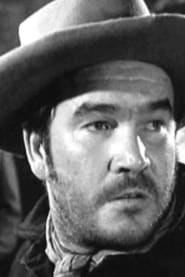
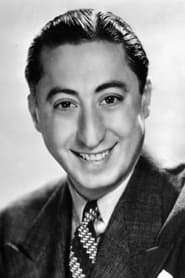
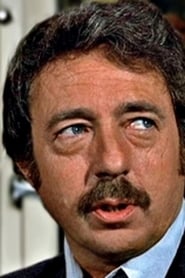
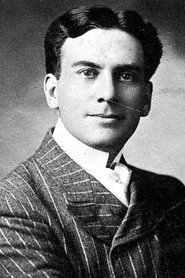
Cast (98)




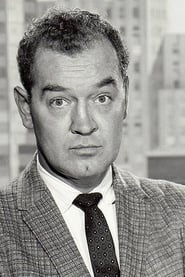
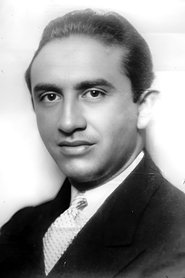

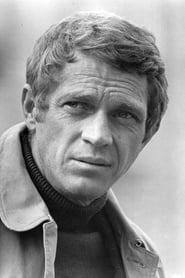
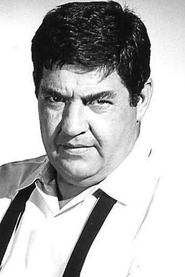
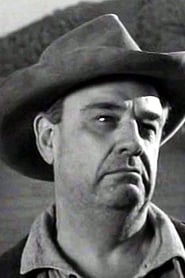


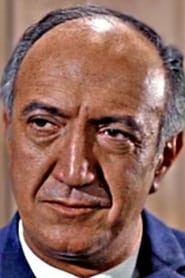

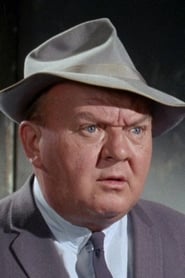
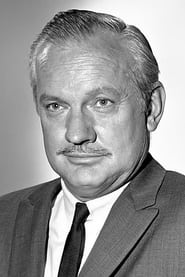
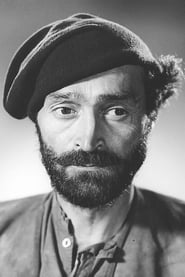
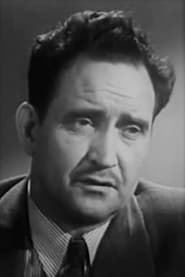

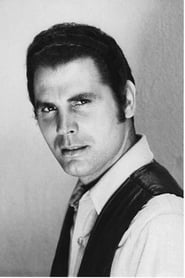
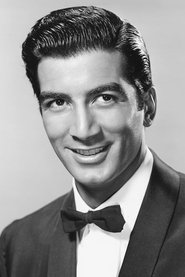
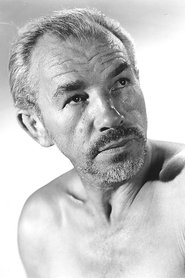
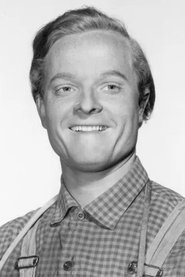
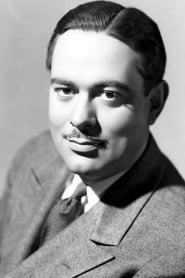


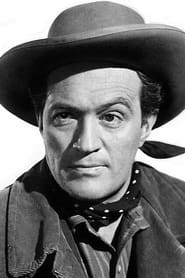
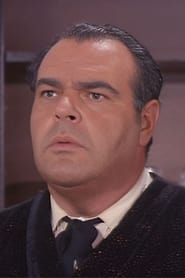


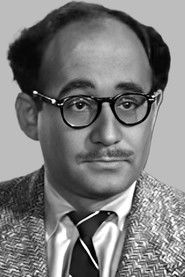
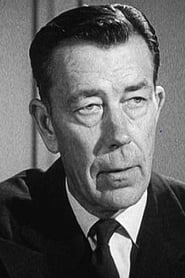

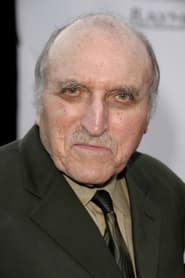
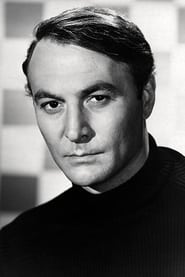
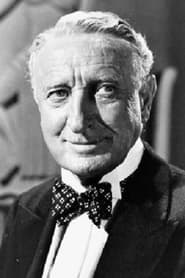
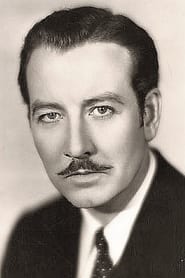


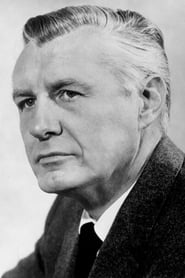
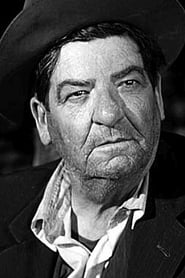

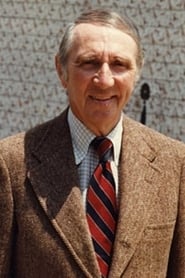


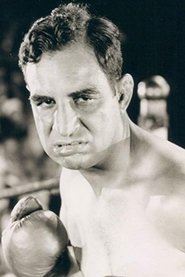

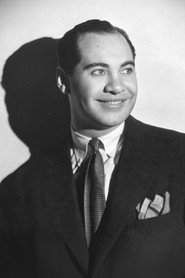






Ödüller
- Academy Award for Best Art Direction, Black and White 1957
- Academy Award for Best Cinematography, Black-and-White 1957
- National Board of Review: Top Ten Films
3 adaylık
- Academy Award for Best Art Direction, Black and White 1957
- Academy Award for Best Cinematography, Black-and-White 1957
- En İyi Film Kurgusu Akademi Ödülü 1957
ByTv Değerlendirmesi
Gallery
Yorumlar
Henüz yorum yok. İlk yorumu siz yazın.
Recommended





Yazıda geçen yapımlar

Senin için seçelim
Türe göre süz, puana göre sırala ya da çarkı çevirip sürpriz öneri al.