
Sgt. Pepper's Lonely Hearts Club Band (1978)
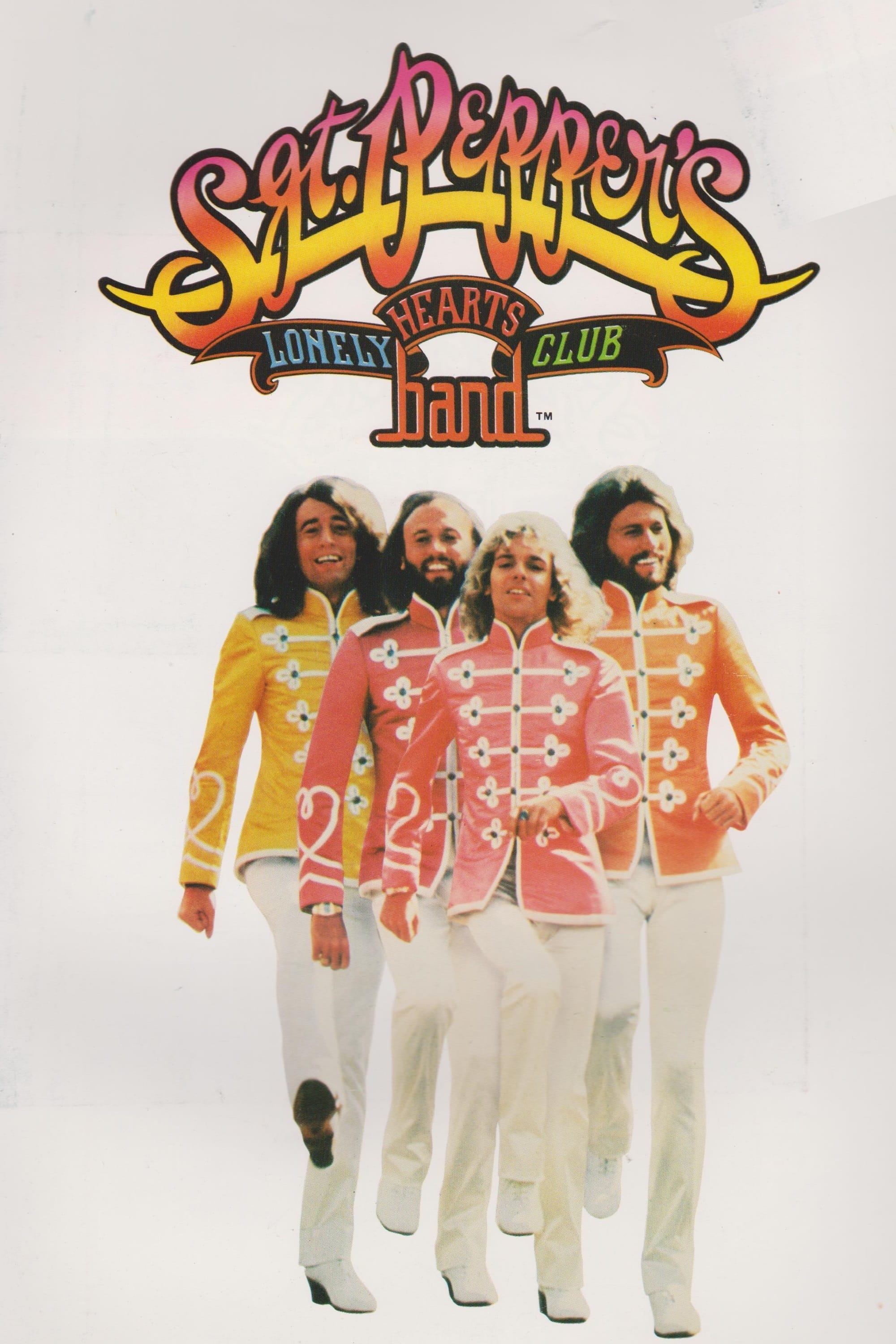
Released in 1978, "Sgt. Pepper's Lonely Hearts Club Band" is an unusual cinematic experience in the musical fantasy genre, built around the Beatles' legendary album. Directed by Michael Schultz and produced by Robert Stigwood, the…
Overview
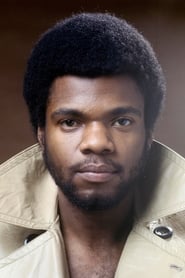
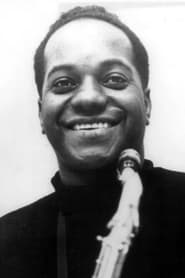
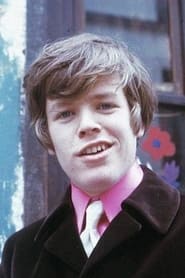
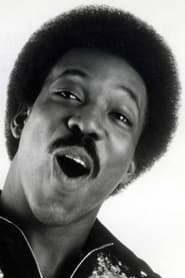
Released in 1978, "Sgt. Pepper's Lonely Hearts Club Band" is an unusual cinematic experience in the musical fantasy genre, built around the Beatles' legendary album. Directed by Michael Schultz and produced by Robert Stigwood, the film holds a place in cinema history as one of the era's most controversial and ambitious musical projects. The Bee Gees (Barry, Robin, and Maurice Gibb) star in the lead roles, while Peter Frampton plays a significant character as well. Famous musicians of the era such as Aerosmith, Alice Cooper, and Earth, Wind & Fire also stand out with guest performances in the film. Dr. John, mentioned in the credits, is also part of this extensive musical lineup, contributing to the film's musical texture.
The film tells its story almost entirely through reinterpretations of Beatles songs, with virtually no dialogue. In this sense, rather than a traditional narrative film, it resembles a feature-length music video or a visual concept album. Combined with the technical capabilities of the era, live performances, and lavish stage designs, it attempts to offer viewers an unconventional audiovisual spectacle.
Plot
The story revolves around the members of the Sgt. Pepper's Lonely Hearts Club Band, who live in a fictional town called Heartland. Founded by their grandfather, this band protects their community through a magical instrument that brings peace and happiness to their town. However, when this instrument is stolen, the band members embark on a struggle to protect the town and the power of their music.
The narrative progresses as a malicious music industry figure, Mr. Mustard, descends upon the town. The band's endearing and innocent characters face various traps of fame, evil, and temptation. Throughout the film, classic Beatles songs are rearranged to accompany the emotional and visual flow of the story. The narrative structure leans closer to a symbolic and allegorical fable format rather than a traditional drama or comedy.
Why Watch It?
This film deserves curiosity for offering an experience rarely found in cinema history. The reinterpretation of Beatles music by such a wide range of musicians is, in itself, an intriguing archival treasure for music lovers. The Bee Gees' involvement in such a distinctly different project while at the peak of the disco era offers an important glimpse into the popular culture of the time.
Additionally, the film's visual design—reflecting the psychedelic and colorful aesthetic sensibilities of the 1970s through its set arrangements and costumes—provides a nostalgic journey through time. For cult film enthusiasts and viewers who enjoy the "so bad it's good" category, this production will be an interesting experience that confirms its controversial reputation. Despite its failure, the film remains one of the most talked-about projects of its era, making it a reference point for those curious about the history of cinema and music.
Who Is It For?
This film primarily appeals to viewers who are passionate about Beatles music and 1970s musical culture. It may be of interest to film lovers who can appreciate experimental, visually-driven productions that stray from traditional narrative structures. It also holds value as a discovery for viewers who research cult and "cult classic" films and enjoy exploring the interesting detours of cinema history.
On the other hand, this film may disappoint viewers expecting a strong screenplay, in-depth character development, or a conventionally coherent story. Approaching the film as a musical feast and a cultural document of its era will make the viewing experience much more enjoyable.
Pros and Cons
Pros:
1. Brings together legendary musicians of the era, including the Bee Gees, Peter Frampton, Aerosmith, Alice Cooper, and Dr. John.
2. Offers a unique musical archive through the rearrangement of Beatles classics by different performers.
3. Colorful, lavish, and creative stage designs reflecting the visual aesthetics of the 1970s.
Cons:
1. The weak and inconsistent narrative structure may make it difficult for viewers to connect with the story.
2. The lack of dialogue and excessive symbolic storytelling may be found tedious or hard to understand by some viewers.
Genre and Tone
The film can be classified within the musical fantasy genre. Its tone is generally fairy-tale-like, colorful, and at times exaggeratedly theatrical. Unlike a traditional musical film, it opts for a narrative that unfolds almost entirely through songs. In this respect, the film offers an atmosphere that is both nostalgic and experimental; a tone that is far from serious, entertaining, yet also reflective of the era's exaggerated approach to popular culture.
Runtime and Viewing Experience
The film runs approximately 111 minutes, during which the viewer encounters constantly changing musical scenes and visual transitions. Rather than expecting a classic film rhythm, approaching it as if watching a concert film or a long music video will make the viewing process more enjoyable. The film has a dense audiovisual structure that requires careful, one-sitting viewing; it offers an experience that demands direct focus rather than being something to watch in the background.
Similar Productions
- Tommy (1975) – Adapted from The Who's rock opera, a similarly music-driven and visually rich film.
- The Wall (1982) – Adapted from Pink Floyd's concept album, a production notable for its experimental and symbolic storytelling.
- Xanadu (1980) – Another period film reflecting the colorful musical fantasy sensibility of the 1980s.
- Grease (1978) – A popular music- and dance-driven production from the same era.
- A Hard Day's Night (1964) – One of the most original entries in the Beatles' own filmography.
- Yellow Submarine (1968) – An animated film that merges Beatles music with a different artistic format.
Final Assessment
Although "Sgt. Pepper's Lonely Hearts Club Band" has a weak narrative when judged by traditional cinematic criteria, it offers a unique experience that reflects the musical and cultural fabric of its era. This project, which brings together names like the Bee Gees, Peter Frampton, and Dr. John, can be an intriguing discovery for those who want to look at the Beatles' legacy from a different angle. Anyone curious about one of cinema history's strange and controversial landmarks should experience this film at least once.
Details
Cast (132)








































































ByTv Değerlendirmesi
Gallery
Yorumlar
Henüz yorum yok. İlk yorumu siz yazın.
Recommended





Senin için seçelim
Türe göre süz, puana göre sırala ya da çarkı çevirip sürpriz öneri al.