
Return of the Living Dead III
Return of the Living Dead III (1993) Overview Return of the Living Dead III is a horror-science fiction film directed by Brian Yuzna in 1993, forming the third link in the cult zombie franchise. Unlike the first two films in the s…
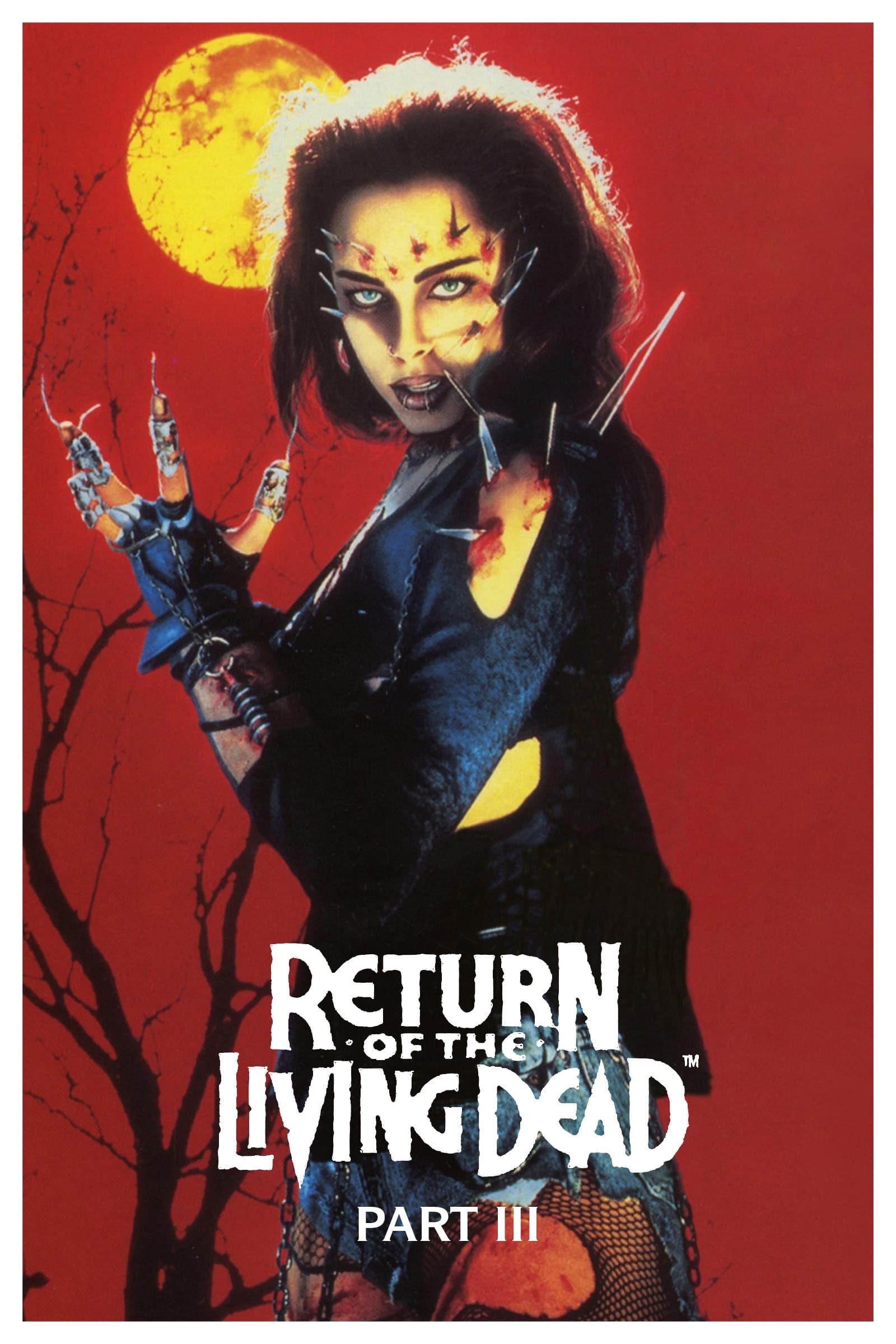
Return of the Living Dead III (1993)
Overview
Return of the Living Dead III is a horror-science fiction film directed by Brian Yuzna in 1993, forming the third link in the cult zombie franchise. Unlike the first two films in the series, this production adopts a darker, more melodramatic, and visually far more sophisticated approach, succeeding in stepping outside the genre's usual conventions by adding a layer of tragic love story to the series. Yuzna taking the director's chair gave the film a distinct identity both aesthetically and thematically; the dark humor element that dominated the previous films recedes into the background here, giving way to a more serious and emotional narrative.
The film has a structure that questions the boundaries of death, love, and bodily transformation through a plot shaped around the relationship between the son of a colonel working at a military research facility and this young man's girlfriend. The makeup and prosthetic work created using the practical effects techniques of the era stand out as one of the film's most striking aspects. In particular, the physical transformation undergone by one of the main characters offers a visual spectacle that is more detailed and disturbing than anything seen before in the series.
Plot
The story revolves around Curt Reilly, son of Colonel John Reilly, who works on a secret military program aimed at reanimating dead soldiers. When Curt gains access to classified information about his father's work, he encounters the chemical substance carrying the famous "immortality gene" seen in the previous films, which is being kept hidden at the facility. Discovering this dangerous secret together with his girlfriend Julie, Curt sets off a chain of tragic events that will cause things to spiral out of control.
An unfortunate accident that befalls Julie drives the young couple to a desperate decision, and this decision sets in motion the horrifying consequences that shape the rest of the film. Progressing around the themes of love, death, and transformation, the story blends the classic zombie invasion formula with a personal tragedy, offering the viewer an experience that is both emotionally and physically unsettling. The conflict between the military institution's secret experiments and the young couple's desperation keeps the film's tension alive until the final scenes.
Why Should You Watch It?
Return of the Living Dead III stands out for bringing an unusual emotional depth to the zombie genre. Unlike the previous films in the series, this production moves away from dark humor to focus on a tragic love story, thereby offering an original experience that pushes the boundaries of the genre. In particular, the visual effects that emerge in the second half of the film hold an important place in cinema history as one of the most ambitious practical makeup works of its era.
Brian Yuzna's directorial approach gave the film a rich texture, both visually and atmospherically. The scenes set in dark, industrial locations and the claustrophobic atmosphere draw the viewer into the story. Additionally, the body horror elements the film offers create a satisfying experience for fans of the genre. Considered among the cult classics, this production promises a viewing experience that is both nostalgic and aesthetically satisfying.
Who Is It For?
This film is ideal for viewers interested in classic zombie and body horror genres. It offers a satisfying experience especially for audiences who admire the practical effects cinema of the 80s and 90s and are not deterred by bloody, grotesque visuals. At the same time, it will also be an appealing option for those seeking an unusually emotional and tragic story within zombie films.
However, for light horror fans or viewers sensitive to graphic scenes, the film can be quite intense and disturbing. Cinephiles curious about cult cinema, retro horror aesthetics, and practical effects artistry will greatly enjoy this production. Those who have watched the previous films in the series may be curious about the tonal shift and gravitate toward this third installment; however, since the film presents a self-contained story, it also offers an understandable structure for those who haven't followed the series.
Pros and Cons
Pros:
1. Contains some of the most impressive practical makeup and prosthetic effects of its era
2. Offers an original narrative by adding an emotional and tragic love story to the zombie genre
3. The visual depth that Brian Yuzna's atmospheric and dark directorial style brings to the film
Cons:
1. The dark humor largely lost from the previous films in the series may disappoint some fans
2. Some scenes progress slowly in terms of pacing, which may feel tedious for those expecting an action-heavy experience
Genre and Tone
The film has a hybrid structure that combines horror, science fiction, and drama genres. Although it centers on the zombie invasion theme, it clearly diverges in tone from the previous films. While the dark humor elements largely recede into the background, they give way to a more melancholic, tragic, and emotional atmosphere. Body horror elements are among the film's most prominent tonal features, offering the viewer disturbing yet striking visual moments.
The overall atmosphere is dark, industrial, and claustrophobic. The cold and sterile environment of the military facilities and the gloomy appearance of the city streets are among the elements supporting the film's visual language. The themes of love and sacrifice intertwine with the horror elements, giving the film a unique emotional layer.
Runtime and Viewing Experience
The film runs approximately 97 minutes, a length that offers a pace suited to the genre's requirements and flows smoothly. While the story introduces the characters and situation in the opening section, it raises the level of tension as events accelerate in the second half. Although the structure is designed to carry the viewer's attention to the end without distraction, the pace may occasionally slow down due to some scenes focusing on building atmosphere.
In terms of the viewing experience, the power of the film's visual effects and its emotional depth are among the key elements that keep the viewer glued to the screen. This production, which is particularly suited for single-sitting viewing, delivers its atmospheric impact more powerfully when watched at night, in a dark setting.Similar Works
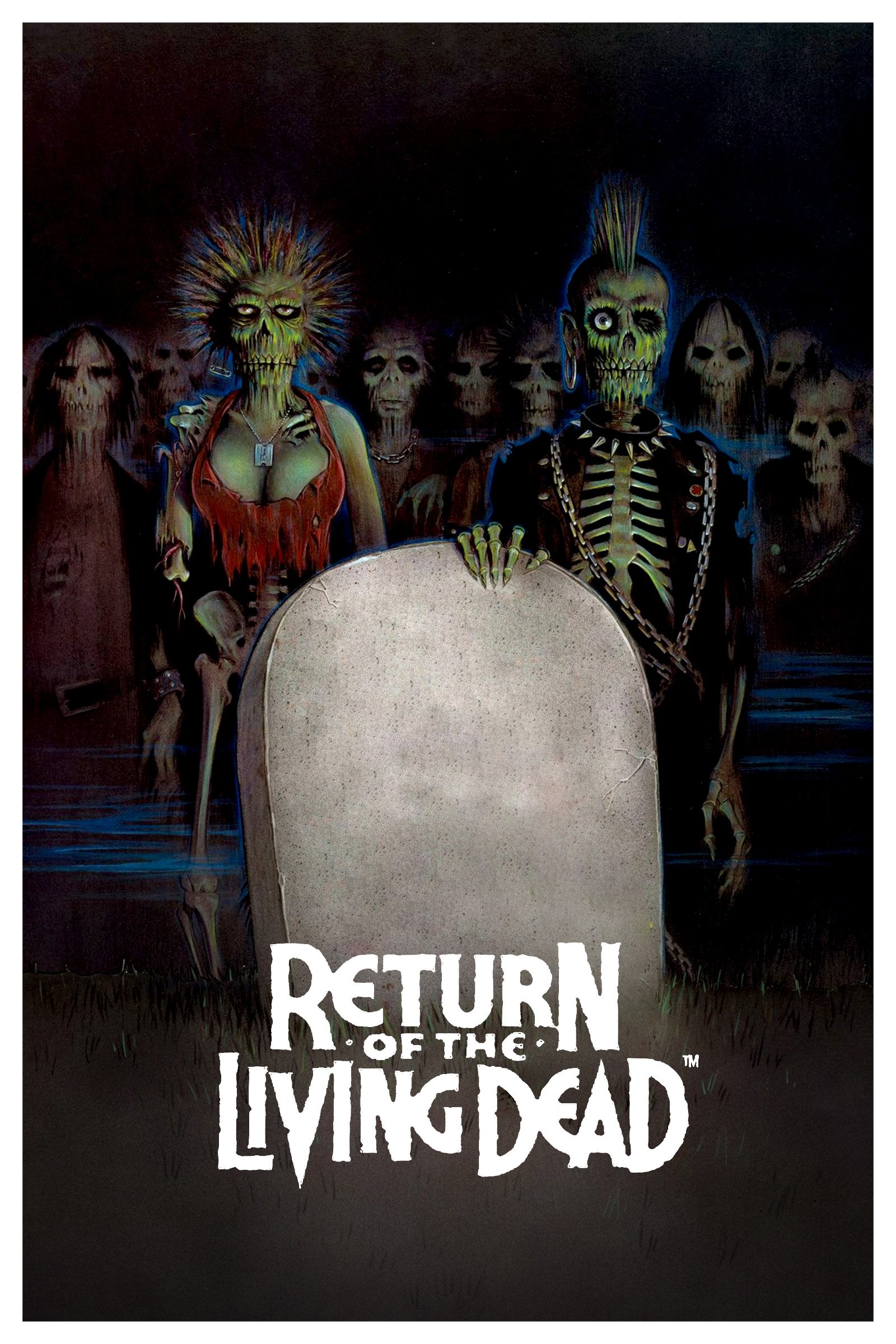
- Return of the Living Dead (1985)
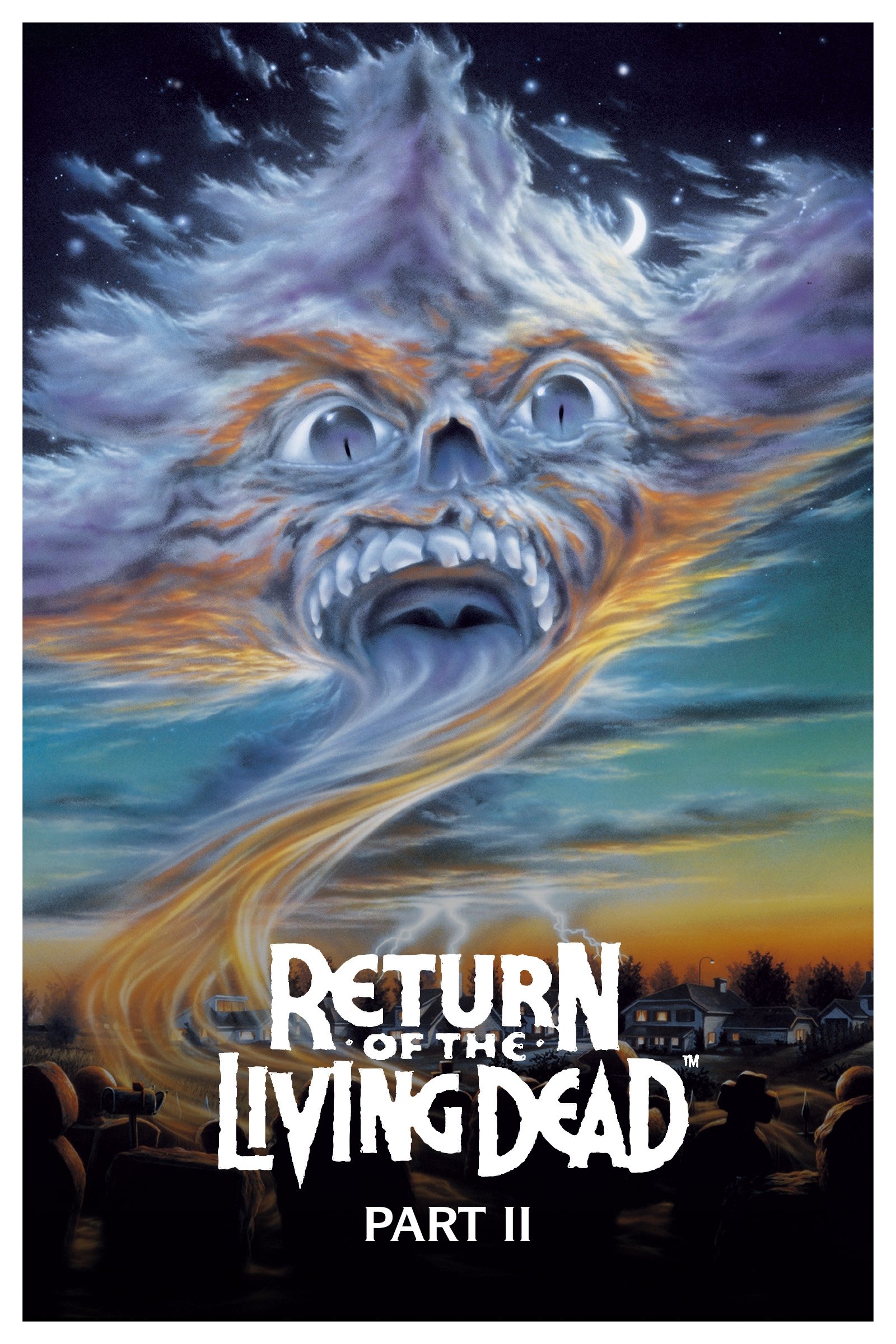
- Return of the Living Dead Part II (1988)
- Re-Animator (1985)
- Society (1989)
- Braindead / Dead Alive (1992)
- The Fly (1986)
Final Assessment
Return of the Living Dead III maintains its place in cinema history as one of the standout productions of its era, bringing an unusual emotional and tragic dimension to the zombie genre through its visual effects. Brian Yuzna's directorial vision succeeded in creating a dark and melancholic atmosphere by moving away from the series' previous humorous tone. While this choice may be controversial for some series fans, it makes the film an original and memorable work in its own right.
Showcasing one of the pinnacles of practical effects artistry, the film stands as a must-not-miss classic for viewers interested in the body horror genre. Skillfully blending the themes of love, sacrifice, and transformation with horror elements, this production offers a cinematic experience that is satisfying both emotionally and visually. It deserves a place among the must-watch films for cult cinema enthusiasts and retro horror fans.
Details
Cast (26)










Yaşayan Ölülerin Dönüşü Koleksiyonu



ByTv Değerlendirmesi
Gallery
Yorumlar
Henüz yorum yok. İlk yorumu siz yazın.
Recommended




Senin için seçelim
Türe göre süz, puana göre sırala ya da çarkı çevirip sürpriz öneri al.