
Paradise Road
Paradise Road (1997) Overview Paradise Road is a 1997 drama set in Japanese-occupied Sumatra during World War II. Directed by Bruce Beresford, the production brings to the screen, inspired by true events, the story of women held a…
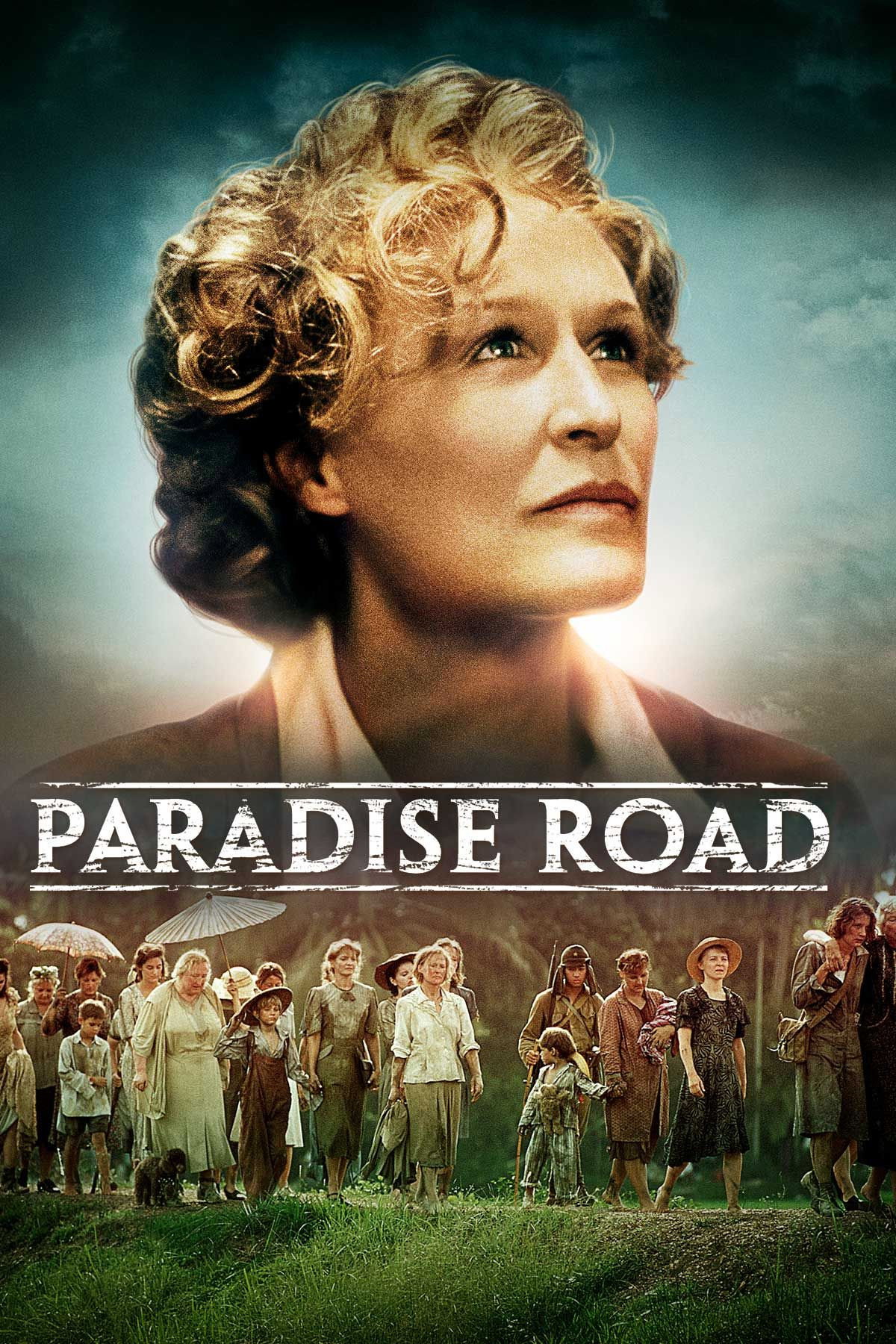
Paradise Road (1997)
Overview
Paradise Road is a 1997 drama set in Japanese-occupied Sumatra during World War II. Directed by Bruce Beresford, the production brings to the screen, inspired by true events, the story of women held as prisoners of war. Featuring a wide-ranging cast of powerful actors including Glenn Close, Frances McDormand, Pauline Collins, and Cate Blanchett, the film explores both the devastating effects of war on humanity and the power of hope and solidarity. More than just a war film, it is a profoundly human story depicting women's struggle to survive under brutal conditions by holding on to one another. Its production quality, with period-accurate set design and costumes, transports the viewer to 1940s Southeast Asia. Rather than commercial success, the film stands out for its message and artistic value, having gradually earned a cult following over time.
Plot
The film follows the chain of events that begins when the Japanese army occupies Singapore and its surrounding regions during World War II. A group of women from different nationalities and social classes end up in a Japanese prison camp on the island of Sumatra after their ship is sunk during an evacuation. These women—coming from vastly different backgrounds such as the wealthy, ordinary housewives, missionaries, and nurses—are forced to set aside their class and cultural differences as they try to survive the camp's harsh conditions. United in the face of hunger, disease, and persecution, they find an unexpected solution to keep their morale and hope alive: forming a vocal orchestra to resist through music. The film explores both the physical and emotional dimensions of this process in detail, along with the characters' personal growth and the bonds of solidarity they form with one another. Based on real events, this story depicts the brutality of war while also emphasizing the resilience of the human spirit.
Why Watch It?
Paradise Road stands out among war films for offering a distinctive point of view. While most war films focus on frontline combat and military strategy, this production portrays the devastating effects of war through the eyes of civilian women. This perspective offers viewers an unusual and deeply resonant experience. The film powerfully demonstrates music's ability to heal the human spirit and instill hope; the scenes of the vocal orchestra forming within the camp are among the film's most emotional and memorable moments. Additionally, being based on true events gives viewers historical awareness while bringing to light this largely forgotten aspect of the war. The performances are also among the film's greatest strengths; led by Glenn Close, the cast convincingly conveys their characters' pain, fear, and resilience. The narrative, which emphasizes the power of female solidarity and collective resistance, leaves a deep impression on viewers and stands out for its humanistic dimension among war-themed productions.
Who Is It For?
This film is ideal for viewers who enjoy historical drama, have an interest in the World War II period, and are curious about the war's impact on civilians. Those who appreciate stories centered on strong female characters will be moved by the themes of solidarity and resistance presented throughout the film. It also offers a satisfying experience for cinephiles who value classic acting performances and ensemble-cast productions. However, because the film contains heavy and at times disturbing scenes, it may not be suitable for those seeking light, entertaining content. Patient and attentive viewers who can follow emotionally intense dramas will get the most enjoyment out of this production. The film also holds special appeal for those who love music-themed narratives.
Pros and Cons
Pros:
1. A powerful and original narrative based on true events
2. Impressive performances from names like Glenn Close, Frances McDormand, and Cate Blanchett
3. Emotional depth created by the use of music as a tool of resistance and hope
Cons:
1. The pacing may feel slow and heavy at times for some viewers
2. The heavy themes and disturbing scenes may not appeal to every audience
Genre and Tone
While fundamentally a war drama, Paradise Road also incorporates elements of historical biography and human-interest storytelling. The film carries an overall serious, heavy, and emotional tone; it depicts the brutality of war realistically and does not shy away from scenes that may disturb viewers. At the same time, the solidarity among the characters and the musical scenes add a layer of hope and inspiration to the film. This balance keeps the film from being merely a bleak war narrative, transforming it instead into a work that celebrates the human spirit's capacity to endure. Director Bruce Beresford conveys the dramatic moments in a sincere, heartfelt manner without resorting to excess.
Runtime and Viewing Experience
The film runs for approximately two hours, drawing viewers deeply into the characters' world throughout. Though the narrative structure contains intense emotional moments at times, it generally moves at a smooth pace. The viewing experience offers a thought-provoking and emotional journey that requires careful attention. The final scenes in particular are powerful enough to leave a lasting impression on viewers. It is recommended to watch the film in a calm setting without distractions, as the character development and plot require detailed attention.
Similar Productions
- Tenko (1981-1985, TV Series)
- The Railway Man (2013)
- Empire of the Sun (1987)
- A Town Like Alice (1981, TV Series)
- The Great Raid (2005)
Final Assessment
Paradise Road is a production of great human depth that approaches the World War II period from a distinctive and rarely explored perspective. With its powerful performances, screenplay based on true events, and use of music as a vehicle of hope, it offers viewers an unforgettable experience. Though its heavy themes and emotional intensity may not appeal to every viewer, it is an essential, valuable piece of cinema for those who appreciate war dramas and stories centered on female solidarity. Although it has never fully received the recognition it deserves over time, it deserves to be remembered as a thought-provoking and inspiring work that holds an important place in cinema history.
Details
Cast (40)


























ByTv Değerlendirmesi
Gallery
Yorumlar
Henüz yorum yok. İlk yorumu siz yazın.
Recommended












Yazıda geçen yapımlar

Senin için seçelim
Türe göre süz, puana göre sırala ya da çarkı çevirip sürpriz öneri al.