
Mission: Impossible II (2000)
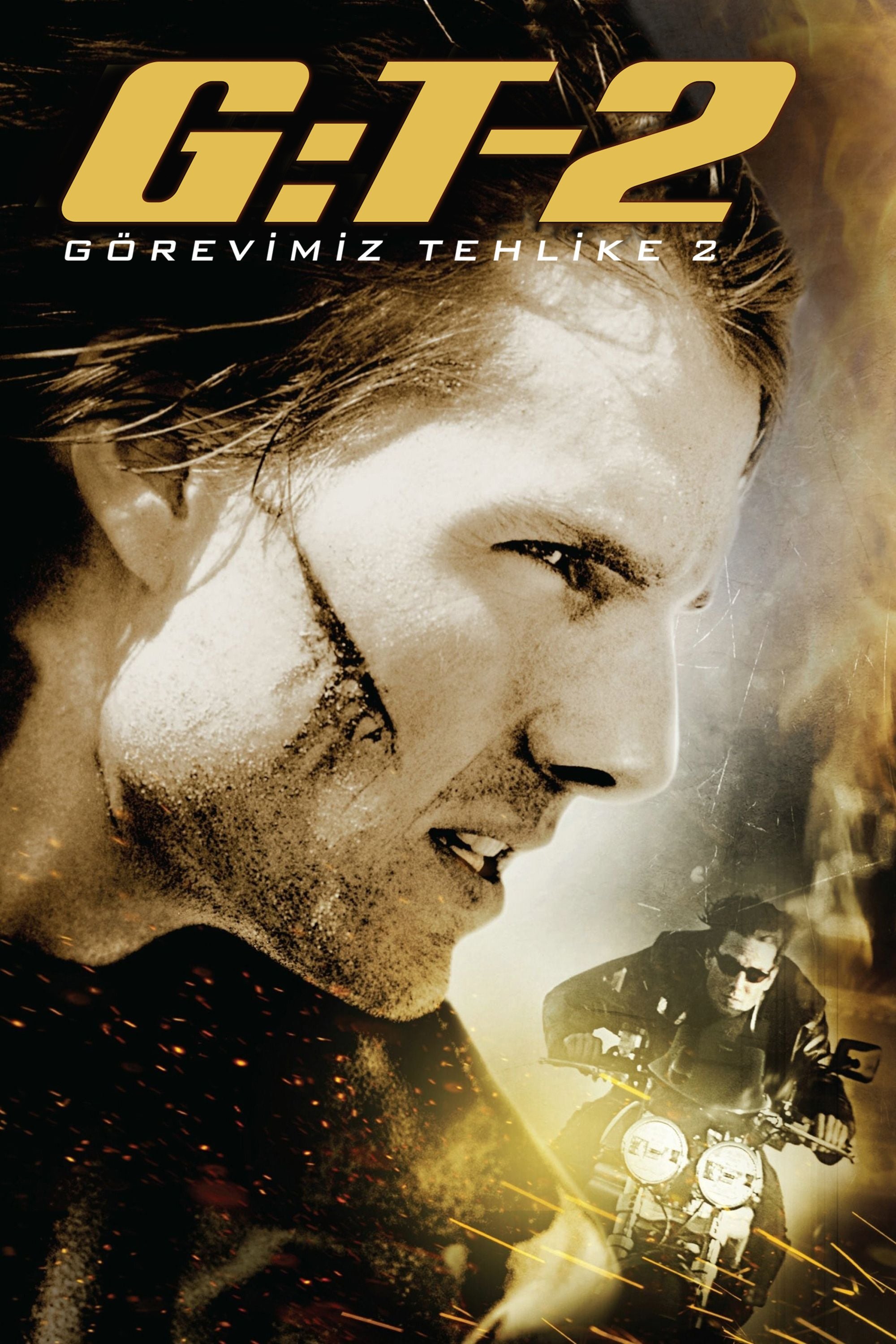
Mission: Impossible II arrived in theaters in 2000 as the second installment in the spy-action series starring Tom Cruise. The first film in the series was directed by Brian De Palma; for this second chapter, the director's chair…
Overview
Mission: Impossible II arrived in theaters in 2000 as the second installment in the spy-action series starring Tom Cruise. The first film in the series was directed by Brian De Palma; for this second chapter, the director's chair was taken over by John Woo, the master of Hong Kong cinema. The visual language bearing Woo's signature gave the film a distinctive identity that set it apart from other action productions of its era. Elements characteristic of Woo — white doves, slow-motion explosions, motorcycle chases, and gunfight sequences — form the film's visual signature.
The screenplay was written by Robert Towne, and it moved away from the spirit of the original Mission: Impossible series, evolving into a more bombastic, more action-driven structure. The film presents IMF agent Ethan Hunt facing a new mission, this time battling a biological threat. As one of the highest-budget films of its era, the production achieved major box-office success and provided the momentum needed for the series to continue.
While the film's score bears Hans Zimmer's signature, the reimagined versions of the iconic Mission: Impossible theme also stand out. The visual effects were backed by scenes that were quite ambitious for their time; the vehicle chases and close-combat scenes in particular remain among the film's most memorable moments.
Plot
Ethan Hunt, one of IMF's most trusted agents, faces a new and extremely risky mission. This time, the matter revolves around a dangerous biological weapon that could cause global catastrophe if it falls into the wrong hands. Hunt must both neutralize this threat and confront a former IMF agent he once knew, who is now working for the other side.
A professional thief also joins Hunt on the mission, becoming an important element that feeds into the story's emotional and suspenseful dimensions. Throughout the film, identity swaps, fake faces, betrayals, and unexpected twists stand out as characteristic elements of the series. The action sequences intensify in parallel with the story's progression, reaching an epic tempo as it builds toward the final sequence.
Why Watch It?
Mission: Impossible II is an important stop for viewers who want to understand the evolution of the series. The aesthetic John Woo brought to the cinematic language offers a different perspective on the action genre; as such, the film promises a visual experience distinct from classic Hollywood action films. Tom Cruise's physical performance and his passion for performing stunts without a stunt double also shine through in this film.
Additionally, the fact that the film stands as an important example of the aesthetic sensibilities of 2000s action cinema gives it added value for viewers interested in film history. Seeing the foundations laid here for certain themes and character dynamics that appear in later films in the series offers a satisfying experience for those following the series as a whole.
Who Is It For?
Those who enjoy intense action scenes, stylized cinematography, and flashy sequences will get a kick out of this film. For viewers familiar with John Woo's cinematic style — or curious about it — the film holds special appeal. It's also important for those who want to follow the entire Mission: Impossible series, in terms of understanding the series' developmental arc.
For those seeking simpler, more realistic, character-driven spy stories, however, the film may offer a different experience than expected; therefore, the alignment between viewer expectations and the film's tone will be a key determining factor.
Pros and Cons
Pros:
1. John Woo's original and stylized action sequences give the film a unique visual identity.
2. Tom Cruise's energetic and physical performance strengthens the action sequences.
3. Hans Zimmer's score and the reimagining of the series' iconic theme enhance the atmosphere.
Cons:
1. The excessive stylization of certain scenes may feel disconnected from reality to some viewers of the era.
2. The story's flow may be found simpler and more predictable compared to the previous film.
Genre and Tone
The film combines the classic elements of the spy-action genre with Woo's signature aesthetic. In terms of tone, it moves away from the first film's more suspense-driven and mysterious atmosphere, evolving into a more flashy, fast-paced, and action-heavy structure. Romantic undertones and dramatic tension intertwine with the action scenes, shaping the film's overall tone.
Runtime and Viewing Experience
The film runs approximately two hours, during which the viewer experiences an engrossing pace through consecutive action sequences. In particular, the motorcycle chase in the final act stands out as one of the film's most intense and memorable moments, offering the viewer an enjoyable experience. Watching it on a large-screen home setup will better convey the impact of the visual effects and sound design.
Similar Productions
- Mission: Impossible (1996)
- Mission: Impossible III (2006)
- The Bourne Identity (2002)
- Broken Arrow (1996)
- True Lies (1994)
Final Assessment
Mission: Impossible II retains its place in cinema history as one of the series' most controversial yet also most original productions. John Woo's vision gives the film a distinctive identity, while Tom Cruise's energy and the film's visual boldness offer viewers a satisfying action experience. Carrying a tone different from the series' general trajectory makes the film both beloved and criticized. Still, it promises an enjoyable and memorable viewing experience for those devoted to action cinema.
Where to Watch

Details
Cast (45)




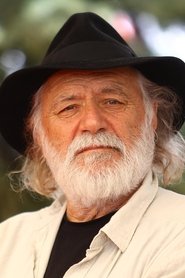
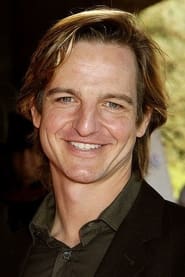
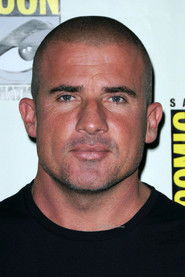



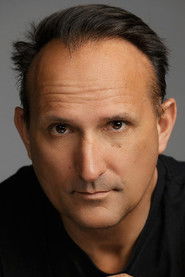











Görevimiz Tehlike [Seri]
ByTv Değerlendirmesi
Gallery
Yorumlar
Henüz yorum yok. İlk yorumu siz yazın.
Recommended
Yazıda geçen yapımlar
Senin için seçelim
Türe göre süz, puana göre sırala ya da çarkı çevirip sürpriz öneri al.