
M*A*S*H (1970)
Directed by Robert Altman, this 1970 black comedy carved out a distinctive place in film history by completely overturning the conventional patterns of war cinema. Set during the Korean War, the story presents audiences with the e…
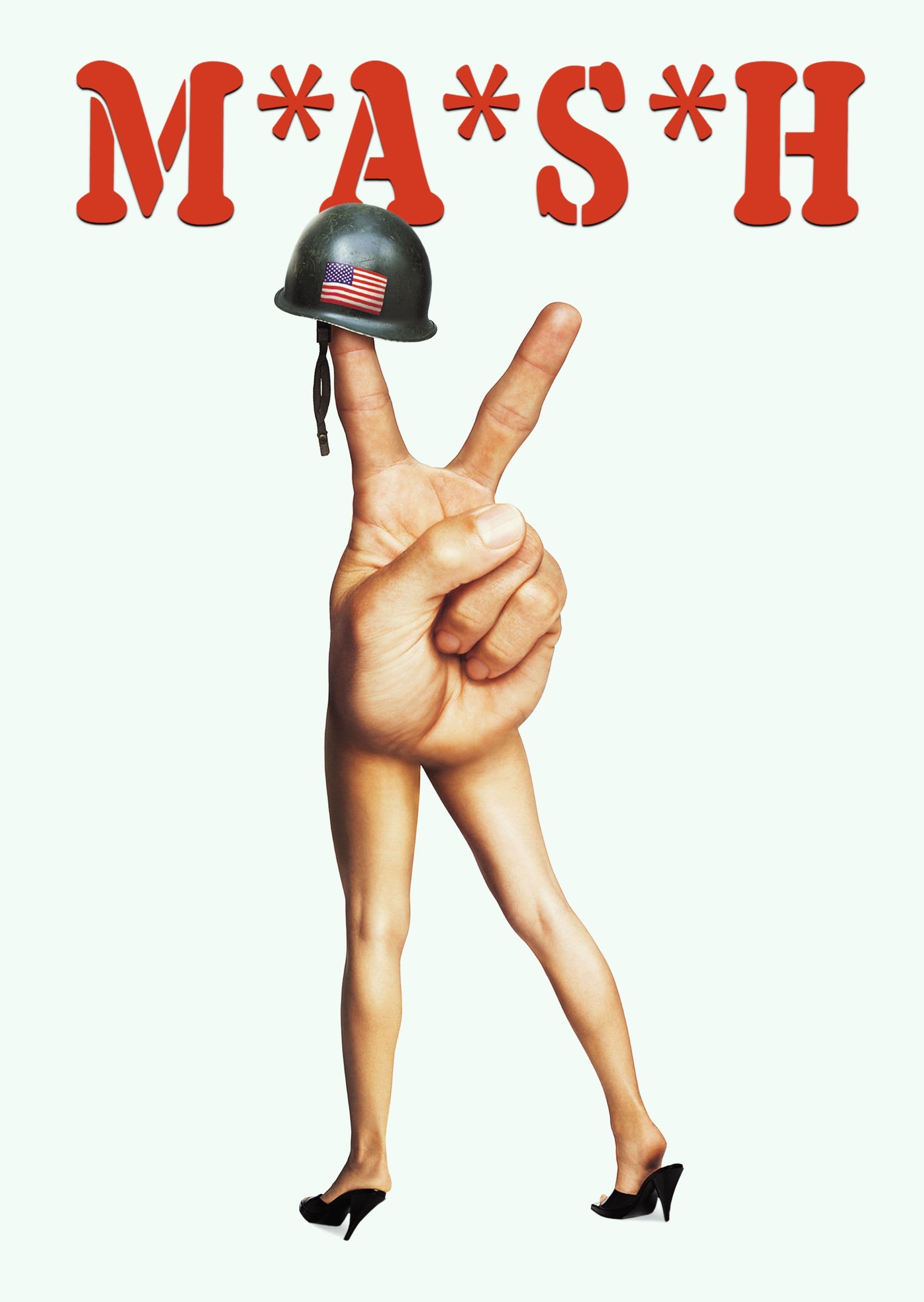
Overview
Directed by Robert Altman, this 1970 black comedy carved out a distinctive place in film history by completely overturning the conventional patterns of war cinema. Set during the Korean War, the story presents audiences with the everyday lives of doctors and nurses serving at a Mobile Army Surgical Hospital (MASH) set up behind the front lines, blended with an absurdist sense of humor. The film won the Palme d'Or at the Cannes Film Festival that same year, and also received five Academy Award nominations, taking home the Oscar for Best Adapted Screenplay.
Altman's characteristic storytelling style—overlapping dialogue, an improvisational feel, and a loose, atmosphere-driven structure rather than a plot-driven one—reaches its most mature form in this film. With Donald Sutherland and Elliott Gould sharing the lead roles, the cast also includes character actors like Danny Goldman, who contribute to the hospital's colorful world. The film has become a classic both for its veiled critique of the Vietnam War of its era and for its innovative approach to cinematic language.
Plot
The story takes place at the 4077th Mobile Army Surgical Hospital, set up in an area near the front during the most intense periods of the Korean War. Two young surgeons assigned there, "Hawkeye" Pierce and "Trapper John" McIntyre, confront the brutal reality of war while resisting this heavy atmosphere with their own distinctive sense of humor. In an environment where death and injury have become an everyday routine, the doctors try to save lives while also carving out breathing room for themselves through constant jokes, pranks, and small rebellions against authority to preserve their sanity.
Rather than adopting a traditional screenplay structure, the film embraces an episodic narrative shaped by the accumulation of daily events at the hospital. The relationships between characters, the disrespect shown toward superiors, scenes that mock gender roles, and sequences emphasizing the absurdity of war form the backbone of the film. Through this structure, viewers become gradually immersed in the atmosphere of this unique world rather than following a single main plotline.
Why Should You Watch It?
MASH deserves to be watched as one of the pioneers of the war-comedy genre in film history. Robert Altman's innovative directing techniques—particularly his use of simultaneous dialogue and his skill at creating a natural, realistic atmosphere—deeply influenced the generation of directors that followed. Rather than directly depicting the horrors of war, the film offers a different perspective by foregrounding the human mechanisms developed against that horror: humor, friendship, and rebellion.
It also stands out among Hollywood productions of its era for its bold language and content that defied censorship. Its mocking attitude toward authority, militarism, and religious figures offers viewers an experience that is both funny and thought-provoking. The performances, especially the natural chemistry between Sutherland and Gould, are among the elements that heighten the film's engaging quality. For those interested in film history, it stands as a masterpiece worth studying both aesthetically and culturally.
Who Is It Suitable For?
This film is a highly suitable choice for classic cinema enthusiasts, fans of black comedy, and viewers interested in Robert Altman's cinematic language. Those who wish to look at war-themed productions from an unconventional perspective will appreciate the ironic and critical tone the film offers. It is also an important reference point for those researching film history and directing techniques.
On the other hand, viewers expecting a linear, clear-cut plot, or who prefer stories focused on a classic hero's arc, may find the film somewhat scattered. Viewers who are sensitive to harsh humor and certain scenes reflecting the social norms of the era should also keep these points in mind.
Pros and Cons
Pros:
1. Robert Altman's innovative, improvisational directing style and use of simultaneous dialogue make a significant contribution to cinematic language.
2. The bold and original screenplay, which blends the war theme with black comedy, breaks the classic conventions of the genre.
3. The natural performances of a strong cast, led by Donald Sutherland and Elliott Gould, keep the film lively.
Cons:
1. The episodic and loose narrative structure may feel scattered to viewers expecting a clear-cut story.
2. Some humor elements and social attitudes reflective of the era may be considered controversial by today's audiences.
Genre and Tone
MASH is a hybrid production that combines the genres of war, comedy, and drama. Tonally, it is dominated by a mocking, ironic, and at times disturbingly cold-blooded sense of humor. Navigating the thin line between life and death, the film frames even tragic moments within a comedic lens, making viewers laugh while also prompting reflection on the absurdity of war. This balance is one of the film's most distinctive qualities, setting it apart from classic war films.
Runtime and Viewing Experience
Running approximately 116 minutes, the film has a rhythm that, due to its episodic structure, can be watched segment by segment. However, this does not diminish the film's overall impact; on the contrary, it creates a sense of naturally becoming part of the flow of daily life at the hospital. Approaching the film with an eye attuned to atmosphere and character rather than one accustomed to classic dramatic structure will make the experience far more satisfying.
Similar Productions
- Catch-22 (1970)
- Dr. Strangelove (1964)
- Good Morning, Vietnam (1987)
- Full Metal Jacket (1987)
- The MASH (1972-1983, TV series adaptation)
- Three Kings (1999)
Final Assessment
MASH remains a production whose importance endures in film history due to the unconventional perspective it brought to war cinema. Robert Altman's innovative narrative techniques, strong acting performances, and bold approach to black comedy transform the film into a classic that speaks not only to its own era but to today's audiences as well. It is a masterpiece that must be watched by anyone interested in classic cinema, distinctive directing styles, and productions that examine the effects of war on humanity from a different perspective.
Details
Cast (61)

















Ödüller
- En İyi Uyarlama Senaryo Akademi Ödülü 1971
- Altın Palmiye 1970
5 adaylık
- En İyi Film Akademi Ödülü 1971
- En İyi Film Kurgusu Akademi Ödülü 1971
- En İyi Uyarlama Senaryo Akademi Ödülü 1971
- En İyi Yardımcı Kadın Oyuncu Akademi Ödülü 1971
- En İyi Yönetmen Akademi Ödülü 1971
ByTv Değerlendirmesi
Gallery
Yorumlar
Henüz yorum yok. İlk yorumu siz yazın.
Recommended


Senin için seçelim
Türe göre süz, puana göre sırala ya da çarkı çevirip sürpriz öneri al.