
Liberation
Kurtuluş (1994) Overview Kurtuluş is a historical production that began airing on Turkish television screens in 1994, dealing with the period of the national liberation struggle and the events that marked that era. The series was…
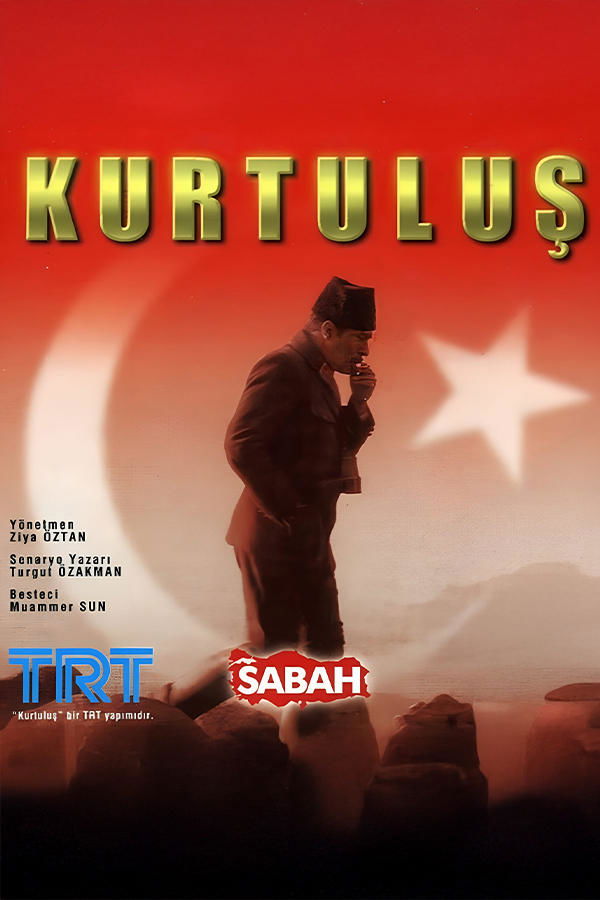
Kurtuluş (1994)
Overview
Kurtuluş is a historical production that began airing on Turkish television screens in 1994, dealing with the period of the national liberation struggle and the events that marked that era. The series was prepared in line with the domestic production tradition within the framework of the cinema and television understanding of the time, aiming to blend a historical backdrop with dramatic storytelling. Standing out as one of the examples of historically themed productions in 1990s Turkish television, Kurtuluş came to the screen with the ambition of presenting viewers with a historical narrative despite the limited production resources of the period.
The most striking aspect of the production is that it handles fictional characters alongside historical reality. Productions of this type aimed to offer the Turkish television audience of the era both an educational and an emotional experience. In this context, Kurtuluş can be evaluated as a production that tried to go beyond being merely a means of entertainment, also carrying elements related to national memory.
Plot
The series centers on one of the country's most challenging and decisive periods, focusing on the struggle experienced during this process, the resistance of the people, and social solidarity. The narrative progresses through personal stories shaped under the shadow of historical events; it conveys to the viewer how ordinary people were positioned within a great historical transformation and what kind of change they underwent.
The characters have been chosen from different segments of society in a way that reflects the social structure of the period. In this way, not only a military or political narrative but also the hardships experienced by a broad cross-section of society have been included in the story. Themes of family ties, loyalty, sacrifice, and resistance are elements that constantly come to the forefront in the series' narrative. As such, Kurtuluş is a production that aimed to intertwine both individual dramas and a social struggle in its storytelling.
Why Should You Watch It?
Kurtuluş is an important reference point for those curious about how the historical drama genre developed in Turkish television history. For those who want to see the production approach, acting style, and narrative language of the period, watching the series offers an experience that is valuable both nostalgically and culturally.
The series also offers a satisfying narrative for viewers who want to look at historical events through an emotional lens. Seeing how grand historical narratives can be conveyed through individual stories gives the viewer a different perspective. It is also noteworthy in that it shows how television production of the period could create powerful narratives even with limited resources.
This production also has the potential to offer an intergenerational viewing experience that younger generations can watch together with their parents. For those seeking content aimed at fostering historical awareness, Kurtuluş is one of the productions that can be preferred in this regard.
Who Is It Suitable For?
Kurtuluş is particularly suitable for viewers who love the historical drama genre, are interested in the period of the national struggle, and are curious about the development of Turkish television history. Viewers seeking a nostalgic television experience and curious about the production approach of the 1990s can also enjoy this series.
This production, which can be watched together with elder family members and focuses on an emotional and dramatic narrative rather than action or violence elements, can appeal to a wide family audience. However, it should be noted that for viewers accustomed to the fast pace and high-budget visual effects of modern television productions, the series has a more plain and classic narrative style.
Pros and Cons
Pros:
1. Bringing a historical period to the screen with a dramatic narrative
2. Offering a valuable example of the era's television production
3. Strongly handling themes of social solidarity and sacrifice
Cons:
1. Being technically limited compared to today's production standards
2. The narrative pace possibly being slow according to modern viewer habits
Genre and Tone
Kurtuluş is a production in the historical drama genre with a serious and emotional tone that tries to reflect the spirit of the period. Rather than humorous elements, dramatic tension and emotional intensity are at the forefront in the series. The effort to remain faithful to historical reality is one of the fundamental elements determining the overall atmosphere of the narrative.
Duration and Viewing Experience
Broadcast in episodes in accordance with the television series format of the period, Kurtuluş offers viewers a structure that can be followed weekly. This format has a classic series narrative style that allows the viewer to become increasingly attached to the story over time. It requires a more patient viewing experience compared to the fast consumption habits on today's platforms.
Similar Productions
- Vatanım Sensin
- Payitaht Abdülhamid
- Filinta
- Çanakkale 1915
- Diriliş: Ertuğrul
Final Verdict
Kurtuluş is an important domestic production that aired in 1994, bringing a historical period to the screen in a dramatic style. Despite the limited resources of the period, the series, which carries an effort to build a powerful narrative, aimed to offer both historical awareness and an emotional experience. This production, which carries nostalgic value for today's viewers, is a work worth watching for those curious about the development of Turkish television history.
Details
Cast (60)























































Sezonlar
Gelince haber ver 1994
ByTv Değerlendirmesi
Yorumlar
Henüz yorum yok. İlk yorumu siz yazın.
Recommended








Yazıda geçen yapımlar
Senin için seçelim
Türe göre süz, puana göre sırala ya da çarkı çevirip sürpriz öneri al.