
In the Mouth of Madness (1995)
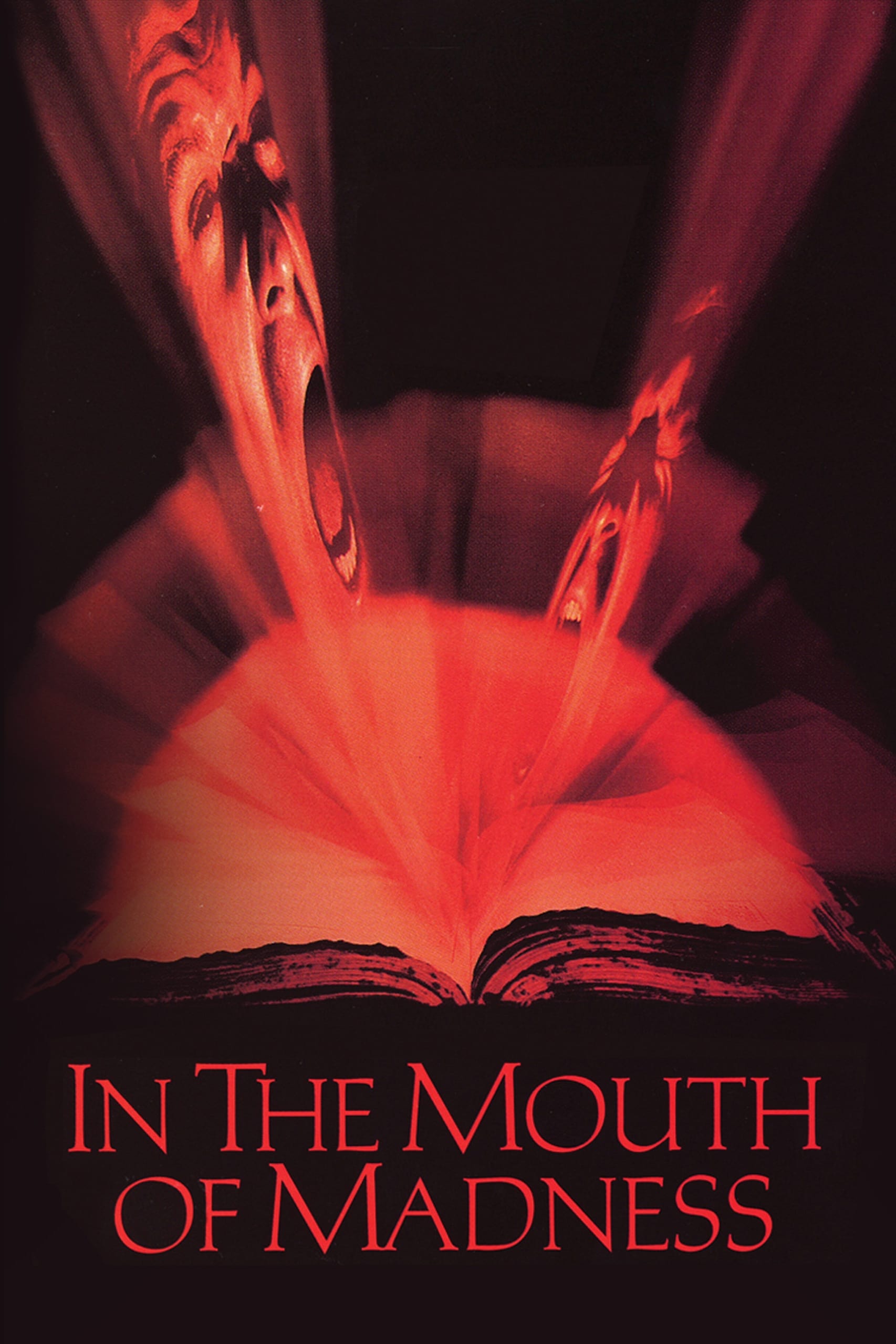
Holding a special place in John Carpenter's horror filmography, "In the Mouth of Madness" is an ambitious production built around cosmic horror and the perception of reality, brought to the screen in 1995. Forming the final chapte…
Overview
Holding a special place in John Carpenter's horror filmography, "In the Mouth of Madness" is an ambitious production built around cosmic horror and the perception of reality, brought to the screen in 1995. Forming the final chapter of what is known as Carpenter's "Apocalypse Trilogy," the film follows "The Thing" and "Prince of Darkness," carrying the director's existential approach to horror to its peak. Sam Neill stars as an insurance investigator, while Jürgen Prochnow brings a mysterious author to life, and Julie Carmen portrays his editor. Deborah Theaker also appears in the cast, playing one of the supporting characters who contributes to the film's atmosphere.
The film's screenplay is deeply influenced by H.P. Lovecraft's cosmic horror literature. However, rather than turning this inspiration into a direct adaptation, Carpenter chose to create an original horror experience using his own cinematic language. Although the production received mixed reactions from both critics and audiences in the mid-1990s, it has since achieved cult status and is now regarded as one of the essential examples of genre cinema.
Plot
The story begins when an experienced detective who investigates fraudulent insurance claims takes on the task of finding a missing horror novelist. The writer's books have strange and disturbing effects on their readers; some readers exhibit violent tendencies, while others are pushed to the brink of losing their sanity. The detective, together with the author's editor, sets out for a small town thought to be entirely fictional.
However, this journey opens the door to a series of events that will shake the detective's perception of reality to its core. As they approach the town, the boundaries between fiction and reality begin to blur, and the character finds himself trapped in a nightmare he struggles to make sense of. Throughout the film, the audience, alongside the detective, has difficulty distinguishing what is real from what is imagined. This ambiguity becomes one of the film's most powerful narrative devices, maintaining its grip until the final scenes.
Why Should You Watch It?
"In the Mouth of Madness" is a perfect choice for those seeking a production with philosophical depth that goes beyond conventional horror tropes. The film generates fear not merely through sudden jump scares but through disturbing ideas that linger in the viewer's mind long afterward. Its structure, which questions the relationship between reality, fiction, madness, and belief, transforms the viewer from a passive spectator into part of the paranoid atmosphere the film presents.
Carpenter's directorial approach can be held up as a model in terms of minimalist yet effective visual language, atmospheric use of music, and the gradual build-up of tension. Sam Neill's performance forms the backbone of the film, convincingly conveying the character's mental unraveling. Additionally, the fact that Lovecraftian cosmic horror themes have been translated to cinema in such an original way holds special value for genre enthusiasts.
Who Is It Suitable For?
This film appeals to viewers who prefer mental and atmospheric tension over classic jump-scare horror. Those familiar with Lovecraft's literature will find it especially satisfying, as it shows how the concept of cosmic horror can be reflected in cinema. Viewers who enjoyed John Carpenter's previous works and recognize the director's characteristic style will also appreciate the film.
On the other hand, for those accustomed to fast-paced, action-heavy horror films, the movie may initially feel slow. The narrative structure, in which the line between reality and fiction becomes blurred, may be confusing for those who prefer linear and clear-cut stories. However, when watched with patience, the film will more than satisfy viewers who enjoy this kind of experience.
Pros and Cons
Pros:
1. The Lovecraftian cosmic horror theme is transformed into an original and impressive cinematic language
2. Sam Neill's performance masterfully conveys the character's psychological collapse
3. Carpenter's signature atmospheric music and visual direction
Cons:
1. The slow-moving narrative pace may require patience for some viewers
2. The non-linear, ambiguity-driven structure may not appeal to everyone's taste
Genre and Tone
The film is structured as a blend of the cosmic horror and psychological thriller subgenres of horror. In terms of tone, the first half is dominated by a mysterious and intriguing atmosphere, which gradually evolves into an increasingly disturbing, nightmarish mood as the story progresses. While Carpenter employs classic horror elements, he blends them with philosophical and existential questions to offer a more intellectual horror experience. The visual effects, though impressive for their time, are not where the film's true strength lies — that lies in its construction of psychological tension.
Runtime and Viewing Experience
At approximately 95 minutes, the film does not offer a lengthy viewing experience, but it manages to build an intense atmosphere within this short runtime. In terms of the viewing experience, it is recommended to watch the film in one sitting without distractions, since the layered structure of the narrative means that missed details can affect the coherence of the story. The film also lends itself well to repeat viewings; clues and references not noticed on the first watch may offer a different perspective on a second viewing.
Similar Productions
For fans of "In the Mouth of Madness," the following productions are recommended:
- The Thing (1982) – The first installment of Carpenter's Apocalypse Trilogy, a masterpiece centered on themes of paranoia and isolation
- Prince of Darkness (1987) – The second film in the trilogy, a horror production blending concepts of science and evil
- Event Horizon (1997) – A science fiction horror film combining cosmic horror and psychological tension
- Color Out of Space (2019) – A direct adaptation of Lovecraft's work, offering similarly atmospheric horror
- The Void (2016) – An independent horror film blending cosmic dread and surreal elements
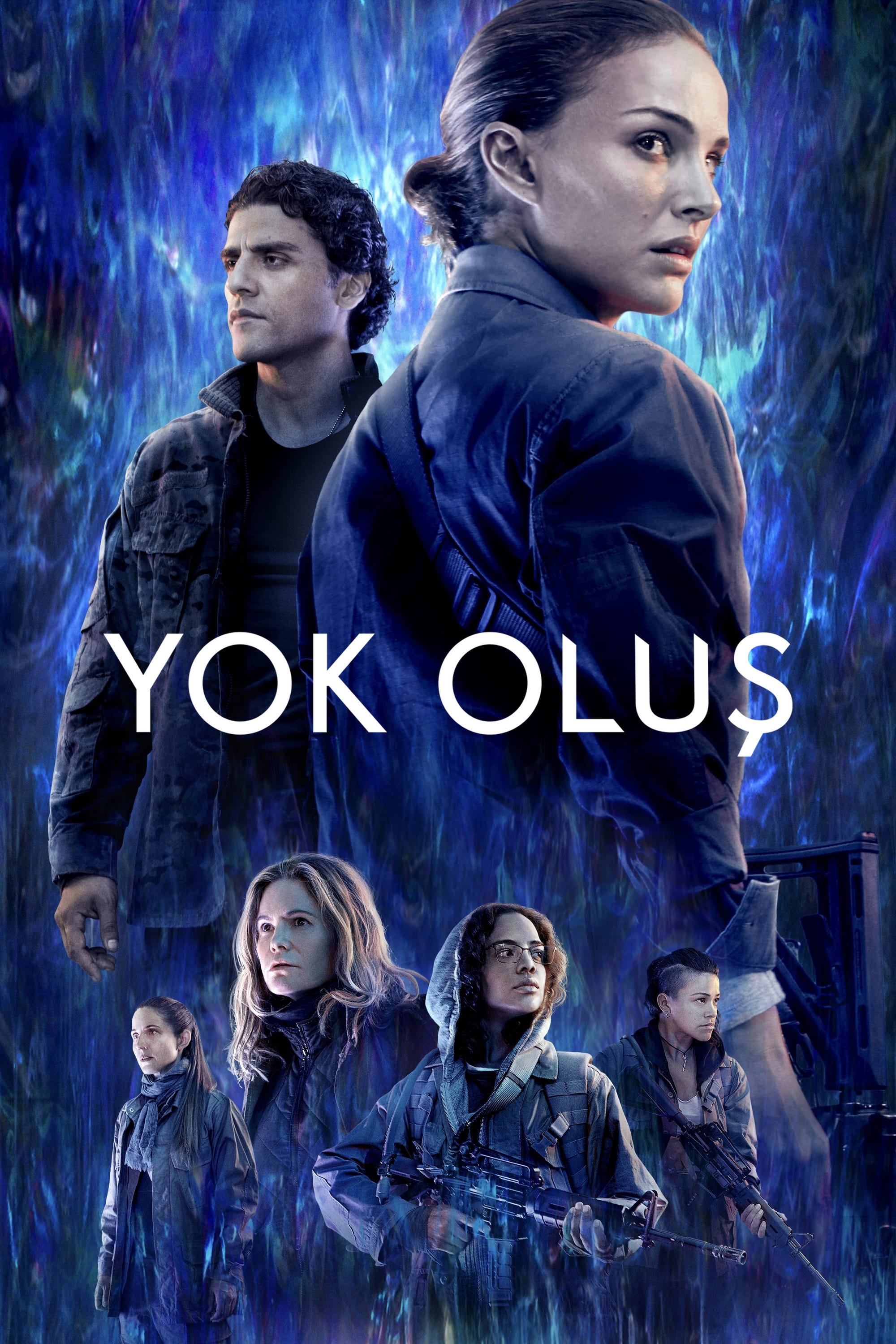
- Annihilation (2018) – A science fiction film questioning the perception of reality and focusing on fear of the unknown
Final Assessment
"In the Mouth of Madness" has secured its place in cinema history as one of the most original examples of John Carpenter's contribution to horror cinema. Thanks to its bold narrative that questions the perception of reality, Sam Neill's compelling performance, and its successful treatment of Lovecraftian cosmic horror themes, the film gained cult status over time, even though it did not receive the attention it deserved upon its initial release. For viewers seeking a mentally challenging cinematic experience that steps outside the bounds of classic horror conventions, this film is absolutely worth discovering. It stands as an essential reference point for anyone wishing to delve into the depths of the genre.
Details
Cast (42)

















ByTv Değerlendirmesi
Gallery
Yorumlar
Henüz yorum yok. İlk yorumu siz yazın.
Recommended







Yazıda geçen yapımlar
Senin için seçelim
Türe göre süz, puana göre sırala ya da çarkı çevirip sürpriz öneri al.