
Howling VI: The Freaks
Howling VI: The Freaks (1991) Overview "Howling VI: The Freaks" constitutes the sixth installment of the legendary werewolf horror series Howling. This 1991 production tells a story independent of the series' previous entries, foc…
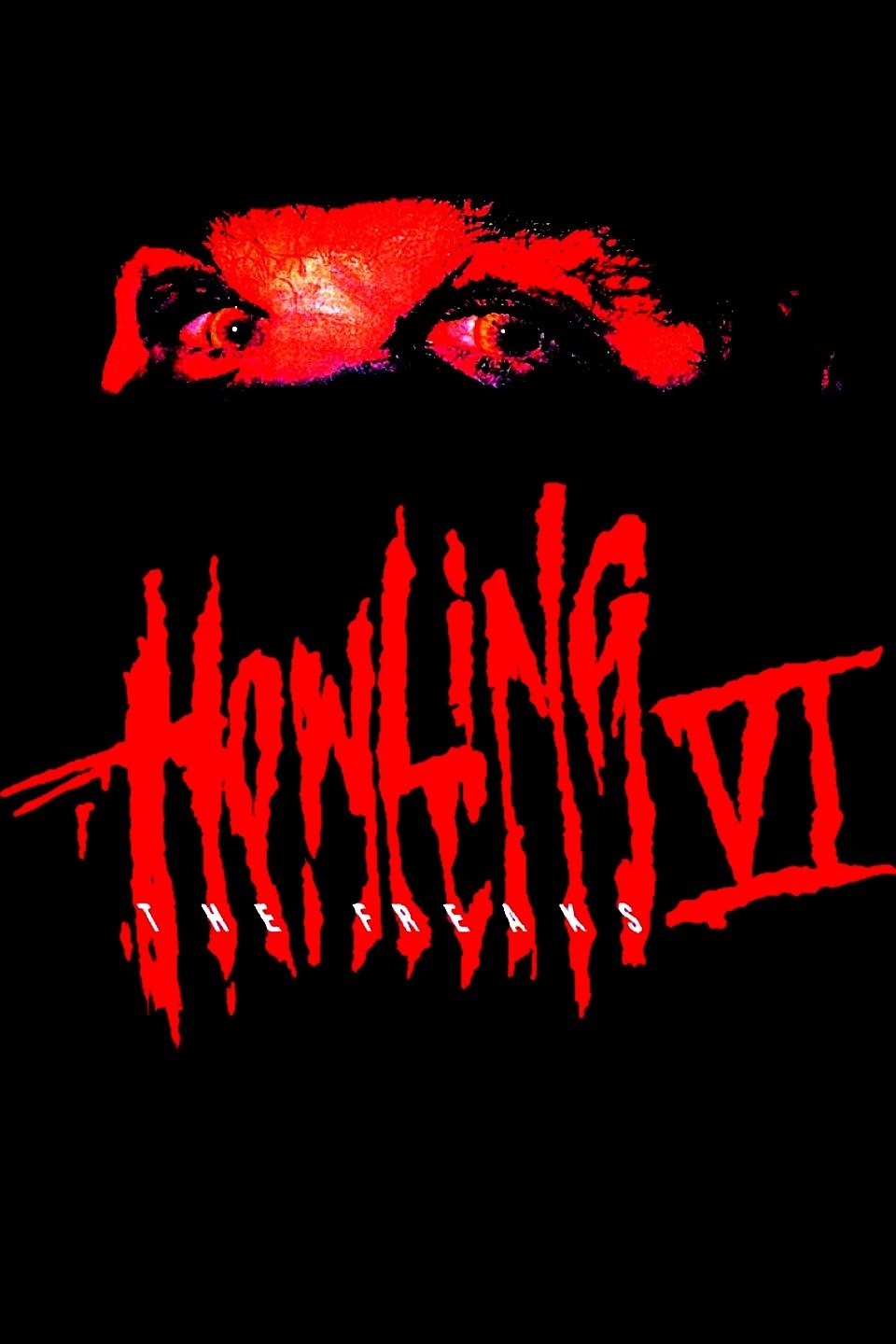
Howling VI: The Freaks (1991)
Overview
"Howling VI: The Freaks" constitutes the sixth installment of the legendary werewolf horror series Howling. This 1991 production tells a story independent of the series' previous entries, focusing on the tense events that unfold when a traveling freak show caravan arrives in a small American town. Directed by Hope Perello, the production carries the characteristic traits of low-budget '90s horror cinema, offering a narrative woven with handmade effects, atmospheric night shots, and classic monster movie motifs.
The film approaches the werewolf mythology seen earlier in the series from a slightly different angle, blending the traveling circus/freak show theme with werewolf horror. In this respect, it aims to create a distinct atmosphere that sets it apart from the other films in the series. Carrying a nostalgic flavor especially for viewers familiar with the B-movie culture of the era, the production holds a status close to that of a cult film.
Considering the overall quality level of the Howling series, the sixth film can be said to be one of the series' most controversial yet also most original entries. The screenplay, which combines classic horror elements with western and mysterious-stranger themes, promises the viewer an unusual werewolf experience.
Plot
The story revolves around a mysterious stranger who arrives in a quiet town. This stranger soon comes face to face with the owner of a traveling "freak show" caravan that has set up in the town. The caravan owner turns out to be a mysterious figure who actually displays and hunts non-human creatures. As the townspeople find themselves caught between these two groups of newcomers, their true natures begin to reveal themselves in the darkness of night.
As the film progresses, we see how werewolf mythology and circus/freak show aesthetics intertwine. The tension between the town's innocence and the danger brought by the traveling caravan forms the film's main axis of conflict. While the power dynamics between the characters take shape around the question of who is the hunter and who is the hunted, the plot attempts to move beyond the classic good-versus-evil narrative.
The town's isolated structure and the paranoia created by threats from outside fuel the film's tension elements. As the viewer tries to figure out who is really what, the gradually revealed truths provided by the director draw them deeper into the story.
Why Watch It?
Howling VI stands out for series followers and retro horror fans for several important reasons. First of all, its use of a theme different from the other films in the series sets the production apart from similar works. The traveling freak show concept brings a fresh perspective to werewolf mythology, offering viewers an unusual experience.
For those interested in '90s B-movie aesthetics, the film's practical effects and period atmosphere are a major draw. The handmade makeup and costume work of the pre-CGI era gives today's viewers a nostalgic pleasure while also serving as an interesting example of how this period of film history operated.
Additionally, for viewers interested in cult film culture, the Howling series is an important point of reference. For those who want to follow the series' continuity or explore the world of B-movie horror, this film is a piece worth adding to the collection.
Who Is It Suitable For?
This film primarily appeals to viewers interested in classic horror and werewolf-themed productions. It's an ideal choice for audiences familiar with the aesthetics of low-budget '90s horror cinema or those who feel nostalgic for that era. It's also an essential watch for series followers who want to complete the entire Howling filmography.
On the other hand, it may not meet the expectations of viewers looking for high production values and modern horror storytelling techniques. Rather than a serious horror experience, the film carries the identity of a B-movie full of entertaining and sometimes unintentionally funny moments. For this reason, it's also a suitable choice for viewers who enjoy the "so bad it's good" category.
Viewers who grew up with VHS culture in their youth and want to relive video store nostalgia will also enjoy this production.
Pros and Cons
Pros:
1. Use of a distinctive theme (traveling freak show) different from the other films in the series
2. The characteristic practical effects and makeup work of the era
3. An entertaining and nostalgic atmosphere befitting its cult film status
Cons:
1. Limited production values brought on by the low budget and a lack of believability in some scenes
2. Falls behind modern horror standards in terms of screenplay and pacing
Genre and Tone
While the film falls within the classic werewolf subcategory of the horror genre, it also incorporates western and mystery elements. In terms of tone, it shifts between a serious tension-filled atmosphere and the exaggerated, entertaining moments typical of B-movies. The traveling caravan and freak show theme lend the film a gothic and dark atmosphere while also bringing along elements of camp.
The overall tone aims to take the viewer on an entertaining B-movie journey rather than a genuine horror experience. The characters' exaggerated behaviors and the typical horror clichés of the era reinforce the film's place within this genre.
Runtime and Viewing Experience
The film has a standard feature-length runtime and can comfortably be watched in one sitting. In terms of viewing experience, it's the kind of production that can be enjoyed especially at night, with friends, or during horror movie marathons. Although the pacing slows down at times, the tension scenes and turning points try to keep the viewer's interest alive.
For viewers unfamiliar with retro horror cinema, it may create a bit of an alienating feeling on first viewing, but once adapted to the genre's rules, it offers an enjoyable viewing experience.Similar Productions
- Howling (1981) - The series' original and most acclaimed film
- The Wolf Man (1941) - One of the cornerstones of classic werewolf cinema
- Freaks (1932) - A cult classic exploring the freak show theme
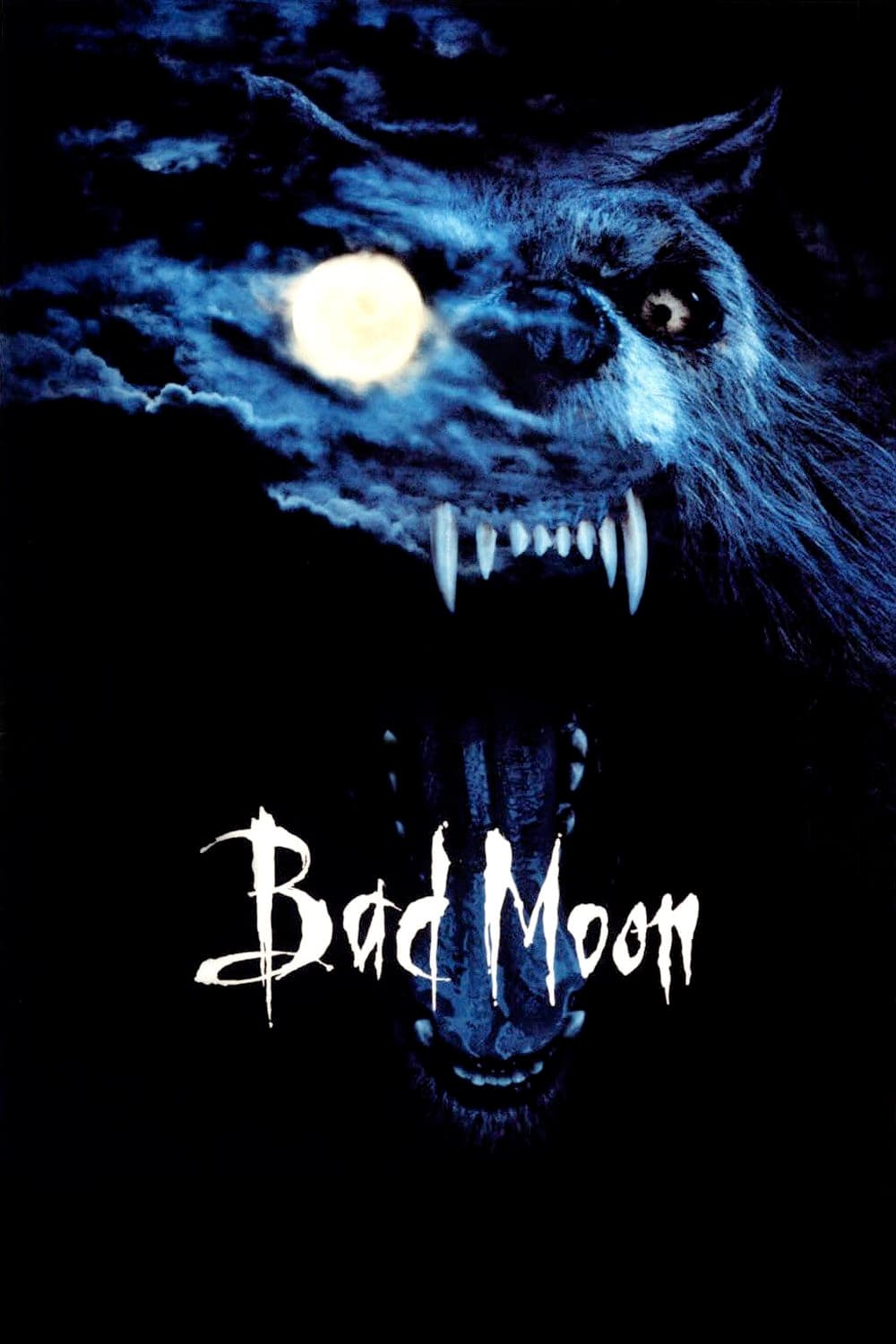
- Silver Bullet (1985) - Another '80s werewolf-themed horror film
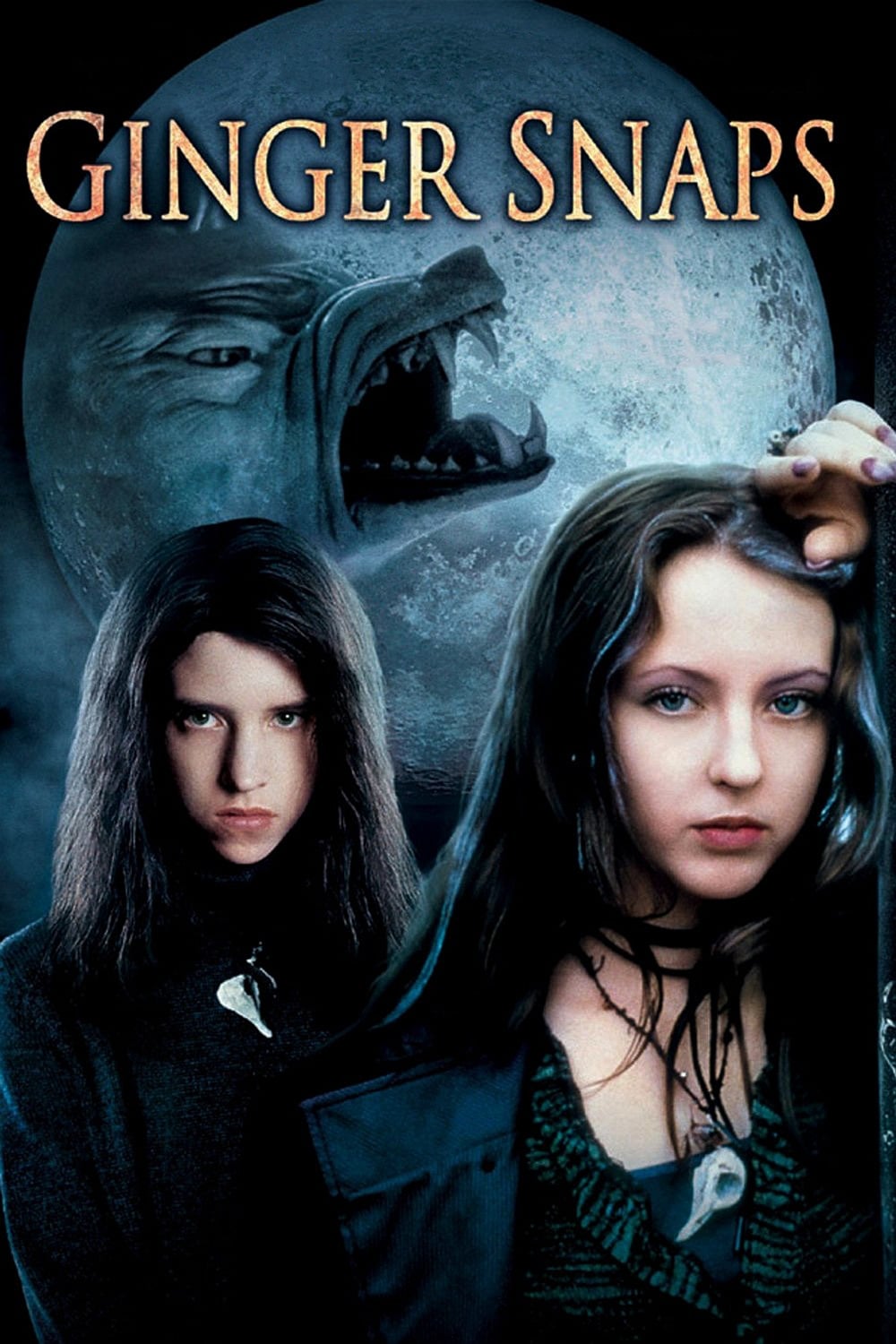
- Ginger Snaps (2000) - A modern reinterpretation of the werewolf story
- Trick 'r Treat (2007) - An anthology-style production blending multiple horror themes
Final Assessment
"Howling VI: The Freaks" stands out as one of the most original yet also most controversial entries in the Howling series. Blending the traveling freak show theme with werewolf mythology, the production carries the typical traits of low-budget '90s horror cinema while managing to create an atmosphere all its own. Although its shortcomings become apparent when evaluated against modern horror standards, it remains a production worth discovering for cult film and retro cinema enthusiasts. It's a recommendable choice for those who want to complete the series or for viewers interested in B-movie culture.
Details
Cast (23)








Çığlık Koleksiyonu




ByTv Değerlendirmesi
Gallery
Yorumlar
Henüz yorum yok. İlk yorumu siz yazın.
Recommended



Yazıda geçen yapımlar


Senin için seçelim
Türe göre süz, puana göre sırala ya da çarkı çevirip sürpriz öneri al.