
How to Drown Dr. Mracek, the Lawyer (1975)
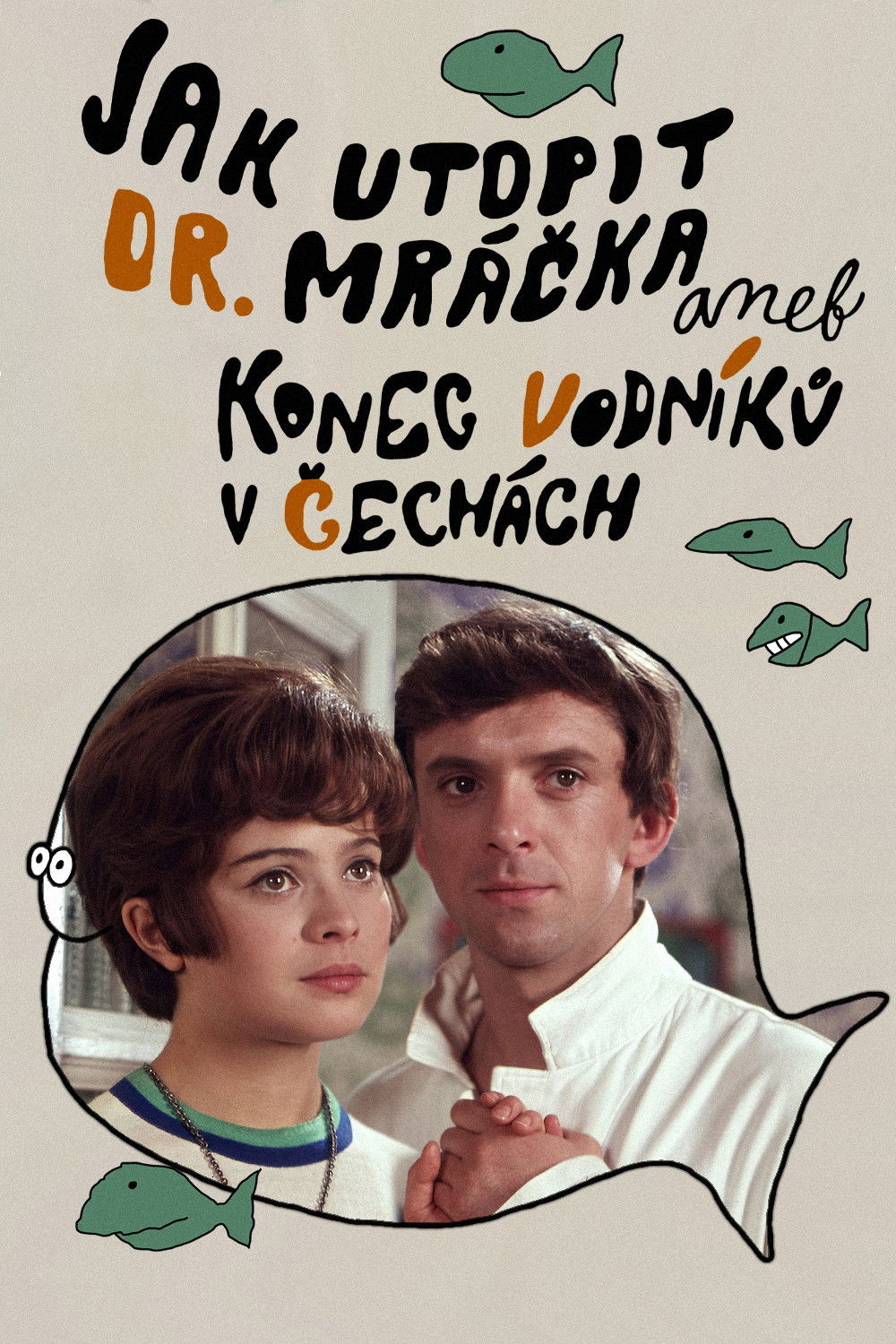
"How to Drown Dr. Mracek, the Lawyer," made in 1975, is an original production drawing on Czechoslovak cinema's distinctive tradition of fantasy-comedy. This film, which blends absurd humor, social critique, and fantastical elemen…
Overview
"How to Drown Dr. Mracek, the Lawyer," made in 1975, is an original production drawing on Czechoslovak cinema's distinctive tradition of fantasy-comedy. This film, which blends absurd humor, social critique, and fantastical elements—common features of Central European cinema of the era—offers viewers a narrative that is both entertaining and thought-provoking. Gustav Bubnik, part of the film's cast, stands out as one of the names contributing to the film's atmosphere. The technical resources and creative screenwriting approach of Czech cinema at the time made this film a distinctive example within its genre.
Without confining itself to a classic drama or comedy mold, the film skillfully weaves surreal elements into everyday life. In this respect, it serves not only as entertainment but also as a document reflecting the social and cultural fabric of its era. The director's vision, despite technically limited resources, was supported by creative solutions, making the film a production that transcends its time.
Plot
At the center of the film, as the title suggests, is a lawyer character named Dr. Mracek. The story presents the viewer with a chain of events unfolding around this character, framed within a fantastical and surreal context. The narrative completely reverses traditional expectations of legal drama, taking the viewer on an unexpected journey.
The screenplay uses fantastical elements that seep into everyday life to address the characters' inner worlds and social relationships with a humorous tone. The water motif, as emphasized in the film's title, stands out as a symbolically and visually significant element of the narrative. The events shaped around this motif form the fundamental dynamics that determine the characters' fates and their relationships with one another.
Throughout the film, the boundaries between reality and the fantastical world are deliberately blurred. This narrative choice allows the viewer to move away from expectations of a classic story and experience a more experimental and creative cinematic journey.
Why Watch It?
This film is an important reference point, especially for those curious about the creative output of Central European cinema in the 1970s. Despite the censorship conditions and limited production resources of the era, this work—created with a creative narrative language—is one of the lesser-known but valuable examples in film history.
The film steps outside classic narrative molds, offering viewers an unusual cinematic experience. The blending of fantastical elements with realistic social critique elevates the production beyond a purely entertainment-focused film, turning it into a deeper viewing experience.
It also offers a rich visual feast for film enthusiasts curious about the aesthetics, costume design, and visual language of Czechoslovak cinema of the period. With a nostalgic perspective, it is an ideal choice for those wishing to discover a different example of classic European cinema.
Who Is It Suitable For?
This film is particularly suitable for viewers interested in classic European cinema, the fantasy-comedy genre, and experimental narrative techniques. For those who prefer a slower, more contemplative narrative rather than fast-paced, action-packed modern productions, it will be an enjoyable option.
Additionally, this film is a significant find for film history enthusiasts, particularly those researching the cinematic traditions of Eastern Bloc countries, and for cinephiles who enjoy discovering rare classic productions. Viewers who love absurd humor and are open to surreal storytelling will also greatly enjoy the film.
On the other hand, for viewers accustomed entirely to modern cinematic aesthetics who expect fast editing and high production values, the film may initially require a bit of an adjustment period.
Pros and Cons
Pros:
1. The original and creative screenplay structure offers viewers a different experience by stepping outside classic narrative molds.
2. It successfully reflects the Czechoslovak cinematic aesthetic and cultural fabric of its era.
3. The balanced blend of fantastical elements with humorous touches gives the film its own distinctive identity.
Cons:
1. For modern viewers, the pacing may occasionally feel slow and unfamiliar to contemporary cinematic language.
2. The visual effects and technical elements may seem limited compared to today's standards.
Genre and Tone
The film represents a distinctly Central European interpretation of the fantasy-comedy genre. In terms of tone, it presents social critique alongside a lightly ironic style. While absurd humor dominates the film's general atmosphere, melancholic and thought-provoking moments are also woven into the narrative at times.
This tonal balance elevates the film beyond a work aimed merely at making people laugh; it also offers a multi-layered narrative that prompts viewers to reflect. By grounding fantastical elements in a realistic framework, the film allows viewers to both enjoy themselves and sense the social atmosphere of the era.
Runtime and Viewing Experience
The film has a classic feature-length runtime, drawing the viewer into the story at a pace that is not exhausting but does require attention. In keeping with the cinematic sensibilities of the era, the viewing experience allows time for detailed scene development and character growth.
This pacing may initially feel unfamiliar to modern viewers accustomed to fast cuts, but as one becomes accustomed to the film's atmosphere, this slow and detailed narrative style becomes a pleasure in its own right. The visual compositions and period set designs are among the elements that enrich the viewing experience.
Similar Productions
- Nikdo nic neví (1947)
- Limonádový Joe aneb Koňská opera (1964)
- Zabil jsem Einsteina, pánové (1970)
- Kdo chce zabít Jessii? (1966)
- Adéla ještě nevečeřela (1978)
- Marečku, podejte mi pero! (1976, TV series)
Final Assessment
"How to Drown Dr. Mracek, the Lawyer," as one of the creative outputs of Czechoslovak cinema in the 1970s, offers an original example of the fantasy-comedy genre. With its screenplay that steps outside classic narrative molds, its humorous language reflecting the social fabric of its era, and its distinctive visual aesthetic, it is one of the valuable works in film history still waiting to be discovered.
Although it may require a somewhat different adjustment period for modern viewers, this film is certainly an experience worth watching for those curious about classic European cinema and experimental narrative techniques. The cast, including Gustav Bubnik, contributes to the film's overall atmosphere, strengthening the production's cohesion. Ultimately, for viewers interested in film history and eager to discover the cinematic traditions of different cultures, this production is a valuable treasure hidden away in the archives.
Details
Cast (70)
















ByTv Değerlendirmesi
Gallery
Yorumlar
Henüz yorum yok. İlk yorumu siz yazın.
Recommended

Senin için seçelim
Türe göre süz, puana göre sırala ya da çarkı çevirip sürpriz öneri al.