
Helter Skelter
Helter Skelter (1976) Overview Helter Skelter is a 1976 American made-for-television crime drama adapted from real events. Centered on the brutal murders committed by Charles Manson and his followers—known as "the Family"—and the…

Helter Skelter (1976)
Overview
Helter Skelter is a 1976 American made-for-television crime drama adapted from real events. Centered on the brutal murders committed by Charles Manson and his followers—known as "the Family"—and the courtroom journey of the subsequent trial, the production is regarded as one of the most resonant and enduringly memorable miniseries/television film projects of its era. Adapted from Vincent Bugliosi's book of the same name, the screenplay conveys the events through both the investigation and the trial process, offering viewers the background of a case that shook American society at the time.
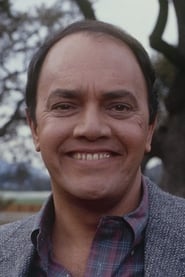
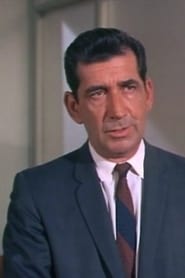
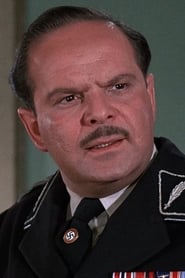
Steve Railsback's performance as Charles Manson stands out in the cast, while veteran actor Ray Middleton also appears, representing one of the production's reliable and well-established casting choices. Despite its limited television budget, the film has been widely praised for successfully capturing the atmosphere of the era, and over the years it has become a reference point for this kind of true-crime adaptation.
Helter Skelter does more than simply recount a murder case; it also examines the social fractures of late-1960s America, the dangerous face of charismatic leadership, and the workings of the justice system. In this respect, the production transcends being merely an "event film" of its time and carries the weight of a sociological document.
Plot
The film centers on the Manson Family murders, a real-life case that became one of the darkest murder cases in American history. Told from the perspective of prosecutor Vincent Bugliosi, the story unfolds step by step, following the investigation that began after the murders, the gathering of evidence, and the shaping of the trial process.
The narrative does not focus solely on how the murders were carried out; the main emphasis is placed on the legal process that seeks to understand the mindset behind the killings, the group dynamics, and how a leader could exert such influence over his followers. Bugliosi's pursuit of justice drives the film forward as a tense throughline. The courtroom scenes, witness testimonies, and the clash between defense and prosecution present a realistic portrait of the era's judicial process.
While following the chronological flow of events, the film aims to offer viewers both an emotional and an intellectual experience; the audience comes to question not only "what happened" but also "how and why it happened."
Why Watch It?
Helter Skelter is an important starting point for viewers interested in the true crime genre. It serves as a valuable resource for those curious about 1970s television production standards, the social atmosphere of the era, and how judicial processes functioned at the time. Additionally, for those wishing to see an original and powerful cinematic interpretation of the Manson case—a story that continues to inspire countless documentaries and series today—this production is a classic not to be missed.
Steve Railsback's performance offers a charismatic and chilling portrayal of a cult leader that is still cited as a benchmark years later. The supporting cast, including Ray Middleton, showcases the quality of television acting of the period. The film's plain yet effective narrative style can still instill a strong sense of tension and curiosity in today's viewers.
Who Is It For?
This film is ideal for viewers interested in true crime stories, legal drama, and the social atmosphere of 1970s America. Viewers curious about film and television history who wish to discover classic productions can also gain a valuable perspective on the era through this film. Since the content can be quite intense and disturbing, viewers sensitive to heavy and dark themes are advised to approach it with caution.
Pros and Cons
Pros: 1. Steve Railsback's unforgettable performance, still cited as a benchmark years later. 2. A meticulously researched screenplay structure based on real events. 3. A narrative that successfully conveys the social and judicial atmosphere of the era.
Cons: 1. Certain technical and visual limitations stemming from its nature as a television production. 2. The lengthy courtroom scenes may create a slow-moving pace for some viewers.
Genre and Tone
The production sits at the intersection of the true crime drama and legal film genres. In tone, it offers a heavy, tense, and thought-provoking atmosphere; avoiding a sensationalist approach, it prefers to convey events in a documentary-like manner with measured language. This approach makes the film's impact on viewers feel more realistic and lasting.
Runtime and Viewing Experience
Produced in a television miniseries format, the production spans a wide timeframe in order to narrate events in detail. Viewers may need to stay focused and patiently follow the storyline throughout; however, this extended structure contributes to the depth of the story and gives viewers the opportunity to grasp the complexity of the events.
Similar Productions
- Mindhunter (series)
- Once Upon a Time in Hollywood
- The Manson Family
- Zodiac
- Manhunt: Unabomber
- American Crime Story
Final Assessment
Helter Skelter stands out as one of the most powerful examples of the true crime genre in television history. Approaching the murders committed by Charles Manson and his followers with a meticulous and realistic narrative far removed from sensationalism, the production remains a valuable reference point for viewers curious about the social fabric of the era and the workings of the justice system. Thanks to Steve Railsback's performance and the contributions of the supporting cast, the film retains its status as a classic that has lost none of its impact over the years.
Details
Cast (58)
































ByTv Değerlendirmesi
Gallery
Yorumlar
Henüz yorum yok. İlk yorumu siz yazın.
Recommended





Senin için seçelim
Türe göre süz, puana göre sırala ya da çarkı çevirip sürpriz öneri al.