
Earthquake
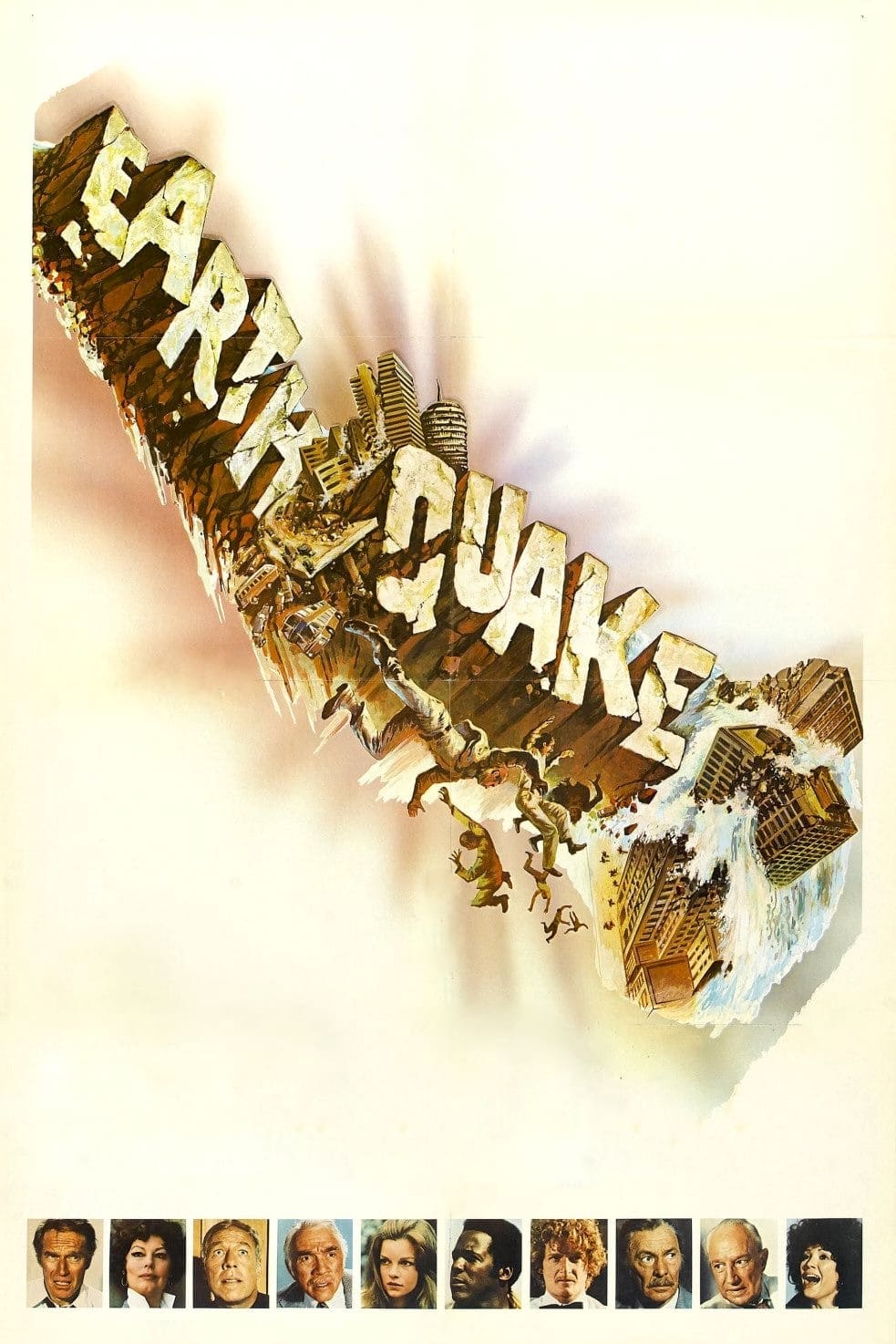
Earthquake (1974) Overview "Earthquake" is a production that met with film lovers in 1974 and is regarded as one of the most spectacular disaster films of its era. Directed by Mark Robson, the film became one of the most notable e…
Earthquake (1974)
Overview
"Earthquake" is a production that met with film lovers in 1974 and is regarded as one of the most spectacular disaster films of its era. Directed by Mark Robson, the film became one of the most notable examples of the highly popular "disaster movie" trend of the 1970s. Centered on the city of Los Angeles being rocked by a massive earthquake, the film captivated audiences with visual solutions that pushed the limits of the special effects technology of its time.
The film stands out with its extensive cast. Well-known names of the era such as Charlton Heston, Ava Gardner, and George Kennedy bring a multifaceted perspective to the story by portraying characters from different social strata. The production doesn't just offer a visual spectacle of a natural disaster; it also examines human relationships, family bonds, and the nature of humanity that emerges in moments of crisis.
"Earthquake" also holds an important place in cinema history from a technical standpoint. The film aimed to give audiences a genuine earthquake experience through a special sound system called "Sensurround" in theaters where it was shown. This innovative approach played a significant role in the film's commercial success and brought a new perspective to the cinema technology of the time. Having also earned recognition in the visual effects and sound categories at the Academy Awards, the film is still remembered today among the classics of disaster cinema.
Plot
The film begins amid the crowded, modern urban life of Los Angeles. While various characters living in different corners of the city go about the hustle and bustle of their daily lives, an earthquake of unexpected magnitude shakes the city. Amid collapsing buildings, failing dams, broken roads, and panicking crowds, the characters begin a struggle to survive.
At the center of the story is an engineer dealing with marital problems and how the people around him cope with the crisis. Throughout the film, it explores how people from different professions and walks of life struggle with the chaos caused by the earthquake, the sacrifices they make, and how the crisis reveals human character. As the city's infrastructure collapses, rescue efforts, the work of security forces, and the attempts of ordinary people to help one another also form an important part of the story.
While weaving individual dramas against the backdrop of a large-scale disaster, the film aims to offer the viewer an intense experience both emotionally and visually.
Why Watch It?
"Earthquake" holds a special place in cinema history as an important production representing the disaster film sensibility of the 1970s. Despite the limited technological resources of the time, the visual effects created are quite successful in presenting the audience with realistic scenes of destruction. In particular, the large-scale collapse scenes and the reconstruction of cityscapes are an admirable achievement in terms of the filmmaking technique of the era.
The film also boasts a strong cast. Charlton Heston's charismatic performance, Ava Gardner's emotional depth, and George Kennedy's reliable presence allow the characters to connect with the audience. The coming together of these names transforms the film from a mere effects showcase into a deeply human story.
Furthermore, "Earthquake" has inspired many productions that would emerge in later years within disaster cinema, becoming a reference point for the genre. For viewers curious about film history, this movie is a valuable resource for observing the production sensibilities of the era and the evolution of cinema technology.
Who Is It For?
"Earthquake" is quite suitable for viewers who are interested in classic Hollywood productions, who love the disaster film genre, and who want to explore the cinematic aesthetics of the 1970s. In particular, film lovers curious about the development of visual effects will find the film engaging.
It also offers a satisfying experience for viewers who enjoy films with an ensemble cast structure and who are interested in narratives where multiple characters' stories come together. Viewers curious about family dramas and how human psychology is shaped in moments of crisis will also enjoy the film.
However, for younger viewers accustomed to modern, fast-paced, and heavily computer-generated effects, some scenes of the film may seem slow or technically dated by today's standards. For this reason, it is recommended to watch it with a perspective that respects film history and period films.
Pros and Cons
Pros: 1. Offers visual effects and destruction scenes that were extremely impressive for their time. 2. The depth that a strong cast, including Charlton Heston, Ava Gardner, and George Kennedy, brings to the characters. 3. Adds a different dimension to the cinema experience with innovative sound technology such as "Sensurround."
Cons: 1. Some subplots and character developments may remain superficial compared to today's standards. 2. The technical effects may occasionally appear dated to modern viewers.
Genre and Tone
The film is essentially positioned as a disaster/action drama, but due to its multi-character structure, it also contains elements of melodrama. In terms of tone, it has a tense, dramatic structure that occasionally brings emotional moments to the forefront. While the destruction scenes create a realistic atmosphere of anxiety, the relationships between the characters provide a softer, more humane balance. This combination allows the film to go beyond being merely an action spectacle, becoming a production that also draws the viewer in emotionally.
Runtime and Viewing Experience
The film has a runtime in line with the standards of classic-era feature films, and throughout this time, sufficient attention is given both to character development and to large-scale disaster scenes. In terms of the viewing experience, it is especially recommended to watch it on a big screen with a good sound system, as the film's visual and auditory impact is felt more strongly this way. Although the pacing slows down at times, the film speeds up when the disaster scenes arrive, pulling the viewer into a tension-filled atmosphere.
Similar Productions
- The Towering Inferno (1974)
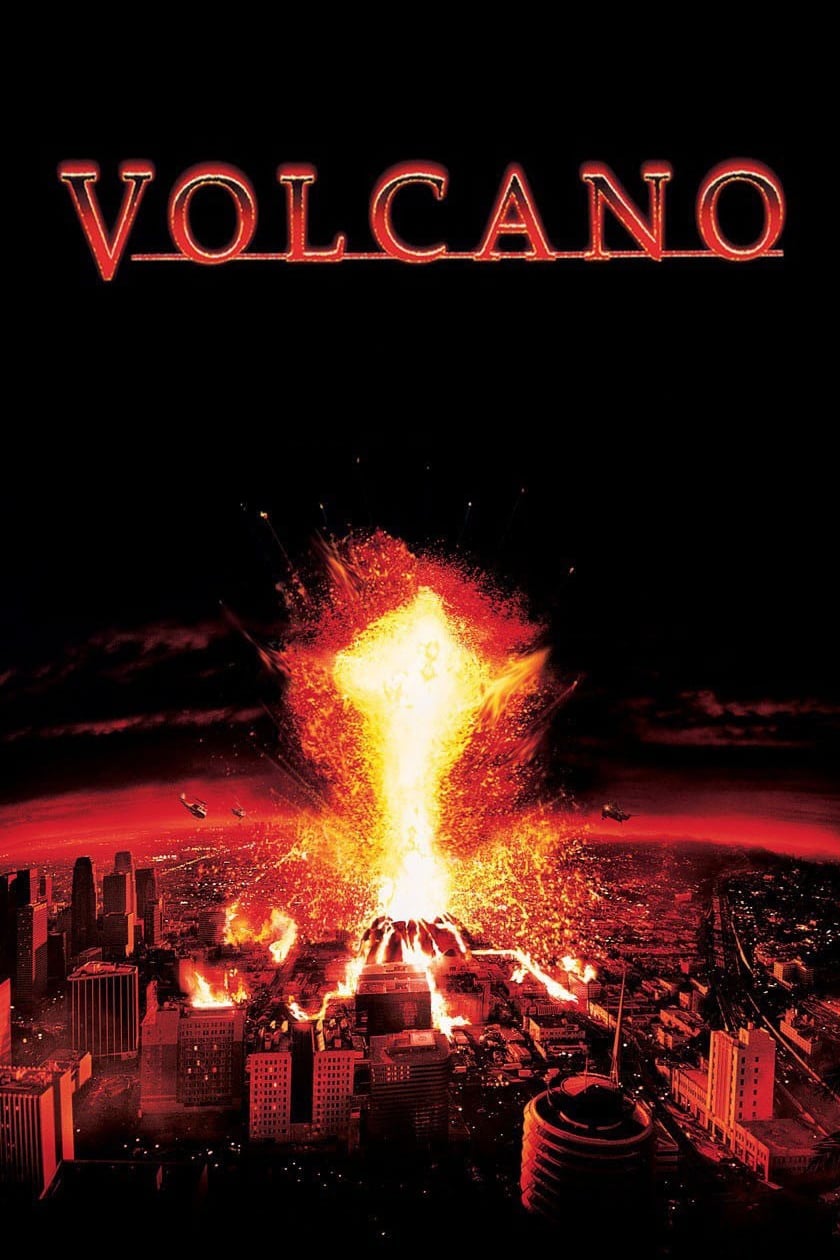
- Volcano (1997)
- San Andreas (2015)
Final Verdict
"Earthquake" retains its well-deserved place in cinema history as one of the most important representatives of the 1970s disaster film era. With its visual effects, strong cast, and sound technology that left its mark on its era, this film goes beyond being merely a natural disaster story, offering a powerful narrative about human relationships and solidarity in moments of crisis. For viewers interested in classic cinema and the disaster film genre, it is an essential watch and an important work reflecting the spirit of its time.
Details
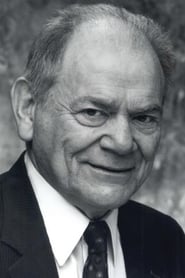
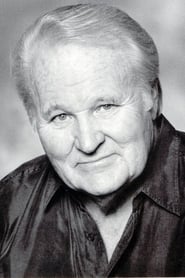
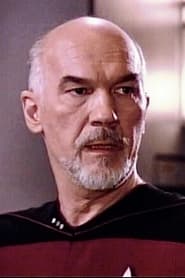
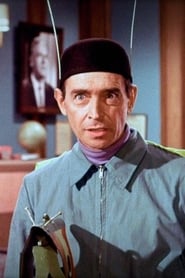
Cast (102)


































Ödüller
- En İyi Ses Miksajı Akademi Ödülü 1975
4 adaylık
- En İyi Film Kurgusu Akademi Ödülü 1975
- En İyi Sanat Yönetmeni Akademi Ödülü 1975
- En İyi Ses Miksajı Akademi Ödülü 1975
- En İyi Sinematografi Akademi Ödülü 1975
ByTv Değerlendirmesi
Gallery
Yorumlar
Henüz yorum yok. İlk yorumu siz yazın.
Recommended






Yazıda geçen yapımlar

Senin için seçelim
Türe göre süz, puana göre sırala ya da çarkı çevirip sürpriz öneri al.