
Dora the Explorer (2000)
Dora the Explorer is a children's animated series that premiered under the Nickelodeon banner in 2000 and quickly gained worldwide recognition. Created by Chris Gifford, Valerie Walsh Valdes, and Eric Weiner, the show follows the…
Overview
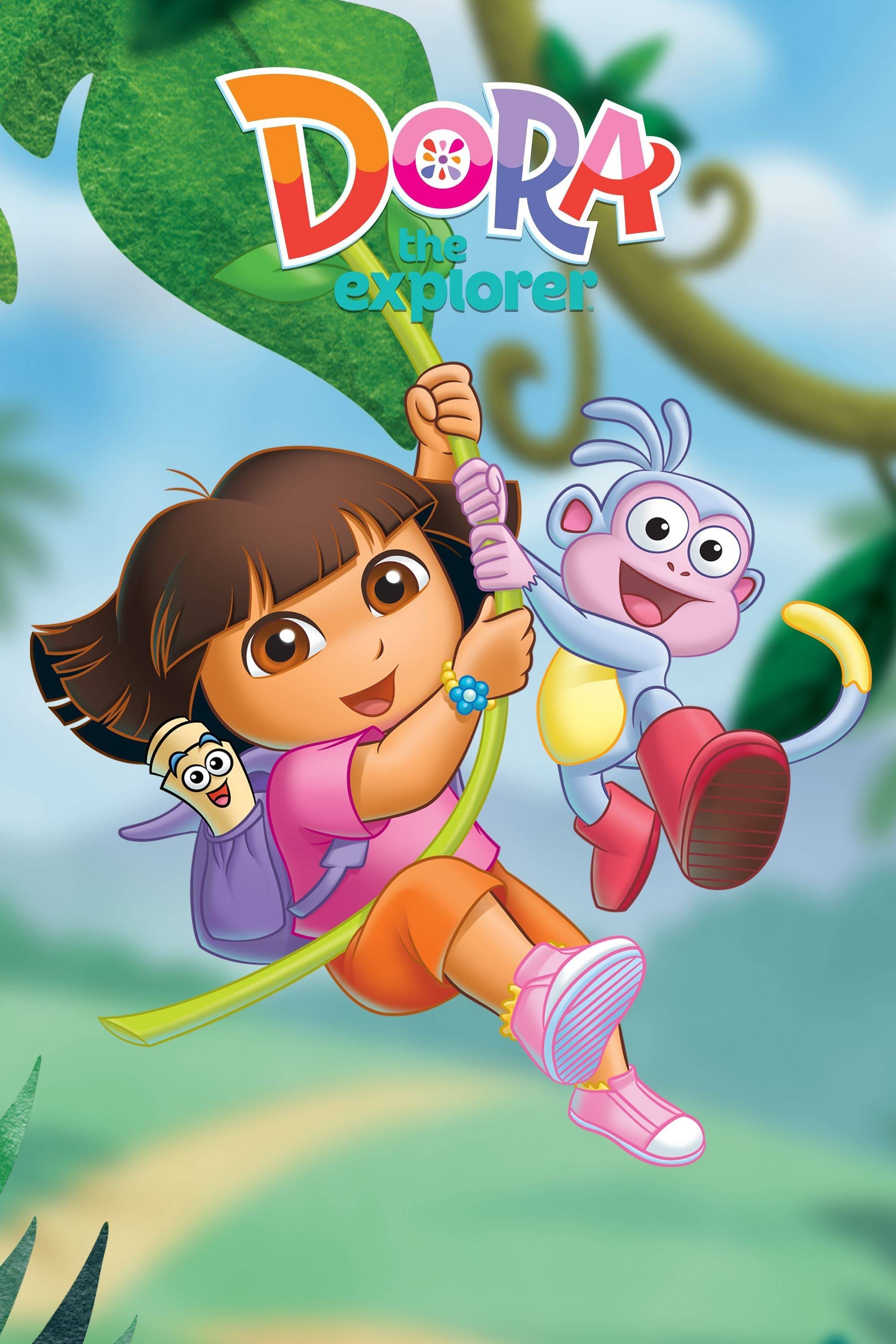
Dora the Explorer is a children's animated series that premiered under the Nickelodeon banner in 2000 and quickly gained worldwide recognition. Created by Chris Gifford, Valerie Walsh Valdes, and Eric Weiner, the show follows the daily adventures and discoveries of Dora, an adventurous young girl. The series aims not only to entertain but also to serve an educational function. Notably distinguished by its bilingual English-Spanish structure, the show seeks to build foreign language awareness among young viewers.
Dora the Explorer is considered a turning point in children's television at the time of its release. One of the show's most distinctive features is its interactive storytelling style, which goes beyond the classic passive viewing experience by directly involving the audience in the story. Dora asks the children on the other side of the screen direct questions and asks for their help, making the viewer not just a spectator but an active part of the story.
Running for many seasons over the years, the series has generally received positive responses from both critics and parents. With its simple yet effective animation style, repetitive structure, and educational content, it has secured its place in film and television history as a model production designed for preschool children.
Plot
At the center of the series is Dora Márquez, a curious and brave young girl. Together with her loyal friend, the monkey Boots, Dora embarks on a different adventure in each episode. These adventures are usually centered around reaching a goal, helping a friend, or solving a problem. Along the way, Dora is accompanied by her backpack, a map, and various supporting characters, including Map, who provides directions, the cunning fox Swiper, and many other colorful figures.
Each episode is shaped by Dora speaking directly to the viewers and asking for their help. Viewers are encouraged to help Dora solve the puzzles she encounters, find her way, or learn simple words. This interactive structure has become the series' most recognizable feature.
Episodes generally follow a set pattern: Dora sets a goal, begins her journey, overcomes the obstacles she encounters, and finally reaches her destination. This repetitive structure allows young children to easily get used to the show's rhythm and supports the learning process. At the same time, the natural integration of Spanish words into the story strengthens the show's educational aspect.
Why Watch It?
Dora the Explorer stands out as a production that contributes to child development through its content. There are many reasons to watch the show:
First of all, the show's interactive structure keeps children's attention engaged. Active participation is encouraged instead of passive viewing, which is an important factor in early childhood development. Additionally, the show's bilingual structure naturally instills foreign language awareness in children. The frequent repetition of Spanish words turns language learning into a play-based experience.
Dora's character, which highlights values such as problem-solving, courage, friendship, and cooperation, offers children a positive role model. The themes explored throughout the series are not only focused on entertainment but also supportive of character development.
Visually, the series has a simple yet effective animation style, using colors and shapes suited to young children's perception. This simplicity makes it easier for viewers to focus on the story. Additionally, the frequent use of musical elements ensures the show offers a rhythmic and memorable experience.
Who Is It Suitable For?
Dora the Explorer is primarily designed for preschool-aged children. It offers ideal content for viewers aged 2-6. Its simple language structure, repetitive sentences, and slow narrative pace are crafted to suit this age group's comprehension capacity.
For parents, the show is also a production that can be watched together with children, opening the door to educational conversations. Especially for families wishing to introduce their children to a second language, the show provides a natural and non-intrusive learning environment.
For educators working in preschool and early childhood education, the show can also serve as a reference resource for in-class activities. The questions Dora asks and the pauses she leaves for responses can inspire educational game formats.
Pros and Cons
Pros: 1. The interactive storytelling style, which directly involves the viewer in the story, keeps children's interest alive. 2. The bilingual English-Spanish structure offers a natural language-learning experience. 3. There is a strong main character who highlights positive values such as courage, friendship, and problem-solving.
Cons: 1. The repetitive structure may feel monotonous to older children or adults. 2. In some episodes, the slow-paced narration may be found boring by viewers accustomed to a faster tempo.
Genre and Tone
Dora the Explorer is positioned within the educational children's animation genre. Prioritizing themes of adventure and discovery, the show also has a cheerful tone supported by musical elements. The overall atmosphere is warm, inviting, and built on positive emotions; tension and negative elements are avoided so that children can have a safe viewing experience.
The show's tone frames its educational content within an entertaining structure without ever becoming heavy. Simple humor elements, the characters' lovable designs, and the vibrant color palette are among the elements supporting the overall tone.
Runtime and Viewing Experience
Episodes are generally 22-24 minutes long and are usually divided into two separate story segments. This short format is designed to suit preschool children's attention span. The viewing experience can comfortably be sustained either alone or with a parent present.
Thanks to the show's repetitive structure, children can watch episodes multiple times to reinforce the words and concepts they have learned. This turns the series into an educational tool that can be returned to again and again, rather than a one-time viewing experience.
Similar Productions
- Blue's Clues
- Backyardigans
- Peppa Pig
- Bubble Guppies
- Paw Patrol
Final Assessment
Dora the Explorer offers a significant example of success in producing both educational and entertaining content in children's television. With its interactive storytelling style, bilingual structure, and main character carrying positive values, the show remains a production that retains its value for preschool children. Although its repetitive structure may be monotonous for some viewers, this feature is a deliberate design choice that serves the target audience's learning process. Overall, Dora the Explorer is a successful animated series that contributes to child development while offering a safe and enjoyable viewing experience.
Details
Cast (46)























Sezonlar
Gelince haber ver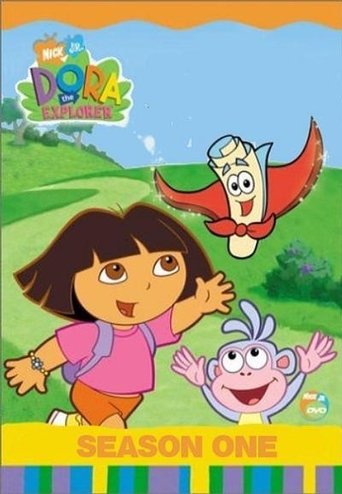 2000
2000 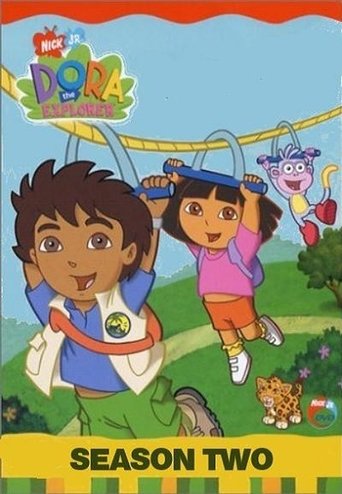 2002
2002 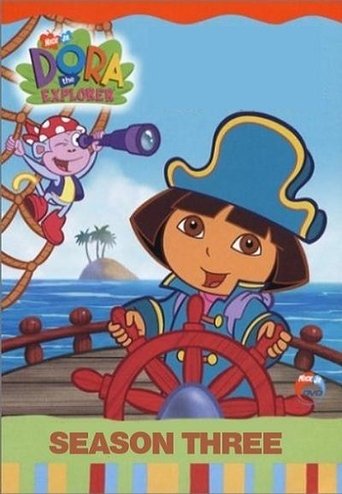 2003
2003  2004
2004  2008
2008  2010
2010  2012
2012  2013
2013 ByTv Değerlendirmesi
Gallery
Yorumlar
Henüz yorum yok. İlk yorumu siz yazın.
Recommended



Yazıda geçen yapımlar
Senin için seçelim
Türe göre süz, puana göre sırala ya da çarkı çevirip sürpriz öneri al.