
Diaz - Don't Clean Up This Blood (2012)
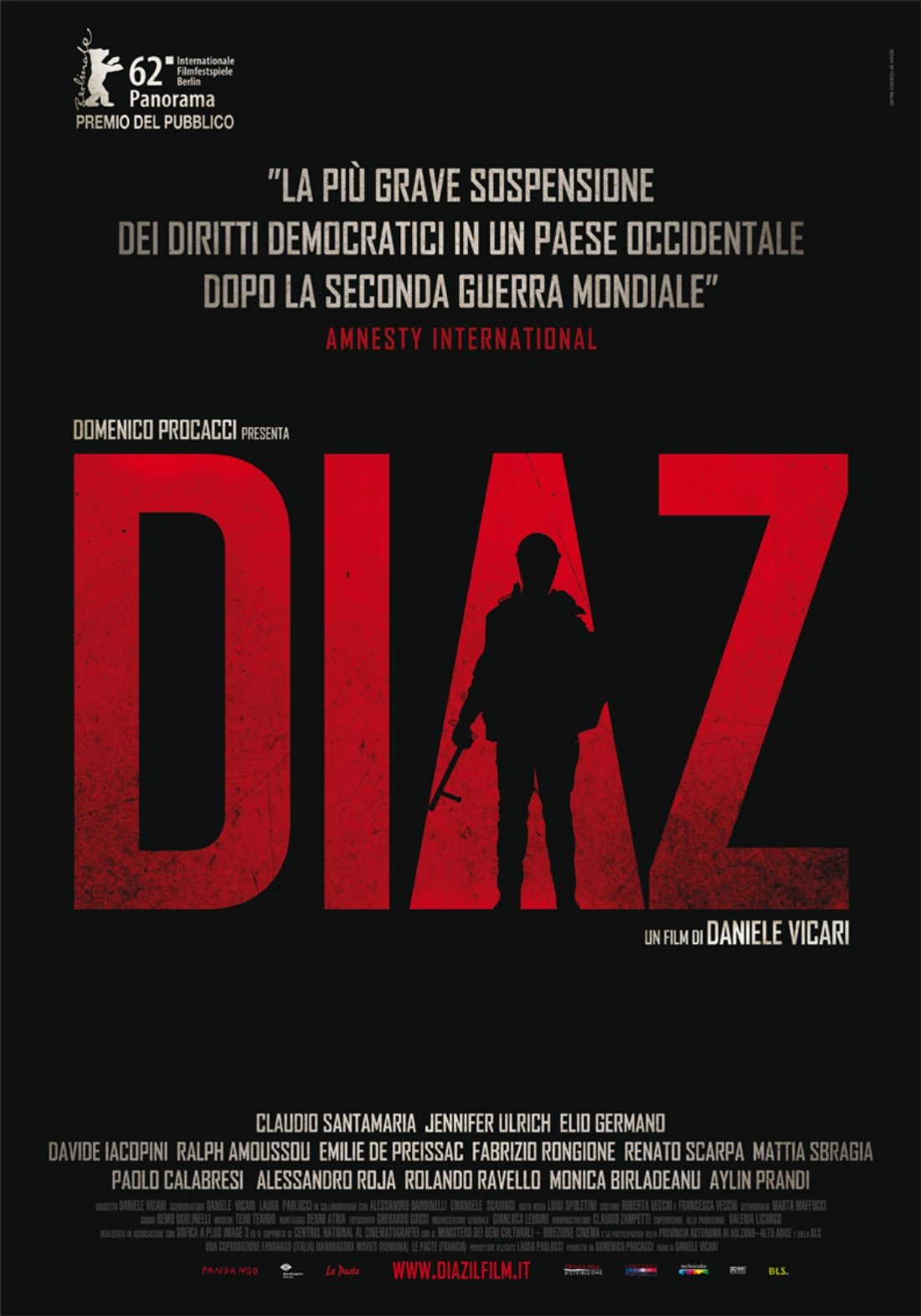
"Diaz - Don't Clean Up This Blood," directed by Daniele Vicari, stands out as one of the boldest and most shattering political films Italian cinema has produced in recent years. Centered on the raid on the Diaz School during the 2…
Overview
"Diaz - Don't Clean Up This Blood," directed by Daniele Vicari, stands out as one of the boldest and most shattering political films Italian cinema has produced in recent years. Centered on the raid on the Diaz School during the 2001 G8 summit in Genoa—an event that went down as a dark stain in history—the film offers a powerful narrative built from real events. The production made a major impact not only in Italy but also in international festival circles, bringing the political climate of the era, state violence, and the pursuit of justice to the screen in a striking manner.
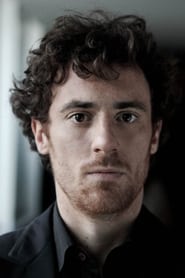
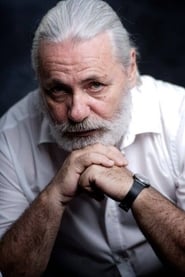
Francesco Acquaroli, part of the film's cast, delivers an unforgettable performance in the tense, hard-hitting scenes. The character Acquaroli portrays is one of the key elements contributing to the film's overall atmosphere. Both the visual language and the narrative style of the production carry a documentary-like realism that pulls the viewer into the midst of the events.
Rather than a classic drama film, "Diaz" offers a cinematic experience that recreates a real trauma and doesn't shy away from unsettling the viewer. In this respect, the film stands as an important document both in terms of film history and Italy's recent political past.
Plot
The film centers on the police raid on protesters staying at the Diaz School—journalists, activists, and members of civil society—during the 2001 G8 summit protests in Genoa. Told from the perspectives of different characters, the story conveys the events of that night to the viewer through multiple viewpoints. The tension between journalists, students, ordinary citizens, and law enforcement is handled with escalating intensity throughout the film.
The narrative structure first introduces the viewer to the characters before moving toward that inevitable night. As the different storylines intertwine, the second half of the film recreates the raid itself in detailed and intense fashion. This section stands out as the film's most discussed and most impactful part.
Why Watch It?
"Diaz" goes beyond being an ordinary historical drama, making the viewer feel the moral weight of a real event. The most striking aspect of the film is that it dramatizes the events without exaggeration, presenting them in a raw and realistic manner. The cinematography, editing rhythm, and sound design come together to draw the viewer almost inside that night.
The film also powerfully addresses universal themes such as state violence, freedom of the press, and the workings of justice systems. These themes remain relevant today, just as much as when the film was made. The performances of strong actors like Francesco Acquaroli are among the elements that heighten the film's emotional intensity.
For film lovers, "Diaz" is a production worth examining both for its technical craft and its narrative courage. It serves as an important reference point for those interested in political cinema, those who follow productions adapted from real events, and those wishing to discover strong examples of European cinema.
Who Is It Suitable For?
This film isn't for those seeking a light and relaxing cinematic experience, but rather for viewers who prefer powerful, thought-provoking, and at times disturbing content. Those interested in political dramas, productions inspired by real events, and the harsh realist style of European cinema will find great satisfaction in this film.
It also offers a meaningful viewing experience for audiences sensitive to issues such as human rights, freedom of the press, and state violence. However, since it contains intense scenes of violence, viewers who are sensitive to such content are advised to keep this in mind while watching.
Pros and Cons
Pros:
1. A powerful and compelling narrative structure based on real events.
2. Intense and convincing performances from the cast, with Francesco Acquaroli leading the way.
3. Realistic visual language and editing rhythm with a documentary feel.
Cons:
1. The intense violence scenes may be heavy for some viewers.
2. The multi-character structure can be challenging to follow in the first half of the film.
Genre and Tone
The film combines the genres of political drama and real-event adaptation. Its tone is generally dark, tense, and unsettling; this choice is directly tied to the weight of the reality the film seeks to convey. Director Vicari avoids emotional manipulation, striving to present the events as objectively as possible. This approach gives the film a documentary-like atmosphere while also dragging the viewer directly into the events.
Runtime and Viewing Experience
With a runtime of approximately 128 minutes, the film offers an intense pace. While the first section is devoted to introducing the characters, the second half focuses directly on the night of the raid. Although this structure requires some time for the viewer to adapt to the film, the viewing experience becomes quite gripping afterward, with intensifying tension and action sequences. It's recommended to watch the film in one sitting without distractions, as the transitions between the multiple perspectives in the plot require careful attention.
Similar Productions
- "Z" (1969)
- "Bloody Sunday" (2002)
- "The Battle of Algiers" (1966)
- "United 93" (2006)
- "Romanzo Criminale" (2005)
- "Gomorrah" (2008)
Final Assessment
"Diaz - Don't Clean Up This Blood" is one of Italian cinema's important examples of boldly addressing political and social issues. With its restrained portrayal of a real trauma, powerful performances, and striking visual language, it leaves a lasting impression on the viewer. Francesco Acquaroli's performance also makes a significant contribution to the film's overall impact.
This film can be regarded not merely as a cinematic experience, but as an effort to keep a historical memory alive. Despite containing heavy and disturbing scenes, its structure—one that provokes reflection on justice, truth, and conscience—delivers a powerful message to the viewer. For anyone interested in political cinema and eager to follow powerful stories drawn from real events, "Diaz" stands out as a must-watch production.
Details
Cast (107)




























































Ödüller
1 adaylık
- David di Donatello for Best Director 2013
ByTv Değerlendirmesi
Gallery
Yorumlar
Henüz yorum yok. İlk yorumu siz yazın.
Recommended




Senin için seçelim
Türe göre süz, puana göre sırala ya da çarkı çevirip sürpriz öneri al.