
Desert Hearts (1985)
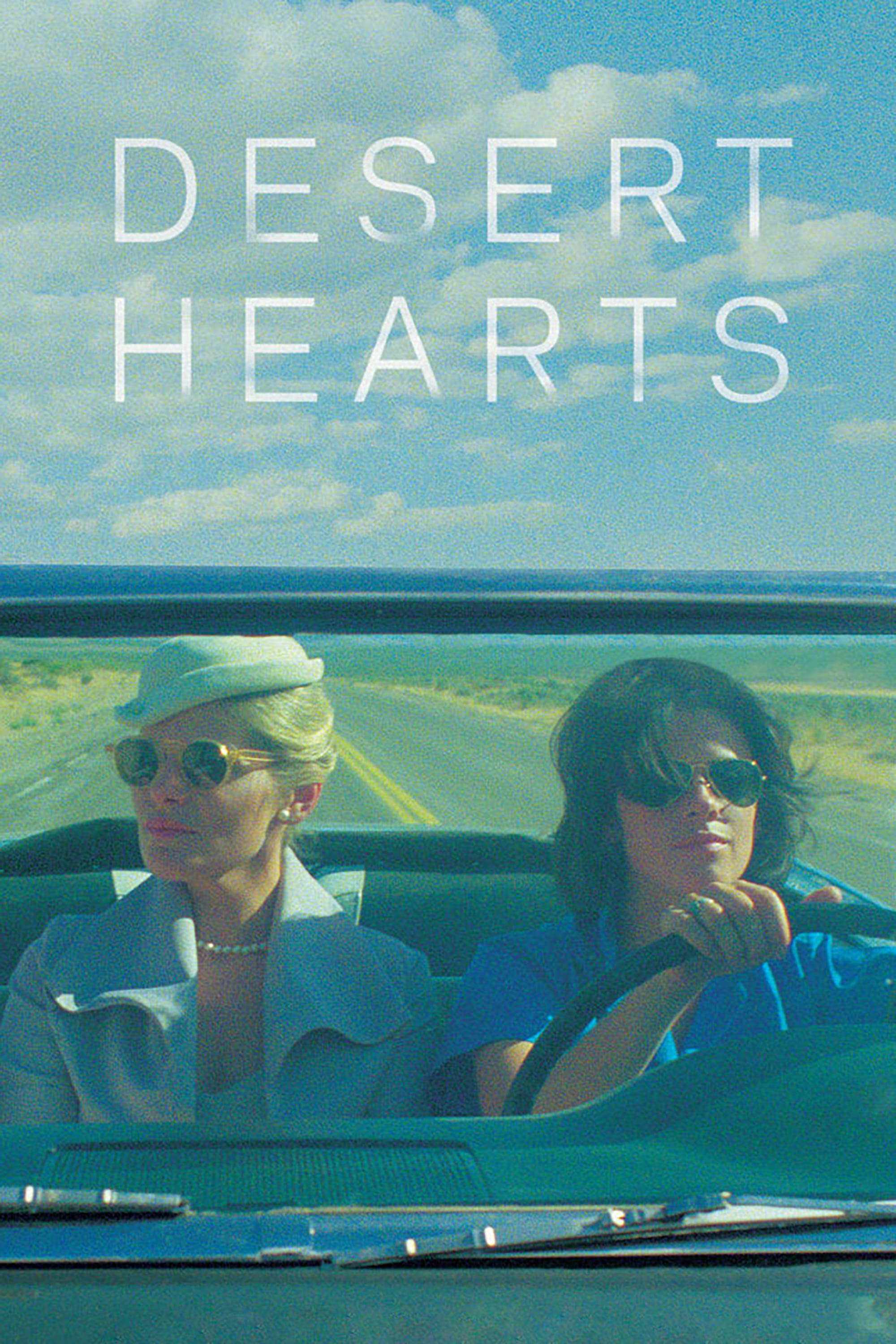
Desert Hearts is an independent 1985 American film directed by Donna Deitch that challenged the cinematic conventions of its time. Adapted from Jane Rule's novel "Desert of the Heart," the film tells a story set in Reno, Nevada, i…
Overview
Desert Hearts is an independent 1985 American film directed by Donna Deitch that challenged the cinematic conventions of its time. Adapted from Jane Rule's novel "Desert of the Heart," the film tells a story set in Reno, Nevada, in 1959. It holds a special place in film history for treating love between female characters not as a superficial or tragic narrative device but as a genuine and profound emotion, despite the limited perspectives of the era. Although made on a low budget, it displays a maturity, both visually and narratively, well beyond its time. Desert Hearts is regarded as one of the pioneering works of LGBT cinema and has served as an inspiration for many films that followed in this genre. The production's music and cinematography successfully capture the aesthetic sensibility of the period while playing a crucial role in carrying the story's emotional weight.
Plot
The story centers on a university professor who travels from New York to the Nevada desert to finalize her divorce. Since Reno required a six-week residency for divorce proceedings at the time, the woman comes to town and begins staying at a ranch. There, she meets a young, free-spirited woman, and an unexpected closeness develops between them. The two women's different lifestyles, differing outlooks, and identities shaped by societal expectations create significant tension in the development of this bond. The film handles the birth of this relationship against the backdrop of the desert's desolate, sweeping landscapes, with a patient and realistic pace. While the narrative alludes to the social norms of the era, it never neglects to focus on the characters' inner worlds.
Why Watch It?
Desert Hearts is essential viewing as one of the first films in cinema history to portray a love story between female characters with such sincerity and respect. Unlike most productions of its time, the film avoids melodramatic excess and focuses instead on the emotional reality of its characters. Donna Deitch's directorial style lets scenes unfold naturally, without unnecessary dramatization. The film's visual direction also uses the desolation and vastness of the Nevada desert to symbolically reflect the characters' inner loneliness and search for liberation. The era-appropriate music choices are another key element that strengthens the atmosphere. Offering a striking example of how independent cinema can create a powerful narrative with limited resources, the film is also an important reference point for those wishing to understand how modes of representation in film history have evolved.
Who Is It For?
Desert Hearts is ideal for viewers interested in classic and independent cinema who enjoy character-driven, slow-paced narratives. It's also an important starting point for those curious about the history of LGBT cinema and wishing to discover pioneering works in this field. It offers a valuable perspective for those curious about the social atmosphere of 1950s America and the position and restrictions faced by women at the time. Viewers who prefer action or fast-paced narratives may find the film a bit slow; however, it offers a satisfying experience for film lovers who value emotional depth and character development. Fans of art-house cinema and period pieces will also enjoy this production.
Pros and Cons
Pros:
1. A remarkably bold and heartfelt narrative style for its time.
2. The visual atmosphere of the Nevada desert forms a powerful unity with the story.
3. The characters' emotional development is portrayed realistically and patiently.
Cons:
1. The slow pace may feel tedious for viewers expecting a fast-moving narrative.
2. The low budget is noticeable in some technical aspects.
Genre and Tone
The film can be categorized as a drama, while also carrying romantic elements. Its tone is generally introspective, contemplative, and occasionally melancholic. The director's preference for a calm narrative style gradually draws the viewer into the characters' emotional journey. Rather than big dramatic outbursts, the meaning carried by small moments and glances takes center stage. In this respect, Desert Hearts adopts a more realistic and humane tone, setting it apart from classic Hollywood melodramas.
Runtime and Viewing Experience
The film runs approximately 96 minutes, a length that strikes a fitting balance with the narrative's rhythm. The viewing experience unfolds at a calm pace, yet one that draws the viewer into the story. The visual compositions and period music allow the audience to easily settle into the atmosphere of the 1950s. Although the film's pacing requires patience, it offers a rewarding experience for viewers wishing to follow the characters' development.
Similar Productions
- Carol (2015)
- The Handmaiden (2016)
- Blue Is the Warmest Colour (2013)
- Water Lilies (2007)
Final Assessment
Desert Hearts remains a significant work today, valued for the path it paved in film history and its bold storytelling. Shaped under Donna Deitch's direction, this film succeeds in telling an honest and respectful love story despite the constraints of its era. With its visual aesthetics, acting performances, and atmospheric music coming together in harmony, this production is a classic that deserves to be discovered by both those interested in film history and those who love emotionally profound dramas.
Details
Cast (26)












ByTv Değerlendirmesi
Gallery
Yorumlar
Henüz yorum yok. İlk yorumu siz yazın.
Recommended









Yazıda geçen yapımlar


Senin için seçelim
Türe göre süz, puana göre sırala ya da çarkı çevirip sürpriz öneri al.